
Comprehensive Project Report for ATA Mill
Strategizing a Sustainable ATA Mill Setup within a 2 Lakh Budget Over 18 Months
Key Takeaways
- Cost Optimization: Efficient allocation of the 2 lakh budget focusing on essential machinery and operational expenses.
- Phased Implementation: Structured timeline divided into planning, setup, commissioning, production ramp-up, and optimization phases.
- Risk Management: Comprehensive strategies to mitigate financial, operational, and market-related risks ensuring project sustainability.
1. Executive Summary
This project report outlines a strategic plan to establish an Atta (ATA) mill with a total investment of ₹2,00,000 over an 18-month period. The primary objective is to create a small-scale, efficient, and sustainable milling operation capable of producing high-quality flour to meet local market demands. The project emphasizes cost-effective measures, phased implementation, and robust risk management to ensure profitability and long-term viability.
2. Project Description
Background
An ATA mill plays a crucial role in the agricultural and food processing industries by converting wheat into flour, which is a staple in many households. Establishing a mill not only fulfills the growing demand for locally produced flour but also contributes to the local economy by creating employment opportunities and supporting farmers through the procurement of raw materials.
Mission and Objectives
Mission
To establish a reliable and efficient ATA mill that delivers high-quality flour, supports local farmers, and contributes to the economic growth of the community.
Objectives
- Set up a fully functional ATA mill within the allocated budget of ₹2,00,000.
- Achieve operational readiness within 18 months.
- Ensure consistent production quality and supply meeting market demand.
- Implement sustainable practices to minimize operational costs and environmental impact.
- Establish strong market presence and customer base within the first year of operation.
Scope
The project encompasses the selection of an appropriate location, procurement and installation of necessary machinery, hiring and training of workforce, establishment of supply chains, and implementation of marketing and distribution strategies. It also includes setting up quality control systems and maintenance schedules to ensure smooth operations and prevent potential breakdowns.
3. Market Analysis
Industry Overview
The flour milling industry is experiencing steady growth driven by increasing population, rising income levels, and a growing preference for packaged and processed food products. There is a significant demand for high-quality, affordable flour in both urban and rural markets. The industry is moderately competitive, with opportunities for new entrants who can offer superior quality or cost advantages.
Target Market
The primary target market for the ATA mill includes local households, small retail outlets, and wholesalers. By focusing on quality and competitive pricing, the mill aims to establish a strong presence in the local market, ensuring a steady demand for its products. Additionally, exploring niche markets such as organic or fortified flour can provide a competitive edge.
SWOT Analysis
| Strengths | Weaknesses | Opportunities | Threats |
|---|---|---|---|
| Low initial investment | Limited production capacity | Growing demand for packaged flour | Fluctuating raw material prices |
| Local availability of raw materials | Dependence on local suppliers | Potential government subsidies | High competition from established mills |
| Skilled local labor availability | Initial market entry challenges | Expansion into niche markets | Regulatory changes |
4. Project Implementation Timeline (18 Months)
Phase 1: Planning & Approvals (Months 1-3)
- Finalize detailed project plan and conduct feasibility studies.
- Register the business and obtain necessary licenses and permits.
- Secure a suitable location with access to raw materials and markets.
Phase 2: Infrastructure Setup (Months 4-8)
- Renovate or construct the production facility as per requirements.
- Procure and install basic machinery essential for milling operations.
- Recruit core technical and management staff.
Phase 3: Commissioning and Training (Months 9-12)
- Conduct trial runs to standardize milling processes.
- Implement staff training programs focusing on operational efficiency and quality control.
- Develop supplier and distribution networks for steady raw material inflow and product distribution.
Phase 4: Production Ramp-Up (Months 13-15)
- Gradually increase production capacity to meet market demand.
- Implement marketing and sales strategies to boost product visibility.
- Monitor early performance metrics and adjust processes as necessary.
Phase 5: Consolidation and Optimization (Months 16-18)
- Analyze production data to fine-tune operations for efficiency.
- Strengthen market presence through customer feedback and continuous improvement.
- Prepare a full operational report and plan for future scaling up.
5. Financial Plan & Cost Breakdown
Detailed Cost Allocation
| Category | Description | Cost (₹) |
|---|---|---|
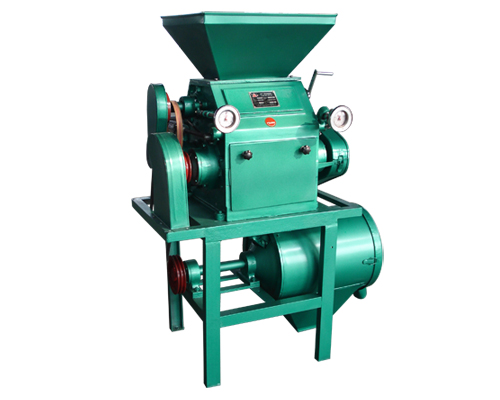
| Plant and Machinery | Atta Mill Machine and ancillary equipment | 80,000 |
| Working Capital | Raw materials, packing materials, utilities | 55,000 |
| Infrastructure Setup | Rent, minor renovations | 20,000 |
| Marketing & Distribution | Initial marketing efforts and distribution logistics | 20,000 |
| Administrative & Miscellaneous | Licenses, permits, contingency | 25,000 |
| Total | 2,00,000 |
Financial Projections
The financial projections are based on a conservative estimate of sales and expenditures. Assuming a production capacity of 100 kg of Atta per day with a selling price of ₹20 per kg, the monthly revenue is projected to be ₹60,000. Monthly operating expenses, including raw materials, utilities, and labor, are estimated at ₹15,000, leading to a monthly profit of ₹45,000. These projections ensure that the initial investment can be recouped within the first year of operation, with growing profitability in subsequent months.
Break-Even Analysis
The break-even point is estimated to be reached within the first 6 months of full-scale operations. This is based on covering the fixed and variable costs through the projected revenue, ensuring that the business achieves financial stability and generates profits thereafter.
6. Operational Plan
Production Process
The production process involves the following steps:
- Cleaning: Raw wheat grains are cleaned to remove impurities.
- Conditioning: Grains are conditioned to the appropriate moisture level for optimal milling.
- Milling: Grains are ground into fine flour using the atta mill machine.
- Sieving: The flour is sieved to ensure uniform texture and remove any remaining impurities.
- Packing: The finished flour is packed in appropriate packaging materials for distribution.
Workforce Requirements
The mill will require a small, skilled workforce to manage operations effectively. Key roles include:
- Manager: Oversees overall operations, strategic planning, and financial management.
- Production Supervisor: Manages the milling process, ensures quality control, and supervises production staff.
- Machine Operators: Handle the operation and maintenance of milling machinery.
- Packaging Staff: Responsible for packing the finished flour and preparing it for distribution.
Supply Chain Management
Efficient supply chain management is critical for the smooth functioning of the ATA mill. This includes:
- Raw Material Procurement: Establishing reliable suppliers for high-quality wheat to ensure consistent production.
- Inventory Management: Implementing systems to track raw material usage and manage stock levels effectively.
- Logistics: Coordinating transportation for raw materials and distribution of finished products to ensure timely deliveries.
Technology & Quality
Leveraging appropriate technology is essential for maintaining product quality and operational efficiency:
- Quality Assurance: Implementing quality control measures at each stage of the production process to ensure the consistency and purity of the flour.
- Monitoring Systems: Utilizing monitoring tools to track production metrics and identify areas for improvement.
- Maintenance Schedule: Regular maintenance of machinery to prevent breakdowns and ensure longevity of equipment.
7. Risk Analysis & Mitigation Strategy
Market Risks
Risk: Fluctuating demand and changing consumer preferences could impact sales.
Mitigation: Diversify product offerings to include different types of flour, maintain competitive pricing, and engage in active marketing to build brand loyalty.
Financial Risks
Risk: Insufficient cash flow and unexpected expenses may hinder operations.
Mitigation: Maintain a contingency reserve, regularly monitor financial performance, and explore additional financing options if necessary.
Operational Risks
Risk: Machinery breakdowns and operational inefficiencies could disrupt production.
Mitigation: Implement a regular maintenance schedule, train staff on proper machinery operation, and have backup equipment or spare parts readily available.
Regulatory Risks
Risk: Changes in industry regulations and compliance requirements could increase operational costs.
Mitigation: Stay informed about regulatory changes, engage with industry bodies, and consult with legal advisors to ensure ongoing compliance.
8. Conclusion & Recommendations
Establishing an ATA mill with a budget of ₹2,00,000 over an 18-month period is a feasible project with careful planning and strategic execution. By optimizing costs, adhering to a structured implementation timeline, and proactively managing risks, the project is poised for success. It is recommended to prioritize essential expenditures, invest in quality machinery, and build strong relationships with suppliers and customers. Continuous monitoring and adaptation to market trends will further enhance the mill's sustainability and profitability.
Recommendations
-
Conduct regular financial reviews to ensure adherence to the budget and make adjustments as needed.
-
Invest in training programs to enhance the skills of the workforce, ensuring higher productivity and quality output.
-
Explore additional revenue streams such as supplying to restaurants, hotels, and local bakeries.
-
Implement eco-friendly practices to reduce operational costs and appeal to environmentally conscious consumers.
-
Plan for future expansion by assessing market growth and scalability of operations.
References
Last updated February 14, 2025