
Comprehensive Project Report for Setting Up an Atta Mill with a 2 Lakh INR Investment
A Detailed Blueprint for Establishing a Successful Small-Scale Flour Mill
Key Takeaways
- Strategic Investment Allocation: Proper distribution of funds across machinery, infrastructure, and working capital is crucial for operational efficiency.
- Market Research and Quality Control: Understanding local demand and maintaining high-quality standards can significantly enhance profitability and brand loyalty.
- Risk Management and Scalability: Identifying potential risks and planning for scalability ensures long-term sustainability and growth of the business.
1. Executive Summary
The establishment of a small-scale Atta Mill with an investment of approximately 2 lakh INR aims to fulfill the growing demand for high-quality wheat flour in local markets. This project leverages affordable machinery, strategic location selection, and efficient operational practices to achieve profitability within the first year. The mill will cater to household consumers, small retailers, and local restaurants, ensuring consistent quality and hygiene standards.
2. Project Objectives
- To set up a fully-functional atta mill with a capacity to produce between 500 kg to 1 ton of wheat flour daily.
- Ensure consistent quality and hygiene in flour production through standardized processes.
- Generate employment opportunities for 2-3 local workers, contributing to the regional economy.
- Develop robust market channels targeting both bulk retailers and direct consumers.
3. Business Overview
3.1. Type and Capacity
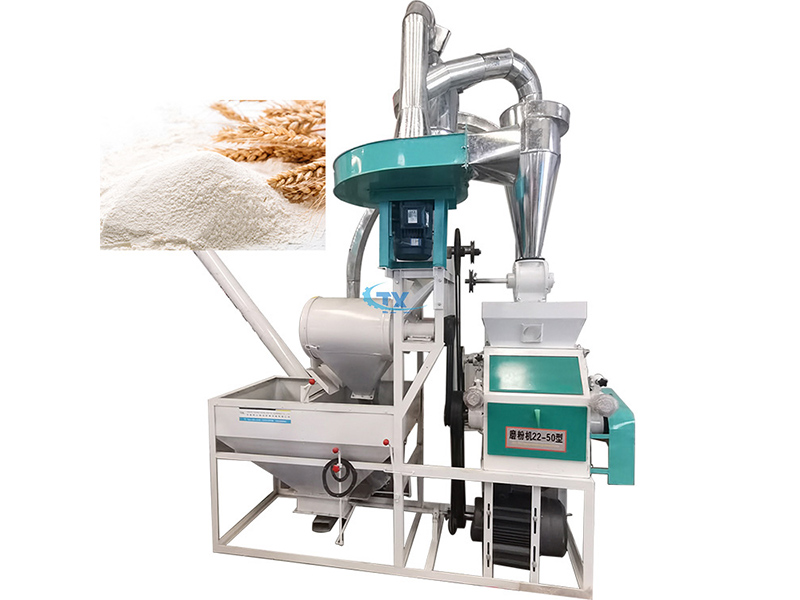
The proposed flour mill will be a mini flour mill, also known as an Atta Chakki, with a daily production capacity ranging from 500 kg to 1 ton. This capacity is suitable for meeting the demands of local households, small retailers, and eateries.
3.2. Location and Infrastructure
The mill will be strategically located in a commercially accessible area with adequate space for machinery, storage, and packaging facilities. An approximate space requirement is 5 feet (L) x 9 feet (W) x 9.5 feet (H). The location selection should ensure ease of access for raw material procurement and distribution of the finished product.
4. Market Analysis
4.1. Industry Overview
The flour milling industry is a vital segment of the food processing sector, driven by the consistent demand for wheat flour in both urban and rural areas. Increasing awareness about food quality and hygiene standards has led to a steady demand for well-processed, high-quality atta.
4.2. Target Market
The primary target market includes local households, small retailers, and local restaurants or bakeries. These segments require a reliable supply of consistent quality flour, providing a steady revenue stream.
4.3. Competitive Analysis
Competition primarily comes from local unorganized flour mills that may offer lower prices but often lack quality and hygiene controls. Additionally, branded flour products are available in the market. The proposed mill can carve out a niche by focusing on superior quality and competitive pricing tailored to local needs.
4.4. SWOT Analysis
Strengths
- Low initial investment requirement.
- Ability to control product quality and hygiene.
- Local sourcing of raw materials reduces dependency.
Weaknesses
- Limited production capacity compared to larger mills.
- Vulnerability to fluctuations in wheat prices.
Opportunities
- Potential to expand into specialty and multi-grain flours.
- Growing health-conscious consumer base.
Threats
- Increased competition from larger, established mills.
- Regulatory changes affecting production and quality standards.
5. Technical & Operational Plan
5.1. Machinery and Equipment
Investing in the right machinery is critical for the efficient operation of the mill. The machinery costs are estimated as follows:
| Equipment | Estimated Cost (INR) |
|---|---|
| Cleaning & Grading Machine | 30,000 |
| Stone/Roller Flour Mill Machine | 80,000 |
| Packaging Machine (Manual/Semi-Automatic) | 20,000 |
| Ancillary Equipment (Sifters, Scales, Conveyors) | 20,000 |
| Installation and Minor Fittings | 10,000 |
| Total Machinery Cost | 1,60,000 |
5.2. Raw Material Procurement
Securing a consistent supply of high-quality wheat is essential. Establishing supply agreements with local wheat farmers or wholesalers can ensure competitive rates and steady availability. Negotiating seasonal contracts can help stabilize costs and manage supply effectively.
5.3. Production Process
The production process encompasses several stages to ensure quality and efficiency:
- Cleaning: Removal of impurities from wheat to ensure the raw material is pure.
- Milling: Converting cleaned wheat into fine flour using the milling machine.
- Sifting & Quality Control: Ensuring consistent granularity and removing bran for superior quality.
- Packaging: Hygienic packaging to maintain freshness and quality, typically in 1 kg or 2 kg packets.
5.4. Workforce and Labor
A small team of 2-3 workers is sufficient for day-to-day operations. Roles include machine operators, quality control personnel, packaging staff, and a supervisor or manager responsible for procurement and sales.
5.5. Operational Costs
Operational expenses include electricity, labor wages, maintenance, and raw material costs. Efficient machinery choice can reduce electricity consumption, while regular maintenance can prevent costly breakdowns and ensure smooth operations.
6. Financial Projections
6.1. Initial Investment Breakdown
The total project investment is approximately 2 lakh INR, allocated as follows:
| Expense | Amount (INR) |
|---|---|
| Machinery & Equipment | 1,60,000 |
| Infrastructure (Rent, Renovation, Installation) | 20,000 |
| Working Capital (Raw Materials, Utilities, Wages) | 20,000 |
| Licenses & Permits | 10,000 |
| Miscellaneous | 10,000 |
| Total Initial Investment | 2,00,000 |
6.2. Revenue Projections
Assuming a daily production capacity of 800 kg of flour with a selling price of 30 INR per kg:
- Daily Revenue: 800 kg x 30 INR = 24,000 INR
- Monthly Revenue (25 working days): 24,000 INR x 25 = 6,00,000 INR
6.3. Break-even Analysis
Considering fixed costs (rent, wages, depreciation) and variable costs (raw material, energy), the break-even point is projected to be achieved within the first 6 to 12 months, assuming favorable market conditions and consistent sales.
6.4. Profit Margins and Cash Flow
After deducting operational expenses, initial profit margins are expected to be between 10-20%. As the business stabilizes and scales, these margins can grow through expanded market reach and operational efficiencies. A detailed monthly cash flow projection is essential to monitor financial health and ensure sustainability.
7. Marketing & Sales Strategy
7.1. Branding
Develop a unique brand identity that emphasizes quality and hygiene. This includes designing attractive packaging, creating a memorable logo, and ensuring clear labeling that communicates reliability and trust to consumers.
7.2. Sales Channels
Utilize multiple sales channels to maximize reach:
- Direct sales to local retailers and wholesalers.
- Establishing a small retail outlet for direct consumer sales.
- Leveraging digital marketing through social media platforms to increase brand visibility.
7.3. Pricing Strategy
Set a competitive price point that reflects the quality of the product while remaining affordable for the target market. Consider offering introductory discounts, loyalty programs, or bundled offers to attract and retain customers.
7.4. Promotions
Implement localized marketing tactics such as distributing flyers, placing advertisements in local newspapers and radio stations, and participating in community fairs or exhibitions to enhance brand awareness and attract customers.
8. Management & Organization
8.1. Organizational Structure
The organizational structure will consist of:
- Owner/Manager: Responsible for overseeing operations, managing finances, procurement, and maintaining relationships with suppliers and customers.
- Production Operators: Handle the day-to-day operations of the machinery and ensure quality control during the production process.
- Sales/Marketing Personnel: Focus on promoting the product, managing sales channels, and engaging with customers to drive sales.
8.2. Legal & Regulatory Compliance
Ensure the business is registered in accordance with local regulations. Obtain necessary licenses and permits, including food safety clearances and municipal approvals. Compliance with local labor laws and safety standards is mandatory to operate the mill legally and avoid potential fines or shutdowns.
9. Risk Analysis & Mitigation
9.1. Raw Material Price Fluctuations
Mitigation Strategy: Secure long-term contracts with suppliers to lock in prices, and consider forward buying when prices are favorable to stabilize costs.
9.2. Machinery Breakdown
Mitigation Strategy: Implement regular maintenance schedules, establish service contracts, and maintain an emergency repair fund to address unexpected breakdowns promptly.
9.3. Market Competition
Mitigation Strategy: Differentiate the product through superior quality and hygiene standards, build local brand loyalty, and explore niche markets such as organic or specialty flours to reduce direct competition.
9.4. Regulatory Changes
Mitigation Strategy: Stay informed about local and national regulations related to food safety and production standards. Adapt operational processes promptly to remain compliant.
10. Implementation Timeline
10.1. Phase 1: Planning & Procurement (1-2 Months)
- Finalize the business plan and secure necessary licenses.
- Procure or lease the required machinery and set up the facility.
10.2. Phase 2: Installation & Trial Production (1 Month)
- Install machinery and conduct trial runs to ensure equipment functionality and product quality.
- Train staff on operational procedures and quality control measures.
10.3. Phase 3: Full-Scale Operations (Start of Month 3)
-
Launch full-scale production with marketing initiatives in place.
-
Monitor production, sales, and customer feedback to optimize operations.
11. Conclusion
Establishing a small-scale Atta Mill with a 2 lakh INR investment is a feasible and profitable venture, provided meticulous planning, effective budget management, and a steadfast commitment to quality are maintained. The success of this project hinges on controlled production costs, adherence to high quality standards, strategic marketing, and strong relationships with suppliers and customers. With the right strategies in place, the mill can achieve profitability within the first year and lay the foundation for future expansion and diversification into specialty flour products.
12. References
Last updated February 14, 2025