
Intriguing Exploration of Battery Electrolysis Effects
Understanding How Electrolysis Influences Battery Charging and Discharging
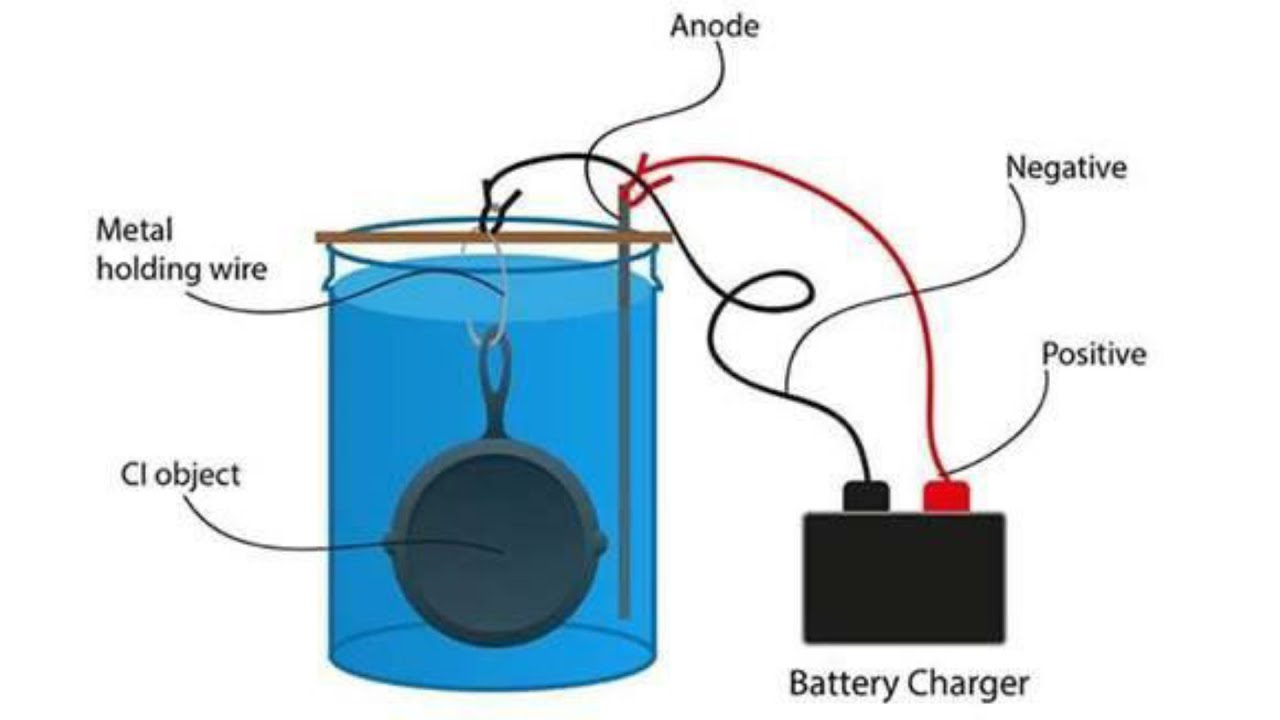
Highlights
- Electrolysis during Charging: Reverses battery chemistry and restores capacity.
- Electrolysis during Discharging: Balances ion flows and facilitates redox reactions.
- Impact on Battery Health: Mismanaged electrolysis can lead to degradation and gas evolution.
Introduction to Battery Electrolysis
Electrolysis in a battery is the process by which external electrical energy drives non-spontaneous chemical reactions, thereby influencing the battery's operation. This mechanism is especially crucial in rechargeable batteries where energy must be stored and later delivered efficiently. Throughout this discussion, we will unravel the complexities of electrolysis as it relates to both charging and discharging processes, explain the roles of various components such as electrodes and electrolytes, and discuss how electrolysis can inadvertently affect battery performance and longevity.
Fundamental Principles of Electrolysis in Batteries
Reversible Chemical Reactions
At the core of battery electrolysis is the reversible nature of the chemical reactions occurring at the electrodes. In a discharging battery, spontaneous redox reactions release energy. During charging, the application of an external voltage forces these reactions to reverse. This process involves breaking down compounds that were formed during discharge and reforming the reactants, thereby recharging the battery.
Irreversible vs. Reversible Processes
It is important to note the contrast between spontaneous reactions and those driven by applied energy. In a galvanic cell (the typical discharging battery), reactions occur spontaneously to produce an electrical current. However, when the battery is recharged, it is converted to act like an electrolytic cell, requiring an external power source to drive the reaction in the reverse, non-spontaneous direction.
Mechanism During Charging
During the charging process, an external voltage source is connected to the battery, initiating electrolysis:
- External Voltage Application: The battery’s electrodes are subjected to a voltage that forces electrons to move in the reverse direction compared to the natural discharging process.
- Electrode Reaction Reversal: For instance, in a lead-acid battery, lead sulfate (PbSO₄) that forms at the electrodes during discharge is converted back into lead dioxide (PbO₂) at the cathode and sponge lead (Pb) at the anode. This reaction is effectively the reverse of what happens during battery discharge.
- Ion Migration: The electrolyte solution facilitates the movement of ions. Charges are balanced as ions move to compensate for the electron flow, re-establishing the battery’s chemical equilibrium.
The overall efficiency and effectiveness of this process determine the battery's ability to hold a charge, and the electrolysis reaction must be carefully controlled to prevent deterioration of battery materials.
Mechanism During Discharging
When a battery is in use, it discharges through spontaneous electrochemical reactions:
- Natural Redox Reactions: During discharge, electrons flow due to inherent potential differences, converting stored chemical energy into electrical energy.
- Ion Movement through Electrolyte: To balance the charge, ions in the electrolyte migrate between the electrodes. This movement helps maintain the integrity of the reactions that generate current.
- Maintaining Internal Balance: Electrolysis-related processes ensure that ionic and electronic currents are balanced throughout the battery, which is crucial for proper operation.
Whereas charging involves an external stimulus to reverse chemistry, discharging relies on the natural tendencies of materials to react and release energy. The internal environment of the battery is thus a dynamic balance of these reactions.
Critical Components Influencing Electrolysis
Electrodes
In any battery, the electrodes play an essential role. They are the sites of redox reactions:
- Anode: During discharge, this is the location where oxidation occurs – electrons are given up by the reactant. In a rechargeable cell, during charging, the anode accepts electrons as the reaction is reversed.
- Cathode: Reduction takes place at this electrode. For rechargeable batteries, the cathode is responsible for regenerating the material that had been altered during discharge.
The quality and material composition of these electrodes directly influence the rate of the electrolysis reaction and determine the overall battery cycle life.
Electrolyte
The electrolyte is a critical component that enables ion conduction between the electrodes. Its properties greatly affect both charge and discharge processes:
- Ion Conduction: The electrolyte contains dissolved ions that provide a medium for charge transport. The mobility of these ions ensures a continuous and balanced flow of electricity.
- Concentration and Composition: The chemical makeup of the electrolyte is designed to optimize ion movement while preventing unwanted side reactions.
- Impact of Water Electrolysis: In many battery systems, such as lead-acid batteries, water forms a significant part of the electrolyte. When charged too quickly or overcharged, the water can undergo electrolysis, leading to the evolution of hydrogen and oxygen gases. This phenomenon not only reduces the amount of electrolyte available but can also pose safety risks.
External Voltage and Energy Storage
The role of external electrical energy in the process of electrolysis is twofold. Firstly, it is necessary to drive the non-spontaneous chemical reactions during charging. Secondly, it allows for the storage of energy in the form of chemical bonds within the battery. The efficiency of energy conversion depends on the precise control of this voltage.
As energy is applied and later withdrawn, the interplay between electron flow, ion migration, and chemical transformation becomes the essence of battery performance. Without the careful management of external voltage, electrolysis may result in adverse effects, such as electrode degradation, gas bubble formation, and reduced battery capacity.
Electrolysis-Related Factors and Their Impacts on Battery Longevity
Gas Evolution and Safety Concerns
One of the most common side effects of electrolysis in battery systems is the evolution of gas. When water in the electrolyte decomposes during overcharging or high-rate charging, hydrogen and oxygen gases are produced. This is particularly evident in lead-acid battery systems:
- Hydrogen Gas: Accumulation of hydrogen can render a battery hazardous. The risk of explosion increases if the gas is not properly vented.
- Oxygen Gas: Similarly, oxygen accumulation can contribute to dangerous conditions and also affect the balance of the electrolyte composition.
To mitigate these risks, battery designs often incorporate vents or pressure relief mechanisms, ensuring that evolved gases do not build up to unsafe levels. Effective management of water electrolysis is crucial for maintaining battery safety, particularly in high-power or rapid charging applications.
Electrode Degradation and Capacity Loss
While electrolysis is fundamental to battery recharging, excessive or uncontrolled electrolysis can lead to the gradual degradation of electrode materials. Over time, repeated cycles of charging and discharging cause changes in the physical and chemical properties of the electrode surfaces:
- Surface Deterioration: The formation and subsequent stripping away of corrosion products, such as lead oxide or other compounds, can erode the electrode surface.
- Reduced Reaction Efficiency: Once the electrode material is compromised, the efficiency of the redox reaction declines, shortening the effective life of the battery.
- Impact on Fast Charging: Rapid charging exacerbates these effects by increasing the rate of gas evolution and material stress, emphasizing the need for balanced charging strategies.
Thermal Considerations
The process of electrolysis is not only chemically demanding but thermally challenging as well. The battery’s internal temperature can rise due to rapid electrolysis and side reactions:
Heat generation during electrolysis can accelerate unwanted side reactions and further contribute to electrode wear. Battery management systems often incorporate thermal regulation to maintain optimal temperature ranges, ensuring that the chemical processes remain within safe and efficient operational limits.
Comparative Analysis: Electrolytic vs. Galvanic Cells in Battery Technology
Electrolytic Cell Characteristics
When a battery is being charged, it functions as an electrolytic cell. In this mode:
- External Energy Input: The applied voltage drives reactions that would not otherwise occur spontaneously.
- Reversal of Chemical Changes: The process serves to convert the discharge products back into the original reactants, effectively “resetting” the chemical state of the battery.
- Precise Control Needs: This mode requires careful regulation to avoid issues such as overheating or excessive gas evolution.
Galvanic Cell Behavior in Discharge Mode
In contrast, during battery discharge, the cell naturally functions as a galvanic cell:
- Spontaneous Reaction: The battery releases stored chemical energy in the form of electrical energy without external force.
- Electrode Role Reversal: The electrode that was the anode during discharge becomes the site of oxidation, while the cathode facilitates reduction.
- Built-In Energy Conversion: This spontaneous process underpins everyday battery operations, from powering small devices to driving industrial machinery.
Integrative Overview with a Practical Table
The interaction of electrolysis with battery chemistry can be summarized in the following table, which contrasts the key aspects of charging and discharging processes:
| Aspect | Charging (Electrolytic Mode) | Discharging (Galvanic Mode) |
|---|---|---|
| Energy Source | External voltage forces non-spontaneous reactions. | Stored chemical energy is released spontaneously. |
| Chemical Reaction | Reverse redox reactions; conversion of compounds (e.g., PbSO₄ to PbO₂ and Pb). | Natural redox reactions yield electrical current. |
| Ion Flow | Electrolyte facilitates ion migration to balance electron flow. | Ion movement complements electron transfer to complete the circuit. |
| Side Effects | Possible gas evolution (hydrogen/oxygen), electrode erosion. | Gradual material changes; typical wear from repeated cycles. |
| Control/Management | Requires monitoring of voltage, temperature, and electrolyte condition. | Operates naturally but is influenced by past charging efficiency. |
This comparative table underscores that while both processes are intertwined in battery operation, careful management during the charging (electrolysis) phase is essential to maintain performance and longevity.
Applications and Broader Implications
Rechargeable Battery Systems
In modern technology, rechargeable battery systems, including lead-acid and lithium-ion batteries, heavily rely on controlled electrolysis. In these systems:
- The recharging cycle capitalizes on electrolysis to restore the chemical composition of the electrodes.
- Manufacturers integrate safety features to monitor electrolyte levels and prevent excessive gas evolution.
- Advanced battery management systems (BMS) are employed to regulate current and voltage, ensuring that the electrolytic process is both efficient and safe.
Industrial and Environmental Considerations
Beyond consumer electronics, the principles of battery electrolysis have wider implications in industrial applications, such as metal plating and hydrogen production. Industrial electrolytic cells are often designed to optimize similar chemical processes under controlled conditions, where minimizing unwanted side reactions is paramount. Furthermore, understanding electrolysis in batteries contributes to research in improving overall energy storage technologies and environmental sustainability.
As research continues into novel materials and charging protocols, the nuances of electrolysis become increasingly relevant. Emerging technologies leverage our insights into chemical reversibility and electron transfer to enhance not only battery life but also environmental safety by reducing the risk of hazardous gas emissions.
Mathematical Insight into Electrolysis Dynamics
Energy Considerations
The energy dynamics involved in the electrolysis process can be expressed mathematically. The minimum required energy during charging can be approximated by considering the Gibbs free energy change (\( \Delta G \)) for the reaction:
\( \Delta G = -nFE \)
Where:
- \( n \) represents the number of moles of electrons exchanged.
- \( F \) is the Faraday constant.
- \( E \) is the applied voltage.
This equation helps determine the energy efficiency of the charging process, reinforcing the importance of controlling the electrolysis reaction to maximize battery performance.
Enhancing Battery Performance
Optimization Techniques
To fully harness the benefits of electrolysis in batteries and mitigate its adverse side effects, several optimization techniques have been developed:
- Controlled Charging Protocols: These protocols involve regulating the charging current and voltage to minimize excessive gas evolution and avoid thermal runaway.
- State-of-Charge Management: Advanced battery management systems continuously monitor the state-of-charge to ensure that the battery is neither overcharged nor deeply discharged, which helps maintain chemical stability.
- Material Engineering: Ongoing research into developing robust electrode and electrolyte materials aims to enhance resistance to degradation and optimize ion flow.
- Thermal Regulation Systems: Effective cooling and heat management systems help in maintaining the battery at an optimal temperature, further protecting against unwanted side reactions during electrolysis.
These measures demonstrate the symbiotic relationship between electrolysis and battery technology. Rather than treating electrolysis solely as a potential risk factor, modern battery systems are designed to harness its benefits in a controlled, efficient manner.
References
For further reading and in-depth exploration of battery electrolysis, please refer to the following resources:
- Electrolysis in Commercial Batteries - Chemistry LibreTexts
- Batteries and Electrolytic Cells - Chemistry LibreTexts
- Maintaining Battery Electrolyte Levels - Engineers Edge
- Electrolytic Cells and Electrolysis - Chemistry Talk
- Battery Electrolyte Function and Safety - Dragonfly Energy
Recommended Explorations
For those looking to expand their research on related topics, the following queries may prove to be especially insightful:
Last updated March 24, 2025