
Unlock Your Musical Potential: The Ultimate Guide to Learning an Instrument
Embark on a rewarding journey with proven strategies for consistent progress and lasting enjoyment.
Key Insights for Aspiring Musicians
- Consistency Over Cramming: Regular, focused practice sessions (even short ones) are far more effective than occasional marathon sessions for building skills and muscle memory.
- Goal-Oriented Learning: Setting clear, achievable short-term and long-term goals provides direction, measures progress, and keeps motivation high.
- Personalized Approach: Choose an instrument that genuinely excites you and tailor your learning path—whether through a teacher or self-study—to your preferences and lifestyle.
Choosing Your Musical Companion
Finding the Instrument That Resonates With You
The first, and arguably most crucial, step is selecting an instrument that sparks your passion. Think about the music genres you love and the sounds that captivate you. Your enthusiasm for the instrument itself will be a primary driver of your commitment.
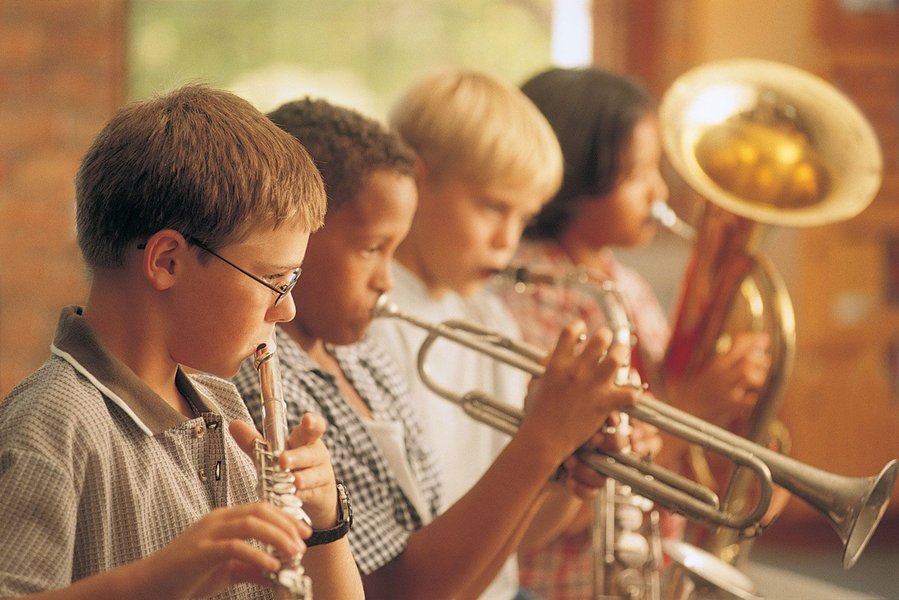
Choosing an instrument you genuinely enjoy is the first step towards a fulfilling musical journey.
Practical Considerations
Beyond passion, consider practical aspects:
- Budget: Instruments range significantly in price. Factor in the initial cost, potential accessories (cases, amps, reeds), and maintenance. Renting can be a good option initially.
- Space and Noise: Do you have adequate space? Are noise levels a concern for neighbors or family? Digital pianos with headphones or smaller, quieter instruments might be suitable.
- Physical Suitability: Some instruments require specific physical attributes (e.g., lung capacity for wind instruments, hand size for certain string instruments).
- Portability: If you plan to travel or join groups, consider how easily the instrument can be transported.
Beginner-Friendly Options
While the "best" instrument is subjective, some are often cited as easier for beginners to get started with, allowing for quicker initial progress and boosting confidence. These often include:
- Piano/Keyboard: Offers a strong visual representation of music theory and immediate sound production.
- Guitar (Acoustic/Electric): Versatile for many genres, with abundant learning resources available.
- Ukulele: Smaller, simpler, and often considered easier to learn basic chords than the guitar.
- Recorder/Harmonica: Portable, relatively inexpensive, and straightforward mechanics.
- Drums/Percussion: Focuses on rhythm, which is fundamental to all music. Digital drum kits offer volume control.
Ultimately, choose the instrument you're most excited to pick up and play every day.
Setting the Stage: Goals and Expectations
Charting Your Course in Music
Learning an instrument is a marathon, not a sprint. Setting realistic and specific goals is essential for maintaining motivation and tracking your progress. Vague aspirations like "getting good" are less effective than concrete targets.
SMART Goal Setting
Adopt the SMART framework for your musical objectives:
- Specific: Instead of "learn guitar," aim for "learn the C, G, D, and Em chords."
- Measurable: Define success. "Play 'Happy Birthday' smoothly at 80 bpm."
- Achievable: Start small. Don't aim to play a complex concerto in your first month.
- Relevant: Ensure your goals align with your overall musical interests.
- Time-bound: Set deadlines. "Master the first page of this piece by the end of the week."
Break down larger goals (e.g., playing in a band) into smaller, manageable steps (e.g., learn 10 cover songs, practice improvising over backing tracks).
Patience and Perspective
Be patient with yourself. Progress isn't always linear; there will be plateaus and challenges. Avoid comparing your journey to professional musicians who have dedicated years or decades to their craft. Celebrate small victories along the way – mastering a tricky passage, playing a chord cleanly for the first time, or simply sticking to your practice schedule.
Guidance on Your Journey: Instruction Methods
Teacher vs. Self-Study: Finding Your Learning Style

A good teacher can provide personalized feedback and accelerate learning.
There are numerous paths to learning an instrument, each with its pros and cons.
Working with a Teacher
Formal lessons with a qualified instructor offer significant advantages:
- Personalized Feedback: A teacher can identify and correct technical errors (posture, hand position, embouchure) early on, preventing bad habits.
- Structured Curriculum: Lessons often follow a logical progression, ensuring you build a solid foundation.
- Accountability and Motivation: Regular lessons provide structure and encouragement.
- Musical Context: Teachers can provide insights into music theory, interpretation, and performance practices.
Finding the right teacher—one whose style and personality mesh with yours—is key.
Self-Teaching and Online Resources
With the wealth of online resources available (YouTube tutorials, apps, online courses), self-teaching is more viable than ever:
- Flexibility and Pace: Learn on your own schedule and focus on areas that interest you most.
- Cost-Effective: Many online resources are free or low-cost compared to private lessons.
- Variety of Materials: Access to countless lessons, songs, and styles.
However, self-teaching requires significant discipline and self-awareness. It can be harder to identify technical flaws without external feedback. A hybrid approach, perhaps combining online resources with occasional check-ins with a teacher, can also be effective.
The Heart of Progress: Practice Routines
Building Effective and Consistent Habits
Consistent, focused practice is the cornerstone of musical development. It's not just about logging hours; it's about how you use that time.
Consistency is Key
Aim for daily practice sessions, even if they're short. 20-30 minutes of focused daily practice is generally more effective than one or two long sessions per week. This builds muscle memory, reinforces concepts, and establishes a routine.
Structuring Your Practice Time
A well-structured session ensures balanced development. Consider dividing your time:
- Warm-up (5-10 mins): Physical preparation (stretching, finger exercises) and instrument-specific warm-ups (scales, long tones, basic patterns). This prevents injury and focuses the mind.
- Technical Work (10-20 mins): Focus on specific skills – difficult passages, new techniques, scales, arpeggios, rhythm exercises. Use a metronome for timing accuracy.
- Repertoire (10-20 mins): Work on learning new songs/pieces or refining ones you already know. Break challenging sections down and practice them slowly.
- Review/Fun (5-10 mins): Play through familiar pieces you enjoy, improvise, or experiment. End on a positive note.
Adapt this structure based on your goals and available time.
Deliberate Practice
Avoid mindless repetition. Engage in "deliberate practice" by identifying specific weaknesses and designing exercises to address them. Focus intently on the task at hand, monitor your performance, and seek ways to improve. Quality trumps quantity.
Tracking Your Progress
Keep a practice journal. Note down what you worked on, challenges encountered, breakthroughs achieved, and goals for the next session. This provides valuable insights into your progress and helps keep you accountable.
Visualizing the Learning Path
Key Components of Mastering an Instrument
Learning an instrument involves several interconnected elements. This mindmap illustrates the core components contributing to successful musical development, highlighting the importance of a balanced approach encompassing instrument choice, goal setting, effective instruction, dedicated practice, and sustained motivation.
(Budget, Space, Noise)"] id1c["Physical Suitability"] id1d["Beginner Friendliness"] id2["Setting Goals"] id2a["SMART Goals
(Specific, Measurable, Achievable, Relevant, Time-bound)"] id2b["Short-term & Long-term"] id2c["Realistic Expectations"] id2d["Patience"] id3["Instruction & Guidance"] id3a["Formal Lessons (Teacher)"] id3a1["Personalized Feedback"] id3a2["Structured Learning"] id3a3["Accountability"] id3b["Self-Teaching"] id3b1["Online Resources (Videos, Apps)"] id3b2["Flexibility & Pace"] id3b3["Requires Discipline"] id4["Effective Practice"] id4a["Consistency (Daily Practice)"] id4b["Structured Routine"] id4b1["Warm-up"] id4b2["Technical Exercises"] id4b3["Repertoire Work"] id4b4["Review/Fun"] id4c["Deliberate Practice (Focused Effort)"] id4d["Using Tools (Metronome)"] id4e["Tracking Progress (Journal)"] id5["Maintaining Motivation"] id5a["Play Enjoyable Music"] id5b["Celebrate Small Wins"] id5c["Join Communities/Groups"] id5d["Find Inspiration"] id5e["Persistence Through Challenges"]
Evaluating Learning Factors
Relative Importance of Different Aspects
While all aspects of learning are important, their perceived impact can vary. This chart offers a perspective on the relative importance of key factors in effectively learning a musical instrument, based on common pedagogical advice. Factors like consistent practice and intrinsic motivation often rate highly, while theoretical knowledge might be seen as slightly less critical initially compared to hands-on skill development, though still vital for deeper understanding.
Example Practice Session Structure
A Template for Daily Learning
Structuring your practice time helps ensure a balanced approach to skill development. Below is a sample template for a 60-minute practice session. You can adjust the time allocations based on your specific goals, instrument, and available time. The key is to touch upon different aspects of musicianship regularly.
| Time Allotment | Activity | Focus Area | Example |
|---|---|---|---|
| 5-10 min | Warm-up | Physical Preparation & Focus | Finger stretches, scales, long tones, breathing exercises |
| 15-20 min | Technique Building | Developing Specific Skills | Practicing difficult chord changes, articulation exercises, bowing patterns, specific rhythms |
| 20-25 min | Repertoire Work | Learning & Refining Pieces | Working through a new song measure by measure, polishing a known piece, focusing on dynamics/expression |
| 5-10 min | Ear Training / Theory | Understanding Music | Identifying intervals, transcribing a simple melody, reviewing key signatures |
| 5-10 min | Play for Fun / Review | Enjoyment & Reinforcement | Playing favorite songs, improvising, reviewing an old piece |
Remember to use tools like a metronome during technical and repertoire work to solidify timing.
Staying Inspired: Motivation and Mindset
Fueling Your Musical Passion Long-Term
The journey of learning an instrument inevitably involves challenges and potential dips in motivation. Cultivating the right mindset and strategies is crucial for long-term success and enjoyment.
Keep it Enjoyable
- Play Music You Love: While technical exercises are necessary, balance them with playing songs and styles that genuinely excite you. Look for simplified arrangements if needed.
- Connect with Others: Join a band, ensemble, or online music community. Playing with others enhances motivation, improves listening skills, and provides performance opportunities.
- Find Inspiration: Listen to your favorite artists, attend concerts, or watch performances online. Remind yourself why you started this journey.
Overcoming Hurdles
- Embrace Patience: Progress takes time. Accept that plateaus are normal and persist through difficulties.
- Celebrate Small Wins: Acknowledge and appreciate every step forward, no matter how small.
- Break Down Challenges: If a piece seems too difficult, break it into tiny sections. Slow it down significantly until you can play it accurately.
- Take Breaks When Needed: If feeling burnt out, a short break can be refreshing. However, distinguish between needing rest and avoiding practice.
- Seek Feedback: If stuck, ask a teacher, mentor, or fellow musician for advice.
Enhance Your Practice: Video Insights
Expert Tips for Effective Learning
Watching experienced musicians and educators share their practice strategies can provide valuable insights and reinforce effective learning techniques. This video offers practical advice on structuring practice sessions, focusing on quality over quantity, and developing good habits from the start. It covers common pitfalls beginners face and suggests ways to make practice more productive and enjoyable, aligning well with the principles of deliberate practice and consistency discussed earlier.
Frequently Asked Questions
Common Queries About Learning an Instrument
How long should I practice each day?
Do I absolutely need a teacher?
What if I lose motivation or feel stuck?
Is it harder to learn an instrument as an adult?
Recommended Reading
Explore Further Insights
- How can I best structure my daily practice sessions as a beginner?
- What are effective tips for staying motivated while learning an instrument long-term?
- What are the benefits of learning music theory alongside my instrument?
- What factors should I consider when choosing my very first musical instrument?
References
Sources Used in This Guide
Last updated May 5, 2025