
Unlocking Nature's Power: The Comprehensive Guide to Biomass Energy
Discover how organic materials are transforming our energy landscape, from their diverse origins to their environmental implications.
Key Insights into Biomass
- Renewable Foundation: Biomass is an organic material from plants and animals, harnessing solar energy stored through photosynthesis, offering a replenishable alternative to fossil fuels.
- Versatile Conversion: Energy from biomass can be unlocked through various methods, including direct burning, thermal processes like gasification and pyrolysis, and biochemical conversions such as anaerobic digestion and fermentation.
- Balanced Impact: While biomass offers significant advantages like waste reduction and potential carbon neutrality, it also presents challenges including land use competition, air pollution, and cost-effectiveness that require careful management.
Decoding Biomass: Nature's Recyclable Energy
Biomass refers to renewable organic material derived from plants and animals. This matter contains stored chemical energy from the sun, originally captured by plants through the process of photosynthesis. When biomass is burned or chemically converted, this stored energy is released as heat or can be transformed into electricity or biofuels. Unlike fossil fuels, which are finite and formed over millions of years, biomass is considered a renewable resource because its sources can be regrown or are continuously produced as part of natural cycles or human activities. It represents the largest terrestrial supply of carbon and stands as a sustainable alternative for producing energy, fuels, and various bioproducts. Historically, biomass was a primary energy source for humanity and continues to play a significant role, accounting for approximately 5% of U.S. energy consumption in recent years.
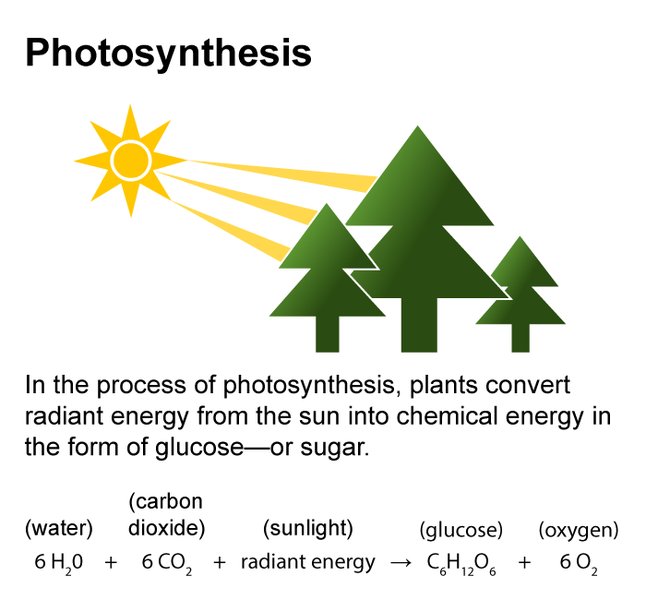
The process of photosynthesis, fundamental to the energy stored in biomass.
The Diverse Origins of Biomass
Biomass feedstocks, the raw organic materials used for energy production, are incredibly varied. Understanding these sources is key to appreciating the versatility and potential of biomass energy.
Primary Categories of Biomass Sources
The origins of biomass can be broadly grouped, highlighting the wide range of organic matter that can be harnessed.
Forestry and Wood Products
This is one of the most traditional sources. It includes:
- Forest Wood: Logs, branches, and other residues from forestry operations (logging residues).
- Wood Processing Waste: Sawdust, bark, wood chips, and black liquor (a byproduct of the paper pulping process) from lumber mills and paper manufacturing.
Agricultural Resources
The agricultural sector provides a substantial amount of biomass through:
- Agricultural Residues: Leftover materials from farming, such as straw from wheat, stalks and husks from corn (maize) and rice, and bagasse from sugarcane.
- Energy Crops: Plants grown specifically for their energy content. These are typically fast-growing and high-yield, such as switchgrass, miscanthus, short-rotation woody crops (e.g., poplar, willow), and certain types of algae.
Organic Wastes
A significant and readily available source of biomass comes from various waste streams:
- Municipal Solid Waste (MSW): The organic fraction of household and commercial garbage, including food scraps, yard waste, paper, and cardboard. Food waste alone amounts to nearly 60 million tons annually in the US.
- Animal Manure and Products: Waste from livestock operations (e.g., cattle, poultry, swine manure) and other animal by-products from rendering plants.
- Industrial Wastes: Organic residues from food processing industries and other industrial activities.
- Landfill Gas: Methane and carbon dioxide produced from the anaerobic decomposition of organic waste in landfills. Capturing this gas prevents its release into the atmosphere and provides a fuel source. Landfills are the third-largest source of human-related methane emissions in the U.S.
- Sewage Sludge: Solids separated from wastewater treatment processes.
Aquatic Biomass
- Algae: Macroalgae (seaweeds) and microalgae can be cultivated in ponds, bioreactors, or open water systems. They are prized for their rapid growth rates and high lipid content, making them suitable for biofuel production.
- Aquatic Plants: Other water-based plants like water hyacinth.

A variety of biomass feedstocks used for energy production.
Transforming Biomass into Energy: Key Conversion Methods
Once biomass feedstocks are collected, they must be converted into usable forms of energy, such as heat, electricity, or fuels. The choice of conversion method often depends on the type and moisture content of the biomass, as well as the desired end product.
Thermochemical Conversion Methods
These processes use heat to break down biomass. They are generally more suitable for drier biomass materials.
- Direct Combustion (Burning): This is the simplest and most common method. Biomass is burned in a furnace or boiler to produce heat. This heat can be used directly for heating homes and industrial processes, or it can be used to produce steam, which then drives a turbine to generate electricity. While traditional, modern industrial facilities can reduce pollutants by 97-99% compared to open burning.
- Pyrolysis: Biomass is heated to high temperatures (typically 300-700°C) in the absence of oxygen. This process decomposes the organic material into a liquid called bio-oil (or pyrolysis oil), a solid residue called biochar, and a combustible gas mixture called syngas. Bio-oil can be refined into transportation fuels or used to produce chemicals, while biochar can be used as a soil amendment or fuel.
- Gasification: Biomass is heated to high temperatures (over 700°C) with a limited and controlled amount of oxygen or steam. This converts the biomass into a combustible gas mixture known as syngas (synthesis gas), primarily composed of hydrogen, carbon monoxide, and methane. Syngas can be burned to produce heat and electricity, or used as a feedstock for producing liquid biofuels (like Fischer-Tropsch diesel) and other chemicals.
- Co-firing: Biomass is burned alongside a fossil fuel, typically coal, in existing power plants. This can reduce the overall consumption of fossil fuels and lower greenhouse gas emissions from the plant with relatively minor modifications to the existing infrastructure.
Biochemical Conversion Methods
These processes use microorganisms (like bacteria and yeasts) or enzymes to convert biomass into energy. They are generally more suitable for biomass with higher moisture content, such as wet agricultural residues, animal manure, and food waste.
- Anaerobic Digestion: Microorganisms break down organic materials in an oxygen-free environment. This process produces biogas, which is primarily a mixture of methane (CH4) and carbon dioxide (CO2), and a nutrient-rich solid/liquid residue called digestate, which can be used as fertilizer. Biogas can be burned to generate heat and electricity or can be purified to produce renewable natural gas (biomethane) for injection into natural gas pipelines or use as vehicle fuel.
- Fermentation: Microorganisms (typically yeasts) convert the carbohydrates (sugars and starches) in biomass into ethanol, a type of alcohol. This is the primary method used to produce bioethanol, a common biofuel blended with gasoline. Cellulosic ethanol, derived from non-food plant fibers, is an advanced form of this process.
- Transesterification: This chemical process is used to convert vegetable oils, animal fats, or recycled greases into biodiesel. It involves reacting the oils or fats with an alcohol (usually methanol) in the presence of a catalyst. Glycerin is produced as a byproduct.
This video from the National Renewable Energy Laboratory (NREL) provides an excellent overview of biomass energy, explaining how organic waste materials are converted into power and its significance as a renewable resource.
Biomass Energy Attributes: A Comparative Look
Different biomass conversion pathways and sources exhibit varying characteristics in terms of their economic viability, environmental footprint, efficiency, and potential for widespread adoption. The radar chart below offers a qualitative comparison of selected biomass energy aspects, highlighting their relative strengths and weaknesses. For instance, while direct combustion of wood might be cost-effective in some regions, its air pollution potential can be a concern if not properly managed. Conversely, advanced biofuel production from algae shows high potential for scalability and resource efficiency but currently faces higher costs.
This chart illustrates how different biomass pathways perform across key metrics on a scale of 2 to 10 (where 10 is most favorable, except for 'Environmental Impact' where a lower score is better). It is a generalized representation and actual performance can vary based on specific technologies, feedstock quality, and regional conditions.
The Landscape of Biomass Energy
The following mindmap provides a visual summary of the key facets of biomass energy, from its fundamental definition and diverse sources to its conversion methods and the crucial balance of its advantages and disadvantages. This overview helps to conceptualize how these interconnected elements form the complete picture of biomass as an energy resource.
Renewable organic material
from plants & animals,
storing solar energy"] id2["Sources"] id2a["Forestry & Wood
(Logs, Residues, Sawdust)"] id2b["Agricultural Resources
(Crop Residues, Energy Crops)"] id2c["Organic Wastes
(MSW, Manure, Industrial Waste, Landfill Gas)"] id2d["Aquatic Biomass
(Algae, Aquatic Plants)"] id3["Conversion Methods"] id3a["Thermochemical"] id3a1["Direct Combustion"] id3a2["Pyrolysis"] id3a3["Gasification"] id3a4["Co-firing"] id3b["Biochemical"] id3b1["Anaerobic Digestion"] id3b2["Fermentation"] id3b3["Transesterification"] id4["Advantages"] id4a["Renewable & Sustainable"] id4b["Carbon Neutral Potential"] id4c["Waste Reduction"] id4d["Energy Security"] id4e["Versatility (Heat, Power, Fuel)"] id4f["Job Creation"] id4g["Reliable & Dispatchable"] id5["Disadvantages"] id5a["Land & Resource Use Competition"] id5b["GHG Emissions (if not managed well)"] id5c["Air Pollution (Particulates, NOx)"] id5d["Cost & Infrastructure"] id5e["Efficiency Limitations"] id5f["Supply Chain Complexity"] id5g["Potential Deforestation"]
This mindmap visually organizes the core concepts related to biomass energy, illustrating its multifaceted nature.
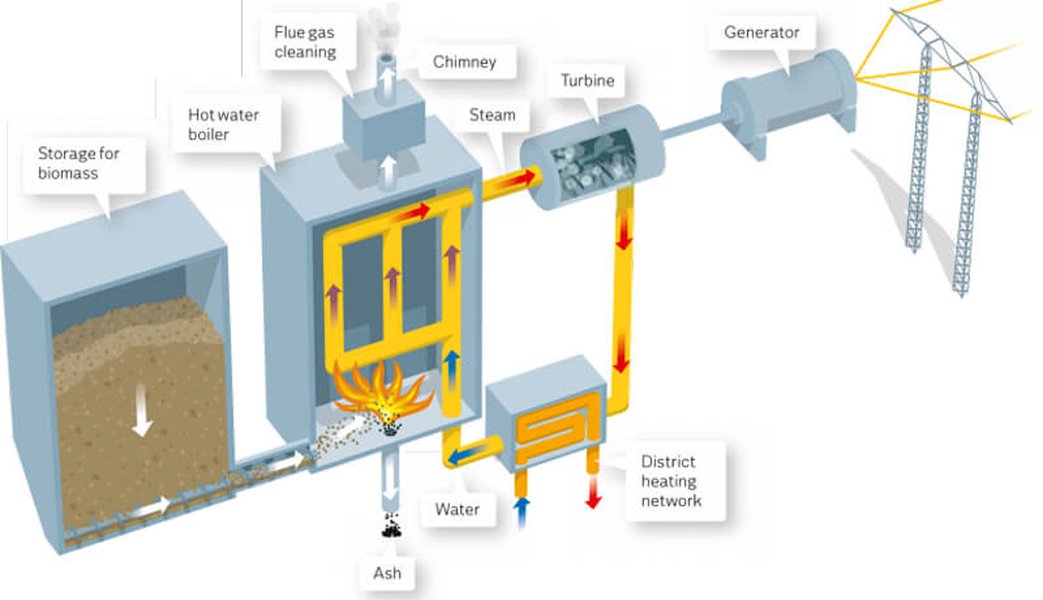
The Ince Biomass Energy Plant, an example of a large-scale facility converting biomass into power.
Weighing the Pros and Cons: Advantages and Disadvantages of Biomass
Biomass energy holds considerable promise as part of a sustainable energy future, but it's essential to consider both its benefits and drawbacks. The table below summarizes these aspects to provide a balanced perspective.
| Advantages of Biomass Energy | Disadvantages of Biomass Energy |
|---|---|
| Renewable and Sustainable: Biomass sources like plants can be regrown, and organic waste is continuously generated, making it a replenishable energy source compared to finite fossil fuels. | Land and Resource Use: Large-scale cultivation of energy crops can compete with food production for land and water resources, potentially impacting food security and leading to habitat loss if not managed sustainably. |
| Waste Reduction: Utilizing agricultural residues, forestry waste, municipal solid waste, and animal manure for energy production diverts these materials from landfills. This reduces landfill volume (by 60-90% in some cases), disposal costs, and methane emissions from decomposition. | Greenhouse Gas Emissions & Air Pollution: While potentially carbon neutral over its lifecycle, the combustion of biomass releases CO2 immediately. If not sourced sustainably (e.g., leading to deforestation) or if inefficient combustion technologies are used, biomass can be a net emitter of greenhouse gases. Burning biomass can also release air pollutants like particulate matter, nitrogen oxides (NOx), and volatile organic compounds (VOCs), which can harm human health and air quality. |
| Carbon Neutrality Potential: When biomass is sourced sustainably (e.g., from sustainably managed forests or waste), the carbon dioxide released during its combustion is theoretically offset by the CO2 absorbed by the plants during their growth. This can make biomass a carbon-neutral or even carbon-negative (if combined with carbon capture) energy source. | Cost and Infrastructure: Biomass energy can be more expensive than some fossil fuels and other renewables like solar and wind. Costs include feedstock collection, transportation (as biomass is often bulky and decentralized), storage, and the construction and operation of conversion plants. Government incentives are often needed to make it economically competitive. |
| Energy Security and Independence: Biomass resources are often locally available, reducing reliance on imported fossil fuels and enhancing a nation's energy security. | Efficiency Limitations: The conversion of biomass to electricity can be less efficient compared to some fossil fuel power plants. The energy density of biomass is also generally lower than that of fossil fuels, meaning more material is needed to produce the same amount of energy. |
| Versatility: Biomass can be converted into various forms of energy, including electricity, heat (for industrial processes or district heating), and liquid or gaseous biofuels for transportation. It can also be used to produce a range of bioproducts like plastics and chemicals. | Supply Chain Complexity: The biomass supply chain can be complex due to the often bulky, decentralized, and seasonal nature of feedstocks. Ensuring a consistent and reliable supply can be challenging. |
| Job Creation: The biomass industry supports employment across various sectors, including agriculture (for energy crop cultivation), forestry, waste management, feedstock processing, plant operation and maintenance, and technology development, particularly in rural areas. | Potential for Deforestation and Biodiversity Loss: If demand for wood biomass is not met through sustainable forestry practices, it can lead to deforestation, habitat destruction, and loss of biodiversity. |
| Reliable and Dispatchable Power: Unlike intermittent renewable sources like solar and wind, biomass power plants can provide a consistent and controllable (dispatchable) supply of electricity, contributing to grid stability. | Water Usage: Growing energy crops can require significant amounts of water, which can be a concern in water-scarce regions. |
Ongoing research and technological advancements aim to mitigate the disadvantages and enhance the benefits, making biomass an increasingly viable component of the global energy mix.
Frequently Asked Questions about Biomass
Is biomass truly carbon neutral?
Biomass can be carbon neutral if managed sustainably. The idea is that the carbon dioxide released when biomass is burned is equivalent to the CO2 absorbed by the plants during their growth. However, this neutrality depends on several factors, including sustainable harvesting practices (e.g., replanting trees), efficient conversion processes, and minimizing emissions from transportation and processing. If biomass leads to deforestation or uses fossil fuels in its supply chain, its carbon neutrality can be compromised.
How does biomass energy compare to solar or wind energy?
Biomass, solar, and wind are all renewable energy sources, but they have different characteristics. Solar and wind energy are intermittent (dependent on sunlight and wind availability) and have very low operational emissions, but require energy storage solutions for continuous supply. Biomass, on the other hand, can provide dispatchable (on-demand) power and utilize waste materials. However, biomass conversion can have higher upfront costs, potential air emissions if not properly controlled, and land use implications depending on the feedstock.
What are "energy crops"?
Energy crops are plants grown specifically for their fuel value. These are typically non-food crops that are chosen for their high yield, rapid growth, and suitability for conversion into energy. Examples include fast-growing trees like poplar and willow (short-rotation coppice), perennial grasses like switchgrass and miscanthus, and oilseed crops like rapeseed or jatropha for biodiesel production. Algae are also considered an energy crop with high potential for biofuel production.
Can biomass energy help reduce landfill waste?
Yes, significantly. Using the organic portion of municipal solid waste (MSW), agricultural residues, and other organic wastes as biomass feedstock diverts these materials from landfills. This not only reduces the volume of waste requiring disposal (potentially by 60-90%) but also mitigates the production of methane, a potent greenhouse gas, from decomposing organic matter in landfills. Waste-to-energy plants are a key example of this.
Recommended Further Exploration
- What are the latest technological advancements in biomass conversion processes?
- How does the lifecycle carbon footprint of different biomass feedstocks compare?
- What are the economic viability and policy incentives for biomass energy projects globally?
- Explore the role of algae as a future source of biofuel and its scalability challenges.
References
Last updated May 15, 2025