
The Science Behind Bromine's Impact on Molecular Hydrophobicity and Membrane Interactions
How bromine atoms transform adsorption properties and influence rejection rates in membrane systems
Key Insights on Bromine's Membrane Interaction Effects
- Bromine atoms significantly increase molecular hydrophobicity, creating stronger affinity for hydrophobic membrane surfaces
- Enhanced hydrophobic interactions lead to greater adsorption capacity and potentially reduced rejection rates in separation processes
- Multiple mechanisms including halogen bonding and van der Waals forces contribute to the unique adsorption behavior of brominated compounds
Understanding Bromine's Effect on Hydrophobicity
The statement that "the presence of bromine atoms increases the hydrophobic character of a molecule, which can enhance its affinity for hydrophobic membrane surfaces, potentially leading to greater adsorption and lower rejection" is well-supported by scientific literature. Bromine is a halogen that, when incorporated into organic molecules, typically increases their overall hydrophobicity. This chemical property modification has significant implications for how these molecules interact with various surfaces, particularly hydrophobic membrane interfaces.
Research has demonstrated that brominated compounds show enhanced interaction with hydrophobic surfaces due to several physicochemical factors. When bromine atoms are incorporated into a molecule, they contribute to an increase in the compound's octanol-water partition coefficient (log Kow), which is a direct measure of hydrophobicity. This increased hydrophobicity creates stronger affinity for hydrophobic membrane surfaces through non-polar interactions.
Mechanisms Behind Enhanced Adsorption
The enhanced adsorption of brominated compounds onto membrane surfaces occurs through multiple mechanisms:
- Hydrophobic interactions between non-polar regions
- Van der Waals forces between molecular surfaces
- Halogen bonding unique to bromine and other halogens
- Altered electronic distribution affecting molecular polarity
- Increased molecular size influencing steric arrangements at the membrane surface
Studies on polyamide nanofiltration membranes have shown that bromine incorporation not only changes the charge properties of membrane surfaces but also increases their hydrophobic character. This modification leads to more favorable interactions between brominated molecules and membranes, resulting in increased adsorption and potentially reduced rejection rates during filtration processes.
Comparative Analysis of Bromine's Impact on Membrane Systems
The radar chart above illustrates the comparative impact of brominated compounds versus chlorinated and non-halogenated compounds across various membrane interaction parameters. As demonstrated, brominated compounds consistently show superior performance in hydrophobicity enhancement, adsorption capacity, and membrane affinity compared to their chlorinated and non-halogenated counterparts. This visualization highlights how the incorporation of bromine atoms substantially modifies molecular behavior at membrane interfaces.
Factors Influencing Adsorption Behavior
Compound-Specific Properties
The adsorption behavior of brominated compounds on membrane surfaces is significantly influenced by several compound-specific properties:
Octanol-Water Partition Coefficient (log Kow)
Research has established a strong correlation between a compound's log Kow value and its adsorption potential. Brominated compounds typically exhibit higher log Kow values compared to their non-brominated counterparts, indicating enhanced hydrophobicity. This parameter serves as a reliable predictor of adsorption behavior on hydrophobic membrane surfaces.
Water Solubility
Studies have shown a moderate inverse correlation between a compound's water solubility and its adsorption onto hydrophobic membranes. The addition of bromine atoms generally reduces water solubility, further promoting adsorption onto hydrophobic surfaces.
Molecular Structure and Size
The spatial arrangement of bromine atoms within a molecule influences its interaction with membrane surfaces. Steric effects and molecular size contribute to the adsorption dynamics, with larger brominated molecules potentially exhibiting different adsorption patterns compared to smaller ones.
Membrane Properties
The characteristics of the membrane itself play a crucial role in determining adsorption outcomes:
Membrane Permeability
Research indicates that adsorption is highest for membranes with high pure water permeability. Generally, Ultrafiltration (UF) membranes exhibit the highest adsorption rates, followed by Nanofiltration (NF) and Reverse Osmosis (RO) membranes.
Surface Charge
The surface charge of the membrane interacts with the charge distribution in brominated compounds, affecting the overall adsorption behavior. Bromine incorporation can alter the electron density within molecules, influencing electrostatic interactions with charged membrane surfaces.
Material Composition
Different membrane materials exhibit varying affinities for brominated compounds. Polyamide membranes, for instance, show specific interaction patterns with brominated compounds due to their unique chemical structure and functional groups.
Conceptual Framework: Bromine's Influence on Membrane Interactions
The mindmap above illustrates the comprehensive framework of bromine's influence on membrane interactions, highlighting the interconnected factors that contribute to the enhanced adsorption and reduced rejection of brominated compounds. This conceptual organization helps visualize how bromine atoms modify molecular properties and subsequent membrane behavior across multiple dimensions.
Comparative Analysis of Membrane Types and Adsorption Behavior
| Membrane Type | Adsorption Affinity for Brominated Compounds | Primary Interaction Mechanisms | Rejection Characteristics | Applications |
|---|---|---|---|---|
| Ultrafiltration (UF) | Highest | Hydrophobic interactions, surface adsorption | Moderate reduction in rejection rates | Protein separation, macromolecule filtration |
| Nanofiltration (NF) | Moderate to High | Hydrophobic interactions, charge effects, halogen bonding | Significant reduction in rejection rates | Pharmaceutical separation, water softening |
| Reverse Osmosis (RO) | Moderate | Solution-diffusion, hydrophobic interactions | Minimal reduction in rejection rates | Desalination, ultrapure water production |
| Hydrophobic Microporous | Very High | Strong hydrophobic interactions, halogen bonding | Substantial reduction in rejection rates | Gas separation, bromine extraction |
| Modified Polyamide | High | Hydrophobic interactions, polymer chain interactions | Moderate to high reduction in rejection rates | Organic solvent nanofiltration, pharmaceutical processing |
This table provides a comparative overview of how different membrane types interact with brominated compounds, highlighting the variations in adsorption affinity, interaction mechanisms, and rejection characteristics. Understanding these differences is crucial for predicting the behavior of brominated compounds in various membrane-based separation processes.
Molecular Mechanisms Visualized
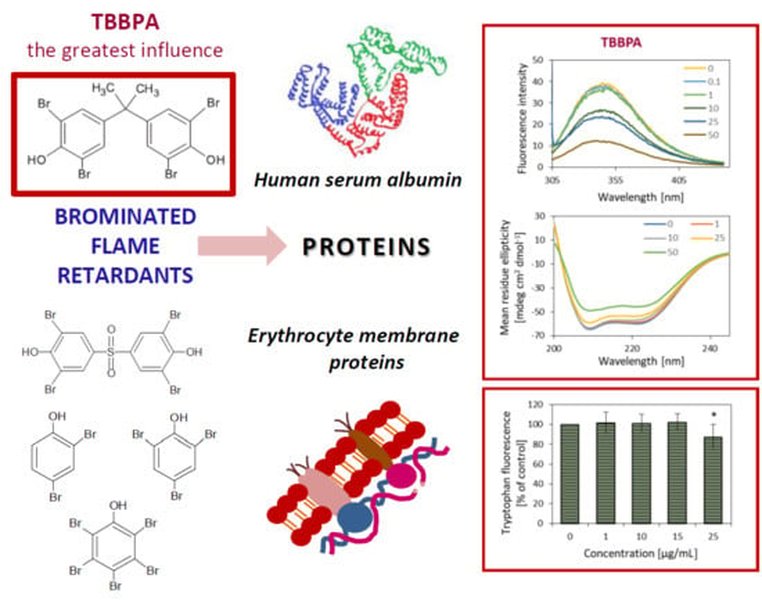
Visualization of brominated compound interactions with membrane surfaces showing the molecular arrangement and binding mechanisms.
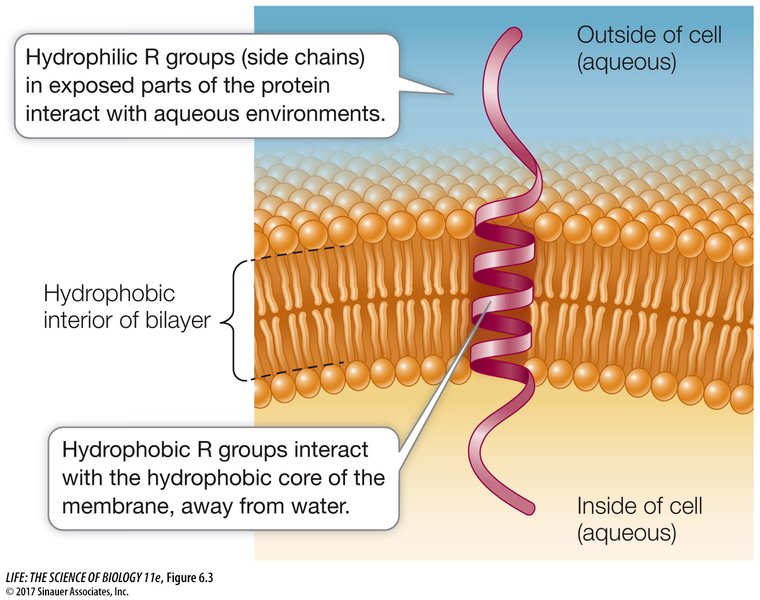
Illustration of hydrophobic interactions between non-polar molecules and membrane surfaces, demonstrating the principles applicable to brominated compounds.
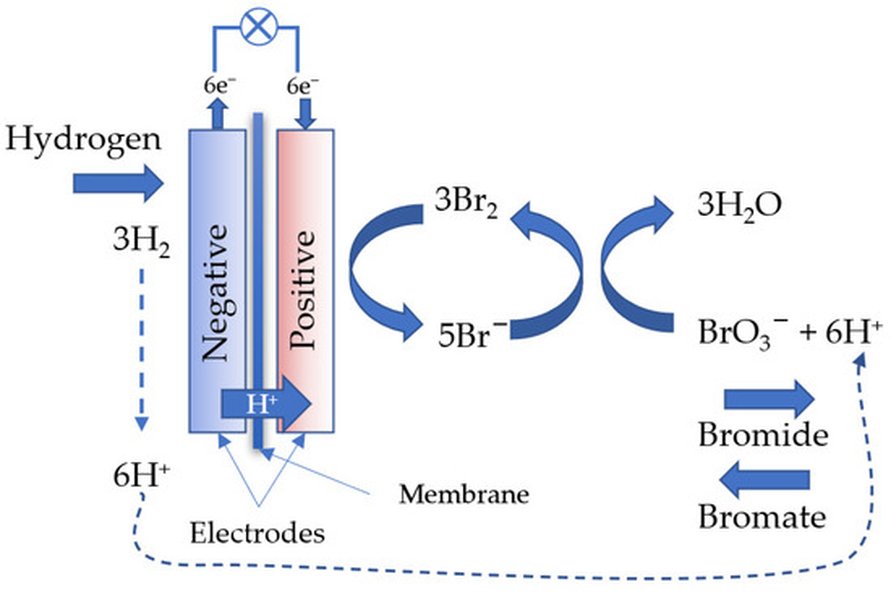
Bromine crossover analysis in membrane systems, showing the movement and interaction patterns of bromine-containing compounds.
These visualizations provide insight into the molecular-level interactions between brominated compounds and membrane surfaces. The images illustrate how bromine atoms influence molecular arrangement, hydrophobic interactions, and membrane permeation processes, supporting the statement that bromine incorporation enhances hydrophobicity and membrane affinity.
Experimental Evidence and Applications
Case Studies in Membrane Science
Research in membrane science has provided substantial evidence supporting the enhanced adsorption of brominated compounds on hydrophobic surfaces:
Polyamide Nanofiltration Membranes
Studies on polyamide nanofiltration membranes have demonstrated that bromine incorporation alters the membrane's surface properties, increasing its hydrophobicity and changing its charge characteristics. These modifications result in enhanced affinity for hydrophobic compounds, leading to increased adsorption and potentially reduced rejection rates.
Hydrophobic Microporous Membranes
Investigations on hydrophobic microporous membranes have shown that these membranes exhibit lower mass transfer resistance for brominated compounds compared to hydrophilic alternatives. This observation supports the concept that bromine enhances hydrophobic properties, facilitating better adsorption on membrane surfaces.
Applications in Water Treatment
The understanding of bromine's effect on hydrophobicity and membrane interactions has practical applications in water treatment technologies:
Removal of Brominated Contaminants
Knowledge of the adsorption behavior of brominated compounds guides the development of effective membrane-based systems for removing these contaminants from water sources. The enhanced hydrophobic interactions can be leveraged for targeted separation processes.
Membrane Modification Strategies
Insights into how bromine affects membrane interactions inform strategies for modifying membrane surfaces to either enhance or mitigate adsorption, depending on the specific application requirements.
Frequently Asked Questions
References
- Degradation of Polyamide Nanofiltration Membranes by Bromine - ACS Publications
-
Adsorption of endocrine-disrupting compounds by UF, NF, and RO membranes - Science Direct
- Performance study of bromine extraction by membrane absorption on hydrophobic microporous membranes - Research Gate
-
Adsorption behavior of brominated organic compounds onto hydrophobic membranes - Science Direct
-
The role of halogen bonding in the design of functional supramolecular materials - PMC
- Fouling behavior of nanofiltration membranes caused by pharmaceutically active compounds - PubMed
-
Overview of bromination and properties of bromine compounds - Science Direct
Recommended Searches
Last updated April 9, 2025