
Exploring the Potential Interactions Between Cannabinoids and SARS-CoV-2
Investigating the Scientific Findings on Cannabis Compounds and COVID-19
Key Insights
- Cannabinoid acids CBDA and CBGA have shown the ability to bind to the SARS-CoV-2 spike protein, potentially blocking a critical step in viral entry into human cells in laboratory settings.
- Research indicates that certain cannabinoids, particularly CBD and CBG, possess anti-inflammatory properties that may help mitigate the excessive inflammatory response associated with severe COVID-19, often referred to as a "cytokine storm."
- Studies suggest that high-CBD Cannabis sativa extracts may influence the expression of ACE2 and TMPRSS2 receptors, which are utilized by SARS-CoV-2 for cellular entry.
Recent scientific investigations have explored the potential interactions between cannabinoids, compounds found in the Cannabis sativa plant, and the SARS-CoV-2 virus, which causes COVID-19. These studies delve into various mechanisms by which cannabinoids might influence viral infection and the body's response to it, including effects on the viral spike protein, inflammatory pathways, and cellular receptors involved in viral entry. While research is ongoing and primarily conducted in laboratory or animal models, the findings offer intriguing possibilities for further investigation into the therapeutic potential of certain cannabinoids in the context of COVID-19.
Cannabinoids and the SARS-CoV-2 Spike Protein
Blocking Viral Entry at the Cellular Level
A significant area of research has focused on the ability of cannabinoids to interact with the SARS-CoV-2 spike protein. This protein is crucial for the virus to attach to and enter human cells. Studies, including research conducted at Oregon State University, have investigated how specific cannabinoids might interfere with this process.
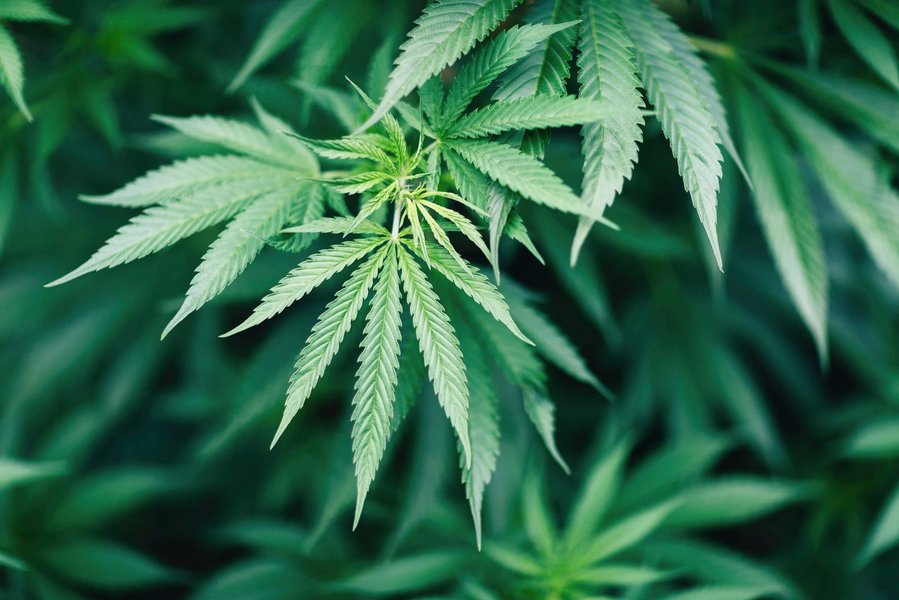
A close-up of a Cannabis sativa plant.
Binding to the Spike Protein
Several studies have demonstrated that certain cannabinoid acids, specifically cannabidiolic acid (CBDA) and cannabigerolic acid (CBGA), found in hemp (Cannabis sativa), can bind to the SARS-CoV-2 spike protein. This binding action is thought to potentially prevent the spike protein from effectively attaching to the ACE2 receptors on human cells, a critical step for the virus to gain entry and initiate infection.
Research has indicated that this binding can occur at both allosteric and orthosteric sites on the spike protein, suggesting multiple potential mechanisms of interaction. The affinity of CBDA and CBGA for the spike protein has been reported in the micromolar range in some studies. These findings suggest a potential avenue for preventing viral entry, which is a different strategy compared to targeting the virus after it has entered the cell.
It's important to note that much of this research has been conducted using in vitro studies, meaning experiments performed in laboratory settings using cells. While these results are promising, they do not directly translate to effects in the human body. Further research, including human clinical trials, is necessary to determine if these findings hold true and are therapeutically relevant in people.
Comparing Different Cannabinoids
Studies have also compared the binding affinities of various cannabinoids to the spike protein. While CBDA and CBGA have shown significant affinity, other cannabinoids like CBD and CBG in their non-acidic forms (after decarboxylation, which typically occurs when heated) have been reported to have less or no significant binding affinity to the spike protein in some studies focusing on this specific mechanism. However, CBD and CBG are being investigated for other potential therapeutic effects related to COVID-19, such as their anti-inflammatory properties.
Cannabinoids and the Inflammatory Response
Modulating the Body's Reaction to Infection
Beyond potentially blocking viral entry, another key area of research concerns the impact of cannabinoids on the body's inflammatory response to SARS-CoV-2 infection. Severe cases of COVID-19 are often associated with an overactive immune response, leading to excessive inflammation and what is known as a "cytokine storm."
An abstract depiction of inflammation within the body.
Anti-Inflammatory Properties of CBD and CBG
Cannabidiol (CBD) and Cannabigerol (CBG) are two non-psychoactive cannabinoids that have been extensively studied for their anti-inflammatory properties. Research suggests that these compounds may help to reduce the production of pro-inflammatory cytokines, which are signaling molecules that can contribute to the cytokine storm observed in severe COVID-19.
Studies, including some conducted by the Israel Institute for Biological Research and others, have explored the mechanisms by which CBD and CBG exert their anti-inflammatory effects. These mechanisms may involve interactions with various receptors and pathways within the immune system. For example, some research suggests that CBG may reduce nitric oxide production in macrophages and decrease the formation of reactive oxygen species (ROS) in intestinal epithelial cells.
While the anti-inflammatory effects of CBD are more widely studied, emerging research also highlights the significant anti-inflammatory potential of CBG. These properties suggest that CBD and CBG might play a role in mitigating the severity of COVID-19 symptoms related to excessive inflammation, particularly in the lungs and other affected tissues.
Impact on Cytokines and Clotting
The reduction of pro-inflammatory cytokines by cannabinoids like CBD and CBG could potentially help to prevent or lessen the severity of the cytokine storm. Furthermore, some research suggests that cannabinoids might have an impact on factors related to blood clotting, another complication observed in severe COVID-19 cases. However, the mechanisms and clinical significance of these effects require further investigation.
The potential for cannabinoids to modulate inflammation and clotting pathways makes them candidates for further research into their therapeutic use as an adjunctive therapy in managing the inflammatory and thrombotic complications of COVID-19.
Modulation of ACE2 and TMPRSS2 Receptors
Influencing the Cellular Entry Points of SARS-CoV-2
SARS-CoV-2 primarily enters human cells by binding to the Angiotensin-converting enzyme 2 (ACE2) receptor and utilizing the transmembrane serine protease 2 (TMPRSS2) for spike protein priming. Research has investigated whether cannabinoids, particularly extracts from high-CBD Cannabis sativa cultivars, can modulate the expression of these receptors.
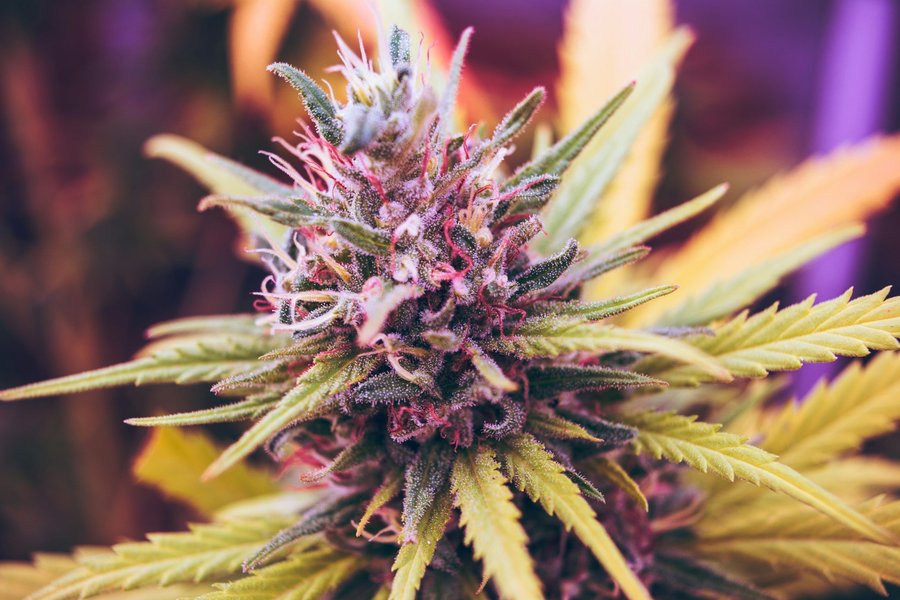
Close-up of cannabis calyxes, known for their high concentration of cannabinoids.
High-CBD Extracts and Receptor Expression
Studies using artificial 3D human tissue models of oral, airway, and intestinal tissues have explored the effects of various high-CBD Cannabis sativa extracts on ACE2 and TMPRSS2 expression. Some of these extracts have shown the ability to down-regulate the levels of these proteins, suggesting a potential mechanism to reduce the rate at which SARS-CoV-2 can enter target cells.
This modulation of receptor expression is distinct from the direct binding to the spike protein. It suggests that cannabinoids or compounds within cannabis extracts might influence the cellular machinery responsible for producing these receptors, thereby making cells less susceptible to viral infection.
Research has also explored the role of specific cannabinoids, including CBD and THC, and terpenes in modulating ACE2 and TMPRSS2 expression. Some studies indicate that high-CBD/low-THC cannabis extracts may downregulate ACE2 and TMPRSS2 through specific molecular pathways, such as those involving miR-200c-3p and let-7a-5p, via the AKT pathway. These findings point to complex interactions between cannabis compounds and cellular processes involved in viral entry.
The Endocannabinoid System and Immune Harmony
Potential Interactions and Regulation
The endocannabinoid system (ECS) is a complex regulatory system in the human body that plays a role in maintaining homeostasis, including aspects of immune function and nerve repair. Given the potential interactions of cannabinoids with the body's response to SARS-CoV-2, researchers are also considering the role of the ECS.
ECS and COVID-19
Some hypotheses suggest that SARS-CoV-2 infection might disrupt the normal functioning of the ECS. If this disruption occurs, cannabinoids from external sources (phytocannabinoids) could potentially interact with the ECS to help restore balance and support immune harmony and potentially aid in nerve repair, although this area requires significant further research.
The potential therapeutic role of cannabinoids in limiting the susceptibility and severity of infection, both during the initial stages and in the context of long COVID-19 symptoms, is an active area of investigation that includes exploring their interaction with the ECS.
Summary of Potential Mechanisms
Multiple Avenues of Interaction
The research discussed suggests several potential mechanisms by which cannabinoids might interact with SARS-CoV-2 infection and its effects on the body. These mechanisms are not mutually exclusive and could potentially work in combination.
| Potential Mechanism | Key Cannabinoids Involved | Description | Relevance to COVID-19 |
|---|---|---|---|
| Spike Protein Binding | CBDA, CBGA | Binding to the SARS-CoV-2 spike protein to potentially block cellular entry. | May help prevent initial infection or reduce viral load. |
| Anti-inflammatory Effects | CBD, CBG | Reducing the production of pro-inflammatory cytokines and mitigating excessive inflammation. | May help prevent or reduce the severity of cytokine storm and associated tissue damage. |
| Modulation of ACE2 and TMPRSS2 | High-CBD Extracts, CBD, THC, Terpenes | Influencing the expression levels of receptors used by the virus for cellular entry. | May reduce the susceptibility of cells to infection. |
| Interaction with Endocannabinoid System | Various Cannabinoids | Potential role in restoring immune harmony and supporting nerve repair following viral disruption. | May influence the body's overall response and recovery. |
This table summarizes the main potential mechanisms of action currently being explored in the scientific literature regarding cannabinoids and COVID-19. It's crucial to remember that these are areas of ongoing research, and the clinical implications for human health are yet to be fully established.
Further Research and Clinical Trials
Bridging the Gap to Human Application
While the findings from laboratory and animal studies are promising and provide a scientific basis for further investigation, it is essential to emphasize the need for rigorous human clinical trials. These trials are necessary to determine the safety, efficacy, and optimal dosage of specific cannabinoids for preventing or treating COVID-19 in humans.
Need for Human Studies
The transition from in vitro or animal studies to human application is a critical step in medical research. Factors such as how cannabinoids are metabolized in the human body, potential interactions with other medications, and the varying responses among individuals must be carefully evaluated in clinical settings.
An abstract representation of scientific research and data analysis.
Researchers are calling for clinical trials to assess whether CBD could be used as a preventative measure or an early treatment for COVID-19 based on the promising data observed in initial studies. These trials will be crucial in determining the real-world potential of cannabinoids in the fight against the pandemic.
Regulatory and Historical Context
The historical prohibition of cannabis has significantly impacted research into its potential medical applications. The statement that cannabis was banned "because it defends you" is a perspective rooted in the plant's historical legal status and its potential therapeutic properties. While the reasons for cannabis prohibition are complex and multifaceted, involving social, economic, and political factors, the emergence of scientific findings regarding the potential health benefits of cannabinoids highlights the importance of objective, evidence-based research in informing public health policies.
Frequently Asked Questions
Can consuming cannabis prevent or treat COVID-19?
Based on current research, primarily conducted in laboratory settings, certain cannabinoid acids like CBDA and CBGA have shown the potential to block SARS-CoV-2 entry into cells. However, this research is preliminary, and there is no scientific evidence to support that consuming cannabis in its typical forms (smoking, edibles, etc.) will prevent or treat COVID-19. Further human clinical trials are needed.
Which cannabinoids are most promising for COVID-19 research?
Current research highlights the potential of cannabinoid acids like CBDA and CBGA for their ability to interact with the SARS-CoV-2 spike protein and the non-psychoactive cannabinoids CBD and CBG for their anti-inflammatory properties.
How do cannabinoids affect the ACE2 and TMPRSS2 receptors?
Some studies suggest that high-CBD Cannabis sativa extracts may down-regulate the expression of ACE2 and TMPRSS2, which are receptors used by SARS-CoV-2 for cellular entry. This effect is thought to occur through specific molecular pathways.
Is the endocannabinoid system involved in the body's response to COVID-19?
There is a hypothesis that SARS-CoV-2 infection might disrupt the endocannabinoid system. Research is exploring whether cannabinoids could interact with the ECS to help regulate immune function and potentially aid in recovery.
Are there human clinical trials investigating cannabinoids for COVID-19?
Researchers are recommending and pursuing human clinical trials to investigate the potential of specific cannabinoids, such as CBD, for preventing or treating COVID-19 based on promising preclinical data.
Recommended Further Reading
- Mechanisms of cannabinoid interaction with SARS-CoV-2 spike protein
- Anti-inflammatory effects of CBD and CBG in viral infections
- Cannabinoids and ACE2 TMPRSS2 receptor modulation
- Role of endocannabinoid system in COVID-19
References
Last updated May 17, 2025