
Unlock Poultry Profits: 15 Game-Changing Ways to Slash Your Chicken Feed Costs
Discover how backyard chicken keepers and small-scale farmers can save up to 70% on feed costs while maintaining healthy, productive flocks
Essential Feed Cost-Saving Strategies
- Free-ranging can reduce commercial feed needs by 15-20% while improving egg quality through natural foraging
- Fermentation and sprouting increases feed nutrient density by up to 50% and improves digestibility
- Strategic use of food waste and local resources can cut feed costs while creating a sustainable chicken feeding system
As chicken feed prices continue to rise, finding affordable feeding solutions has become crucial for maintaining profitable flocks. This guide explores proven strategies that work for both backyard keepers and small commercial operations, combining traditional wisdom with modern innovations to dramatically reduce your feed expenses.
Free-Range Foraging: Nature's Buffet
Free-ranging is perhaps the most cost-effective feeding method, allowing chickens to express natural behaviors while supplementing their diet with foraged nutrition. When given access to diverse pasture, chickens will consume insects, seeds, grass, and small plants that can provide up to 20% of their daily nutritional requirements.
Implementing Effective Free-Range Systems
For those with limited space or predator concerns, these controlled foraging methods offer excellent alternatives:
Chicken Tractors
Mobile enclosures that allow you to direct where chickens forage. They provide protection while allowing chickens to access fresh ground daily. Move them every 1-2 days to prevent overgrazing and maximize nutrition.
Rotational Grazing
Divide your chicken yard into sections and rotate access, allowing vegetation to recover between grazing periods. This mimics regenerative farming practices and ensures continuous access to fresh forage.
Forage-Friendly Plantings
Intentionally planting chicken-friendly crops like clover, alfalfa, comfrey, and sunflowers can create a self-sustaining food source. These plants provide protein, vitamins, and minerals while reducing feed costs.
Feed Enhancement Techniques
These methods transform ordinary grains and seeds into nutrition-packed superfoods for your flock, maximizing every dollar spent on feed.
Fermentation: The Probiotic Powerhouse
Fermenting feed is a simple process that increases the nutritional value of standard chicken feed by introducing beneficial bacteria. This process breaks down anti-nutrients, increases vitamin content, and improves digestibility.
To ferment feed:
- Place regular feed in a food-grade bucket
- Add enough water to cover the feed completely (prevents mold)
- Cover with a loose-fitting lid to allow gases to escape
- Let sit for 3-5 days, stirring daily
- Feed is ready when it has a pleasant, tangy smell (similar to sourdough)
Fermented feed typically reduces overall consumption by 15-20% while improving egg quality and gut health.
Sprouting: Living Feed for Pennies
Sprouting grains multiplies their volume and nutritional content significantly. One pound of grain can produce up to 7 pounds of sprouts, creating substantial feed savings.
Common sprouting options:
- Wheat, barley, and oats (easiest to sprout)
- Sunflower seeds (high in protein)
- Lentils and peas (excellent protein sources)
Basic sprouting method:
- Soak seeds overnight in water
- Drain and rinse thoroughly
- Spread in a shallow container with drainage
- Rinse twice daily
- Ready to feed in 5-7 days when sprouts reach 1-3 inches
Alternative Protein Sources
Protein is typically the most expensive component of chicken feed. These alternative sources can provide high-quality protein at a fraction of the cost of commercial feed.
DIY Protein Production
Mealworm Farming
Mealworms are easy to raise in a small space and provide excellent protein. A simple setup requires plastic containers with oats or wheat bran as bedding. The complete life cycle takes about 3 months, but once established, provides a continuous harvest.
Maggot Buckets
While not for the squeamish, a "maggot bucket" can provide substantial protein. Create by drilling holes in the bottom of a bucket, placing it over another bucket, and adding fish scraps or meat waste to the top bucket. Flies lay eggs, maggots develop and eventually fall through the holes into the clean collection bucket below.
Black Soldier Fly Larvae
These insects convert food waste into protein-rich larvae with minimal odor. Commercial systems are available, but DIY versions can be made using stacked buckets with drainage holes between them.
Utilizing Local Resources
Building relationships with local food businesses can provide access to nutritious food waste that would otherwise be discarded:
- Bakeries: Day-old bread, pastries, and dough (limit to 10% of diet)
- Restaurants: Vegetable trimmings and plate scrapings
- Grocery stores: Produce past selling date but still nutritious
- Breweries: Spent grain high in protein and fiber
- Farmers markets: Unsold produce at day's end
Feed Cost Comparison
Understanding the relative cost and nutritional value of different feeding strategies can help you make informed decisions for your flock.
| Feeding Method | Cost per Pound ($) | Protein Content (%) | Benefits | Limitations |
|---|---|---|---|---|
| Commercial Layer Feed | 0.30-0.60 | 16-18% | Complete nutrition, convenient | Expensive, may contain fillers |
| Fermented Commercial Feed | 0.25-0.50 | 17-19% | Enhanced nutrition, better digestion | Requires daily preparation |
| Sprouted Grains | 0.10-0.20 | 10-15% | Living food, increased nutrients | Labor intensive, space needed |
| Free Range + Supplement | 0.15-0.30 | Varies | Natural diet, exercise, lower cost | Seasonal, predator risk |
| DIY Feed Mix | 0.20-0.40 | 14-17% | Control over ingredients | Requires nutritional knowledge |
| Kitchen Scraps | 0.00-0.05 | Varies | Free, reduces waste | Inconsistent nutrition |
| Insect Protein (DIY) | 0.10-0.20 | 45-65% | High protein, sustainable | Setup costs, management needed |
Feeding Strategy Effectiveness
This radar chart compares different feeding strategies across key factors including cost-effectiveness, nutritional value, labor requirements, scalability, and seasonal reliability. Understanding these trade-offs can help you select the optimal combination of methods for your specific situation.
DIY Feed Efficiency Systems
Properly designed feeders can dramatically reduce waste and save money. Commercial chickens can waste up to 20% of their feed through scratching and spillage. These DIY solutions minimize waste while being inexpensive to build.
No-Waste PVC Feeders
These simple feeders can be made for under $20 using PVC pipe and a few fittings. They prevent chickens from scratching out feed and protect it from rain and pests. A basic design uses 4" PVC pipe with feeding ports cut into the sides and can hold enough feed for several days.
Treadle Feeders
These clever devices open only when a chicken stands on a platform, keeping out rodents and wild birds. While commercial versions can be expensive, DIY designs using wood and simple hardware can be built for around $30-40.
Automatic Feeders
For those who can't attend to their flock daily, automatic feeders dispense a measured amount of feed at scheduled times. DIY versions can be made using timers and simple mechanisms, reducing labor and preventing overfeeding.
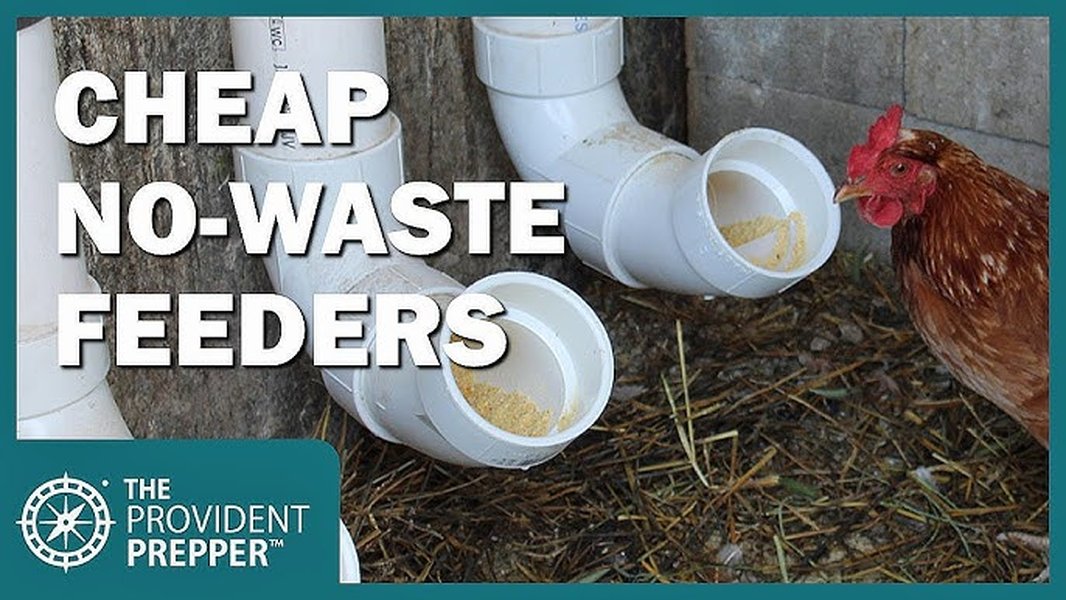
An inexpensive DIY chicken feeder designed to reduce waste and save money on feed costs
Comprehensive Feeding Strategy Mindmap
This mindmap illustrates how various feeding methods can be integrated into a comprehensive strategy, allowing you to leverage multiple approaches based on your specific situation, resources, and goals.
Expert Video Demonstration
This detailed video tutorial demonstrates practical ways to create inexpensive feed mixes using locally available ingredients. The presenter shares step-by-step instructions for formulating balanced chicken feed that costs significantly less than commercial options while maintaining nutritional quality.
Frequently Asked Questions
References
- How to Save Money on Chicken Feed - Organic Feeds
- 10 Cheap Chicken Feed Ideas That Will Save You Money - Insteading
- 13 Ridiculously Easy Ways to Save Money on Chicken Feed - Backyard Chicken Project
- 41 Cheap Chicken Feed Ideas That Will Save You Money - The Homesteading Hippy
- 20 Ways to Save Money on Chicken Feed - The Prairie Homestead
- How to Feed Chickens on the Cheap - ABC News
- 20 Ideas To Feed Your Chickens Without Buying Feed - New Life on a Homestead
Recommended Searches
Last updated April 8, 2025