
Economic Developments in China Post-2024 Economic Addresses
A detailed exploration of growth trends, policy measures, and domestic consumer impacts
Highlights
- Domestic Demand and Consumption Focus: Major efforts to stimulate household consumption and consumer confidence.
- Macro Policy Shifts: A mix of fiscal, monetary, and real estate reforms aimed at stabilizing and invigorating the economy.
- Strategic Structural Reforms: A series of initiatives to modernize economic systems and support technological innovation.
Overview of Key Economic Themes
In the wake of Xi Jinping's 2024 economic addresses, China has pursued a broad-scale strategy aimed at stimulating its domestic economy, particularly by fortifying the consumer market. The government recognized early on that a robust domestic demand could help balance economic growth amid global uncertainties and external trade pressures. Since the speeches, a series of targeted actions have been implemented to revive consumer confidence, stabilize critical sectors like real estate, and adjust fiscal and monetary policies.
Strategic Emphasis on Domestic Consumption
One of the central messages from Xi Jinping’s addresses was to bolster domestic consumption as a vital engine of economic growth. Acknowledging that subdued consumer demand was contributing to overall economic stagnation, the government embarked upon several initiatives:
Fiscal and Monetary Stimulus Measures
To jump-start consumer spending, the Chinese government increased fiscal spending by planning to expand the fiscal deficit ratio to around 4% of GDP for the coming year. These measures are complemented by a recently adopted “moderately loose” monetary policy, marking the first significant easing in 14 years. Interest rate cuts and additional liquidity support were introduced as part of the broader stimulus package, which was generally aimed at increasing availability of funds for both consumers and businesses.
Consumption-Specific Initiatives
Direct initiatives have also targeted the consumer sector. Rural and urban households have seen measures such as:
- Direct financial assistance to households to bolster purchasing power.
- Incentives aimed at reviving spending on durable goods such as automobiles and electronics.
- Subsidies and enhancements to social safety nets, including augmented pension schemes and medical insurance, particularly focusing on middle- and lower-income groups.
These initiatives are designed to help reverse the downward trend in consumer confidence and stimulate spending, a key component of the overall recovery strategy.
Real Estate and Infrastructure Adjustments
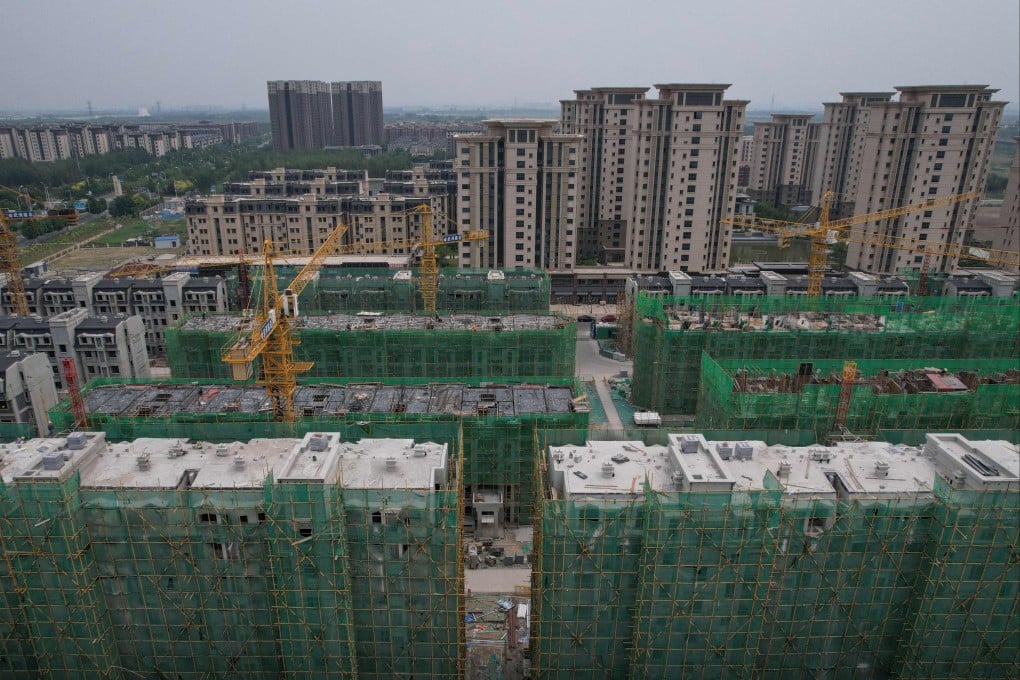
A significant part of the economic challenges identified in the 2024 addresses was the underperformance of the real estate market. Recognizing the central role that real estate plays in economic activity, the Chinese government introduced several key measures to address these structural weaknesses.
Market Stabilization Efforts
The strategies adopted for the stabilization of the real estate market include a range of policy interventions:
Relaxation of Demand-Restricting Policies
Authorities implemented measures to relax overly restrictive demand policies, making it more feasible for buyers to enter the market. This step is intended to boost sales and restore confidence in the property market.
Enhanced Financing for Projects
In an effort to catalyze real estate development, the government increased financing opportunities for approved (whitelisted) projects. Accelerated financing has supported developers in restarting stalled projects, particularly in the affordable housing sector.
Promotion of Urban Renewal
Urban renewal projects have been prioritized as a means to both stimulate construction activity and upgrade aging infrastructure. These initiatives have broad social and economic implications as they create jobs, attract private investment, and improve urban living conditions.
| Action Area | Measures Implemented | Impact Observed |
|---|---|---|
| Policy Relaxation | Loosening of demand restrictions, easing regulations | Increased market participation |
| Financing Support | Boosted loans for real estate projects | Improved project completions and investments |
| Urban Renewal | Accelerated redevelopment programs | Job creation and infrastructural modernization |
While early indicators suggest stabilization in the stock and real estate markets, challenges remain. The overall structural deficiencies in these sectors require ongoing reforms to ensure sustainable growth. The initial results are promising, yet the full impact may take more time to stabilize.
Innovations and Structural Reforms
Beyond immediate fiscal and monetary measures, China has been actively pursuing structural reforms to ensure long-term economic resilience. These reforms aim to drive innovation, support private enterprise, and create a cohesive market environment.
Technological and Industrial Investments
With an eye toward the future, the Chinese government has committed substantial investments into technological fields such as artificial intelligence (AI), green technologies, and digital infrastructure. The emphasis on technology not only aspires to boost productivity and competitiveness but also contributes significantly to long-term domestic consumption by opening up new avenues for job creation and innovation.
Private Sector Support
Recognizing the potential of the private sector as a driver of economic dynamism, policies have been enacted to improve market access and operational conditions for private enterprises. Forums with top business leaders and a series of supportive measures were designed to foster an environment that encourages innovation and entrepreneurial ventures.
Economic Opening and Trade Diversification
Addressing external trade pressures has also been a critical element of China’s post-2024 strategy. While there are concerns about increased tariffs and uncertain trade relations with some major economies, China is actively working on diversifying its export markets. Efforts include expanding trade relationships with emerging markets and adjusting export policies to be more adaptive in a rapidly shifting global trade environment.
Unified National Market Initiatives
In a bid to further support domestic economic activities, China has initiated measures aimed at creating a unified national market. Such reforms are anticipated to dismantle regional trade barriers, promote free movement of goods, and boost overall market efficiency.
Assessing the Effectiveness of the Initiatives
Evaluating the impact of the policies implemented since the 2024 addresses involves examining a variety of economic indicators. Although the overall GDP growth target of around 5% has been met in 2024, underlying issues such as subdued domestic demand, a weakening real estate market, and persistent structural imbalances are still in need of resolution.
Measurable Outcomes
Early outcomes of the implemented measures indicate certain positive trends:
- Economic Growth Targets: Despite ambitious growth targets, robust domestic reforms are required to solidify and sustain the momentum. Preliminary data suggests that while the economy hit the 5% target, there are diversions in the effectiveness of stimulus measures.
- Consumer Confidence and Spending: Efforts to stimulate household consumption have made some headway with targeted subsidies and consumer incentives. However, persistent low consumer confidence and challenges in reversing deflationary pressures indicate that more comprehensive measures in consumer policy could be needed.
- Real Estate Stabilization: Strategic relaxations and financing support in the property market have contributed to market stabilization. Yet, the recovery is uneven, and sustaining mid-to-long term growth will depend on resolving deeper structural issues.
Challenges and Considerations
Despite the visible progress in some key areas, significant challenges remain:
- Structural Reforms: Addressing the chronic imbalances in consumption and production requires persistent long-term strategies beyond short-term stimulus.
- External Trade Pressures: With shifting global trade dynamics, particularly possible tariff increases and external economic uncertainties, China remains vigilant in its trade policy adjustments.
- Policy Implementation: The full success of proactive fiscal and monetary policies depends critically on consistent and effective implementation across regional and sectoral levels.
Several economic analysts caution that while initial indicators are promising, the complete reversal of long-standing challenges such as subdued domestic consumption and the cooling of the real estate market may require a longer transition period. In this context, ongoing reforms and adaptive policymaking remain essential factors in achieving balanced and sustainable growth.
Economic Outlook and Future Considerations
Looking ahead to 2025 and the near future, China is expected to sustain an economic growth target near 5%, but external conditions and internal reforms will play a central role in shaping longer-term economic dynamics. A balanced approach to stimulating domestic demand while maintaining fiscal prudence could pave the way for more resilient economic stability.
Emerging Trends and Policy Adjustments
Besides focusing on immediate policy stimulus, several emerging trends are likely to influence China’s economic trajectory:
- Continued emphasis on technological innovation and high-tech industry investments, which are set to reshape domestic production capabilities and employment landscape.
- Further structural reforms aimed at streamlining regulatory policies and establishing a unified national market to counteract regional disparities.
- Strategic efforts to boost confidence among consumers and small-to-medium enterprises through tailored policy support and fiscal incentives.
Adapting to Global Economic Pressures
As global trade conditions evolve, China’s adaptive strategies in diversifying export markets and enhancing its domestic market resilience will be essential. The interplay between internal reforms and external adjustments will determine the pace at which broader economic recovery can be consolidated.
Additional Economic Metrics and Developments
Alongside the core focus on domestic consumption and real estate, other significant economic metrics and policy developments have contributed to the overall narrative:
Employment and Social Safety Nets
Addressing youth unemployment and overall job creation has been a continuing focus. The government has supported vocational training programs and entrepreneurship initiatives, which are expected to stimulate job growth while boosting the middle class. This, in turn, is essential for raising aggregate consumer demand.
Balance between Short-Term Stimulus and Long-Term Structural Health
The delicate balance between using immediate fiscal and monetary stimulus and committing to long-term structural reforms remains a key policy challenge. An appropriate mix of these strategies is necessary to avoid short-term overheating of certain sectors while ensuring that foundational economic weaknesses, such as regional imbalances and aging infrastructure, are gradually addressed.
Monitoring Key Economic Indicators
Continuous monitoring of consumer price indices, GDP growth rates, employment statistics, and property market trends will provide valuable insights into the effectiveness of current policies. The government remains agile in updating policies in response to these indicators, a strategy that is crucial for navigating uncertainties in both domestic and international spheres.
References
- Xi delivers important speech at Central Economic Work Conference - Xinhua
- China's Economy Took Center Stage in Xi’s New Year Address - The Diplomat
-
China's Xi pledges more proactive economic policies in 2025 - Reuters
- China’s 2025 Economy: Can bold policies drive a turnaround? - CEIBS
- Four trends shaping China’s trajectory in 2025 - IMD
- China's economy rallies to reach growth target, 2025 outlook remains uncertain - US China Association
- Unlocking Domestic Demand Key to Reviving Growth Momentum - World Bank
- Overview of China's Economic Landscape in 2025 - Mondaq
- After the Fall: China's Economy in 2025 - Rhodium Group
- World Bank Homepage - World Bank
Recommended Related Queries
Last updated March 1, 2025