
Discovering the Foundations of Civil Engineering
Exploring how infrastructure shapes society through applied science and design
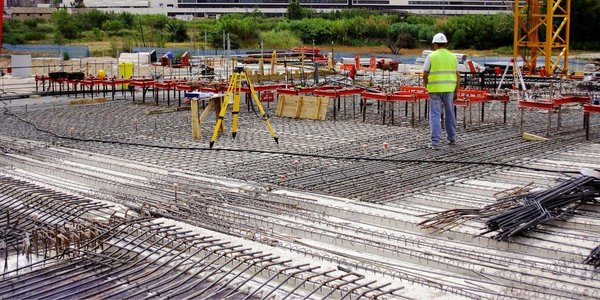
Key Highlights
- Integrated Infrastructure Design: Civil engineering applies principles from physics, mathematics, and materials science to design safe and sustainable structures.
- Societal Impact: The field is pivotal in creating and maintaining infrastructure that supports everyday life and public welfare.
- Multidisciplinary Nature: It encompasses sub-disciplines like structural, geotechnical, transportation, and environmental engineering to address diverse challenges.
Understanding Civil Engineering as a Discipline
A Broad Overview
Civil engineering is a professional discipline centered around the design, construction, and maintenance of the physical and naturally built environment. This field covers a wide array of projects that include roads, bridges, canals, dams, airports, sewage systems, pipelines, and the structural components of buildings. It is a discipline that emerged as a distinct branch of engineering during the 18th century, distinguishing itself from military engineering by focusing on civilian infrastructure.
The essence of civil engineering lies in its integration of scientific and engineering principles to solve societal challenges. It combines theoretical knowledge with practical implementation, ensuring that the infrastructure not only meets technical standards but also addresses public safety, economic vitality, and environmental sustainability. By employing a multidisciplinary approach, civil engineers develop solutions that are both innovative and grounded in proven scientific methodologies.
Key Components and Concepts
Design and Construction
One of the primary aspects of civil engineering is the design and construction of infrastructure. Civil engineers work meticulously on the planning stages, incorporating rigorous calculations, design standards, and safety regulations to produce reliable blueprints. This phase is crucial in ensuring that the structures withstand various loads, environmental conditions, and unforeseen events. The design process often involves collaboration among architects, engineers from various disciplines, and construction experts to create functional and aesthetically pleasing structures.
The construction phase then brings these designs to life, requiring precise execution, quality control, and adherence to established timelines and budgets. The combination of these efforts ensures that the final structure is safe, durable, and meets both immediate and long-term community needs.
Maintenance and Operational Sustainability
Beyond initial construction, civil engineering extends into the maintenance and lifecycle management of infrastructure. This includes regular inspections, repairs, and updates to existing systems to ensure their longevity and operational effectiveness. Civil engineers apply various techniques to monitor the condition of structures, using both traditional methods and modern technology, such as sensors and data analysis tools, to predict and prevent potential failures.
The operational phase of infrastructure involves systematic management of public assets to ensure reliability, public safety, and compliance with environmental standards. This emphasis not only reduces long-term operational costs but also enhances community trust in public services and supports sustainability initiatives.
Multidisciplinary Integration
A defining feature of civil engineering is its inherently multidisciplinary approach. At its core, the discipline draws upon principles of physics, mathematics, materials science, and environmental science. Each of these fundamental areas contributes a vital component to understanding how structures will behave under different conditions, how materials perform over time, and what environmental impacts may arise from large-scale projects.
Additionally, specialized sub-disciplines such as geotechnical engineering (which examines soil and rock properties), structural engineering (focused on the strength and stability of structures), transportation engineering (designing and managing transport networks), and environmental engineering (addressing ecological impacts and water resource management) demonstrate the diversity and depth of civil engineering. This integrated approach ensures that solutions are robust and compliant with evolving codes and standards.
Meaning of Civil Engineering in Context
Definition and Scope
Civil engineering is concerned with the development, construction, and maintenance of the monumental infrastructure that is essential for modern living. It is fundamentally about “building the world” we inhabit—bridging the gap between theoretical science and practical applications that serve everyday communities. The meaning of civil engineering transcends the construction of buildings and roads, as it also involves creating systems that promote environmental well-being, accessibility, and efficiency.
The significance of civil engineering is evident in the way it transforms conceptual designs into essential public works that support economic development and enhance quality of life. Through the meticulous application of engineering principles, civil engineers evaluate and manage projects that range from large-scale urban development to the restoration and enhancement of small community facilities.
Historical Perspective and Evolution
Tracing its roots back to ancient civilizations, civil engineering has been instrumental in the construction of monumental structures such as aqueducts, roads, and temples, which required a deep understanding of mathematics and materials. As societies advanced, so too did the complexity and scale of civil engineering projects. From the Roman aqueducts to the modern skyscrapers and expansive highway systems, civil engineering has evolved to meet the growing demands of urbanization and technological innovation.
Today, modern civil engineering is at the forefront of addressing contemporary challenges, such as the need for sustainable growth, efficient public transportation, and infrastructure resilience in the face of natural disasters. This evolution is driven by continuous research, innovative materials, and advancements in construction technology, all of which underscore the discipline’s commitment to improving how societies function.
Detailed Insights into Civil Engineering Sub-disciplines
Sub-Disciplines and Their Impacts
Civil engineering is not a monolithic field; instead, it is composed of multiple specialized areas that focus on different aspects of infrastructure development. The primary sub-disciplines include:
| Sub-discipline | Focus Area | Key Responsibilities |
|---|---|---|
| Structural Engineering | Design and analysis of building frameworks | Ensure stability, strength, and integrity of structures |
| Geotechnical Engineering | Investigation of soil and rock behavior | Foundation design, slope stability, and earthworks |
| Transportation Engineering | Design and management of transportation systems | Develop and maintain roads, bridges, and transit networks |
| Environmental Engineering | Protection of the environment through sustainable design | Waste management, water treatment, and pollution control |
| Construction Engineering | Planning and execution of construction projects | Oversee construction processes, ensure quality control |
Applied Principles and Practices
Scientific and Engineering Foundations
Civil engineering is built on a firm foundation of scientific principles, primarily grounded in physics and mathematics. These principles are applied to calculate forces, predict material behavior, and design infrastructure that can safely resist loads such as wind, water, and seismic events. Engineers use complex mathematical models and simulations—often rendered using analytical techniques and computer-aided design (CAD) software—to validate their designs.
Moreover, advances in materials science have continuously influenced how civil engineers select and test building materials, ensuring that infrastructures are both durable and resilient. These materials range from traditional options like concrete and steel to modern composites designed to offer superior performance under extreme conditions.
Sustainable and Resilient Infrastructure
In response to growing environmental concerns and the impacts of climate change, modern civil engineering places significant emphasis on sustainability. Engineers integrate eco-friendly practices by selecting sustainable materials, reducing waste during construction, and designing systems that minimize environmental footprints. Resilience is another corner stone of modern design, with civil engineers developing infrastructures that are capable of withstanding natural disasters such as earthquakes, hurricanes, and floods.
The multifaceted approach to sustainability in civil engineering ensures that projects not only meet current needs but are adaptable to future environmental challenges. This forward-looking perspective is essential in promoting long-term economic and community stability.
The Societal Importance and Broader Meaning
Civil Engineering’s Role in Society
Civil engineering is more than the construction of physical structures—it is a discipline that underpins the very fabric of society. Whether designing urban landscapes, enhancing transportation networks, or protecting communities from environmental hazards, civil engineers have a lasting impact on public health, economic growth, and quality of life.
Through the implementation of carefully designed projects, civil engineers ensure that communities are well-connected, safe, and prepared to face the challenges of a rapidly changing world. This branch of engineering transforms theoretical research into tangible benefits, creating environments where businesses thrive, social interactions flourish, and cultures connect.
Addressing Modern Challenges
As the global population continues to grow and urban areas expand, the demand for efficient and robust infrastructure is higher than ever. Civil engineering tackles this demand by innovating in areas such as:
- Urban planning and development to create smart cities that integrate technology and environmental management.
- Advanced transportation systems aimed at reducing congestion and lowering carbon footprints.
- Water resource management and flood control systems designed to mitigate the impact of climate change.
- Innovative construction practices that minimize resource consumption and enhance safety.
These efforts are essential not only for immediate improvements but also for ensuring that quality infrastructure is available to support future generations. Civil engineers play a crucial role in foreseeing challenges and preparing solutions that sustain economic progress and environmental stewardship.
Resources and Practical References
Further Reading and Online Resources
For those interested in delving deeper into the principles, practices, and evolving trends in civil engineering, a wide array of resources are available. These include academic publications, industry guidelines, and professional organizations that provide insights into both historical developments and cutting-edge research.
The following URLs offer comprehensive information ranging from basic definitions and professional practices to the latest advancements in infrastructure technology:
- Civil Engineering - Wikipedia
- Civil Engineering - Britannica
- About Civil Engineering - ASCE
- What is Civil Engineering? - TWI Global
- Civil Engineering Explained - ICE
Recommended Related Queries
For users interested in learning more about the broader impact of civil engineering and associated topics, here are some suggested search queries:
Last updated March 25, 2025