
Literature and Studies on Classroom Importance in Schools (2019-2024)
An in-depth review of contemporary research on classroom environments and their impact on student outcomes
Key Takeaways
- Classroom Environment as a Critical Factor: Recent studies consistently demonstrate that both the physical and psychosocial components of classroom environments have profound effects on student engagement, behavior, and academic success.
- Flexible and Inclusive Learning Spaces: Research highlights that adaptable and thoughtfully designed classrooms, including flexible seating, effective use of technology, and inclusive arrangements, enhance cognitive, behavioral, and emotional engagement.
- Teacher Support and Classroom Management: Effective classroom management and strong teacher-student relationships are essential for creating a supportive learning environment that fosters higher academic performance and well-being.
Introduction
In the period spanning 2019 to 2024, a growing body of literature has focused on investigating the role of classroom environments in shaping educational outcomes. This research has underscored the importance of the classroom not merely as a physical location, but as an active, dynamic component that influences student engagement, behavior, cognitive development, and academic achievement. Both the physical design elements—such as lighting, furniture arrangement, acoustics, and digital integration—and the psychosocial factors—including teacher support, student relationships, and classroom management—play crucial roles in fostering an optimal learning environment.
Classroom Environment and Student Outcomes
The Role of Physical Classroom Design
Impact on Cognitive and Behavioral Engagement
Numerous studies conducted over the past few years have established that the physical design of a classroom is directly linked to students’ cognitive and behavioral engagement. Researchers have examined factors such as classroom layout, seating configurations, desktop arrangement, lighting, wall colors, and acoustical properties:
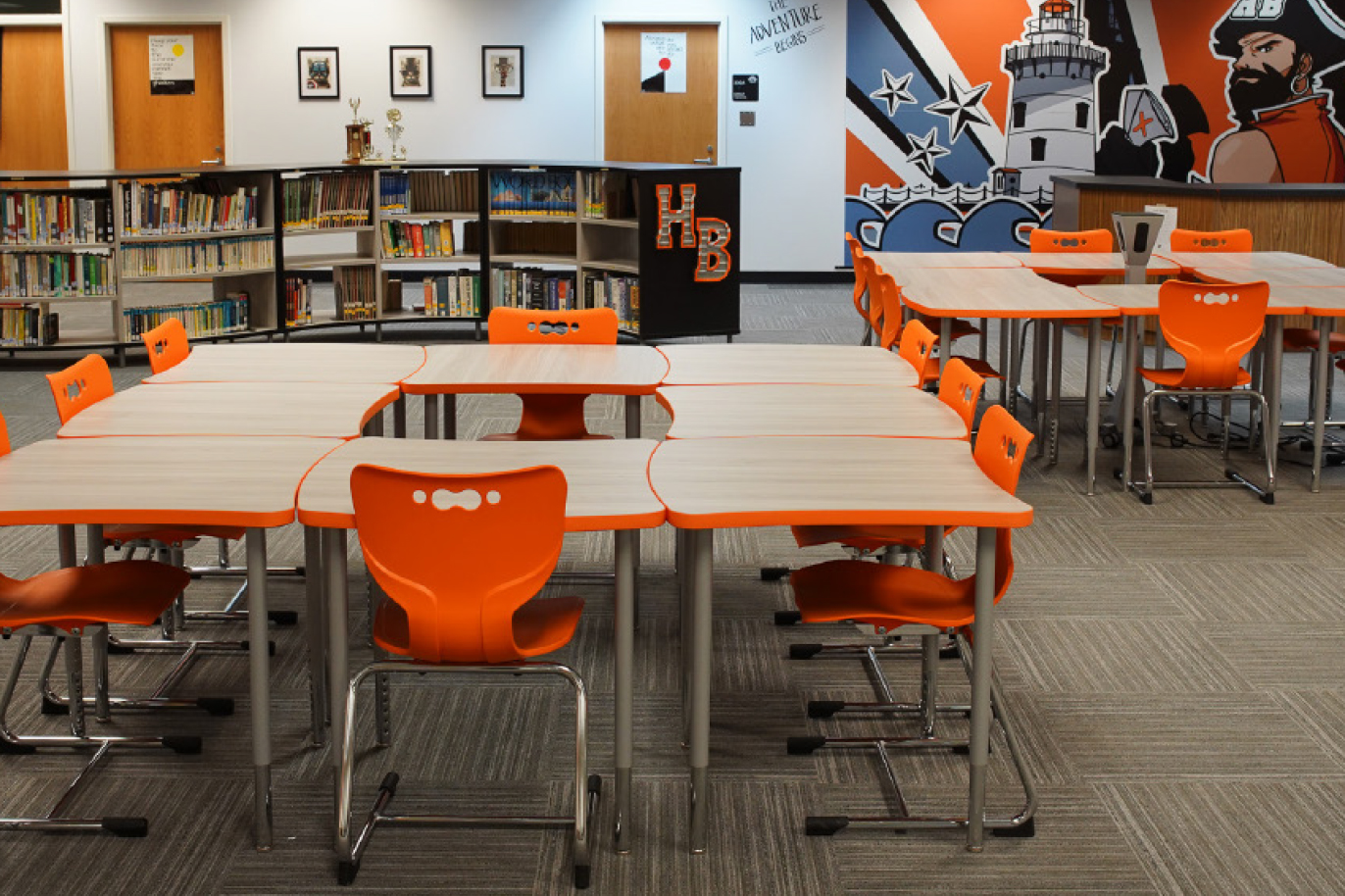
- Layout and Furniture Arrangement: School designers and educators have found that flexible seating arrangements allow classrooms to be reconfigured for both group work and individual tasks, providing a conducive framework for interactive learning and collaboration. Studies indicate that when students are offered spaces that are easily reconfigurable, they are more likely to be engaged and actively participate in classroom activities.
- Lighting and Acoustics: Proper lighting and sound management are critical elements. Natural light, in particular, has been associated with improved mood and enhanced concentration. In contrast, poorly lit or noisy environments can lead to distractions, reducing students' ability to focus on academic tasks.
- Technological Integration: With an increasing emphasis on digital tools in education, modern classrooms have integrated interactive touchscreens, computers, and other learning technologies. Research shows that the seamless incorporation of technology boosts students’ attentiveness and knowledge retention. Schools adapting these digital tools have reported heightened student motivation and learning personalization.
Flexible and Inclusive Design
The concept of flexible and inclusive learning environments is another area of intense focus. Diverse student populations benefit from learning spaces that are designed to be adaptive and accommodative. Scholars have noted:
- Adaptability to Teaching Methods: Classrooms that facilitate both collaborative group work and independent study are shown to foster better academic outcomes. Adaptable spaces that allow rearrangement of furniture support various pedagogical approaches including project-based learning, collaborative group discussions, and individual research tasks.
- Inclusivity for Diverse Learners: Inclusion is fundamental to modern educational design. Flexible classroom layouts are not only beneficial for general learning but also prove essential for students with special educational needs. Such environments promote equity by providing all students with the opportunity to thrive.
- Post-Pandemic Adaptations: The COVID-19 pandemic has further accelerated the trend towards reimagining classroom spaces. Research from 2023 and 2024 illustrates how classrooms were redesigned to integrate digital platforms with physical spaces, ensuring both safety and engagement for in-person learning while maintaining a hybrid model.
Teacher Support and Classroom Management
Effective Classroom Management Strategies
Clear Rules and Expectations
Establishing clear behavioral expectations is one of the cornerstones of effective classroom management. Recent literature has reinforced the importance of setting and maintaining clear classroom rules that promote a structured environment conducive to learning. When students are given clear guidelines, confusion is minimized, and the focus on academic tasks is increased. Studies have noted:
- Positive Teacher-Student Relationships: Strong, positive interactions between teachers and students are paramount. Research consistently highlights that classrooms in which teachers invest time in building trust and rapport with their students see better academic performance and increased participation. These relationships create an atmosphere where students feel valued and safe, enhancing their emotional and cognitive engagement.
- Student Involvement in Rule-Setting: There is evidence that involving students in creating classroom rules fosters a sense of ownership and responsibility. This participatory approach not only builds community but also encourages accountability, which in turn results in fewer disruptive incidents.
Direct Impact on Academic Achievement
The research highlights a direct correlation between effective classroom management and student academic success. Studies indicate that classrooms which combine structured management with supportive teacher-student interactions see:
- Increased student engagement during instructional time.
- Reduction in behavioral disruptions, which allows for more time dedicated to learning.
- Greater overall satisfaction with the learning experience, resulting in improved cumulative academic performance.
Influence of the Classroom Environment on Health and Well-Being
Psychological and Social Dimensions
Impact on Emotional Engagement
Beyond academic outcomes, the classroom environment plays a vital role in the social and emotional development of students. Recent studies have explored how elements such as the physical atmosphere, sense of community, and classroom climate affect students’ emotional well-being. Core observations include:
- Sense of Belonging and Safety: A classroom that is welcoming and inclusive improves the psychological safety of students. When students feel that they belong, their emotional engagement increases, leading to enhanced motivation and commitment to learning.
- Supportive Peer Interactions: Classrooms that promote collaborative and supportive interactions among peers improve inter-student relationships and multitiered support systems. This ultimately leads to a safer learning environment where students are more willing to take intellectual risks.
- Reduction of Stress and Anxiety: The physical qualities of a classroom, including its lighting, acoustics, and arrangement, can contribute to students' stress levels. Optimized environments that reduce noise and encourage orderly behavior help reduce anxiety, creating a more conducive learning atmosphere.
Health and Academic Performance
There is compelling evidence that outlines the role of classroom environment in influencing both health and academic outcomes. Students in well-designed classrooms have been shown to exhibit:
- Higher levels of cognitive engagement, which directly translates into better performance in assessments and standardized tests.
- Enhanced focus and attention spans, contributing to improved retention of new material.
- A reduction in classroom-related fatigue and mental stress, fostering a healthier lifestyle and balanced academic routine.
Comparative Overview: Research Studies (2019-2024)
Summary of Key Research Efforts
The following table provides a comparative overview of recent studies focusing on the impact of classroom environments on student outcomes. It includes various research aspects ranging from physical design, flexible environments, to classroom management and their effects on both the academic and emotional dimensions of student engagement.
| Study Focus | Key Findings | Year Range |
|---|---|---|
| Physical Classroom Design | Emphasis on the importance of seating arrangements, lighting, acoustics, and flexible space. Enhanced student participation and cognitive performance were noted especially when the classroom layout is reconfigurable. | 2019 - 2024 |
| Integration of Digital Tools | Digital tools such as interactive screens and hybrid learning models boost student attentiveness and retention. Classrooms adapted for digital integration have led to a higher motivation index among students. | 2020 - 2024 |
| Flexible and Inclusive Learning Environments | Classrooms that support both group work and individual learning foster higher engagement. Inclusive designs that cater to diverse learning needs significantly improve academic outcomes. | 2019 - 2024 |
| Teacher Support and Management | Clear classroom rules, positive teacher-student relationships, and student involvement in rule-setting are strongly associated with improved behavioral and cognitive engagement, consequently enhancing academic performance. | 2019 - 2024 |
| Psychological and Social Impact | A supportive classroom environment that fosters a sense of belonging positively impacts emotional health and academic achievements by reducing stress and fostering collaborative learning. | 2019 - 2024 |
Implications for Educators and Future Research
For Educators
Designing the Classroom
Educators are encouraged to collaborate with architects and school planners to design classrooms that are both aesthetically pleasing and functionally effective. Important considerations include:
- The flexibility of the furniture and space to accommodate various teaching methods including lecture-based delivery, group projects, or hands-on laboratory sessions.
- Lighting and acoustical controls that create optimal conditions for concentration and reduce distractions.
- Integrating technology in a manner that complements traditional learning, enabling teachers to provide interactive lessons without overwhelming the physical layout.
Classroom Management Techniques
Implementing strong classroom management strategies goes hand in hand with an effective physical design. Teachers must:
- Set clear rules and expectations right from the beginning.
- Foster an environment where students actively participate in setting behavioral guidelines, thereby promoting a collective responsibility for learning.
- Continuously cultivate positive teacher-student interactions by offering regular feedback and identifying areas for improvement tailored to individual student needs.
Areas for Future Research
Integration of Technology and Design
Although many studies have shown that digital integration improves academic outcomes, further research is needed to explore:
- How different digital tools (e.g., virtual learning environments, augmented reality) interact with physical classroom variables.
- The long-term impact of hybrid learning models on student engagement and achievement as traditional classroom settings evolve.
Culturally Responsive Teaching
While classroom design and management are universally important, future studies should also consider the influence of cultural factors on student perceptions and engagement. Research can address:
- How culturally responsive teaching strategies can be integrated into physical classroom design.
- How variations in cultural background affect student interaction within differently designed educational environments.
Measuring Outcomes Beyond Grades
An important direction for future research is the development of robust measurement tools that capture the qualitative aspects of student engagement. This includes:
- Enhanced instruments that measure not only academic performance (such as exam scores and grades) but also factors like student well-being, motivation, and long-term retention.
- Exploration of how classroom environment variables mediate the relationship between student self-perception and both cognitive and behavioral engagement.
Conclusion
The literature from 2019 to 2024 establishes the classroom as a pivotal element in shaping educational outcomes. The diverse research examined herein illustrates that the physical design of a classroom, when integrated with supportive management and inclusive practices, has a significant impact on students’ cognitive, behavioral, and emotional engagement. Classrooms that are adaptable and facilitate a positive, technologically enhanced, and culturally sensitive environment lead to improved academic performance and overall well‐being. As schools continue to evolve in response to technological advancements and shifting pedagogical paradigms, it is essential for educators, administrators, and researchers to prioritize the design and management of learning spaces. These efforts promise not only to elevate student achievement but also to foster resilient, engaged, and well-rounded learners prepared to meet the challenges of the future.
References
- Why is Classroom Management Important? - Education Walkthrough
- Effective Classroom Management: The Key to Creating Successful Learning Environments - Hive Educators
- The Role of Classroom Management in Education - Bethel Spark
- Impact of Classroom Environment on Student Engagement - SAGE Journals
-
Educational Environment and Student Engagement in Health Professions - PMC
- Impact of Educational Environment on Health Professions Education - BMC Medical Education
-
Research on Classroom Environment and Student Engagement - ScienceDirect
More
Last updated February 18, 2025