
The Influence of Classroom Spatial Arrangements on Learning and Interaction
Enhancing Educational Environments through Strategic Design
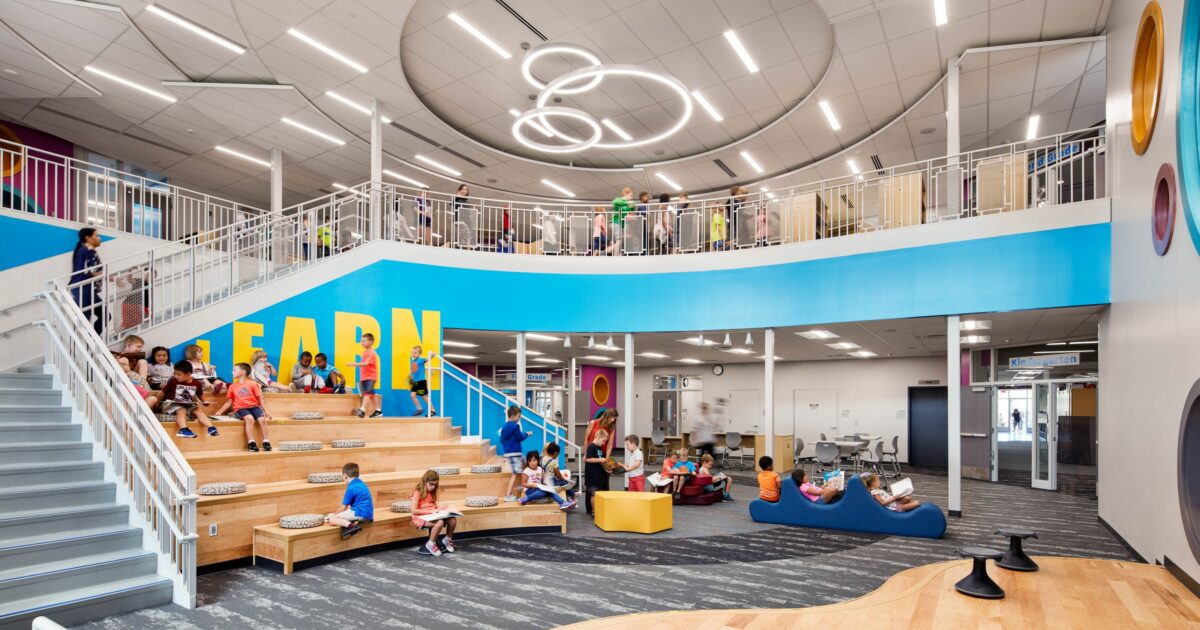
Key Takeaways
- Spatial configurations significantly influence instructional methods and student engagement.
- Flexible classroom layouts enhance collaborative learning and accessibility to resources.
- Intentional design can promote educational equity and support diverse learning needs.
Abstract
Classroom spatial arrangements are pivotal in shaping the dynamics of teaching and learning. This study investigates how various configurations of desks and chairs within educational settings afford distinct meaning-making potentials, influencing instructional activities, teacher-student interactions, and access to learning materials such as electronic devices. By analyzing photographic documentation of actual classroom spaces at a university, this research employs a qualitative approach to identify patterns and affordances inherent in different spatial layouts. The findings highlight that flexible and thoughtfully designed environments can enhance student engagement, facilitate collaborative learning, and support diverse instructional strategies. Moreover, the study underscores the importance of aligning classroom design with pedagogical objectives to optimize educational outcomes. The implications of this research suggest that educators and institutional planners should consider spatial dynamics as a critical component in the creation of effective learning environments.
Introduction
The physical environment of a classroom is more than just a backdrop for educational activities; it is an active participant that shapes the nature of interactions, learning processes, and overall educational experiences. Spatial arrangements, encompassing the placement of desks, chairs, and other resources, play a crucial role in facilitating or hindering various instructional methods and student behaviors. As educational paradigms shift towards more student-centered and collaborative learning models, understanding the impact of classroom design becomes increasingly important.
Traditional classroom layouts, characterized by rows of desks facing a teacher's podium, are often associated with teacher-centered instruction that emphasizes lecture-based delivery and individual accountability. While this configuration may support certain types of content dissemination, it can also limit opportunities for student interaction, collaboration, and active engagement. In contrast, alternative arrangements such as clustered seating, U-shapes, and flexible layouts promote a more interactive and inclusive learning environment by encouraging dialogue, group work, and easy access to learning materials.
The significance of spatial dynamics extends beyond mere aesthetics or functionality; it encompasses the broader pedagogical philosophies that guide educational practices. For instance, a classroom designed to facilitate group work with movable furniture reflects an underlying commitment to collaborative learning, critical thinking, and student autonomy. Conversely, rigid and inflexible spatial setups may inadvertently reinforce passive learning behaviors and restrict the implementation of diverse instructional strategies.
This research aims to elucidate the relationship between classroom spatial arrangements and their affordances for teaching and learning. By systematically analyzing photographs of actual classroom spaces, the study seeks to uncover how different configurations support or constrain various educational activities, interactions, and access to resources. The ultimate goal is to provide actionable insights for educators, administrators, and designers to optimize learning environments that cater to diverse educational objectives and enhance student engagement and achievement.
Methodology
This study adopts a qualitative research design to explore the impact of classroom spatial arrangements on learning and interaction. The methodology is structured around the systematic analysis of photographic data collected from a range of classroom settings within a university environment. The research process encompasses the following key components:
Data Collection
The primary data source for this study comprises high-resolution photographs capturing diverse classroom configurations. These images were taken across various departments to include a wide spectrum of spatial arrangements, such as traditional rows, clustered seating, U-shapes, and flexible layouts. Accompanying each photograph is contextual information detailing the classroom size, typical class size, and any notable features related to instructional methods or technological integration.
Theoretical Framework
The analysis is grounded in affordance theory, which emphasizes the relationship between the physical environment and the potential actions it enables. In the context of classroom design, affordances refer to the opportunities that spatial arrangements provide for specific instructional activities and interactions. Additionally, principles from environmental psychology and sociomaterial perspectives inform the examination of how physical space influences social dynamics and learning processes.
Data Analysis
The photographic data undergoes a thematic analysis to identify recurring patterns and themes related to spatial affordances. The analysis involves coding each image based on the arrangement of furniture, flow of movement within the space, visibility among participants, and accessibility to learning materials. Categories such as 'facilitation of group work,' 'teacher-student interaction,' and 'access to technology' are developed to organize findings systematically.
Comparative analysis is employed to discern how different configurations correspond to various instructional strategies and learning outcomes. For example, clustered seating arrangements may be compared to row-based configurations in terms of their effectiveness in promoting collaborative learning and student engagement.
Ethical Considerations
Ethical protocols are strictly adhered to throughout the research process. All photographs were taken in public classroom settings without the inclusion of identifiable individuals, thereby maintaining privacy and anonymity. Institutional permissions were obtained prior to data collection, and efforts were made to ensure that no sensitive information is disclosed. Additionally, the analysis respects the integrity of the observed environments, avoiding any misrepresentation or bias in interpreting the spatial affordances.
Limitations
While photographic analysis provides valuable insights into static spatial arrangements, it does not capture the dynamic interactions and temporal variations that occur within classrooms. Future research could incorporate video recordings or ethnographic observations to complement the visual data and offer a more comprehensive understanding of how spatial configurations influence real-time teaching and learning processes.
Spatial Arrangements and Their Affordances
Traditional Row Layout
The traditional row layout, with desks aligned in parallel rows facing the instructor, supports lecture-oriented teaching methods. This configuration facilitates clear lines of sight for all students towards the teacher and presentation materials, promoting a centralized focus. However, it may limit opportunities for student interaction and collaboration, potentially leading to passive learning experiences.
Clustered Seating
Clustered seating arranges desks or tables in small groups, fostering a collaborative learning environment. This layout encourages peer-to-peer interactions, group discussions, and collective problem-solving activities. It also provides greater flexibility for instructors to move around the classroom and engage with different student groups, enhancing the overall learning dynamic.
U-Shaped Configuration
The U-shaped configuration positions desks in a semi-circular formation surrounding the instructor's area. This arrangement balances the visibility of all participants, promoting direct interaction between the teacher and students as well as among the students themselves. It is particularly effective for discussion-based classes and activities that require active participation and engagement.
Flexible Layouts
Flexible layouts incorporate movable furniture and adaptable spaces that can be reconfigured to suit various instructional needs. Such adaptability allows for the seamless transition between individual work, group activities, and whole-class discussions. It also accommodates the integration of technological tools and resources, enhancing accessibility and interactivity within the learning environment.
Table: Comparative Analysis of Classroom Spatial Arrangements
| Spatial Arrangement | Affordances | Advantages | Challenges |
|---|---|---|---|
| Traditional Row Layout | Centralized focus on instructor, clear visibility | Ideal for lectures, easy to manage large groups | Limited student interaction, passive learning |
| Clustered Seating | Facilitates group work and peer interactions | Enhances collaboration, supports diverse activities | Potential for uneven participation, space constraints |
| U-Shaped Configuration | Promotes direct interaction, inclusive participation | Effective for discussions, balanced visibility | May require larger classroom space, less suitable for individual tasks |
| Flexible Layouts | Adaptable to various teaching methods and activities | Supports dynamic teaching, accommodates technology | Initial setup costs, requires maintenance |
Conclusion
The spatial arrangement of classrooms plays a fundamental role in shaping educational experiences and outcomes. Through the analysis of various configurations, it becomes evident that different layouts afford distinct opportunities and challenges for instructional activities, teacher-student interactions, and access to learning materials. Traditional row layouts, while efficient for large groups and lecture-based teaching, may inadvertently stifle student engagement and collaborative learning. In contrast, clustered seating and U-shaped configurations foster a more interactive and inclusive environment, encouraging active participation and peer collaboration.
Flexible classroom layouts emerge as particularly effective in accommodating diverse teaching strategies and learning modalities. The adaptability of these spaces facilitates seamless transitions between individual work, group activities, and whole-class discussions, thereby supporting a more dynamic and responsive educational process. Additionally, the integration of technological resources within flexible spaces enhances accessibility and interactivity, aligning with contemporary pedagogical trends that prioritize digital literacy and collaborative skills.
This study underscores the critical importance of intentional spatial planning in educational settings. By aligning classroom design with pedagogical objectives, educators and institutional planners can create environments that not only support but also enhance learning outcomes. Future research should continue to explore the interplay between spatial dynamics and educational practices, incorporating longitudinal and multi-method approaches to capture the evolving nature of classroom interactions.
References
Last updated February 7, 2025