
Climate Change: A Critical Piece, But Not the Whole Puzzle
Exploring the vast impacts of climate change while acknowledging other vital global challenges.
Highlights
- Climate change is a scientifically confirmed, human-driven crisis with profound and accelerating global impacts on ecosystems, weather patterns, and human societies.
- While critical, climate change is interconnected with, but distinct from, other major global issues like pollution, biodiversity loss, resource depletion, and social inequality, often acting as a threat multiplier.
- Addressing global challenges effectively requires a holistic approach that integrates climate action with broader sustainability goals, recognizing the complex web of interconnected problems.
Your observation that "climate change isn't everything" touches upon a crucial point in understanding the complex array of challenges facing our planet. While the scientific consensus, underscored by organizations like the Intergovernmental Panel on Climate Change (IPCC), confirms that human activities (primarily burning fossil fuels) are driving unprecedented changes in the global climate system, it's true that climate change exists within a broader landscape of environmental, social, and economic issues.
This response explores the undeniable significance and far-reaching impacts of climate change, places it in context alongside other critical global concerns, and discusses the need for integrated solutions that address this complex web of interconnected challenges.
Summary video of the IPCC's Sixth Assessment Report on Climate Change Impacts, Adaptation & Vulnerability (2022), outlining the scientific basis and scope of the issue.
The Undeniable Reach of Climate Change
While not the *only* issue, the impacts of climate change are pervasive and profound, touching nearly every aspect of the natural world and human society. It acts as a fundamental stressor, altering baseline conditions globally.
Tangible Impacts Across the Globe
Rising Temperatures and Extreme Weather
The most direct consequence is global warming – the long-term heating of Earth’s climate system. This isn't just about warmer summers; it fuels an increase in the frequency and intensity of extreme weather events. We see evidence of this in recent years:
- Heatwaves: Regions from Alaska to Delhi have experienced unprecedented heatwaves, issuing health warnings and disrupting local economies.
- Wildfires: Warmer, drier conditions contribute to longer and more intense wildfire seasons in many parts of the world.
- Flooding and Storms: Increased atmospheric moisture leads to heavier rainfall and more powerful storms, causing devastating floods, as seen in places like Britain which reports being unprepared for these worsening impacts.
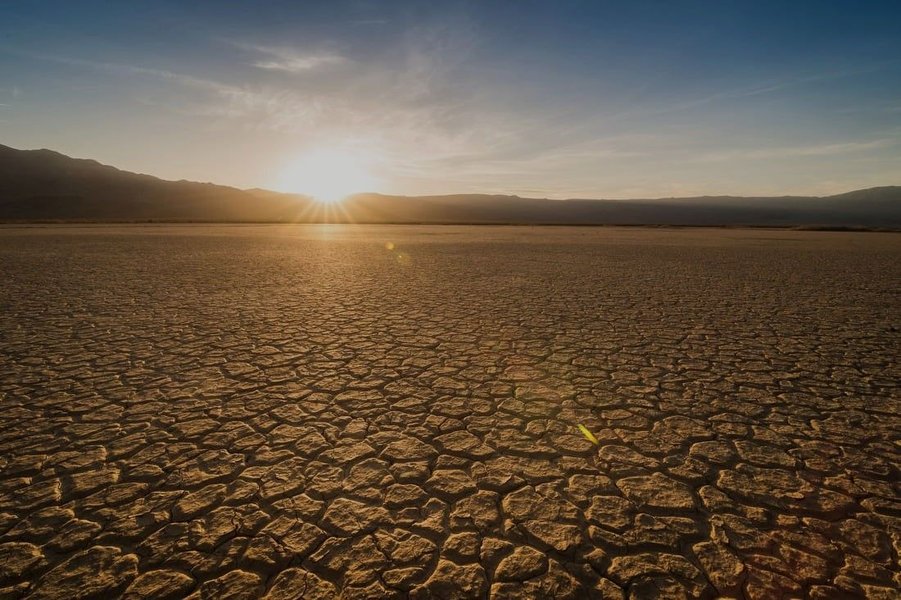
- Droughts: Conversely, altered precipitation patterns intensify droughts in other regions, impacting agriculture and water availability.
Visual representation of diverse climate change effects across the globe. Source: NASA Science
Sea Level Rise and Ocean Changes
Warming causes glaciers and ice sheets to melt and seawater to expand thermally, leading to global sea level rise. This directly threatens coastal communities with increased flooding, erosion, and saltwater intrusion into freshwater supplies. Simultaneously, oceans absorb excess CO2, leading to ocean acidification, which harms marine life, particularly organisms with shells and skeletons like corals and shellfish.
Ecosystem Disruption and Biodiversity
Climate change forces species to adapt, migrate, or perish. Shifting temperature zones, altered rainfall, and extreme events disrupt ecosystems. Coral bleaching due to warmer waters, shrinking habitats for polar species due to melting ice, and changes in plant growing seasons are clear examples. This directly links climate change to the broader crisis of biodiversity loss.

Landscape diversity, crucial for ecosystem resilience, is threatened by climate change.
Ripple Effects on Society
The environmental impacts translate into significant societal challenges:
- Public Health: Heat stress, respiratory illnesses from worsening air quality (linked to wildfires and fossil fuels), vector-borne diseases spreading to new areas, and mental health impacts from disasters and displacement.
- Food Security: Changes in crop yields, water scarcity for irrigation, and disruptions to fisheries threaten food supplies.
- Water Resources: Altered precipitation, melting glaciers affecting river flows, and saltwater intrusion impact freshwater availability.
- Infrastructure: Extreme weather events damage roads, bridges, power grids, and buildings, requiring costly repairs and adaptation measures.
- Economy: Impacts span agriculture, tourism, insurance, and energy sectors. Adaptation and mitigation efforts require significant investment, though inaction is projected to be far costlier.
- Social Equity: Climate change disproportionately affects marginalized and vulnerable communities, who often have fewer resources to cope with and adapt to its impacts, exacerbating existing inequalities.
Debunking Common Misconceptions
Understanding the true scope of climate change requires addressing common myths:
- Myth: Earth's climate has always changed naturally. While true that natural cycles exist (like ice ages), scientific evidence overwhelmingly shows the current rate and scale of warming since the industrial revolution are primarily driven by human greenhouse gas emissions. Natural factors like solar variations have had a negligible effect on the recent warming trend; in fact, solar output has slightly decreased while temperatures rose.
- Myth: The Earth has stopped warming. Short-term variations occur, but the long-term global temperature trend continues upward. Individual cooler years do not negate the overall warming pattern observed over decades.
Climate Change in the Context of Global Challenges
While climate change is a critical threat, it's essential to view it as part of a larger system of interconnected global issues. Focusing solely on climate change risks overlooking other vital challenges and their complex interactions.
Acknowledging Other Pressing Issues
Alongside climate change, the world faces numerous significant environmental and social problems, including:
- Biodiversity Loss: Driven by habitat destruction, overexploitation, pollution, and invasive species, often accelerated by climate change.
- Pollution: Air, water, and soil pollution from industrial activities, agriculture, and waste directly harm human health and ecosystems. Plastic pollution is a distinct major concern.
- Resource Depletion: Overconsumption of freshwater, minerals, fossil fuels, and forests leads to scarcity and environmental degradation.
- Social and Economic Inequality: Disparities in wealth, access to resources, and political power influence vulnerability and adaptive capacity to all environmental shocks, including climate change.
- Waste Management: Inadequate handling of waste, particularly plastics and hazardous materials, poses significant environmental and health risks.
Interconnectedness: Climate Change as a Threat Multiplier
Climate change rarely acts in isolation. It often functions as a 'threat multiplier,' exacerbating existing vulnerabilities and interacting with other problems:
- Climate-induced droughts worsen water scarcity already driven by overuse.
- Sea level rise compounds coastal habitat loss caused by development.
- Extreme weather events can overwhelm waste management systems, spreading pollution.
- Climate impacts on agriculture can deepen poverty and food insecurity, potentially fueling social unrest.
However, these issues also have distinct drivers. Solving plastic pollution requires circular economy approaches and waste infrastructure, which differ from decarbonizing the energy sector. Protecting a specific endangered species might require targeted anti-poaching efforts alongside climate adaptation.
Visualizing Connections: A Mindmap
This mindmap illustrates how climate change impacts various systems and interacts with other major global challenges. It highlights the central role of climate change while showing its connections to distinct but related issues.
Comparative Overview of Global Issues
This table compares climate change with two other major global challenges to highlight similarities, differences, and interlinkages in their drivers, impacts, and solutions.
| Issue | Primary Drivers | Key Impacts | Primary Solutions | Interlinkages |
|---|---|---|---|---|
| Climate Change | Greenhouse gas emissions (fossil fuels, deforestation, industry, agriculture) | Global warming, extreme weather, sea level rise, ocean acidification, ecosystem shifts, health impacts | Decarbonization (renewables, efficiency), carbon capture, adaptation measures, nature-based solutions | Exacerbates biodiversity loss, resource scarcity, pollution impacts, social inequality |
| Biodiversity Loss | Habitat destruction (land use change), overexploitation (fishing, hunting), pollution, invasive species, climate change | Species extinction, ecosystem degradation, loss of ecosystem services (pollination, water purification), reduced resilience | Habitat protection & restoration, sustainable resource management, pollution control, climate action, invasive species management | Worsened by climate change impacts; loss reduces ecosystem capacity to sequester carbon and adapt |
| Plastic Pollution | Fossil fuel-based production, overconsumption of single-use items, inadequate waste management infrastructure | Ocean contamination, harm to wildlife, microplastic infiltration in food/water, soil contamination, potential human health effects | Reduce/reuse/recycle, circular economy models, improved waste management, alternative materials, cleanup initiatives | Production relies on fossil fuels (climate link); improper waste disposal can worsen with climate-related disasters (floods) |
The Risk of "Climatism" and the Need for Balance
Some scholars, like Mike Hulme in his book "Climate Change Isn't Everything," caution against "climatism"—an ideology that might oversimplify complex problems by attributing them solely or primarily to climate change, potentially overshadowing other critical social, economic, and political drivers. For example, while climate change can worsen conditions that contribute to conflict, attributing complex events like civil wars *only* to climate change can be misleading and hinder addressing the root political and social issues.
This perspective advocates for a balanced approach that integrates climate considerations within broader policy frameworks, rather than letting climate action dominate or exclude other vital priorities. However, critics note that many mainstream climate policies, such as those promoting climate-compatible development or a "just transition," do attempt to integrate social and economic dimensions alongside decarbonization efforts.
Comparing Global Challenges: A Radar Chart Perspective
Visualizing the relative characteristics of global challenges can help understand their nuances. This radar chart offers a conceptual comparison (based on general assessment, not precise data) of Climate Change against other major issues across several dimensions. It highlights how different problems present unique profiles in terms of urgency, scope, interconnectedness, public awareness (media focus), and the complexity of finding solutions.
This visualization suggests that while climate change scores highly on scope, interconnectedness, and complexity, other issues like pandemics might score higher on perceived immediate urgency or direct health impact, and social inequality scores highly across scope, interconnectedness and complexity. Recognizing these different profiles reinforces the need for tailored and integrated approaches.
Towards a Holistic Future: Balancing Priorities
Understanding that climate change isn't "everything" leads not to downplaying its importance, but to recognizing the need for more comprehensive and integrated solutions.
The Need for Integrated Solutions
Tackling complex global challenges requires moving beyond siloed approaches. Effective strategies often involve:
- Sustainable Development Goals (SDGs): Pursuing the UN's SDGs provides a framework that explicitly links climate action (SDG 13) with poverty reduction, health, equality, clean water, sustainable cities, and biodiversity protection.
- Circular Economy Principles: Shifting from linear "take-make-dispose" models to circular ones reduces waste, resource depletion, and often greenhouse gas emissions simultaneously.
- Nature-Based Solutions: Protecting and restoring ecosystems like forests and wetlands can sequester carbon, enhance biodiversity, improve water quality, and increase resilience to climate impacts.
- Just Transitions: Ensuring that the shift to a low-carbon economy is fair and equitable, supporting workers and communities affected by the transition away from fossil fuels.
These integrated approaches aim for co-benefits, where actions taken to address one problem yield positive outcomes for others.
Why Climate Change Often Remains Central
Despite the need for a broader view, climate change frequently dominates environmental discussions for several compelling reasons:
- Existential Scale: Its potential impacts are global, long-lasting, and could fundamentally alter life on Earth.
- Cascading Effects: As demonstrated, its impacts ripple through virtually all other environmental and social systems.
- Leverage Point: Addressing the root cause – primarily greenhouse gas emissions from energy, industry, and land use – requires systemic changes that can offer pathways to broader sustainability transformations.
Therefore, while climate change isn't the *only* challenge, its fundamental nature and pervasive influence make it a critical pillar in any effort to build a sustainable and resilient future. Acknowledging other issues allows for more robust, equitable, and effective strategies overall.
Frequently Asked Questions
Isn't climate change just part of a natural cycle?
While Earth's climate has naturally varied over long timescales (e.g., ice ages), the rapid warming observed since the mid-20th century is unprecedented and overwhelmingly attributed by scientists to human activities, mainly the emission of greenhouse gases from burning fossil fuels. Natural factors like changes in solar activity or volcanic eruptions have played a minor role in the recent warming trend compared to human influence.
If climate change isn't everything, should we focus less on it?
Recognizing other issues doesn't mean diminishing the critical importance of climate action. Instead, it calls for a more balanced and integrated approach. Because climate change acts as a threat multiplier and has such pervasive effects, addressing it remains essential. The key is to tackle climate change in ways that also consider and address interconnected issues like biodiversity, pollution, and social equity, rather than viewing them in isolation or as competing priorities.
How does climate change worsen other problems like poverty?
Climate change disproportionately affects low-income communities and developing nations that often rely heavily on agriculture and natural resources, and have fewer resources for adaptation. Impacts like crop failures due to drought or floods, destruction of homes and infrastructure by extreme weather, and increased health burdens can trap people in poverty or push them deeper into it. Climate change exacerbates existing inequalities, making it harder for vulnerable populations to escape poverty.
What does a "holistic approach" to environmental challenges actually mean?
A holistic approach means recognizing that environmental issues (like climate change, biodiversity loss, pollution) are interconnected with each other and with social and economic issues (like poverty, health, equity). Instead of tackling problems in isolation, it involves developing solutions that address multiple challenges simultaneously, consider potential trade-offs, aim for co-benefits, and incorporate principles of sustainability, equity, and resilience across different sectors and policy areas.
Recommended
- What are the biggest environmental challenges besides climate change?
- How does climate change specifically impact biodiversity?
- What is the concept of a 'just transition' in climate action?
- Explore the economic costs and benefits of addressing climate change.
References
Last updated May 5, 2025