
Impacts of Anthropogenic Climate Change on Caribbean Countries
Exploring environmental, economic, and socio-cultural consequences
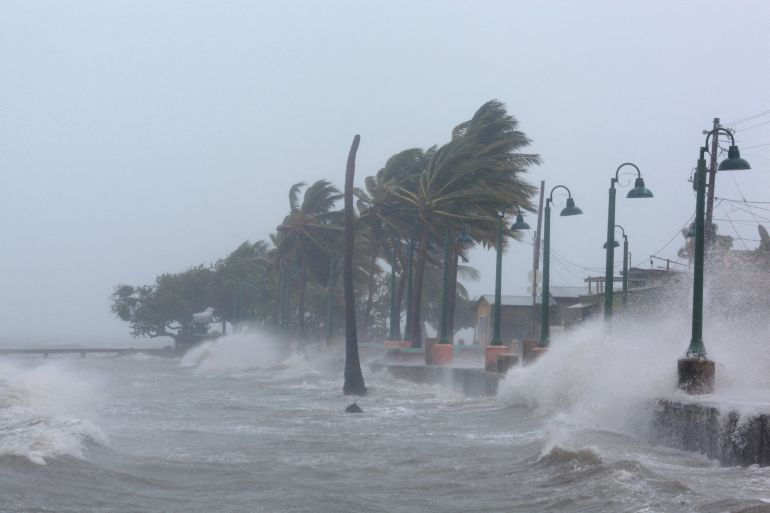
Key Highlights
- Extreme Weather and Rising Sea Levels: Increased frequency of hurricanes and escalating sea-level rise undermining coastal communities.
- Ecological and Economic Vulnerabilities: Deterioration of marine ecosystems, coral reefs, and disruptions to tourism, agriculture, and fisheries.
- Societal and Infrastructural Challenges: Heightened risks of food insecurity, water scarcity, and displacement affecting vulnerable populations.
Introduction
The Caribbean region faces a complex array of challenges due to anthropogenic climate change. The combination of rising temperatures, increased ocean acidification, extreme weather events, and gradual sea-level rise has created a precarious future for many Caribbean nations. As a region composed largely of Small Island Developing States (SIDS), the Caribbean is particularly vulnerable, with its economic, social, and environmental systems intricately tied to climate variability. This comprehensive analysis explores the multifaceted impacts—from environmental degradation, economic setbacks, to societal disruptions—and discusses the ongoing efforts aimed at adaptation and mitigation.
Environmental Impacts
Extreme Weather Events
Anthropogenic climate change has led to a marked increase in the frequency and intensity of extreme weather events in the Caribbean. Warmer sea surface temperatures have provided more energy to storms, resulting in a surge of more powerful hurricanes and tropical storms that have devastating impacts on the region. The observed six-fold increase in the potential intensity of Category 4 and 5 hurricanes is a critical concern, as these storms cause extensive damage to infrastructure, natural habitats, and communities.
Hurricanes and Tropical Storms
Hurricanes are a central threat, with climate change intensifying their power and destructiveness. These storms bring heavy rainfall, strong winds, and storm surges that can obliterate coastal infrastructures, erode beaches, and permanently alter coastal ecosystems. In addition, the recurring devastation often results in significant displacement and long-term economic deficits as communities struggle to rebuild after each event.
Sea Level Rise and Coastal Erosion
Another pressing environmental issue is the gradual rise in sea levels. Projections suggest that sea levels in the Caribbean could rise anywhere between 0.3 to 1 meter by the mid-century. This rise directly impacts low-lying coastal areas, eroding beaches, inundating natural habitats, and increasing saltwater intrusion into freshwater reserves. For a region that heavily relies on coastal tourism and fisheries, the loss of beaches and coastal landscapes undermines both economic stability and ecological integrity.
Coastal and Marine Ecosystems
The degradation of marine ecosystems is closely tied to rising temperatures and ocean acidification. Coral reefs, which serve as natural barriers protecting coastlines and as hubs of marine biodiversity, are experiencing widespread bleaching events. The stresses brought on by warmer waters and increased CO₂ levels lead to reduced calcification rates in corals, weakening these vital ecosystems. In addition, ocean acidification further jeopardizes the survival of coral species and disrupts the balance of marine food webs, posing a threat to local fisheries and biodiversity.
Droughts and Hydrological Changes
Alterations in precipitation patterns and the intensification of drought conditions compound the region's vulnerabilities. Several Caribbean countries have experienced more prolonged dry spells, which are further intensified by heightened evaporative demand due to increased temperatures. Decreased rainfall, especially during critical growing seasons, jeopardizes agriculture and depletes freshwater reserves. This drying trend not only affects food security but also stresses urban water supplies, making the region more susceptible to conflicts over limited resources.
Implications for Freshwater Resources
Freshwater scarcity in the Caribbean is primarily a consequence of reduced rainfall and saltwater intrusion into aquifers and reservoirs. The contamination of freshwater by saline water has widespread implications for both domestic consumption and irrigation. The increasing prevalence of droughts exacerbates these water shortages, directly influencing agricultural productivity and impacting communities’ daily lives.
Economic Impact
Disruptions to Key Sectors
The economic ramifications of climate change in the Caribbean are profound. The region's reliance on climate-sensitive sectors such as tourism, agriculture, and fisheries makes its economies extremely vulnerable to environmental shifts. Damage from extreme weather events is expected to escalate from currently affecting around 5% of regional GDP to over 20% in the long run—forestalling sustainable development and placing unsustainable fiscal pressures on nation-states.
Tourism
Tourism is one of the most critical pillars of Caribbean economies, with millions dependent on the allure of pristine beaches, coral reefs, and vibrant marine life. Climate change poses a direct threat to these natural attractions. Hurricanes, rising sea levels, and coastal erosion degrade tourist infrastructure and natural resources, significantly diminishing the region's appeal. The deterioration of these attractions not only affects the hospitality sector but also has ripple effects on local employment, business development, and foreign investment opportunities.
Agriculture and Fisheries
Agriculture in the Caribbean is increasingly at risk due to changing weather patterns, prolonged droughts, and saltwater intrusion. Traditional farming practices are being disrupted, leading to reduced crop yields and increased food insecurity. Similarly, fisheries are affected by ocean warming and acidification—phenomena that alter marine population dynamics and push key species, like tuna, away from traditional fishing grounds. The economic stress imposed by these shifts threatens the livelihoods of many communities that rely on these sectors.
Socio-Economic Ramifications
Beyond immediate sectoral impacts, climate change creates broader economic and social challenges in the Caribbean. Increased public debt, heightened due to repeated disaster recovery expenditures, compounds financial instability. The burden of rebuilding, paired with the need for greater investment in resilient infrastructure, creates long-term challenges for national budgets. This economic instability is often mirrored in social spheres, where widening disparities and vulnerable populations bear the brunt of climate-related adversities.
Impact on Public Health and Migration
The physical repercussions of extreme weather and long-term environmental degradation extend into the realm of public health. Rising temperatures and recurrent disasters have led to increased incidences of heat-related illnesses and vector-borne diseases such as dengue, chikungunya, and Zika virus. Furthermore, the psychological toll on communities repeatedly exposed to climate disasters is significant, often resulting in increased rates of anxiety and depression.
Displacement is another critical outcome, as coastal communities find themselves in increasing jeopardy from the cumulative effects of erosion, sea-level rise, and natural disasters. Such displacement, or climate-induced migration, undermines community stability and further exacerbates regional inequities.
Detailed Analysis: Sectoral Impacts Table
The table below summarizes the principal impacts of anthropogenic climate change on the Caribbean across various sectors:
| Sector | Impacts | Key Concerns |
|---|---|---|
| Agriculture | Unpredictable rainfall, prolonged droughts, saltwater intrusion | Reduced crop yields, food insecurity |
| Tourism | Coastal erosion, loss of natural attractions, infrastructure damage | Economic downturns, unemployment |
| Fisheries | Ocean warming, acidification, altered marine populations | Declining stocks, loss of livelihoods |
| Water Resources | Decreased freshwater availability, saltwater intrusion | Water scarcity, compromised quality |
| Public Health | Heat waves, vector-borne diseases, psychological stress | Increased disease incidence, social disruption |
| Infrastructure | Damage from hurricanes, sea-level rise impacts | High repair costs, long-term economic burden |
Societal and Ecological Vulnerabilities
Social Vulnerability and Displacement
The impacts of climate change on Caribbean societies extend deeply into social and cultural realms. Many communities, particularly indigenous and low-income groups, are disproportionately affected. Inadequate infrastructure, limited financial resources, and geographic isolation often leave these populations at the mercy of environmental hazards. Displacement not only disrupts lives but also erodes cultural ties, as traditional practices linked to land and seascapes become increasingly difficult to sustain.
Community Resilience and Adaptation
In light of these challenges, many Caribbean nations are spearheading initiatives aimed at enhancing local resilience. Efforts are underway to reinforce coastal protection through the restoration of mangroves and wetlands, practices which serve both environmental and protective functions. In parallel, community-led efforts are emerging, blending traditional knowledge with modern resilience strategies. These initiatives are not only improving immediate security but are also laying the groundwork for sustainable adaptation in the long term.
Ecological Impacts and Biodiversity Loss
Ecologically, anthropogenic climate change manifests in significant losses in biodiversity, particularly within marine ecosystems. Coral reefs, a linchpin of Caribbean ecological diversity, are under extreme stress due to a combination of thermal stress and ocean acidification. The warming of ocean waters precipitates bleaching—where coral expels its symbiotic algae—leading to weakened ecosystems that ripple through the food chain. Loss of these habitats jeopardizes numerous species and further diminishes natural coastal protection.
Conservation and Restoration Initiatives
Responsive measures to ecological decline include structured conservation strategies and restoration projects aimed at preserving what remains of these vital ecosystems. Governments, together with international partners and local organizations, are investing in projects that restore coral reefs and protect critical habitats. Such interventions are essential to not only preserve biodiversity but also safeguard natural resources that sustain fisheries, tourism, and overall environmental health.
Strategies for Adaptation and Mitigation
Regional Cooperation and Policy Initiatives
Due to the global and transboundary nature of climate change, Caribbean nations have increasingly recognized the need for cooperation, both regionally and at broader international forums. Policy initiatives are underway aimed at formulating comprehensive adaptation strategies, including climate-resilient infrastructure development, enhanced early-warning systems for natural disasters, and integrated water management practices. Collaborative policy responses also involve advocating for international support, particularly in the realm of climate finance, to alleviate the staggering economic burdens associated with repeated climate disasters.
Investment in Resilient Infrastructure
A core element of climate adaptation in the Caribbean involves investing in infrastructure designed to withstand climatic extremes. This includes reinforcing buildings, upgrading drainage systems, protecting coastal zones with natural barriers, and deploying advanced forecasting technologies. The establishment of resilient structures not only mitigates immediate hazards but also fosters long-term economic stability by reducing recurrent rebuilding costs.
Mitigation Efforts and Sustainable Practices
In tandem with adaptation measures, mitigation strategies remain critical in limiting future climate change. Numerous Caribbean states are pursuing renewable energy projects, aiming to reduce reliance on fossil fuels. Initiatives to foster energy efficiency, coupled with community-led sustainable tourism and agricultural practices, are part of a broader shift towards climate-conscious economic development. Such efforts are vital in curbing greenhouse gas emissions, thereby limiting the intensity of future climate impacts.
Global and Local Advocacy
On the international stage, Caribbean countries continue to advocate for the inclusion of "loss and damage" assessments in global climate negotiations. This call is reflective of the region's unique vulnerability and the disproportionate costs incurred from climate-related disasters. The pursuit of equitable and accessible climate finance is essential for supporting both mitigation and adaptation measures, enabling a resilient future even in the face of relentless environmental challenges.
Case Studies and Real-World Applications
Case Study: Coastal Resilience in Barbados and Dominica
Barbados and Dominica have become illustrative examples of nations striving to counteract the devastating effects of climate change. Both have implemented strategies aimed at restoring natural coastal defenses and upgrading infrastructure to endure the impacts of advanced storms and rising sea levels. Investments in renewable energy and sustainable tourism have led to innovative community projects that highlight the importance of integrated planning. These case studies underscore that while adaptation is feasible, it requires a coordinated approach within both local and international settings.
Community-Led Conservation Efforts
In addition to government initiatives, grassroots movements have played a crucial role in enhancing local resilience. Community-led conservation projects have emerged as vital efforts towards protecting coral reefs, reforesting coastal areas, and managing water resources more efficiently. These efforts are driven not only by immediate survival needs but also by a long-term commitment to sustain local economies and cultural heritage that is inseparable from the natural environment.
Regional Climate Plans and International Dialogue
Nations across the Caribbean are also engaged in collaborative frameworks that seek to share knowledge, technology, and financial support. The development of regional climate action plans underscores an emerging consensus: only through unified and coordinated strategies can the multifaceted challenges be met effectively. Such initiatives also elevate Caribbean voices in international climate dialogues, ensuring that global climate policies reflect the realities of small island physiology and resource constraints.
Conclusion
In conclusion, anthropogenic climate change presents profound challenges for Caribbean countries that are deeply intertwined with their environmental, economic, and social fabrics. Extreme weather events—including increasingly intense hurricanes, prolonged droughts, and accelerated sea-level rise—create a hazardous landscape that affects everything from coastal infrastructures to vital ecosystems such as coral reefs and mangroves. The economic implications are substantial: disrupted tourism, diminishing agricultural productivity, and overburdened public finances are just some of the consequences faced by a region already marked by vulnerability.
At the heart of these challenges is the pressing need for comprehensive adaptation and mitigation strategies. Caribbean nations are responding with innovative regional cooperation, resilient infrastructural investments, renewable energy transitions, and community-led initiatives that harness both traditional knowledge and modern technology. However, the scale of the crisis necessitates substantial international support, equitable climate finance, and proactive policy advocacy to redress imbalances and ensure long-term sustainability.
Ultimately, the future of the Caribbean in an era of rapid climatic change depends on a balanced pursuit of mitigation and adaptation efforts. An integrated approach that addresses environmental degradation, supports vulnerable communities, and bolsters economic resilience can pave the way for a more stable and secure future. The path forward is challenging but not insurmountable, provided that collaborative and adaptive strategies are prioritized, ensuring that this uniquely vibrant region can continue to thrive amidst the changing climate.
References
- Exacerbation of the 2013-2016 Pan‐Caribbean Drought by Anthropogenic Factors - Wiley Online Library
- NASA Global Climate Reports - NASA
- Rates of Future Climate Change in the Gulf of Mexico and the Caribbean - Wiley Online Library
- Climate Change, Hurricanes, and Sovereign Debt - IDB Publications
-
PMC Article on Pan‐Caribbean Drought - PMC
-
The Caribbean has been unusually warm - Washington Post
- PAHO New Report on Extreme Exposures - PAHO
- WMO on El Niño and Climate Impacts - WMO
- WMO State of Climate in Latin America and Caribbean 2023 - WMO
- UNICEF Report on Climate Crisis in the Caribbean - UNICEF
- UNDP on Building Resilient Futures in the Caribbean - UNDP
- IOM Story on Displacement in the Caribbean - IOM
- PAHO Consultations on New Caribbean Action Plan - PAHO
- ICJ Advisory Opinion on Climate Change - IISD
Recommended Further Queries
Last updated February 19, 2025