
Unveiling the Hidden Complexity of Cluster B Personality Disorders in Homeless Populations
Delving into prevalence rates, diagnostic challenges, and treatment implications
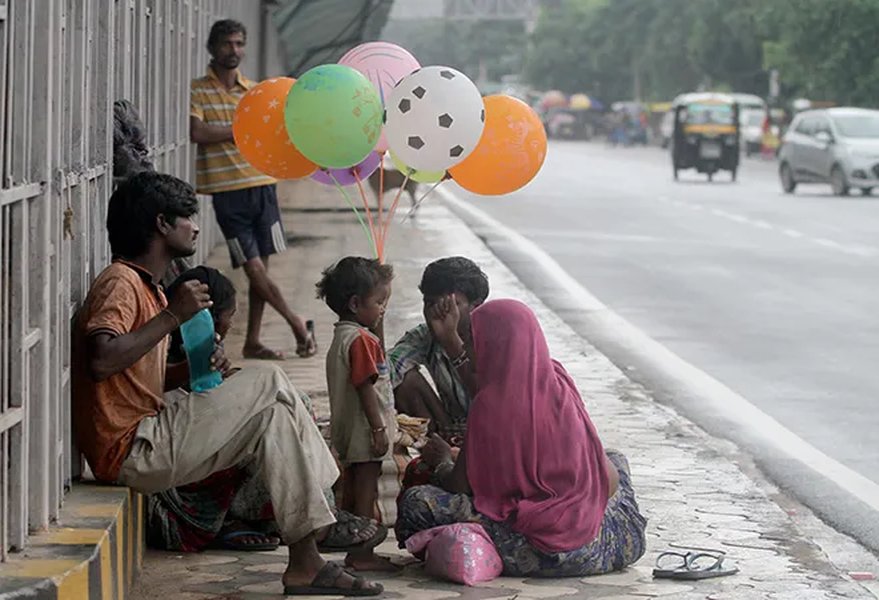
Key Highlights
- High Prevalence: Research suggests that between 40% to 80% of homeless individuals may present with some form of personality disorder, with Cluster B disorders dominating the statistics.
- Diagnostic Challenges: The homeless population faces significant difficulties in accurate diagnosis because of evolving diagnostic criteria and high variability in presentations.
- Treatment Implications: Understanding the specific personality disorder subtypes, particularly Cluster B characteristics, is crucial for effective mental health interventions and reducing drop-out rates in treatment programs.
In-depth Analysis of Cluster B Personality Disorders Among the Homeless
The prevalence of personality disorders, particularly those in Cluster B, within homeless populations is a multifaceted issue that combines aspects of mental health, socioeconomic constraints, and the challenges of clinical diagnosis. Cluster B personality disorders—which include antisocial, borderline, histrionic, and narcissistic personality disorders—are characterized by dramatic, overly emotive, and erratic behaviors. These disorders are not only clinically significant but also have profound implications on treatment adherence and long-term recovery.
Prevalence Rates and Statistics
Studies have demonstrated that a vast majority of homeless individuals exhibit mental health conditions, with some studies reporting that between 40% and 80% of this population experience personality disorders. Specifically, Cluster B disorders have been observed to be highly prevalent among homeless individuals:
- Research indicates that anywhere from 50% to 80% of homeless persons may exhibit traits linked with Cluster B disorders.
- Some data suggest that Borderline Personality Disorder (BPD) could affect up to 21% of homeless individuals, especially those intertwined with substance abuse issues.
- Antisocial personality traits and other Cluster B aspects form a consistent trend in various clinical studies, sometimes reaching prevalence estimates as high as 60-70% in specific subpopulations.
It is important to note that comparisons with the general community (where overall personality disorder rates are estimated around 9.1%, and Cluster B disorders range from approximately 1.5% to 5.5%) highlight the marked disparity in prevalence rates, making it clear that the homeless population faces a disproportionately high burden.
Diagnostic Variability and Challenges
One of the most formidable challenges in studying personality disorders among homeless populations is the inherent difficulty in accurately diagnosing these conditions. The diagnostic criteria for personality disorders, and Cluster B types in particular, are in constant evolution as new research sheds light on symptom overlap and the interplay of comorbid conditions, such as substance abuse and trauma-related disorders.
The transient nature of homelessness further complicates diagnostic efforts. Many individuals do not have consistent access to healthcare, leading to under-diagnosis or misdiagnosis. Some of the difficulties include:
- High variability in presentation: Homeless individuals often show a mix of personality traits making it challenging to pinpoint a specific diagnosis without comprehensive evaluation over time.
- Co-occurring disorders: Substance abuse, post-traumatic stress disorder (PTSD), and mood disorders frequently coexist with personality disorders. This comorbidity may mask or complicate the diagnosis of primary personality disorders.
- Lack of continuous care: Frequent transitions between shelters or temporary accommodations reduce opportunities for long-term observation, a key requirement for diagnosing personality disorders accurately.
Treatment Outcomes and Tailored Interventions
The significant presence of Cluster B personality disorders among homeless populations correlates with lower adherence and higher dropout rates in treatment programs. This poses two key challenges:
- Treatment Dropout: Individuals with pronounced Cluster B traits, particularly those with BPD and antisocial personality disorder, often face challenges in maintaining stable relationships with healthcare providers, leading to premature termination of treatment.
- Specialized Needs: Recognizing and diagnosing these disorders early can drastically impact treatment outcomes. For instance, tailored interventions that focus on managing impulsivity and emotional dysregulation tend to be more successful in retaining individuals in long-term treatment plans.
These aspects underline the need for targeted mental health interventions specifically designed for homeless individuals. Approaches that combine traditional psychiatric care with community-based support systems and social work services seem promising in addressing these challenges.
Synthesis of Research Findings
The synthesis of multiple studies and analyses reveals a consensus: Cluster B personality disorders are both highly prevalent and difficult to diagnose accurately in homeless populations. Studies supplement this understanding by indicating that the prevalence rate may range from about 40% to as high as 80%, particularly in high-risk subgroups. These data underscore the urgent need for further research, specialized treatment modules, and the implementation of integrated healthcare services.
Data Visualization: Radar Chart of Contributing Factors and Prevalence
The following radar chart provides a visual representation of various factors contributing to the prevalence and challenges of Cluster B personality disorders in homeless populations. This chart includes multiple datasets that represent common themes extracted from the research literature:
Comparative Data: Cluster B in Homeless vs. General Populations
The table below encapsulates comparative statistics and observations from multiple research studies regarding the prevalence of Cluster B personality disorders. This table helps visualize the contrast between the homeless population and the general community.
| Population Group | Estimated Prevalence of Personality Disorders | Estimated Prevalence of Cluster B Disorders | Notable Characteristics |
|---|---|---|---|
| General Community | Approximately 9.1% | 1.5% to 5.5% | Lower rates with stable diagnostic follow-ups |
| Homeless Population | Up to 80% (any mental disorder) | 40% to 80% | High co-morbidity with substance abuse, higher dropout rates |
| Clinical Settings | Variable | Often over 50% | More severe symptomology, focused on immediate interventions |
Multimedia Insight: Embedded Video on Cluster B Personality Disorders
To provide a more vivid and practical insight into the complexities of Cluster B personality disorders, the video below features expert insights and discussions on the topic. It offers personal narratives and clinical perspectives which are highly relevant to understanding the intricate challenges faced by homeless populations.
FAQ Section
What are Cluster B personality disorders?
Cluster B personality disorders include antisocial, borderline, histrionic, and narcissistic personality disorders. They are typically characterized by dramatic, emotionally erratic, or unpredictable behaviors that can severely impact interpersonal relationships and daily functioning.
Why is the diagnosis of personality disorders challenging in homeless populations?
The diagnosis is challenging due to high variability in symptom presentation, the presence of comorbid conditions, and the intermittent access to consistent medical care. Homeless individuals may not have continuous interactions with healthcare systems, leading to short-term observations that can complicate an accurate diagnosis.
How do Cluster B disorders affect treatment outcomes among homeless individuals?
These disorders are associated with higher treatment dropout rates, non-adherence to treatment protocols, and challenges in establishing a stable therapeutic relationship. Tailored interventions that address impulsivity, emotional dysregulation, and other specific symptoms have been shown to improve treatment adherence.
What strategies are suggested to improve the situation?
Integrating mental health interventions with social support services, continuous monitoring, and community outreach are essential. The use of tailored treatment programs that focus on the unique needs of those with Cluster B personality disorders can significantly improve treatment outcomes and social reintegration.
References
-
Journal of Psychiatric Research - NCBI
- Frontiers in Psychiatry - Frontiers
-
Public Health Reports - NCBI
- Psychiatric News - Alert
- ResearchGate - Publication Review
Recommended Queries
Last updated April 2, 2025