
Vent Hole on the Threading of a CO₂ Valve
Understanding the context and significance of vent holes in gas valve designs
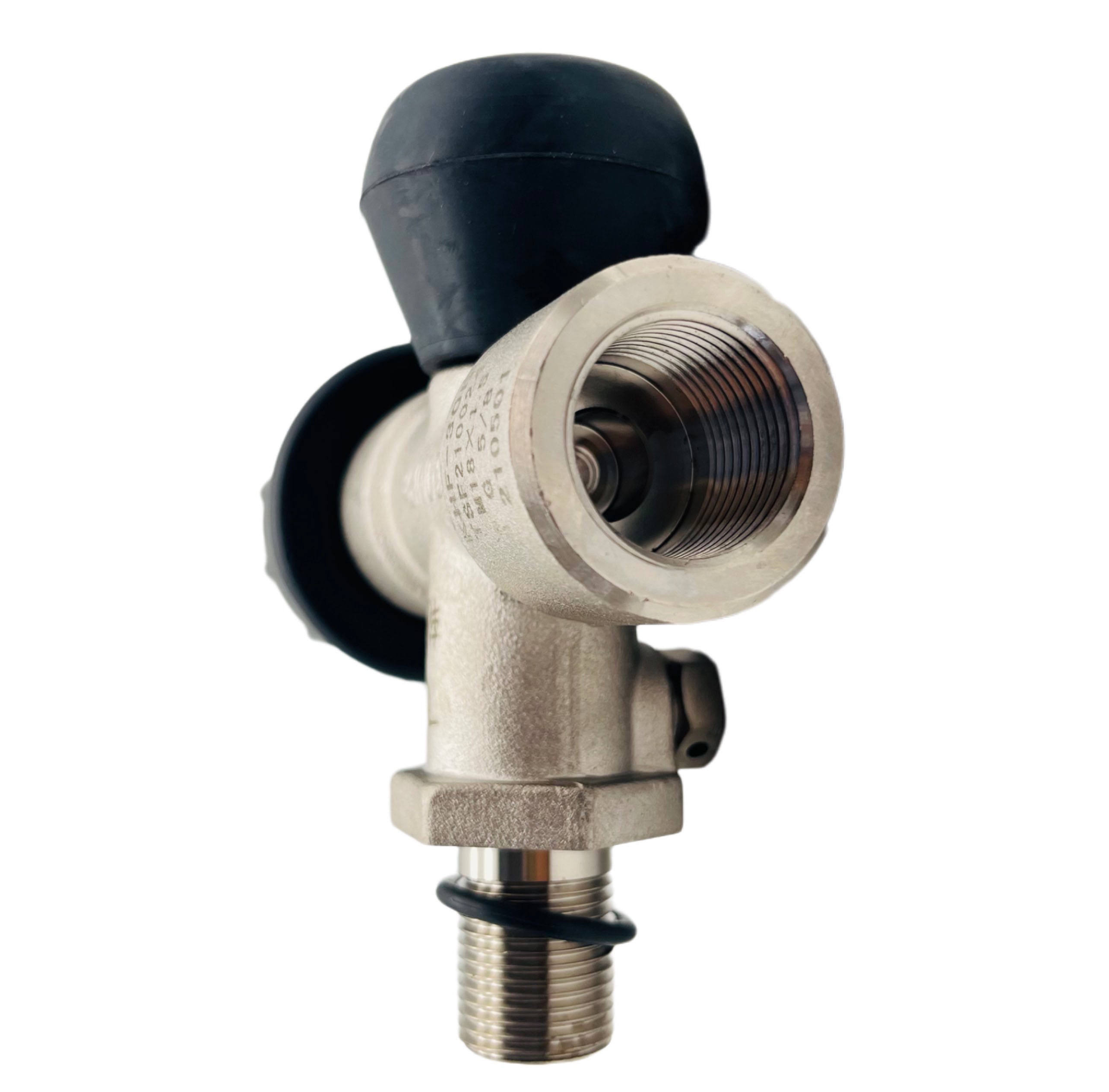
Key Takeaways
- Safety Feature: The vent hole in CO₂ valve threading serves as a critical safety feature designed to manage pressure and prevent hazards.
- Leak Detection and Warning: It functions as a warning mechanism for pressure relief and can help detect leaks within the valve system.
- Industry Discussions: Its mention is most notably found in discussions regarding slow-fill valves on Self-Contained Breathing Apparatus (SCBA) tanks and related engineering forums.
Overview
The topic of vent holes on the threading of a CO₂ valve may appear specific, yet it encompasses key aspects of safety, engineering design, and operational procedures within various industries, including but not limited to SCBA applications, beverage dispensers, and industrial gas systems. In discussions related to slow-fill valves and CO₂ cylinder venting, references to vent holes are often integrated into broader conversations about managing pressure and ensuring the safe operation of gas cylinders.
Context and Application
Vent holes in CO₂ valves are primarily mentioned in contexts where safety and proper valve operation are paramount. For instance, in certain engineering discussions involving SCBA tanks used by firefighters or industrial workers, vent holes on the threading of the valve are highlighted. These valves are designed so that the vent hole may serve several functions:
Pressure Relief
One role of the vent hole is to provide a controlled means for relieving pressure if conditions lead to unexpected pressure build-up after disengaging the valve or during a failure in other parts of the valve mechanism. Controlled venting helps reduce the risk of explosion or damage to the cylinder, especially if the threads or interfacing components are compromised.
Early Leak Detection
Additionally, the vent hole can operate as a weep hole or leak indicator. In some valve designs, a minor leak may be observable through the vent hole, alerting a technician or operator to potential problems with the sealing or other aspects of the valve assembly. This safety feature is crucial in ensuring that corrective measures are taken before a more serious failure occurs.
Audible Warning Mechanism
In some designs, the vent hole also provides an audible cue, serving as a warning that the gas supply may not be entirely shut off, or that there is residual pressure that needs to be addressed. This built-in feedback mechanism is valued in numerous applications ensuring that operators remain aware of unexpected operational statuses.
Detailed Discussion and Industry Insights
The discussion about the vent hole on the threading of a CO₂ valve has appeared in various industrial forums and discussions relating to slow-fill valves. One such discussion involved checking the moisture in SCBA tanks, wherein questions arose regarding the best practices for testing the condition of the cylinder, especially in instances where removing a fitting or using the bleed valve might affect safety. This dialogue highlighted the importance of understanding each component of a gas valve system, including the role of the vent hole.
Safety Considerations
The presence of a vent hole in the threading of CO₂ valves is part of broader design practices intended to enhance overall safety. Gas cylinders, particularly those containing CO₂, present significant hazards if not properly managed. The integration of small vent holes in the thread areas can:
Prevent System Over-Pressurization
When used in systems where gas quickly fills or is quickly released, the vent hole helps mitigate accidental over-pressurization. In modern valve designs, an increase in internal pressure after the valve is partially disengaged can initiate a controlled venting process through these small openings, thereby reducing the risk of catastrophic failure.
Facilitate Routine Maintenance
From the perspective of maintenance and safety checks, these vent holes serve as an easy access point for verifying the system’s integrity. Technicians may observe a small expected flow or an audible signal indicating proper venting when the system is subjected to maintenance checks, as detailed in several online discussions. This streamlined maintenance check can save time and enhance safety.
Application Areas
Although CO₂ valves are commonly associated with beverage dispensers and industrial gas systems, the discussion about vent holes specifically in the threading context has been most prevalent in scenarios involving slow-fill valves for SCBA systems. This is due to the intrinsic demands on safety and the need for reliable operational cues in life-critical equipment. Manufacturers design these systems with multiple safeguards, where the vent holes are one aspect among many.
SCBA Systems
In SCBA systems, where the reliability of the breathing apparatus can be the difference between life and death, every component is scrutinized for safety. Operators and maintenance personnel must be aware of all features that could indicate a fault. The vent hole on the threading of the CO₂ valve is one such feature: its presence reminds technicians that proper inspection must include checking that these holes are neither clogged nor damaged.
Industrial and Beverage Applications
While some applications such as beverage dispensers may not require the stringent safety inspections of SCBA systems, manufacturers still integrate similar venting mechanisms to ensure that any minor leaks or pressure differences do not lead to customer dissatisfaction or equipment failure. In these systems, although the function may be less dramatic, the design principles remain consistent.
Engineering and Mechanical Perspectives
The design of valve threading with integrated vent holes has been a subject of industrial research and engineering discussions. Experts in the field have analyzed the utility and performance of these features using both theoretical models and practical applications. The engineering community has reached a consensus on the advantages of employing vent holes in threads, explaining its mechanics and operations in a detailed manner.
Functional Design Elements
In addition to safety, functional design elements of vent holes are thoroughly evaluated as part of the overall risk management strategy in valve systems. The primary design elements include:
| Design Feature | Description | Purpose |
|---|---|---|
| Venting Orifice | Small hole in the threading | Enables controlled release of excess pressure |
| Leak Detection | Acts as a weep hole for potential gas seepage | Provides early warning of sealing failures |
| Audible Feedback | Produces a recognizable sound upon gas escape | Alerts operators to incomplete shutdown or abnormal pressure levels |
Engineering Discussions and Documentation
Within engineering communities, questions arise regarding whether the vent hole should be utilized as a diagnostic or operational feature. In practice, technical discussions often concentrate on the methodology for inspecting SCBA tanks and evaluating gas valve integrity. In many instances, professionals debate whether to remove CGA fittings or use built-in bleed valves. These dialogues underscore the importance of such design features in ensuring that operational procedures are both effective and safe.
Diagnostic Procedures
One illustrative example from technical discussions involves the query over the best practice for checking moisture within an SCBA tank. There is debate on whether it is more effective to perform venting directly through the valve’s threading by removing the CGA fitting or whether using the bleed valve is preferable. Both approaches acknowledge that the vent holes serve as an integral component in preventing over-pressurization and ensuring that maintenance routines spot potential issues.
Integration with Modern Valve Designs
Modern valve designs embed these principles into a cohesive system where every component, including ostensibly minor features such as vent holes, plays a distinct role in reliability. The threading area is not merely a physical connection but a carefully engineered interface. This integration helps maintain the system’s overall integrity, ensuring that any anomalies—such as unexpected pressure build-up or leaks—are managed safely.
Practical Implications and Considerations for Operators
For operators, technicians, and maintenance personnel, being aware of the function and location of vent holes on CO₂ valve threading is essential. It is not simply a design detail; it plays a practical role in daily equipment checks, maintenance protocols, and troubleshooting operations.
Routine Maintenance Importance
During routine maintenance, operators are advised to carefully inspect all access points for potential blockages or damage. The vent hole, being one of those critical access points, should be examined for cleanliness and integrity. Blockage of the vent hole could result in delayed pressure relief, potentially leading to hazardous conditions. Maintenance guides in several technical domains recommend checking these holes for any signs of fouling or damage as part of the standard inspection process.
Preventative Measures
Preventative measures include the regular cleaning of the valve area and ensuring that any external cap or protective device designed for the valve is in place and effective. This practice helps preserve the operational reliability of the venting mechanism, which is crucial during pressure build-ups or when the valve is disengaged.
Inspection During Valve Operation
Another practical consideration is ensuring that the vent hole’s operation is verified during initial testing and routine use. In many SCBA systems, for instance, verifying that the vent hole is functional and providing the expected auditory or visual cues during disengagement is an important part of the overall check-out process. This verification reassures that the safety measures built into the threading are intact and fully functional.
Comparative Insights from Similar Valve Designs
In addition to CO₂ valves, similar venting mechanisms appear across various types of pressure-regulated systems. Although the explicit context of a vent hole on the threading might differ slightly between applications, the underlying principle remains consistent.
DIN and Other Pressure Valves
For instance, DIN valves used in scuba diving equipment often feature small vent holes to allow gas to escape should an O-ring fail or a sealing issue occur. This design allows for rapid pressure equalization which can be life-saving in an underwater environment. Although the application in scuba gear is distinct from that of CO₂ valves in industrial or SCBA applications, the essential purpose—managing pressure and alerting operators to potential malfunctions—remains similar.
Cross-Application Design Features
Many industrial regulators also incorporate vent holes within their design, even if these are not always located on the threading itself. The underlying engineering rationale—preventing over-pressurization, improving safety, and facilitating early detection of potential leaks—reverberates across all modern valve designs.
Observations from Field and User Discussions
User discussions and field reports indicate that the vent hole on the threading of CO₂ valves is not only a theoretical design element but also a practical tool in diagnosing and maintaining pressure systems. In multiple online forum threads concerning slow-fill valve performance and SCBA maintenance, experienced users have pinpointed the vent hole as a central part of the safety and diagnostics procedure.
Conclusion
In conclusion, the vent hole found on the threading of a CO₂ valve is well-documented within various technical and engineering discussions, particularly in the context of slow-fill valves used for SCBA tanks and similar gas systems. Its primary functions include providing a controlled means for pressure relief, serving as an early leak detector, and offering an audible warning mechanism during valve disengagement or system malfunctions. Although specific documentation may vary across applications—from beverage dispensers to industrial regulators—the underlying engineering principles remain consistent. For operators and maintenance technicians, the proper understanding and inspection of these vent holes are vital for ensuring system safety and operational reliability.
References
More
Last updated February 18, 2025