
Metazoan Diversity in Intertidal Regions of Peninsular India
Exploring Taxonomic Richness through Metagenomic Sequencing
Key Takeaways
- Arthropoda Dominance: Both intertidal regions show a preponderance of arthropods, establishing them as the most taxonomically diverse and ecologically significant group.
- Prominent Insect Families: Within Arthropoda, the class Insecta, especially families such as Hydropsychidae and Polycentropodidae, is highly represented, highlighting adaptations to intertidal conditions.
- Diverse Complement of Mollusca and Annelida: Alongside arthropods, substantial representation from Mollusca, particularly Gastropoda, and Annelida, mainly Polychaeta, underscores a rich biodiversity and ecosystem balance.
Introduction
The study of metazoan diversity in intertidal zones along the Peninsular Indian Coastal Waters reveals a trove of biological information crucial for understanding ecosystem functionality. Utilizing metagenomic sequencing, researchers have been able to thoroughly investigate the taxonomic composition and abundance of organisms inhabiting these dynamic habitats. The metagenomic approach bypasses the need for traditional culturing techniques and allows for a comprehensive inventory of biodiversity. This methodology is particularly effective in environments like intertidal regions, where the interplay between terrestrial and marine influences creates a mosaic of microhabitats. This detailed analysis focuses on the diversity within major phyla—especially Arthropoda, Mollusca, and Annelida—across these regions.
Ecological Context and Importance
Intertidal Ecosystems: A Zone of Transition
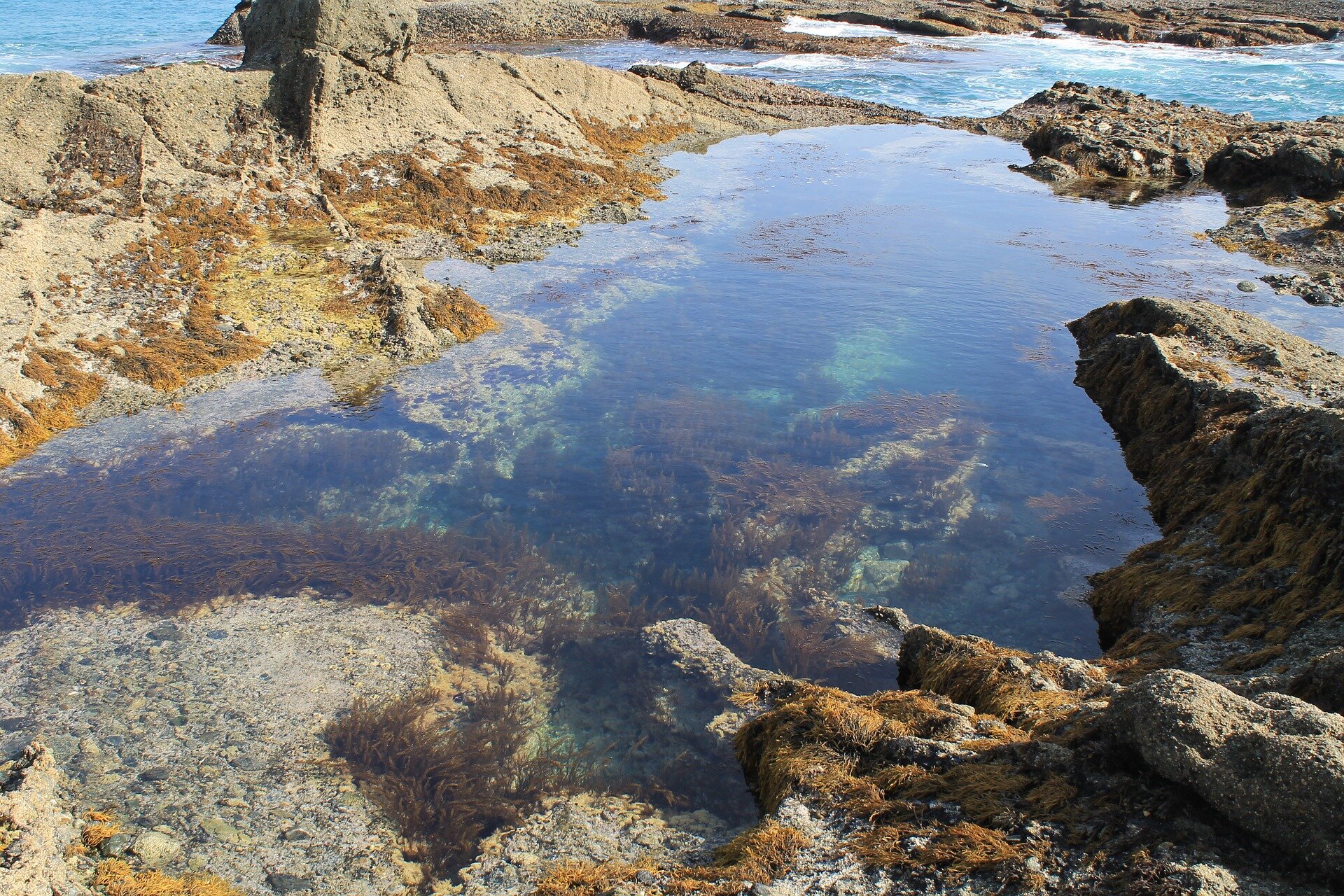
Intertidal zones are areas where land meets the sea and are characterized by fluctuating conditions including tides, salinity, temperature gradients, and variable exposure to environmental factors such as sunlight and air. These conditions create a diverse set of ecological niches that support a wide array of organisms. Consequently, understanding the composition of life forms in these regions helps elucidate the processes governing species adaptation and ecosystem resilience.
Adaptive Traits of Arthropods
One of the most striking findings of metagenomic analyses in these intertidal regions is the overwhelming dominance of the phylum Arthropoda. Arthropods exhibit a remarkable plasticity in their anatomy and life cycles, traits that have allowed them to inhabit diverse terrestrial and aquatic environments successfully. Their success in intertidal habitats is attributed to their:
- Physiological Adaptability: The ability to withstand rapid changes in moisture, temperature, and salinity.
- Morphological Innovations: Exoskeleton adaptations that provide both protection and mobility in variable substrates.
- Behavioral Variability: Diverse reproductive strategies and feeding behaviors that allow exploitation of different resources.
These adaptations have resulted in the phylum Arthropoda emerging as one of the most taxonomically and numerically significant groups in these coastal settings.
Detailed Analysis of Key Phyla
Arthropoda: The Cornerstone of Intertidal Biodiversity
Taxonomic Richness and Ecological Significance
Across both studied regions, arthropods are revealed to be the most taxonomically rich group. This indicates not only their evolutionary success but also their pivotal ecological roles. The high diversity within this phylum is likely due to their versatility in adapting to the mosaic of ecological niches that intertidal zones offer.
Among arthropods, the class Insecta has been emphasized due to its large number of species and specialized families. Two families stand out:
- Hydropsychidae: Commonly known as net-spinning caddisflies, these insects are well-adapted to freshwater and brackish environments, where they construct intricate silk nets to capture food particles. Their presence in intertidal zones is indicative of their robust physiological and behavioral strategies that allow them to cope with fluctuating environmental conditions.
- Polycentropodidae: Also caddisflies, this family enriches the genetic and functional diversity of intertidal ecosystems. Their success further underscores the adaptability of insects that often transition between aquatic larval stages and terrestrial adulthood.
The prevalence of these families suggests that certain evolutionary traits confer strong competitive advantages in the complex and ever-changing environments of coastal intertidal zones.
Evolutionary Implications
Arthropods have a long evolutionary history, with evidence of this group dating back over 400 million years. This long lineage has given rise to a myriad of species that could colonize diverse ecological setups. Their early colonization of terrestrial habitats, followed by subsequent exploitation of intertidal zones, demonstrates their evolutionary versatility. This capability is also supported by cyclical life histories and efficient energy conversion strategies that enable them to exploit intermittently available resources.
Mollusca: The Role of Gastropods
Biodiversity in Mollusca
Although arthropods dominate the taxonomic assessments, the phylum Mollusca is equally essential in maintaining ecosystem stability. Within this phylum, the class Gastropoda—which includes snails and slugs—shows considerable diversity across both intertidal regions. Gastropods contribute to nutrient cycling, substrate modification, and the food web dynamics in these habitats.
Their diverse shell morphologies and feeding strategies allow them to inhabit various microhabitats, from rocky shores to sandy substrates. Additionally, mollusks are often used as bioindicators because of their sensitivity to environmental changes, such as pollution and habitat disturbance. Monitoring gastropod populations can thus provide valuable insights into the health of coastal ecosystems.
Ecological Contributions
Gastropods play multiple roles:
- Herbivory and Detritivory: They help control algal growth and aid in the breakdown of organic matter.
- Habitat Structuring: Their shells and burrowing behavior contribute to the structuring of microhabitats, which affects the distribution and abundance of other organisms.
- Biodiversity Support: As a food source for predators, they contribute to energy transfer within the ecosystem.
Annelida: The Influence of Polychaetes
Diversity and Habitat Engineering
Annelids, particularly those belonging to the class Polychaeta, are prominently featured in the metagenomic profiles of intertidal zones. Polychaetes, or bristle worms, display a wide array of morphologies and occupy both free-living and tube-building niches. Their burrowing activities can significantly influence the sediment structure and overall stability of the coastal ecosystem.
The ecological roles of polychaetes include:
- Bioturbation: Their movement and burrowing help mix sediments, which enhances nutrient cycling and oxygen penetration in the substrate.
- Food Web Support: Serving as prey for a range of higher trophic level organisms including birds and fish, they are integral links in coastal food webs.
- Environmental Indicators: Just like mollusks, polychaetes are sensitive to environmental changes and offer important bioindicator roles for assessing coastal ecosystem health.
Comparative Overview: Taxonomic Abundance and Functional Roles
To better understand the ecological roles and taxonomic distribution observed in these intertidal regions, it is useful to compare the key characteristics of the dominant phyla. The table below summarizes these aspects:
| Phylum | Dominant Class | Notable Families/Groups | Ecological Roles |
|---|---|---|---|
| Arthropoda | Insecta | Hydropsychidae, Polycentropodidae | Adaptability to varied niches, high diversity, significant contribution to energy cycling, predator-prey interactions. |
| Mollusca | Gastropoda | N/A | Nutrient cycling, bioindication, substrate modification, control of algal populations. |
| Annelida | Polychaeta | N/A | Sediment bioturbation, ecosystem engineering, food web support, environmental monitoring. |
This comparative framework highlights that while arthropods are taxonomically dominant, the ecological balance of the intertidal zone is maintained by a synergistic network that includes mollusks and annelids. Each phylum contributes unique functions that promote ecosystem health and resilience under fluctuating environmental conditions.
Methodological Advances: Metagenomics in Biodiversity Assessment
Metagenomic Sequencing: An Overview
Metagenomic sequencing has revolutionized our understanding of biodiversity by offering a culture-independent means to survey complex ecosystems. This approach involves extracting and analyzing DNA directly from environmental samples, which provides an unbiased view of the genetic composition present within a habitat. By sequencing environmental DNA, researchers can detect both abundant and rare organisms, thereby obtaining a holistic picture of biodiversity.
Advantages Over Traditional Methods
Traditional biodiversity assessments have relied heavily on morphological identification and culturing techniques. However, these methods come with limitations, especially in intertidal zones where many organisms are cryptic, have life stages that are difficult to culture, or are present in minimal numbers.
- Comprehensive Coverage: Metagenomic sequencing captures a wide spectrum of organisms, including those that might be missed by conventional sampling methods.
- High Resolution Taxonomic Identification: The use of high-throughput sequencing platforms allows for the identification of organisms to very specific taxonomic levels, sometimes down to the species or strain level.
- Assessment of Functional Potential: Beyond merely cataloging taxa, metagenomics also provides insight into the potential functional roles of organisms by identifying genes associated with specific metabolic pathways.
Challenges and Considerations
Despite the significant strengths, working with metagenomic data can present challenges. Issues such as DNA degradation in harsh intertidal environments, the complexity of bioinformatics analyses, and the need to differentiate between resident species and transient DNA fragments require robust methodological frameworks. Researchers must therefore apply rigorous quality controls and bioinformatics pipelines to ensure accurate interpretations of the data.
Implications for Coastal Ecosystem Management
Understanding Biodiversity for Conservation
Insights gained from metagenomic studies in intertidal zones are directly applicable to conservation practices. By cataloging the taxonomic composition and diversity of key phyla, managers are better equipped to evaluate the ecological status of these habitats. The dominance of arthropods, supplemented by important roles played by mollusks and annelids, offers an integrated view of how intertidal ecosystems function.
Adaptive Management Strategies
Conservation efforts in coastal areas must account for the dynamic nature of intertidal zones. Adaptive management strategies can benefit from metagenomic assessments to:
- Monitor Ecosystem Health: Regularly assessing the biodiversity levels can serve as an early warning system for environmental degradation.
- Identify Bioindicator Species: Species sensitive to pollution or habitat disturbances, such as certain mollusks and polychaetes, can be used as indicators of overall system health.
- Inform Restoration Efforts: Knowledge about the key taxonomic groups and their ecological roles aids in recreating or sustaining functional intertidal habitats during restoration projects.
Engaging stakeholders—from local communities to policy-makers—in biodiversity monitoring initiatives helps to create a collaborative framework for coastal ecosystem management. The scientific findings serve as an evidence base to drive policy changes and promote sustainable use of intertidal resources.
Integrative Perspectives on Ecological Dynamics
Interactions Among Taxonomic Groups
The intertidal ecosystem is characterized by intricate interactions among different taxonomic groups. The dominant arthropods not only function as primary consumers and detritivores but also influence the population dynamics of other marine species through their roles in food webs. Their interactions with mollusks and annelids add layers of complexity to nutrient cycling and energy flow.
Symbiosis and Competition
In intertidal zones, symbiotic relationships and competitive interactions are prevalent. For example:
- Symbiotic Associations: Some arthropods establish mutualistic relationships with other invertebrates, enhancing nutrient acquisition and providing effective defense mechanisms against predators.
- Resource Competition: Competition for space, food, and shelter drives evolutionary adaptations among species, leading to the development of niche differentiation which minimizes direct competition. Such differentiation ensures that while arthropods might dominate numerically, other groups find distinct ecological roles that secure their persistence in the ecosystem.
The interplay among these interactions ensures that the intertidal community remains dynamic yet balanced, with fluctuations in one group often buffered by compensatory changes in another.
Resilience and Response to Environmental Stress
A key attribute of intertidal ecosystems is their resilience to environmental stressors such as wave action, temperature shifts, and human-induced impacts like pollution. The genetic and ecological diversity within arthropods, mollusks, and annelids provides multiple layers of redundancy, ensuring that ecosystem functionality is maintained even when some taxa are adversely affected by environmental stress.
Community Recovery and Adaptation
The robustness of these coastal ecosystems is largely a result of the adaptive strategies inherent to these taxa. After disturbance events, recovery processes are facilitated by:
- Genetic Diversity: High genetic variability within dominant groups like arthropods offers a pool of adaptive traits that can be selected for during times of stress.
- Functional Redundancy: With multiple species fulfilling similar ecological roles, the loss or reduction of one species does not drastically impede the overall function of the ecosystem.
- Rapid Life Cycles: Many intertidal organisms have short generation times, which accelerates evolutionary adaptations and allows for swift recovery post-disturbance.
These intrinsic properties enable intertidal ecosystems to rapidly re-establish ecological equilibrium following disturbances, making them a stellar example of nature’s resilience.
Future Directions in Biodiversity Research
Emerging Technologies and Expanding Horizons
While metagenomic sequencing has provided profound insights into metazoan diversity, future research directions point towards integrating multiple “omics” approaches to further unravel ecological complexities. Combining metagenomics with metabolomics, proteomics, and transcriptomics can reveal not just the taxonomic composition but also the functional processes at play.
Interdisciplinary Integration
By merging genetic data with environmental metrics, algorithms can be developed that predict shifts in biodiversity in response to climate change, pollution, and other anthropogenic influences. This integrative approach is crucial for:
- Developing Predictive Models: Creating models that simulate the response of intertidal ecosystems to various stressors.
- Enhancing Biodiversity Monitoring: Integrating remote sensing data with metagenomic profiles to provide real-time monitoring of ecosystem health.
- Guiding Conservation Policy: Providing evidence-based recommendations for sustainable management and protection of coastal zones.
Community Engagement and Citizen Science
Additionally, the role of citizen science in the collection and monitoring of coastal biodiversity has grown in relevance. With the proliferation of accessible DNA sampling kits and mobile data collection apps, local communities can now contribute meaningfully to biodiversity databases. Such collaborations not only democratize science but also ensure that conservation strategies are grounded in local ecological realities.
Looking forward, the integration of cutting-edge technologies and community engagement holds promise for more dynamic ecosystem management and conservation efforts in intertidal regions. This evolution in research methods is likely to uncover previously unforeseen aspects of biodiversity, further enriching our understanding of these complex ecosystems.
Conclusion
In summary, the metagenomic analysis of two distinct intertidal regions along the Peninsular Indian Coastal Waters reveals a rich and complex tapestry of biodiversity. Dominated by highly adaptable arthropods, the ecosystems also prominently feature diverse groups from the phyla Mollusca and Annelida, each playing crucial roles in maintaining environmental balance. The prevalence of arthropods, particularly within the class Insecta and their constituent families such as Hydropsychidae and Polycentropodidae, underscores their evolutionary success and ecological significance. Meanwhile, gastropods contribute to nutrient cycling and habitat structuring, and polychaetes enhance sediment dynamics and serve as essential links in the food web.
Through the adoption of metagenomic sequencing, researchers have unlocked a deeper understanding of these ecosystems, enabling comprehensive assessments of taxonomic composition and functional potential. This approach not only mitigates the limitations of traditional biodiversity assessments but also provides critical insights into ecosystem resilience and adaptive capacity.
Ultimately, the insights gleaned from these studies have broader implications for coastal ecosystem management and conservation. They inform adaptive management strategies, aid in the creation of predictive models, and foster community-based monitoring initiatives that together ensure the sustained health of vital intertidal habitats. As research methodologies advance and interdisciplinary collaborations expand, our understanding of these intricate and dynamic ecosystems will continue to improve, paving the way for more effective conservation and management efforts.
References
- Distribution and diversity of intertidal marine faunal species (view) - Records of ZSI
- Distribution and diversity of intertidal marine faunal species (download) - Records of ZSI
-
Metagenomic sequencing of environmental DNA reveals marine ... - ScienceDirect
- Forest Arthropod Diversity - SpringerLink
- Diversity and Functional Patterns of Benthic Amphipods - Frontiers in Marine Science
More
Last updated February 19, 2025