
Research Proposal: Assessing the Impact of Climate Change on Coastal Ecosystems
A comprehensive study integrating ecological and socio-economic perspectives
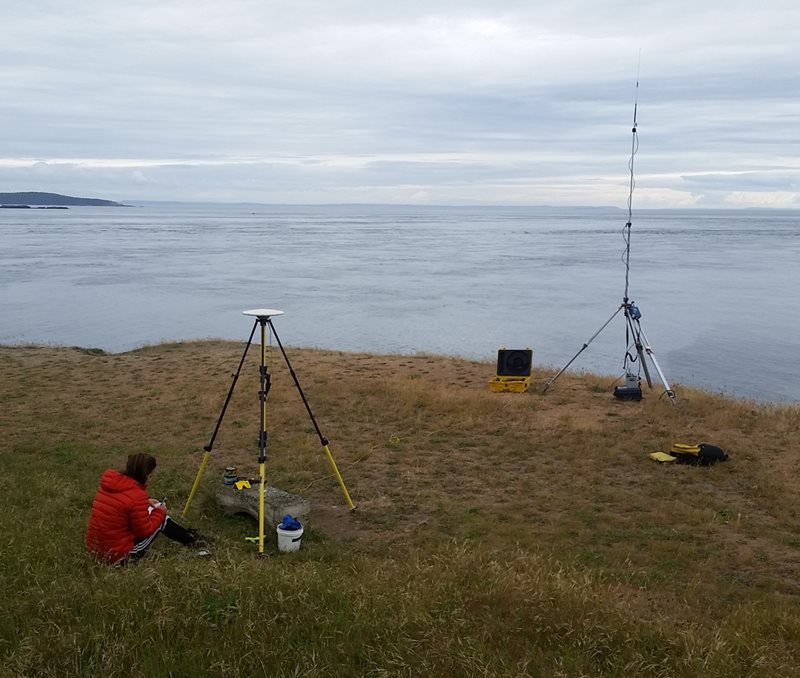
Highlights
- Interdisciplinary Focus: Combines ecological, climatological, and socio-economic analyses.
- Robust Methodology: Utilizes mixed methods with quantitative remote sensing and qualitative interviews.
- Actionable Outcomes: Aims to develop effective mitigation strategies for coastal communities.
Abstract
This research proposal outlines a study aimed at assessing the impact of climate change on coastal ecosystems, with a specific focus on the ecological imbalance and socio-economic disruptions experienced by coastal communities. The study will employ a mixed-methods approach to examine the effects of rising sea levels, increased storm frequency, and changing water temperatures on biodiversity and local industries. The anticipated outcomes include a detailed understanding of the stressors affecting coastal habitats and the development of actionable mitigation strategies that can be implemented by policymakers and local stakeholders. This work seeks to fill current gaps in the literature by providing comprehensive, interdisciplinary insights into how climate change interacts with human activities along coastal margins.
Introduction
Coastal ecosystems are among the most vulnerable environments on the planet. They serve as critical habitats for a diverse range of species and are essential to the livelihoods of millions of people. In recent decades, climate change has introduced a rapid pace of environmental alterations, including rising sea levels, more frequent storms, and warmer water temperatures. These changes have profound implications for marine biodiversity, coastal erosion, and the socio-economic fabric of coastal communities.
This proposal seeks to address the broad question: How is climate change affecting coastal ecosystems both ecologically and socio-economically, and what strategies can be devised to mitigate these impacts? The study aims to not only provide a detailed assessment of these challenges but also propose sustainable solutions that encompass environmental management and community adaptation.
Literature Review
Past research has extensively documented the vulnerability of coastal ecosystems to climate change. Increasing sea surface temperatures, for example, have been directly linked to coral bleaching, while rising sea levels contribute to the loss of coastal habitats. Studies such as those reviewed by Scribbr and York St John University emphasize that while the ecological impacts are well-documented, there remains a significant gap in understanding the cumulative socio-economic costs borne by coastal communities.
The literature shows that existing research often focuses on either the ecological impacts of climate phenomena or the socio-economic challenges independently. However, an integrative study capturing both dimensions is scarce. By synthesizing insights from environmental science, urban planning, and socio-economic research, the proposed study will offer a holistic view that expands current academic understanding and informs practical policy measures.
Aims and Objectives
Primary Aim
To comprehensively assess the impacts of climate change on coastal ecosystems, with an emphasis on both ecological degradation and socio-economic consequences.
Specific Objectives
- Objective 1: Identify and quantify the key environmental changes (e.g., sea level rise, water temperature changes) that are influencing coastal ecosystems.
- Objective 2: Evaluate the biological impacts, including shifts in species distribution, coral degradation, and ecosystem health indicators.
- Objective 3: Analyze the socio-economic impacts on local communities, particularly in terms of fisheries, tourism, and habitation risks.
- Objective 4: Develop and propose mitigation strategies that integrate ecological management with community-based adaptation.
Research Design and Methods
Methodological Approach
This study will adopt a mixed-methods research design combining both qualitative and quantitative techniques to ensure a thorough understanding of the multifaceted impacts of climate change on coastal areas.
Quantitative Methods
Remote Sensing and Field Measurements: Data regarding sea level changes, water temperature, and coastal erosion will be collected using satellite imagery and physical sensor networks placed in key target areas. Standardized environmental assessment tools will track changes over time and quantify the extent of environmental stress on coastal ecosystems.
Data Analysis: The collected data will be analyzed using statistical software to identify trends and correlations. The analysis aims to quantitatively assess the relationship between climate indicators and ecosystem degradation.
Qualitative Methods
Semi-Structured Interviews: In-depth interviews with local stakeholders—including community leaders, business owners, fishermen, and scientists—will be conducted to understand the socio-economic implications of climate change. These interviews will provide contextual insights that complement quantitative data.
Focus Groups: Organized discussions with members of the affected communities will elaborate on the challenges faced and potential adaptive strategies that can be practically implemented.
Case Studies: Specific coastal areas that have undergone significant change will be selected for detailed case studies. These benefit from rich, contextual data and can serve as models for general applicability in similar ecosystems.
Project Timeline and Milestones
The project is slated to span 24 months, with clearly defined phases that ensure comprehensive data collection, analysis, and reporting. Each phase is associated with specific deliverables, making it possible to monitor progress and adapt the research design as needed.
| Phase | Timeframe | Key Activities |
|---|---|---|
| Literature Review & Project Setup | Months 1-3 | Comprehensive review of existing research, finalization of the research design, and selection of study sites. |
| Quantitative Data Collection | Months 4-9 | Deployment of sensors, remote sensing data collection, and preliminary environmental assessments. |
| Qualitative Data Collection | Months 7-12 | Conducting interviews, focus groups, and initiating case studies in selected coastal areas. |
| Data Analysis & Framework Development | Months 13-18 | Integration of quantitative and qualitative data, systematic analysis of results, and development of conceptual frameworks. |
| Validation & Strategy Development | Months 19-22 | Testing and validation of proposed mitigation strategies, stakeholder consultations, and refining the framework. |
| Reporting & Dissemination | Months 23-24 | Final reports, conference presentations, and publication of research findings. |
Budget
A realistic budget is critical for successfully executing this interdisciplinary research. The proposed budget covers several key areas:
- Equipment and Supplies: Expenses associated with sensors, remote sensing data acquisition, and laboratory supplies for environmental analysis.
- Personnel: Funding for research assistants, field technicians, and data analysts.
- Travel and Fieldwork: Travel costs for site visits, stakeholder interviews, and focus group sessions.
- Stakeholder Engagement: Organization of community meetings and focus group logistics.
- Dissemination: Costs associated with publications, conference fees, and production of informational materials.
Expected Outcomes and Implications
The anticipated outcomes of this research include:
- Enhanced Scientific Insight: Through the systematic collection and integration of quantitative and qualitative data, the study will contribute a clearer understanding of the environmental dynamics affecting coastal ecosystems.
- Practical Mitigation Strategies: The development of evidence-based strategies tailored for coastal communities will provide actionable insights for policymakers and local stakeholders, potentially reducing the vulnerability of coastal regions to climate change.
- Interdisciplinary Framework: By merging ecological data with socio-economic analyses, the research will serve as a model for future studies that require a comprehensive look at the interplay between environment and society.
- Community Empowerment: The engagement with local stakeholders during the research process is expected to foster greater awareness and drive community-led initiatives for sustainable adaptation.
Ethical Considerations
Upholding ethical standards is a priority in this study. Informed consent will be obtained from every participant involved in qualitative data collection. Data privacy will be ensured by anonymizing interview responses and focus group contributions. Additionally, the research will follow established guidelines for environmental data collection to minimize ecological disruption.
Dissemination of Findings
The final phase of the project will focus on disseminating the research findings to a wide audience:
- Academic Publications: Submission of articles to peer-reviewed journals specializing in environmental science, ecology, and socio-economics.
- Conferences: Presentation of results at international and regional conferences focused on climate change and coastal management.
- Community Workshops: Organizing sessions for local communities and policymakers to discuss the research outcomes and practical implications.
- Online Platforms: Publication of an interactive summary on dedicated project websites and social media channels to ensure wide accessibility.
References
- 17 Research Proposal Examples (2025) - Helpful Professor
- How to Write a Research Proposal | Examples & Templates - Scribbr
- Examples of Research Proposals - York St John University
-
Research Proposal Examples: Templates & Best Practices
- How to Write a Research Proposal: (with Examples & Templates) - Paperpal
Recommended Related Queries
Last updated March 18, 2025