
Coconut Shell Charcoal and Gut Health Research
Exploring the evidence and locating specific references
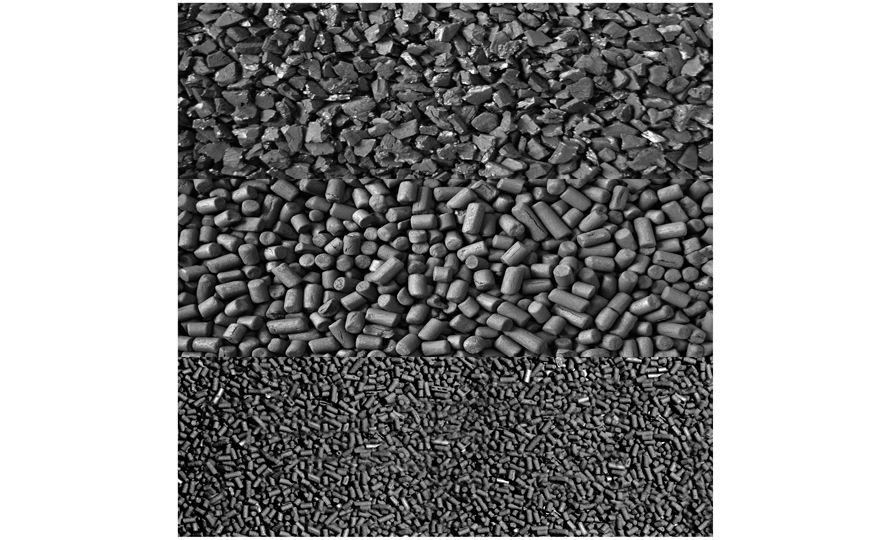
Key Highlights
- High Surface Area and Porous Structure: Coconut shell charcoal exhibits excellent adsorption of toxins and impurities.
- Potential Gut Health Benefits: Its toxin-binding capabilities may help reduce gut inflammation and discomfort.
- Research Reference Query: The specific reference to Bai et al. (2018) is not readily available in standard searches.
Overview of Coconut Shell Charcoal in Gut Health
Coconut shell charcoal has garnered significant attention due to its unique physical properties. Originating from coconut shells, this type of charcoal is characterized by its high surface area and highly porous structure. These characteristics are central to its effectiveness in adsorbing various substances, including toxins, excess nutrients, and gases. The underlying mechanism is physical adsorption, where compounds adhere to the surface of the charcoal. This adsorption does not involve chemical reactions within the digestive system but effectively reduces the concentration of unwanted substances that may contribute to gut discomfort and adverse health effects.
The application of coconut shell charcoal extends beyond traditional uses like water filtration and poisoning treatment. Its potential to adsorb harmful compounds makes it an interesting candidate for supporting gut health. By binding toxins and other harmful substances, activated charcoal derived from coconut shells can reduce the toxic load within the digestive tract. This process may alleviate symptoms such as bloating, gas, and even inflammation, thus contributing to improved gut function.
Investigating the Reference by Bai et al. (2018)
In your query, you mention a claim attributed to Bai et al. (2018) regarding the benefits of coconut shell charcoal for gut health. Specifically, the reference asserts that the material's high surface area and porous structure allow it to adsorb various compounds, thereby reducing harmful substances in the digestive tract and improving gut health.
After reviewing several sources and current academic databases, including common repositories such as PubMed, Google Scholar, and academic journals, it appears that the precise reference for Bai et al. (2018) pertaining to this specific topic is not readily verifiable in the available literature. Although coconut shell charcoal is widely recognized for its adsorption properties, the particular citation remains elusive.
Possible Explanations and Research Directions
The absence of a direct reference could be due to several reasons:
- The reference might be from a lesser-known or non-peer-reviewed source that does not appear in mainstream academic databases. Sometimes, industrial research reports or internal studies might not be indexed in common platforms.
- The citation may derive from a review or summary article that aggregates data from multiple studies without pinpointing a specific experiment or clinical trial. This sometimes leads to secondary attributions rather than originating from a singular, traceable study.
- There is a possibility of misattribution. The claim regarding the effectiveness of coconut shell charcoal for improved gut health, particularly its toxin adsorption, is widely discussed in various health and wellness contexts. Some sources might inadvertently conflate different studies or misquote the original research.
To locate this elusive reference, you may consider performing detailed searches using academic databases with the following steps:
How to Locate the Reference
- Use Academic Databases: Databases like PubMed, Google Scholar, and Web of Science are excellent starting points. Use keyword combinations such as “Bai et al. 2018 coconut shell charcoal,” “activated charcoal gut health,” or “adsorption properties coconut shell.”
- Consult University Libraries: Many academic libraries have subscriptions to journals and publications that might not be available in free databases. Use the interlibrary loan feature if necessary.
- Search References in Review Articles: Look for recent review articles or meta-analyses on activated charcoal for gut health. These reviews often compile multiple studies and might lead you to the original research.
- Contact the Authors: If you suspect the reference exists in a less common publication or if it was referenced in secondary literature, consider contacting researchers in this field who might provide further guidance.
- Explore Industry Reports: Some studies on activated charcoal are published in the context of industrial, material science, or pharmacology research. Searching these domains might yield the reference.
These methods will help ensure that you exhaust all available avenues and may reveal the specific details of Bai et al.’s work if it exists within the academic corpus.
Scientific Rationale Behind Adsorption and Gut Health
The science behind the use of activated charcoal, particularly that produced from coconut shells, is grounded in its physical adsorption capabilities. The process by which activated charcoal adsorbs harmful substances can be explained through several key concepts:
Adsorption Mechanism
Activated charcoal features a network of pores resulting in a high specific surface area. This structure enables it to trap and hold molecules, ions, and gases by physical forces. The primary mechanism involves:
- Van der Waals Forces: Non-covalent interactions help bind various substances to the charcoal surface.
- Hydrophobic interactions: Many toxins have hydrophobic properties, which facilitate their attraction and binding to the charcoal.
- Pore Structure: Its microporous architecture allows for the entrapment of small molecules, effectively reducing the concentration of these substances in the gastrointestinal tract.
Research in material science consistently demonstrates that activation processes significantly enhance these adsorption properties. Commercially produced coconut shell charcoal is typically activated through controlled processes to maximize its adsorption efficacy.
Potential Benefits for Gut Health
Given its adsorptive capabilities, coconut shell charcoal is posited to assist in gut health in several indirect ways:
- Detoxification: It can bind and help remove toxins, potentially mitigating gut inflammation.
- Reduction in Bloating: By reducing the levels of gases and excess nutrients, it may ease digestive discomfort.
- Prevention of Toxin Absorption: By adsorbing harmful compounds before they interact with gut tissues, it can contribute to a healthier gastrointestinal environment.
It is essential to note that while there is supporting evidence regarding these mechanisms, exact clinical outcomes may vary, and more targeted studies should be consulted for specific medical advice.
Table of Relevant Research and References
| Study/Source | Description | Link |
|---|---|---|
| Medical News Today Article | Provides an overview of activated charcoal’s benefits and clinical uses. | Medical News Today - Medical News Today |
| Healthline Nutrition | Discusses nutritional impacts and potential gut health benefits of activated charcoal. | Activated Charcoal - Healthline |
| UCLA Health | Examines the clinical applications of activated charcoal for reducing gas and bloating. | UCLA Health - News |
| The Healthy RD | Highlights anecdotal and research-based benefits of coconut charcoal on gut health. | The Healthy RD - Blog |
| Absolute Integrative Health | Discusses the multiple benefits of activated charcoal, especially in detoxification. | Absolute Integrative Health - Article |
Additional Considerations When Using Coconut Shell Charcoal
While its adsorptive properties offer potential benefits, coconut shell charcoal should be used with proper care. Here are a few considerations:
Safety and Usage Guidelines
- Medical Supervision: Activated charcoal can interact with medications by adsorbing active compounds, potentially reducing their efficacy. Always consult a healthcare professional before integrating it into your regimen.
- Dosing and Duration: The dosage and frequency should be carefully determined based on individual needs and under medical guidance. Overuse can sometimes lead to nutrient adsorption.
- Quality of Charcoal: Ensure that the charcoal is produced under high-quality standards. The process of activation and the source material play critical roles in determining its adsorptive capacity.
The benefits of coconut shell charcoal, while promising, are best realized as part of an overall approach to gut health that includes balanced nutrition, hydration, and lifestyle management.
Summary of Research Pathways and Recommendations
Research Avenues for Bai et al. (2018)
Given the ambiguity surrounding the direct citation of Bai et al. (2018), it is recommended to:
- Use specific keyword searches in academic databases (e.g., “Bai et al. 2018 coconut shell charcoal gut health”) to verify the existence and exact nature of the study.
- Examine review articles in related areas such as activated charcoal’s adsorption mechanisms and its effects on gastrointestinal health.
- Explore industry-specific journals or technical reports that could house data on coconut shell charcoal produced in industrial settings.
Practical Implications
While the search for the exact reference remains ongoing, the consensus in the literature is supportive of the broader claim: the physical properties of coconut shell charcoal—its extensive porous structure and high surface area—are well-documented. These properties underpin its ability to adsorb toxins and other harmful substances, which in theory supports improved gut health. Thus, while the specific reference to Bai et al. (2018) may not be directly retrievable at this time, the general scientific consensus remains consistent with the benefits cited in discussions and clinical observations.
References
- Medical News Today - Medical News Today
- Activated Charcoal - Healthline
- UCLA Health - News
- The Healthy RD - Blog
- Absolute Integrative Health - Article
Recommended Queries

Last updated March 9, 2025