
Comprehensive Strategies to Combat IgA Nephropathy
Effective Management and Emerging Treatments for Berger's Disease
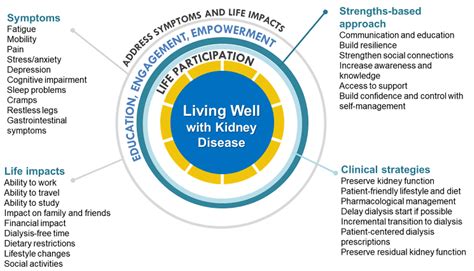
Key Takeaways
- Blood Pressure Control is Crucial: Utilizing ACE inhibitors and ARBs alongside lifestyle modifications significantly slows disease progression.
- Immunosuppressive Therapies Offer Relief: Corticosteroids and other immunosuppressants reduce kidney inflammation and immune response.
- Emerging Treatments Show Promise: Novel therapies like SGLT2 inhibitors and targeted biological agents are enhancing treatment efficacy.
1. Medication-Based Treatments
1.1. Blood Pressure Management
Controlling blood pressure is fundamental in managing IgA Nephropathy. Elevated blood pressure can accelerate kidney damage, making its regulation imperative.
1.1.1. ACE Inhibitors and ARBs
Angiotensin-Converting Enzyme (ACE) inhibitors and Angiotensin II Receptor Blockers (ARBs) are cornerstone medications in the management of IgAN. They help lower blood pressure and reduce proteinuria, thereby protecting kidney function.
1.1.2. Diuretics
Diuretics assist in managing fluid retention and edema, commonly seen in IgAN patients. By promoting the excretion of excess fluids, they help maintain optimal blood pressure levels.
1.2. Immunosuppressive Therapy
Immunosuppressive agents play a critical role in reducing kidney inflammation and halting disease progression, especially in patients with significant proteinuria or rapid decline in kidney function.
1.2.1. Corticosteroids
Corticosteroids such as prednisone are commonly prescribed to suppress the immune system, thereby reducing inflammation within the kidneys.
1.2.2. Other Immunosuppressants
Agents like cyclophosphamide and mycophenolate mofetil are utilized in severe cases to further diminish immune system activity and prevent kidney damage.
1.3. SGLT2 Inhibitors
Sodium-Glucose Co-Transporter-2 (SGLT2) inhibitors, originally developed for diabetes management, have shown efficacy in slowing kidney disease progression in IgAN patients by reducing hyperfiltration and proteinuria.
1.4. Cholesterol-Lowering Medications
Statins are employed to manage hyperlipidemia, which is often associated with chronic kidney disease. By lowering cholesterol levels, statins help prevent cardiovascular complications and protect kidney health.
1.5. Emerging Pharmacological Treatments
New therapies targeting specific pathogenic pathways are under investigation. These include complement inhibitors like eculizumab and B-cell targeting agents, which aim to address the underlying immune dysfunction in IgAN.
2. Dietary and Lifestyle Modifications
2.1. Dietary Adjustments
Adopting a kidney-friendly diet can alleviate symptoms and reduce the burden on the kidneys.
2.1.1. Low-Sodium Diet
Reducing sodium intake helps control blood pressure and minimize fluid retention, thereby decreasing stress on the kidneys.
2.1.2. Protein Restrictions
Limiting dietary protein intake can reduce proteinuria and the subsequent strain on kidney filtration mechanisms, particularly in advanced stages of IgAN.
2.1.3. Low-Potassium and Low-Phosphorus Diets
As kidney function declines, managing electrolyte levels becomes essential. Restricting potassium and phosphorus helps prevent hyperkalemia and hyperphosphatemia.
2.2. Lifestyle Changes
Incorporating healthy lifestyle habits can significantly impact disease progression and overall well-being.
2.2.1. Regular Exercise
Engaging in moderate physical activity supports cardiovascular health and aids in maintaining a healthy weight, both of which are beneficial for kidney function.
2.2.2. Smoking Cessation
Avoiding tobacco use is crucial as smoking exacerbates hypertension and accelerates kidney damage.
2.2.3. Stress Management
Managing stress through techniques such as meditation, yoga, or counseling can help regulate blood pressure and immune responses.
3. Supportive Care and Symptom Management
3.1. Monitoring and Regular Follow-Up
Continuous monitoring of kidney function and disease markers is essential for timely intervention and treatment adjustments.
3.1.1. Frequent Lab Testing
Regular blood and urine tests help assess glomerular filtration rate (GFR), proteinuria levels, and electrolyte balance, providing insights into disease progression.
3.1.2. Specialist Care
Consultations with nephrologists ensure access to specialized knowledge and the latest treatment protocols. Telemedicine options enhance accessibility for ongoing care.
3.2. Managing Complications
Addressing associated conditions can mitigate the overall impact of IgAN on health.
3.2.1. Anemia Management
Chronic kidney disease often leads to anemia. Treatment may include iron supplements or erythropoiesis-stimulating agents to maintain adequate hemoglobin levels.
3.2.2. Cardiovascular Health
Managing cholesterol levels and preventing cardiovascular diseases through medications and lifestyle changes is vital, given the increased risk in IgAN patients.
4. Advanced Treatments for End-Stage Kidney Disease
4.1. Dialysis
For individuals with end-stage kidney disease, dialysis serves as a life-sustaining treatment by performing the filtration functions of the kidneys.
4.1.1. Hemodialysis
Hemodialysis involves circulating the patient's blood through a machine that filters out waste products and excess fluids.
4.1.2. Peritoneal Dialysis
Peritoneal dialysis utilizes the lining of the abdomen to filter blood inside the body, offering greater flexibility and independence compared to hemodialysis.
4.2. Kidney Transplantation
A kidney transplant can restore normal kidney function, significantly improving quality of life. However, IgAN has the potential to recur in the transplanted kidney, necessitating careful post-transplant monitoring and immunosuppressive therapy.
5. Emerging and Investigational Therapies
5.1. Targeted Biological Agents
Advancements in biotechnology have led to the development of targeted therapies aimed at specific components of the immune system involved in IgAN.
5.1.1. Complement Inhibitors
Drugs like eculizumab inhibit the complement pathway, reducing inflammation and preventing further kidney damage.
5.1.2. B-Cell Targeting Agents
Biologics targeting B-cells, such as rituximab, aim to reduce the production of IgA antibodies, addressing the root cause of immune complex deposition in the kidneys.
5.2. SGLT2 Inhibitors
Originally used for diabetes, SGLT2 inhibitors are now being recognized for their role in protecting kidney function by reducing hyperfiltration and proteinuria in IgAN patients.
5.3. Microbiota-Based Treatments
Research into the gut microbiome suggests that modulating intestinal bacteria may influence immune responses and reduce IgA production, offering a novel approach to managing IgAN.
5.4. Gene Therapy
Emerging gene therapies aim to correct genetic predispositions that contribute to IgAN, potentially offering a long-term solution to prevent disease onset and progression.
5.5. Sparsentan
Sparsentan, a dual-acting angiotensin receptor blocker and endothelin receptor antagonist, has shown promise in recent clinical trials by effectively reducing proteinuria and preserving kidney function.
6. Surgical Interventions
6.1. Tonsillectomy
For a subset of patients, particularly those with recurrent tonsillitis, tonsillectomy may reduce the production of aberrant IgA antibodies, thereby decreasing kidney inflammation.
6.2. Kidney Transplantation
As previously mentioned, surgical transplantation of a healthy kidney is a definitive treatment for end-stage kidney disease caused by IgAN, offering the potential for a normal life span.
7. Holistic and Supportive Approaches
7.1. Patient Education and Support
Empowering patients with knowledge about their condition and involving them in treatment decisions enhances adherence and outcomes.
7.1.1. Nutritional Counseling
Guidance from dietitians ensures patients can effectively implement dietary restrictions without compromising nutritional status.
7.1.2. Psychological Support
Managing a chronic disease like IgAN can be emotionally taxing. Access to counseling and support groups helps patients cope with the psychological burden.
7.2. Integrative Therapies
Complementary therapies such as acupuncture, meditation, and herbal supplements may be utilized alongside conventional treatments to improve overall well-being.
Conclusion
Combating IgA Nephropathy requires a multifaceted approach encompassing medication management, lifestyle and dietary modifications, regular monitoring, and emerging therapeutic interventions. Advancements in medical research continue to provide new avenues for treatment, offering hope for improved patient outcomes. Collaborating closely with healthcare professionals ensures that treatment plans are tailored to individual needs, optimizing kidney health and enhancing quality of life.
References
These comprehensive strategies aim to manage IgA Nephropathy effectively, slow its progression, and enhance the quality of life for those affected. It is essential to work closely with healthcare providers to tailor treatments to individual needs and stay informed about the latest advancements in medical research.
Last updated January 18, 2025