
Hypertension Unveiled: The Silent Threat and How to Combat It in 2025
An in-depth look at high blood pressure – from causes and risks to the latest management strategies and breakthrough treatments.
Hypertension, more commonly known as high blood pressure, is a persistent medical condition characterized by an elevated force of blood pushing against the artery walls. This increased pressure compels the heart to work harder to circulate blood, potentially leading to severe health complications if not managed effectively. As of May 21, 2025, understanding hypertension, its implications, and the evolving landscape of its treatment is crucial for global health.
Key Insights into Hypertension
- Silent but Serious: Hypertension often presents with no obvious symptoms, earning it the moniker "silent killer," yet it significantly increases the risk of heart disease, stroke, and kidney failure.
- Lifestyle is Pivotal: Modifiable risk factors such as diet, physical activity, weight, smoking, and alcohol consumption play a major role in both the development and management of hypertension.
- Evolving Treatment Landscape: Recent advancements and updated guidelines (including 2024 ESC and anticipated 2025 AHA/ACC & JSH guidelines) are refining diagnostic criteria, treatment targets, and introducing novel therapeutic options, enhancing personalized care.
Understanding Blood Pressure Readings
Blood pressure is measured in millimeters of mercury (mmHg) and recorded as two numbers:
- Systolic pressure (the top number): Represents the pressure in your arteries when your heart beats.
- Diastolic pressure (the bottom number): Represents the pressure in your arteries when your heart rests between beats.
Consistently high readings across multiple measurements indicate hypertension. Diagnosis often involves several readings taken on different occasions, and may include out-of-office measurements like home blood pressure monitoring (HBPM) or 24-hour ambulatory blood pressure monitoring (ABPM) to avoid "white coat hypertension" (elevated BP only in medical settings).
Blood Pressure Classifications
Different health organizations provide guidelines for blood pressure classification. Here's a combined overview based on prominent guidelines like those from the American College of Cardiology (ACC)/American Heart Association (AHA) and the European Society of Cardiology (ESC) as of 2024/2025:
| Category (ACC/AHA) | Systolic (mmHg) | Diastolic (mmHg) | Category (ESC 2024) | Office Systolic (mmHg) | Office Diastolic (mmHg) |
|---|---|---|---|---|---|
| Normal | Less than 120 | and Less than 80 | Nonelevated | Less than 120 | and Less than 70 |
| Elevated | 120–129 | and Less than 80 | Elevated (High-Normal) | 120–139 | or 70–89 |
| Stage 1 Hypertension | 130–139 | or 80–89 | |||
| Stage 2 Hypertension | 140 or higher | or 90 or higher | Hypertension | 140 or higher | or 90 or higher |
| Hypertensive Crisis (Consult your doctor immediately) | Higher than 180 | and/or Higher than 120 |
Blood pressure classifications from leading health organizations.
Types and Causes of Hypertension
Hypertension is broadly categorized into two main types:
Primary (Essential) Hypertension
This is the most common form, accounting for approximately 90-95% of all cases. Primary hypertension develops gradually over many years, and there's no single, identifiable cause. It's believed to result from a complex interplay of genetic, environmental, and lifestyle factors.
Secondary Hypertension
This type accounts for the remaining 5-10% of cases and is caused by an underlying medical condition or specific medication. Secondary hypertension often appears more suddenly and can cause higher blood pressure levels than primary hypertension. Common causes include:
- Kidney disease (chronic kidney disease, renovascular hypertension)
- Endocrine disorders (e.g., Cushing's syndrome, hyperaldosteronism, thyroid problems)
- Obstructive sleep apnea
- Congenital heart defects
- Certain medications (e.g., birth control pills, cold remedies, decongestants, over-the-counter pain relievers, and some prescription drugs)
- Illegal drugs, such as cocaine and amphetamines
Risk Factors: What Increases Your Chances?
Numerous factors can increase an individual's risk of developing hypertension. These are often divided into non-modifiable and modifiable risks.
Non-Modifiable Risk Factors
Age
The risk of high blood pressure increases as you get older. Men are more likely to develop high blood pressure until about age 64. Women are more likely to develop it after age 65.
Family History (Genetics)
Hypertension tends to run in families. If your parents or other close blood relatives have high blood pressure, you have an increased chance of developing it. This may also be influenced by shared environments and lifestyle habits.
Race or Ethnicity
High blood pressure is more common and often more severe in people of African heritage. Certain Asian populations also show higher prevalence. Systemic, cultural, and genetic factors may contribute to these disparities.
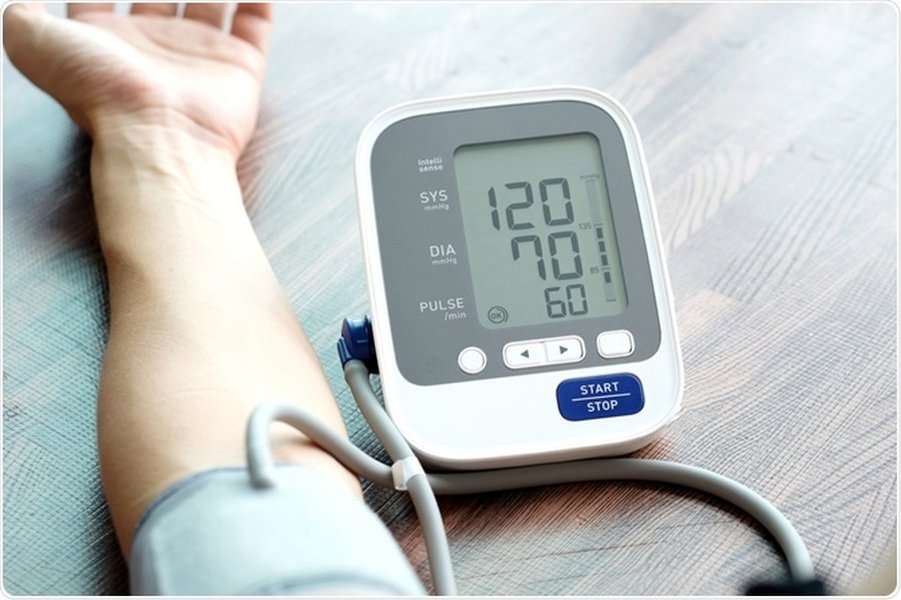
Regular blood pressure monitoring is key to early detection and management of hypertension.
Modifiable Risk Factors
Unhealthy Diet
A diet high in sodium (salt), saturated fats, trans fats, and cholesterol, and low in potassium, fruits, and vegetables can contribute to high blood pressure.
Physical Inactivity
Not getting enough physical activity can lead to weight gain and increase your risk of high blood pressure.
Obesity or Being Overweight
Carrying excess weight puts extra strain on your heart and circulatory system, which can lead to hypertension and other cardiovascular problems.
Tobacco Use
Smoking, vaping, or chewing tobacco immediately raises your blood pressure temporarily and the chemicals in tobacco can damage the lining of your artery walls, leading to narrowed arteries and increased blood pressure over time.
Excessive Alcohol Consumption
Drinking too much alcohol can raise blood pressure. It's generally recommended to limit alcohol to no more than one drink per day for women and two drinks per day for men.
Stress
High levels of stress can lead to a temporary increase in blood pressure. Stress-related habits such as eating more, using tobacco, or drinking alcohol can also contribute to long-term high blood pressure.
Certain Chronic Conditions
Conditions like kidney disease, diabetes, and sleep apnea can increase your risk of developing high blood pressure.
Socioeconomic Factors
Factors such as poverty, experiencing discrimination, working early/late shifts, and early life trauma have been linked to an increased risk of hypertension.
The "Silent Killer": Symptoms and Diagnosis
Hypertension typically has no warning signs or symptoms, which is why it's often called the "silent killer." Many people are unaware they have it. The only way to know if you have high blood pressure is to have it measured regularly by a healthcare professional or with a validated home monitor.
In some cases, when blood pressure reaches dangerously high levels (hypertensive crisis), individuals might experience:
- Severe headaches
- Shortness of breath
- Nosebleeds
- Dizziness
- Chest pain
- Visual changes
If you experience any of these symptoms, seek immediate medical attention.
Navigating Hypertension: A Mindmap Overview
The following mindmap provides a visual summary of the key aspects of hypertension, from its definition and types to its risk factors, complications, and management strategies. Understanding these interconnected elements is crucial for appreciating the multifaceted nature of this common yet serious condition.
Persistently high arterial blood pressure"] id2["Types"] id2a["Primary (Essential)
No single identifiable cause (90-95%)"] id2b["Secondary
Caused by underlying conditions or medications (5-10%)"] id3["Risk Factors"] id3a["Non-Modifiable
- Age
- Family History/Genetics
- Race/Ethnicity"] id3b["Modifiable
- Unhealthy Diet (High Salt)
- Physical Inactivity
- Obesity
- Tobacco Use
- Excessive Alcohol
- Stress
- Chronic Conditions (Diabetes, Kidney Disease)"] id4["Symptoms & Diagnosis"] id4a["Often Asymptomatic ('Silent Killer')"] id4b["Diagnosis via BP Measurement
(Office, Home, Ambulatory)"] id5["Complications"] id5a["Heart Disease (Attack, Failure)"] id5b["Stroke"] id5c["Kidney Disease/Failure"] id5d["Vision Loss"] id5e["Vascular Dementia"] id5f["Peripheral Artery Disease"] id6["Management & Treatment"] id6a["Lifestyle Modifications
- Healthy Diet (DASH)
- Exercise
- Weight Loss
- Sodium Reduction
- Limit Alcohol
- Quit Smoking
- Stress Management"] id6b["Medications
- Diuretics
- ACE Inhibitors
- ARBs
- Calcium Channel Blockers
- Beta-blockers"] id6c["Recent Advances
- New Drugs (e.g., Lorundrostat)
- Renal Denervation"] id7["Global Impact"] id7a["Affects ~1.28 billion adults worldwide"] id7b["Major cause of premature death"] id7c["Often underdiagnosed and undertreated"]
This mindmap illustrates the core components of hypertension, emphasizing the need for awareness, early detection, and comprehensive management to mitigate its serious health risks.
Potential Complications of Uncontrolled Hypertension
The excessive pressure on your artery walls caused by high blood pressure can damage your blood vessels, as well as organs in your body. The longer hypertension goes uncontrolled, the greater the damage. Uncontrolled high blood pressure can lead to:
- Heart Attack or Stroke: High blood pressure can cause hardening and thickening of the arteries (atherosclerosis), which can lead to a heart attack, stroke, or other complications.
- Heart Failure: To pump blood against the higher pressure in your vessels, the heart has to work harder. This causes the heart muscle to thicken (left ventricular hypertrophy). Eventually, the thickened muscle may have a hard time pumping enough blood to meet your body's needs, which can lead to heart failure.
- Aneurysm: Increased blood pressure can cause your blood vessels to weaken and bulge, forming an aneurysm. If an aneurysm ruptures, it can be life-threatening.
- Kidney Problems: High blood pressure can damage the arteries around the kidneys, reducing their ability to filter blood effectively, potentially leading to kidney failure.
- Eye Problems: It can cause thickened, narrowed, or torn blood vessels in the eyes, which can result in vision loss (hypertensive retinopathy).
- Metabolic Syndrome: This syndrome is a cluster of disorders of your body's metabolism — including increased waist circumference, high triglycerides, low HDL ("good") cholesterol, high blood pressure, and high insulin levels.
- Trouble with Memory or Understanding (Vascular Dementia): Uncontrolled high blood pressure may also affect your ability to think, remember, and learn.
- Peripheral Artery Disease (PAD): Narrowing of arteries in the limbs.
- Erectile Dysfunction.
Managing and Treating Hypertension
The goal of hypertension treatment is to lower high blood pressure and protect important organs, like the brain, heart, and kidneys from damage. Treatment typically involves lifestyle changes and, if necessary, medication.
Lifestyle Modifications
Lifestyle changes are a critical first step and ongoing component of managing hypertension. For some, these changes may be enough to control blood pressure:
- Eating a heart-healthy diet: Emphasize fruits, vegetables, whole grains, lean proteins, and low-fat dairy products. The DASH (Dietary Approaches to Stop Hypertension) diet is often recommended.
- Reducing sodium (salt) intake: Aim for less than 2,300 milligrams (mg) a day, or even less (1,500 mg) if recommended by your doctor.
- Regular physical activity: Aim for at least 150 minutes of moderate-intensity aerobic exercise per week, or 75 minutes of vigorous-intensity exercise.
- Maintaining a healthy weight: Losing even a small amount of weight if you're overweight or obese can help lower blood pressure.
- Limiting alcohol: If you choose to drink alcohol, do so in moderation.
- Quitting smoking: Smoking cessation is vital for overall cardiovascular health.
- Managing stress: Practice healthy coping techniques, such as meditation, yoga, or spending time on hobbies.
- Getting enough sleep: Aim for 7-9 hours of quality sleep per night.
The Impact of Lifestyle Choices on Blood Pressure Management
The radar chart below illustrates the relative impact of various lifestyle modifications on managing hypertension. While individual results may vary, adhering to these changes collectively can significantly improve blood pressure control and overall cardiovascular health. Each axis represents a different lifestyle factor, with values indicating its potential positive impact (higher values suggest greater benefit).
This chart highlights that while some interventions like smoking cessation and significant sodium reduction have a high impact on blood pressure, their sustained adherence can be challenging. A balanced approach, incorporating multiple lifestyle changes, is generally most effective.
Medications
If lifestyle changes aren't enough, your doctor may prescribe medication. Often, a combination of drugs works better than a single one. Common classes of blood pressure medications include:
- Diuretics (water pills): Help your kidneys eliminate sodium and water, reducing blood volume. Examples include hydrochlorothiazide and furosemide.
- Angiotensin-Converting Enzyme (ACE) Inhibitors: Help relax blood vessels by blocking the formation of a natural chemical that narrows blood vessels. Examples include lisinopril and benazepril.
- Angiotensin II Receptor Blockers (ARBs): Help relax blood vessels by blocking the action, not the formation, of a natural chemical that narrows blood vessels. Examples include losartan and valsartan.
- Calcium Channel Blockers: Help relax the muscles of your blood vessels. Some slow your heart rate. Examples include amlodipine and diltiazem.
- Beta-Blockers: Reduce the workload on your heart and open your blood vessels, causing your heart to beat slower and with less force. These are generally used if other medications haven't worked or if you have specific heart conditions. Examples include metoprolol and atenolol.
- Other medications: Alpha-blockers, alpha-beta blockers, central agonists, peripheral adrenergic inhibitors, and vasodilators may also be used. For resistant hypertension (uncontrolled BP despite multiple drugs), spironolactone is often considered.
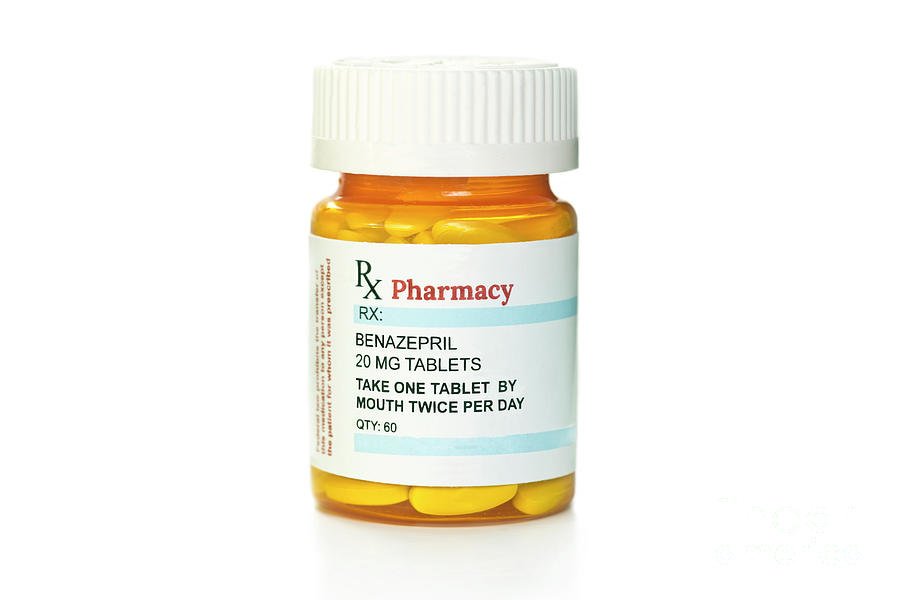
Various medications are available to help manage hypertension when lifestyle changes alone are insufficient.
Mayo Clinic Explains Hypertension
For a clear and concise overview of hypertension, including what it is, risk factors, symptoms, and the importance of management, watch this informative video from the Mayo Clinic. It provides valuable insights from medical experts on this common condition.
This video reinforces many of the key points discussed, emphasizing that while hypertension is a serious condition, it can be effectively managed with proper medical care and lifestyle adjustments.
Recent Developments and Future Perspectives (as of May 2025)
The field of hypertension management is continuously evolving. Recent updates and ongoing research highlight a commitment to improving diagnosis, treatment, and patient outcomes:
- Updated Guidelines:
- The 2024 European Society of Cardiology (ESC) Guidelines for the management of elevated blood pressure and hypertension introduced refined blood pressure categorization and emphasized comprehensive strategies, including early detection and personalized treatment. They recommend an initial default systolic BP target of 120-129 mmHg for most adults, with adjusted targets for older or frail patients.
- The American Heart Association (AHA) and American College of Cardiology (ACC) are expected to release updated guidelines in 2025.
- The Japanese Society of Hypertension (JSH) is also set to release new guidelines in 2025, focusing on "implementation hypertension" (strategies to improve real-world application of guidelines) and "morning hypertension" as key themes.
- New Therapeutic Options:
- The 2025 American College of Cardiology Annual Scientific Session highlighted promising new treatments. This includes the novel aldosterone synthase inhibitor lorundrostat, which has shown efficacy in reducing blood pressure in uncontrolled or resistant hypertension.
- Research into low-dose triple therapy combinations is ongoing, aiming for better efficacy and tolerability.
- Renal Denervation (RDN): This procedural approach, which targets nerves near the kidneys, is gaining traction as an additional treatment option for patients with uncontrolled or resistant hypertension. Both catheter-based radiofrequency and ultrasound RDN have shown significant BP reductions in recent trials.
- Personalized and Digital Health: There's an increasing emphasis on personalized treatment plans tailored to individual cardiovascular risk profiles, comorbidities, and patient preferences. Digital health tools for remote monitoring and patient engagement are also becoming more integrated into hypertension care.
- Global Initiatives: Organizations like the World Health Organization (WHO) continue to promote global strategies for improved hypertension screening, control, and adherence to treatment, particularly in low- and middle-income countries where the burden is highest.
Frequently Asked Questions (FAQ)
What is considered dangerously high blood pressure?
Can hypertension be cured?
Are there any early symptoms of high blood pressure I should watch for?
How important is diet in managing hypertension?
Can children get high blood pressure?
Conclusion
Hypertension is a prevalent and serious condition that poses a significant global health challenge. Its often asymptomatic nature underscores the critical importance of regular blood pressure screenings for early detection. While factors like age and genetics are non-modifiable, a multitude of lifestyle factors can be addressed to prevent and manage high blood pressure effectively. Advances in medical treatments, including new pharmacological agents and procedural interventions like renal denervation, coupled with evolving guidelines, offer increasingly personalized and effective strategies for controlling hypertension and mitigating its severe complications, such as heart disease, stroke, and kidney damage. Proactive management, combining healthy lifestyle choices with appropriate medical care, is key to living well with hypertension.
Recommended Further Exploration
- What specific foods are included in the DASH diet for hypertension?
- How effective is renal denervation for patients with treatment-resistant hypertension according to 2025 findings?
- What is the connection between sleep apnea and high blood pressure, and how is it managed?
- How do the American (ACC/AHA) and European (ESC) hypertension guidelines compare in their latest recommendations?
References
Last updated May 21, 2025