
Unmasking Hypertension: The Silent Threat to Your Health and How to Combat It
A comprehensive guide to understanding high blood pressure – from its hidden causes and symptoms to the latest in diagnosis, treatment, and effective management.
Key Insights into Hypertension
- Hypertension, or high blood pressure, is a pervasive global health issue, frequently presenting without symptoms. This "silent" nature underscores the critical importance of regular blood pressure screening for early detection and the prevention of serious health complications.
- Accurate diagnosis relies on multiple blood pressure readings, often including out-of-office measurements. Management strategies typically involve a combination of foundational lifestyle adjustments and, when indicated, personalized medication regimens.
- Staying informed about and adhering to updated guidelines from international health organizations is vital. This empowers individuals and healthcare providers to effectively manage hypertension, thereby reducing the risk of cardiovascular diseases like heart attacks, strokes, and kidney failure.
What Exactly is Hypertension?
Hypertension, commonly known as high blood pressure, is a chronic medical condition characterized by persistently elevated force of blood pushing against the walls of your arteries. Arteries are blood vessels that carry blood from your heart to the rest of your body. When blood pressure is consistently too high, the heart has to work harder to pump blood, which can strain the heart muscle and damage blood vessels over time. This increased workload and vessel damage can lead to a host of serious health problems if left unmanaged.
Blood pressure is recorded as two numbers, measured in millimeters of mercury (mm Hg):
- Systolic pressure (the top number): This measures the pressure in your arteries when your heart beats and pumps out blood.
- Diastolic pressure (the bottom number): This measures the pressure in your arteries when your heart rests between beats.
Understanding these two numbers is the first step in grasping the nature of hypertension and its implications for your health.
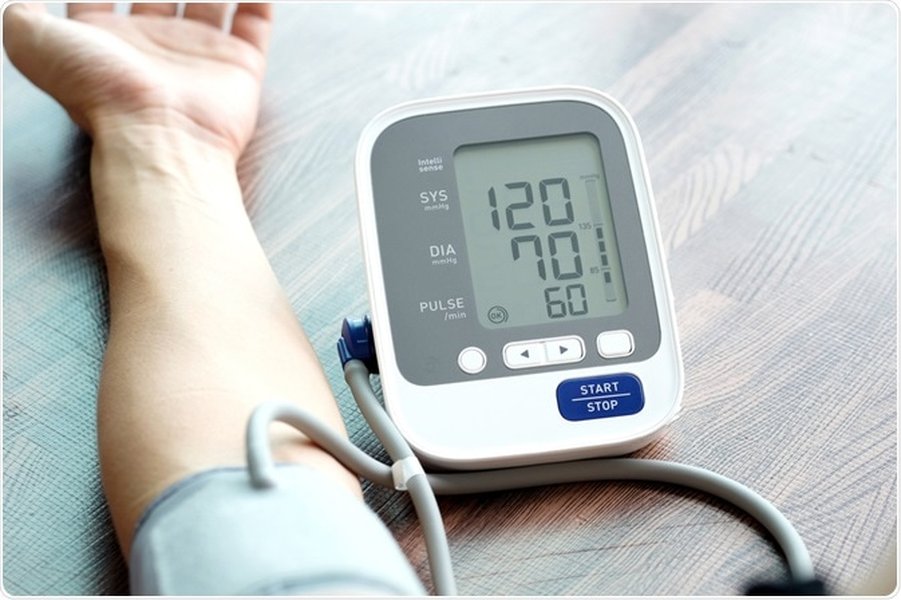
A digital blood pressure monitor, an essential tool for diagnosing and managing hypertension.
Understanding Blood Pressure Readings: Categories and Stages
Various health organizations provide guidelines for categorizing blood pressure levels. These categories help individuals and healthcare professionals assess risk and determine appropriate actions. While specific thresholds can vary slightly between guidelines (e.g., World Health Organization (WHO) sometimes uses a 140/90 mm Hg cutoff for general hypertension diagnosis), the classifications provided by the American College of Cardiology (ACC) and American Heart Association (AHA) are widely adopted, particularly in the United States.
ACC/AHA Blood Pressure Categories (2017 Guidelines)
According to the 2017 ACC/AHA guidelines, blood pressure is classified as follows:
- Normal Blood Pressure: Systolic less than 120 mm Hg AND diastolic less than 80 mm Hg.
- Elevated Blood Pressure: Systolic between 120–129 mm Hg AND diastolic less than 80 mm Hg. Individuals in this category are at risk of developing hypertension if steps are not taken to control the condition.
- Stage 1 Hypertension: Systolic between 130–139 mm Hg OR diastolic between 80–89 mm Hg.
- Stage 2 Hypertension: Systolic 140 mm Hg or higher OR diastolic 90 mm Hg or higher.
- Hypertensive Crisis: Systolic higher than 180 mm Hg AND/OR diastolic higher than 120 mm Hg. This is a medical emergency requiring immediate medical attention.
It's important to note that if systolic and diastolic pressures fall into different categories, the higher category is used for classification. For example, a reading of 128/82 mm Hg would be classified as Stage 1 Hypertension due to the diastolic pressure.
Comparative Blood Pressure Classifications
The following table summarizes the widely used ACC/AHA blood pressure categories:
| Category | Systolic (mm Hg) | Diastolic (mm Hg) |
|---|---|---|
| Normal | Less than 120 | and Less than 80 |
| Elevated | 120 – 129 | and Less than 80 |
| Stage 1 Hypertension | 130 – 139 | or 80 – 89 |
| Stage 2 Hypertension | 140 or higher | or 90 or higher |
| Hypertensive Crisis (Seek immediate medical care) | Higher than 180 | and/or Higher than 120 |
The "Silent Killer": Unmasking Symptoms
Why Symptoms Are Often Absent
Hypertension is often referred to as the "silent killer" because it typically has no noticeable symptoms, especially in its early to moderate stages. Many individuals can have high blood pressure for years without knowing it. This lack of symptoms means that significant damage to the heart, blood vessels, kidneys, and other organs can occur silently over time before the condition is detected.
Potential Symptoms in Severe Cases
While most people with hypertension are asymptomatic, some individuals may experience symptoms if their blood pressure reaches very high levels (often in a hypertensive crisis, e.g., 180/120 mm Hg or higher). These potential symptoms can include:
- Severe headaches
- Dizziness or lightheadedness
- Blurred vision or other vision changes
- Chest pain (angina)
- Shortness of breath (dyspnea)
- Nosebleeds (epistaxis), though less common and not always indicative of high BP
- Nausea or vomiting
- Confusion or fatigue
The presence of such symptoms, particularly with very high blood pressure readings, necessitates immediate medical evaluation.
Hypertensive Crisis: A Medical Emergency
A hypertensive crisis is defined by blood pressure readings exceeding 180/120 mm Hg. This situation requires prompt medical attention. If such high readings are accompanied by signs of organ damage (like chest pain, shortness of breath, back pain, numbness/weakness, change in vision, or difficulty speaking), it is considered a hypertensive emergency, and one should seek emergency medical care immediately.
Unraveling the Causes and Risk Factors
Hypertension can arise from a complex interplay of genetic, environmental, and lifestyle factors. Understanding these can help in both prevention and management. It is broadly classified into two main types:
Types of Hypertension
Primary (Essential) Hypertension
This is the most common type, accounting for approximately 90-95% of all hypertension cases. In primary hypertension, there is no single, identifiable cause. Instead, it tends to develop gradually over many years and is thought to result from a combination of factors, including:
- Genetic predisposition: A family history of high blood pressure increases risk.
- Aging: Blood vessels naturally stiffen with age, which can contribute to higher blood pressure.
- Lifestyle factors: These play a significant role and are often modifiable.
Secondary Hypertension
This type accounts for about 5-10% of cases and is caused by an underlying medical condition or specific medication. Secondary hypertension often appears suddenly and causes higher blood pressure than primary hypertension. Conditions and factors that can lead to secondary hypertension include:
- Chronic kidney disease (CKD)
- Renal artery stenosis (narrowing of the arteries to the kidneys)
- Endocrine disorders (e.g., adrenal gland tumors like pheochromocytoma, thyroid problems, Cushing's syndrome)
- Obstructive sleep apnea
- Congenital heart defects (e.g., coarctation of the aorta)
- Certain medications (e.g., birth control pills, cold remedies, decongestants, over-the-counter pain relievers, and some prescription drugs)
- Illegal drugs, such as cocaine and amphetamines
- Pregnancy-related conditions (e.g., preeclampsia)
Key Risk Factors
Several factors can increase an individual's likelihood of developing hypertension, particularly primary hypertension:
- Age: The risk of high blood pressure increases as you get older.
- Family history: Hypertension often runs in families.
- Race: High blood pressure is more common and often more severe in people of African heritage.
- High sodium (salt) intake: Excessive salt can cause the body to retain fluid, increasing blood pressure.
- Low potassium intake: Potassium helps balance the amount of sodium in your cells. Insufficient potassium can lead to too much sodium in your blood.
- Obesity or being overweight: More weight means more blood is needed to supply oxygen and nutrients to your tissues, increasing the pressure on artery walls.
- Physical inactivity: Lack of exercise can lead to weight gain and higher heart rates, making the heart work harder.
- Excessive alcohol consumption: Drinking too much alcohol can raise blood pressure over time.
- Tobacco use: Smoking or chewing tobacco immediately raises blood pressure temporarily and the chemicals in tobacco can damage artery linings.
- Stress: High levels of stress can lead to a temporary increase in blood pressure. Unhealthy stress-coping habits (like overeating or smoking) can also contribute.
- Certain chronic conditions: Kidney disease, diabetes, and sleep apnea increase the risk.
Accurate Diagnosis: More Than Just a Single Reading
Diagnosing hypertension accurately is crucial for effective management and prevention of complications. Because blood pressure can fluctuate throughout the day and be influenced by factors like stress, activity, or even the clinical environment ("white-coat effect"), a single high reading is generally not sufficient for a diagnosis.
The Diagnostic Process
Healthcare providers typically follow these steps:
- Multiple Readings: Diagnosis usually requires two or more high readings obtained on separate occasions.
- Proper Measurement Technique: Ensuring correct cuff size, patient positioning (seated, back supported, feet flat on the floor, arm supported at heart level), and a period of rest before measurement are vital for accuracy.
- Medical History and Physical Exam: A thorough review of personal and family medical history, lifestyle factors, and a physical examination help identify potential causes or risk factors.
The Importance of Out-of-Office Monitoring
Recent guidelines, including those from the European Society of Hypertension (ESH) and ACC/AHA, increasingly emphasize the value of out-of-office blood pressure measurements to confirm a hypertension diagnosis and guide treatment. These methods include:
- Home Blood Pressure Monitoring (HBPM): Involves the patient regularly measuring their blood pressure at home using a validated device. This provides multiple readings over time in a familiar environment, offering a more representative picture of average blood pressure.
- Ambulatory Blood Pressure Monitoring (ABPM): A small, portable device is worn by the patient for 24-48 hours, automatically taking blood pressure readings at regular intervals throughout the day and night, including during sleep. ABPM is considered the gold standard for confirming hypertension as it provides data on diurnal variations and nocturnal dipping (or lack thereof), which have prognostic significance.
Addressing White-Coat and Masked Hypertension
Out-of-office monitoring is particularly useful for identifying:
- White-Coat Hypertension: Blood pressure is elevated in the clinical setting but normal during daily activities (confirmed by HBPM or ABPM). While often considered lower risk than sustained hypertension, it may still warrant monitoring.
- Masked Hypertension: Blood pressure is normal in the clinic but elevated during daily activities. This condition carries a similar cardiovascular risk to sustained hypertension and might be missed without out-of-office measurements.
By combining in-office and out-of-office measurements, clinicians can make a more accurate diagnosis, assess overall cardiovascular risk more effectively, and tailor treatment plans accordingly.
The Far-Reaching Impact: Potential Complications
Untreated or poorly controlled hypertension can silently damage your body over several years before symptoms become apparent. This sustained high pressure can harm arteries and vital organs, leading to a range of serious and potentially life-threatening complications:
- Damage to Arteries: High blood pressure can lead to atherosclerosis (narrowing and hardening of the arteries), aneurysms (abnormal bulges in artery walls), and coronary artery disease.
- Heart Attack (Myocardial Infarction): Reduced blood flow to the heart muscle due to narrowed or blocked arteries can cause a heart attack.
- Heart Failure: The increased workload from pumping against high pressure can cause the heart muscle to thicken and weaken, eventually leading to heart failure, where the heart can't pump enough blood to meet the body's needs.
- Stroke: Hypertension is a major risk factor for both ischemic strokes (caused by blocked arteries supplying the brain) and hemorrhagic strokes (caused by burst blood vessels in the brain).
- Kidney Disease or Failure (Chronic Kidney Disease): Damaged blood vessels in the kidneys can impair their ability to filter waste from the blood effectively, potentially leading to kidney failure requiring dialysis or transplant.
- Vision Loss (Hypertensive Retinopathy): Damage to blood vessels in the eyes can cause bleeding, blurred vision, and even complete blindness.
- Peripheral Artery Disease (PAD): Narrowed arteries in the legs, arms, stomach, or head, causing pain, cramping, and fatigue.
- Cognitive Impairment and Dementia: Reduced blood flow to the brain and small strokes can affect thinking, memory, and learning, increasing the risk of vascular dementia.
- Atrial Fibrillation: An irregular and often rapid heart rate that can increase the risk of stroke, heart failure, and other heart-related complications.
Managing blood pressure effectively is crucial for preventing these severe outcomes and maintaining long-term health.
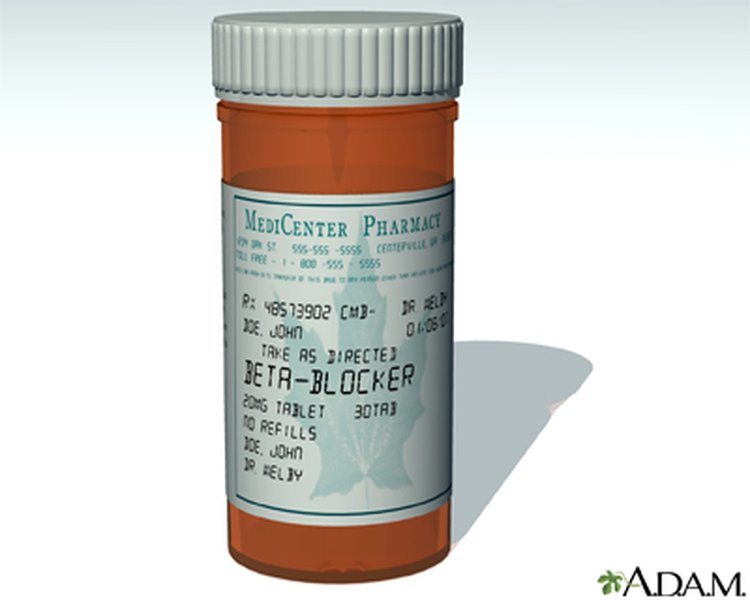
Hypertension can significantly impact cardiovascular health, affecting the heart and arteries.
Global Prevalence and Significance
Hypertension is a major public health challenge worldwide. According to the World Health Organization (WHO), an estimated 1.28 billion adults aged 30–79 years globally have hypertension. Worryingly, nearly half of these individuals (46%) are unaware they have the condition. The prevalence is particularly high in low- and middle-income countries, where two-thirds of cases are found. Furthermore, only about 1 in 5 adults (21%) with hypertension have it under control. This widespread and often undiagnosed and uncontrolled condition makes it a leading cause of premature death worldwide, primarily due to its strong association with cardiovascular diseases, stroke, and kidney failure.
Navigating Treatment and Management Strategies
The primary goal of hypertension management is to lower blood pressure to reduce the risk of long-term complications. Treatment plans are typically individualized based on the stage of hypertension, overall cardiovascular risk, presence of comorbidities, and patient preferences. A comprehensive approach involves both lifestyle modifications and, when necessary, pharmacological therapy.
The Cornerstone: Lifestyle Modifications
Lifestyle changes are fundamental for both preventing and managing hypertension. They are recommended for everyone with elevated blood pressure or diagnosed hypertension. Key modifications include:
- Dietary Changes:
- Reducing sodium intake: Aiming for less than 2,300 milligrams (mg) a day, ideally less than 1,500 mg for many adults, particularly those with hypertension.
- Adopting a heart-healthy eating plan: The DASH (Dietary Approaches to Stop Hypertension) diet is often recommended. It emphasizes fruits, vegetables, whole grains, lean proteins, and low-fat dairy products, while limiting saturated fats, trans fats, cholesterol, and added sugars.
- Increasing potassium intake: Foods rich in potassium (e.g., bananas, spinach, potatoes) can help lessen the effects of sodium on blood pressure.
- Regular Physical Activity: Aim for at least 150 minutes of moderate-intensity aerobic exercise (like brisk walking or cycling) or 75 minutes of vigorous-intensity exercise per week, along with muscle-strengthening activities on two or more days a week.
- Maintaining a Healthy Weight: Losing even a small amount of excess weight can significantly lower blood pressure.
- Limiting Alcohol Consumption: If you drink alcohol, do so in moderation (up to one drink per day for women and up to two drinks per day for men).
- Quitting Smoking: Smoking damages blood vessels and raises blood pressure. Cessation is one of the most impactful steps for overall cardiovascular health.
- Managing Stress: Chronic stress can contribute to high blood pressure. Techniques like meditation, yoga, deep breathing exercises, or engaging in hobbies can help.
Pharmacological Interventions: When Medication is Necessary
If lifestyle modifications alone are not sufficient to control blood pressure, or if blood pressure is significantly high (e.g., Stage 2 Hypertension or Stage 1 with high cardiovascular risk), medication is typically prescribed. Many effective and well-tolerated antihypertensive drugs are available.
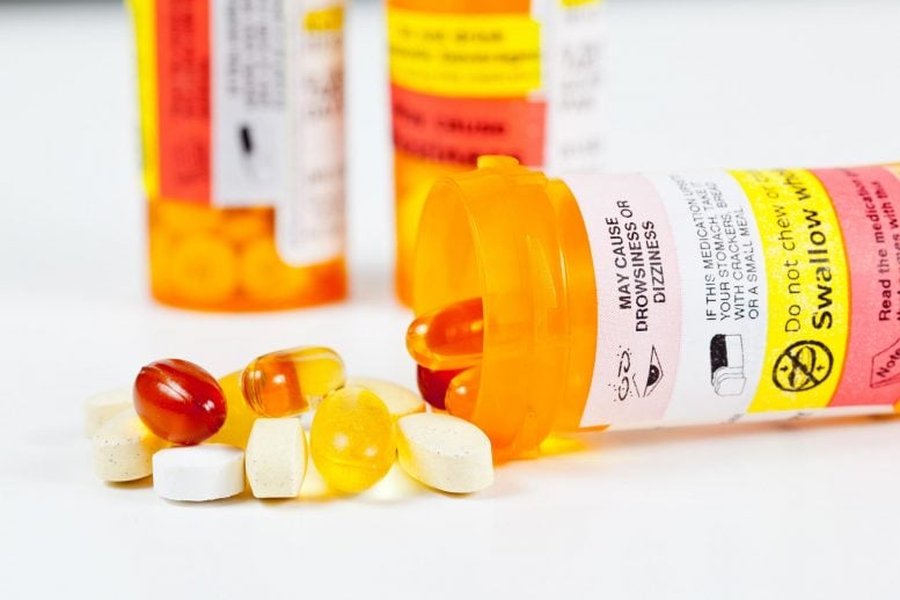
Various medications are available to help manage high blood pressure effectively.
Common Classes of Antihypertensive Drugs
First-line medication choices often include:
- Thiazide Diuretics: These "water pills" help the kidneys eliminate sodium and water, reducing blood volume (e.g., hydrochlorothiazide, chlorthalidone).
- Angiotensin-Converting Enzyme (ACE) Inhibitors: These drugs help relax blood vessels by preventing the formation of angiotensin II, a chemical that narrows blood vessels (e.g., lisinopril, enalapril).
- Angiotensin II Receptor Blockers (ARBs): These medications also help relax blood vessels by blocking the action (rather than formation) of angiotensin II (e.g., losartan, valsartan).
- Calcium Channel Blockers (CCBs): These drugs prevent calcium from entering the muscle cells of the heart and blood vessels, causing blood vessels to relax and widen (e.g., amlodipine, diltiazem).
Other classes of medications, such as beta-blockers, aldosterone antagonists, alpha-blockers, or direct vasodilators, may be used depending on individual patient characteristics, comorbidities, or if first-line treatments are not effective or tolerated.
Personalized Treatment Approaches
Often, a single medication may not be enough to reach the target blood pressure, and combination therapy (using two or more drugs from different classes) may be necessary. The choice of medication(s) is tailored to the individual, considering factors like age, race, coexisting medical conditions (e.g., diabetes, kidney disease, heart failure), potential side effects, and drug interactions. Regular follow-up with a healthcare provider is essential to monitor blood pressure, assess treatment effectiveness, manage side effects, and ensure adherence to the treatment plan. For resistant hypertension (blood pressure that remains high despite treatment with multiple medications), referral to a hypertension specialist may be considered.
The Role of Guidelines in Hypertension Care
Numerous national and international organizations, including the American College of Cardiology/American Heart Association (ACC/AHA), the European Society of Cardiology (ESC) and European Society of Hypertension (ESH), the International Society of Hypertension (ISH), and the World Health Organization (WHO), develop and regularly update clinical practice guidelines for the prevention, detection, evaluation, and management of high blood pressure. These guidelines are based on the latest scientific evidence and aim to provide healthcare professionals with recommendations for optimal patient care. They typically cover aspects such as diagnostic criteria, blood pressure targets, lifestyle interventions, pharmacological treatment strategies, and management of special populations. For instance, the 2024 ESC Guidelines for the management of elevated blood pressure and hypertension continue to refine approaches, emphasizing comprehensive risk assessment and the importance of out-of-office blood pressure monitoring.
Comparative Effectiveness of Hypertension Management Strategies
Managing hypertension involves various strategies, each with its own profile of benefits and considerations. The radar chart below offers a conceptual comparison of different approaches—DASH diet, regular exercise, common medication classes (ACE Inhibitors, Calcium Channel Blockers), and stress reduction techniques—across several key effectiveness metrics. These metrics include Blood Pressure Reduction Efficacy, Low Side Effect Profile (higher score means fewer side effects), Ease of Adherence, Cost-Effectiveness, and Long-Term Complication Prevention. This visualization helps illustrate that a multi-faceted approach is often optimal.
This chart represents a conceptual overview and relative comparison for illustrative purposes; individual results and suitability of treatments can vary. Consultation with a healthcare professional is essential for personalized medical advice.
Interconnectedness of Hypertension Factors
Hypertension is a multifaceted condition where various elements are intricately linked. The mindmap below illustrates the relationships between the definition of hypertension, its causes and risk factors, typical (though often absent) symptoms, diagnostic approaches, potential long-term complications, and comprehensive management strategies. Understanding these connections highlights the importance of a holistic approach to prevention and treatment.
Expert Insights on Hypertension Management
Staying updated with the latest guidelines is crucial for effective hypertension management. The following video features Dr. Rhian Touyz discussing key highlights from the 2024 European Society of Cardiology (ESC) guidelines for the management of hypertension. These guidelines often reflect global consensus and incorporate the newest evidence to optimize patient care, covering aspects from diagnosis to long-term treatment strategies.
Frequently Asked Questions (FAQ)
What is considered a normal blood pressure reading?
Can hypertension be cured?
Why is out-of-office blood pressure monitoring important?
What are the first steps I should take if I suspect I have high blood pressure?
Are there any symptoms of high blood pressure I should watch out for?
Recommended Further Exploration
- What are the most recent international guidelines for managing high blood pressure in 2024 and 2025?
- How effective is the DASH diet in lowering blood pressure and what does it involve?
- What are the common side effects associated with different classes of blood pressure medications?
- What specific lifestyle changes can I make to prevent the development of hypertension?
References
Last updated May 21, 2025