
COMELEC Car Elections Ignite New Era in Philippine Campaigning
Innovative mobile campaigns hit the streets as political strategies evolve
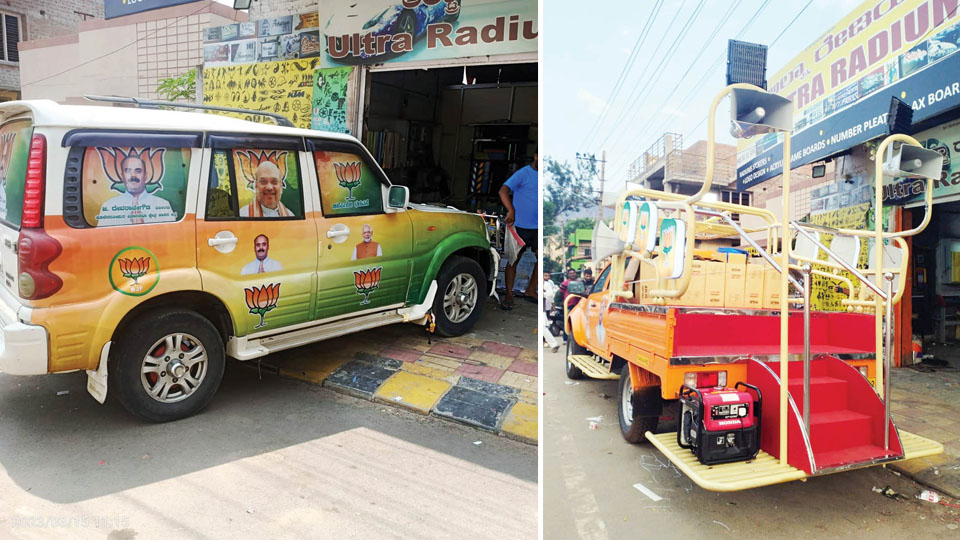
Highlights
- Innovative Approach: Political candidates are transforming vehicles into mobile billboards.
- Engaging Voters: The move is designed to capture the attention of a mobile, tech-savvy audience.
- Regulatory Framework: COMELEC sets guidelines to ensure road safety and election fairness.
Lead and Overview
In a bid to modernize election campaigning and boost voter engagement, the Commission on Elections (COMELEC) in the Philippines has recently launched its groundbreaking "Car Elections" initiative. Set to be a centerpiece of the upcoming 2025 midterm elections, this initiative turns everyday vehicles into dynamic platforms for political messaging. On May 12, 2025, amidst rising excitement and controversy, candidates, campaign teams, and voters alike will experience a new form of political expression – one that brings political discourse right to the streets. Who is involved? Political candidates and their supporting teams. What happened? The rollout of the Car Elections campaign. When and where? Nationwide in the Philippines, starting May 12, 2025. Why is it happening? To modernize campaigning and reach a broader, tech-savvy audience. How? By transforming vehicles into moving billboards under strict guidelines from COMELEC.
A Deep Dive into the Car Elections Initiative
A Revolutionary Campaign Trail
The Car Elections initiative has stirred both enthusiasm and debate among Filipinos. This campaign innovation is not merely a shift in advertising aesthetics; it is a deliberate embrace of mobile and digital trends prevalent in today's society. Political candidates, especially young and emerging leaders, are now afforded the opportunity to showcase their platforms on campaign vehicles, turning everyday commutes into a vibrant parade of ideas and political slogans.
Traditionally, political campaigns have relied on static materials such as posters, billboards, and print media. However, with the surge in mobile communication and social media usage, COMELEC recognized that the political landscape needed a modern twist. In response, this initiative allows political parties and candidates to use vehicles as canvases—decorating them with creative decals and banners that are both eye-catching and informative. This adaptation is particularly significant in urban and suburban settings where commuters and pedestrians form a large portion of the electorate.
How the Initiative Works
Under strict rules established by COMELEC, the transformation of vehicles into campaign vehicles follows a set of guidelines designed to ensure both aesthetic uniformity and road safety. The guidelines stipulate size and placement restrictions to avoid cluttering public spaces and obstructing drivers' views. The car elections are closely monitored to ensure that the political messages conveyed on these vehicles remain within legal and regulatory boundaries.
Regulatory Measures and Public Safety
To address any concerns related to public safety and road aesthetics, COMELEC has collaborated with local government units and law enforcement agencies. Clear instructions have been issued regarding the amount of space a campaign material can occupy on each vehicle. Additionally, there are rules in place to prevent the spread of potentially misleading information. This careful regulation ensures that while candidates maximize visibility, they also comply with national safety standards.
Encouraging Voter Engagement
One of the primary goals of the Car Elections initiative is to make election campaigning more interactive and engaging for the public. By bringing political messages directly to the streets, voters are more likely to encounter campaign messages during their daily routines. This dynamic form of campaigning seeks to energize the electorate, especially younger voters who are constantly on the move and are more responsive to innovative, eye-catching methods of communication.
Public Reaction and Ongoing Debate
The announcement of the Car Elections initiative has elicited mixed reactions. Supporters say that this modern method of campaigning not only increases transparency but also democratizes political messaging by making it more accessible to the public in urban and rural areas alike. Critics, however, express concerns about the potential for visual clutter on busy streets and the challenges in monitoring campaign messages for accuracy and fairness.
Civic groups have raised questions about how the initiative might affect public perceptions and whether the rapid rollout could lead to unintended consequences. In response, COMELEC emphasized that it is committed to a transparent process and is working diligently to address any issues raised by community leaders. The agency’s proactive communication strategy has involved collaborating with media outlets and local authorities to ensure that any potential concerns can be swiftly addressed.
Technical and Logistical Insights
How Campaign Vehicles are Prepared
Preparing for the Car Elections involves a series of coordinated efforts that blend technology, creativity, and logistics. Candidates partner with designers and local advertising firms to produce campaign materials that are both durable and visually engaging. These materials are designed to withstand the challenges of daily commutes, including weather conditions and varying lighting conditions at different times of the day.
Additionally, COMELEC has introduced rigorous training programs for electoral board members who are tasked with overseeing the proper installation of campaign materials. This ensures that every vehicle meets the optimization criteria set forth by the electoral guidelines, avoiding any mishaps that might disrupt traffic or misrepresent political information.
A Snapshot of the 2025 Car Elections Campaign Framework
| Aspect | Details |
|---|---|
| Initiative Name | COMELEC Car Elections |
| Start Date | May 12, 2025 |
| Campaign Materials | Decals, banners, and digital decals on vehicles |
| Guidelines | Size restrictions, placement rules, and safety standards |
| Monitoring Agencies | COMELEC in collaboration with local government and PNP |
This table succinctly captures the key logistical components of the Car Elections, underscoring the initiative’s structured approach to merging creative campaigning with regulatory compliance.
In-depth Perspectives and Future Implications
Impact on Voter Behavior
Experts suggest that the novelty associated with the Car Elections initiative could lead to higher voter engagement in the 2025 midterm elections. With candidates’ messages literally driving into neighborhoods, there is an increased likelihood that political discourse will reach even those who rarely follow traditional election coverage. The mobile nature of the campaign is poised to bridge the gap between candidates and their constituents, creating a more inclusive space for political conversation.
Moreover, the initiative is expected to motivate first-time voters and those from remote areas, where conventional campaigning may have previously been limited. Voters are witnessing firsthand the dynamic efforts of their candidates, which could ultimately influence voting patterns and foster a new era of participatory democracy.
Technological Innovations and Security Measures
Besides the creative redesign of campaign vehicles, technological enhancements have been introduced to ensure that the elections remain transparent and secure. COMELEC has integrated advanced systems in collaboration with the Department of Information and Communications Technology (DICT) and the Department of Science and Technology (DOST) to monitor the distribution and display of campaign materials. These systems help verify that all vehicles adhere to the stipulated guidelines and that no misleading information is propagated.
This integration of technology also means that any violations can be identified and rectified swiftly. The real-time monitoring systems in place are designed to provide immediate feedback and ensure that candidates maintain compliance with established laws. In doing so, COMELEC is reaffirming its commitment to running a safe, free, and fair electoral process.
Voices from the Streets
Candidate Perspectives
For many candidates, the Car Elections initiative symbolizes a fresh start—a move away from the old-school political tactics that are often perceived as stale. Several candidates expressed optimism, saying that transforming their vehicles into mobile campaign platforms allows them to convey their messages in a dynamic and relatable manner. One candidate commented, "It’s not often that you get your message across on the go. This is a chance to connect with voters in a way that’s unconventional yet impactful."
However, a few candidates have also voiced the need for clearer-cut guidelines to ensure that every vehicle on the road complies uniformly. Their concerns center on ensuring that the aesthetics of public spaces are not compromised and that the political messages do not saturate the surroundings to the point of distraction or misinformation.
Public and Community Feedback
The public reaction has been a mix of excitement and cautious optimism. Many citizens find the use of cars as campaign tools innovative and representative of a modern political landscape that mirrors their everyday experiences. Community leaders and civic groups, while appreciative of the fresh approach, continue to emphasize the importance of maintaining clear boundaries between creative advertising and public safety.
Local government units have initiated town hall meetings and social media discussions to gather feedback on the initiative. These sessions serve as platforms for both public praise and constructive criticism, ensuring that COMELEC has a well-rounded understanding of voter sentiment. Many community members have noted that this initiative could serve as a catalyst for future innovations and might even be replicated in subsequent election cycles if proven successful.
Logistical and Operational Challenges
Overcoming Operational Hurdles
Implementing the Car Elections initiative is not without its challenges. One of the major hurdles involves ensuring uniform compliance across regions known for their varied infrastructure and communication systems. In several cities, local authorities are collaborating with COMELEC to standardize the campaign material distribution process, making certain that every candidate adheres to the pre-set guidelines.
Additionally, logistical challenges such as exposure to harsh tropical climates, which could affect the quality of the campaign materials, have been mitigated by choosing durable, weather-resistant materials for vehicle decals and banners. COMELEC has provided a list of approved vendors and materials that meet the durability criteria required to withstand the rigors of daily exposure.
Monitoring and Compliance
The monitoring process is bolstered by regular inspections conducted by certified election monitors and local government representatives. These inspections ensure that vehicles are updated regularly and that any deviations from the approved standards are immediately corrected. The involvement of the Philippine National Police (PNP) further reinforces the commitment to maintain order such that the initiative does not disrupt public safety or traffic flow.
Breaking Down the Impact: A Comprehensive Overview
Summary Table – Key Elements of the Car Elections
| Component | Description |
|---|---|
| Initiative | COMELEC Car Elections transforming vehicles into mobile campaign platforms |
| Date | May 12, 2025, marking the start of the campaign |
| Guidelines | Strict size, placement rules, and safety standards to regulate campaign materials |
| Technology Involved | Real-time monitoring systems in partnership with DICT and DOST ensuring transparency and security |
| Stakeholders | Candidates, COMELEC, local government units, and security agencies |
This table provides a concise reference for understanding the essential aspects of the Car Elections initiative. It encapsulates the multifaceted approach that COMELEC is employing to revolutionize traditional campaigning methods.
References
- List: Comelec Releases 2025 Elections Schedule - Inquirer.net
- COMELEC Guide: How to Register for 2025 Philippine Elections - Assistance.PH
- Halalan 2025: Your Guide to the Philippine Midterm Elections - Tribune.net.ph
- Comelec Completes Printing of Official Ballots for 2025 Polls - Inquirer.net
- Winning Senators, Party-List Groups in 2025 Polls Expected Within a Week — Comelec - Philstar
Recommended For Further Exploration
Last updated March 16, 2025