
COMELEC Cordillera Administrative Region Elections: A New Chapter
Fresh insights and challenges in the run-up to the May 2025 polls
Highlights
- The Elections Kick Off on May 12, 2025: The polls are set to choose leaders from local barangays to party-list representatives, ensuring a democratic renewal.
- Efforts to Ensure Integrity and Transparency: COMELEC collaborates with key agencies to secure the electoral process and curb vote-buying and electoral fraud.
- Community Engagement and Youth Participation: Local communities in the Cordillera Administrative Region are demonstrating unyielding political spirit, with increasing voter registration and active participation from the youth.
COMELEC-CAR Elections: A Comprehensive Report
The Lead: What, Who, When, Where, and Why
The Commission on Elections (COMELEC) in the Cordillera Administrative Region (CAR) in the Philippines is all set to hold national and local elections on May 12, 2025, as voters from all corners of the region head to the polls. With preparations in full swing, this electoral event aims to select new local officials, party-list representatives, and other key public office holders. The initiative not only seeks to uphold the democratic process but also strives to address past issues such as malfunctioning vote-counting machines and illegal campaign practices. Local government units, alongside community organizations, play a vital role in ensuring that the polls are conducted in a peaceful, well-organized, and transparent manner.
Background and Preparations
Enhancing Election Integrity
Previous elections highlighted various challenges, including defective vote-counting machines and illegal campaign material distribution. In response, COMELEC has strengthened its protocols to avoid a repeat of such setbacks. In a determined effort to improve the electoral process, COMELEC has collaborated with agencies like the Department of Science and Technology (DOST) and the Department of Information and Communications Technology (DICT) to implement improved security measures. Additionally, a recent order compelled all 66 senatorial candidates in CAR to remove illegal campaign materials, a move intended to suppress vote-buying and ensure a more level playing field.
Logistical and Technological Advances
Logistical challenges such as transportation of ballots and ensuring reliable internet connectivity in remote areas are being addressed head-on. COMELEC's investments in ballot printing and the use of technology for monitoring voter turnout are part of the comprehensive measures designed to guarantee a smooth voting process. Innovations like secure digital communication channels and temporary limitations on large transactions through e-wallet partnerships, like the one implemented by GCash, also contribute to minimizing instances of fraud, ultimately promoting transparency and fairness in the election.
The Dynamic Local Political Landscape
Rise of New Candidates and Increased Voter Registration
The 2025 elections in CAR mark a significant turning point for local leadership. With a robust surge in voter registrations – an increase that has been noted by local news sources – the elections underscore the growing political consciousness among residents. The active participation by first-time voters and the youth sector signals a community eager for change. This vibrant political climate has encouraged many local leaders to emerge, each presenting innovative solutions to long-standing regional issues such as infrastructure development, environmental conservation, and cultural preservation.
The Role of Community Organizations
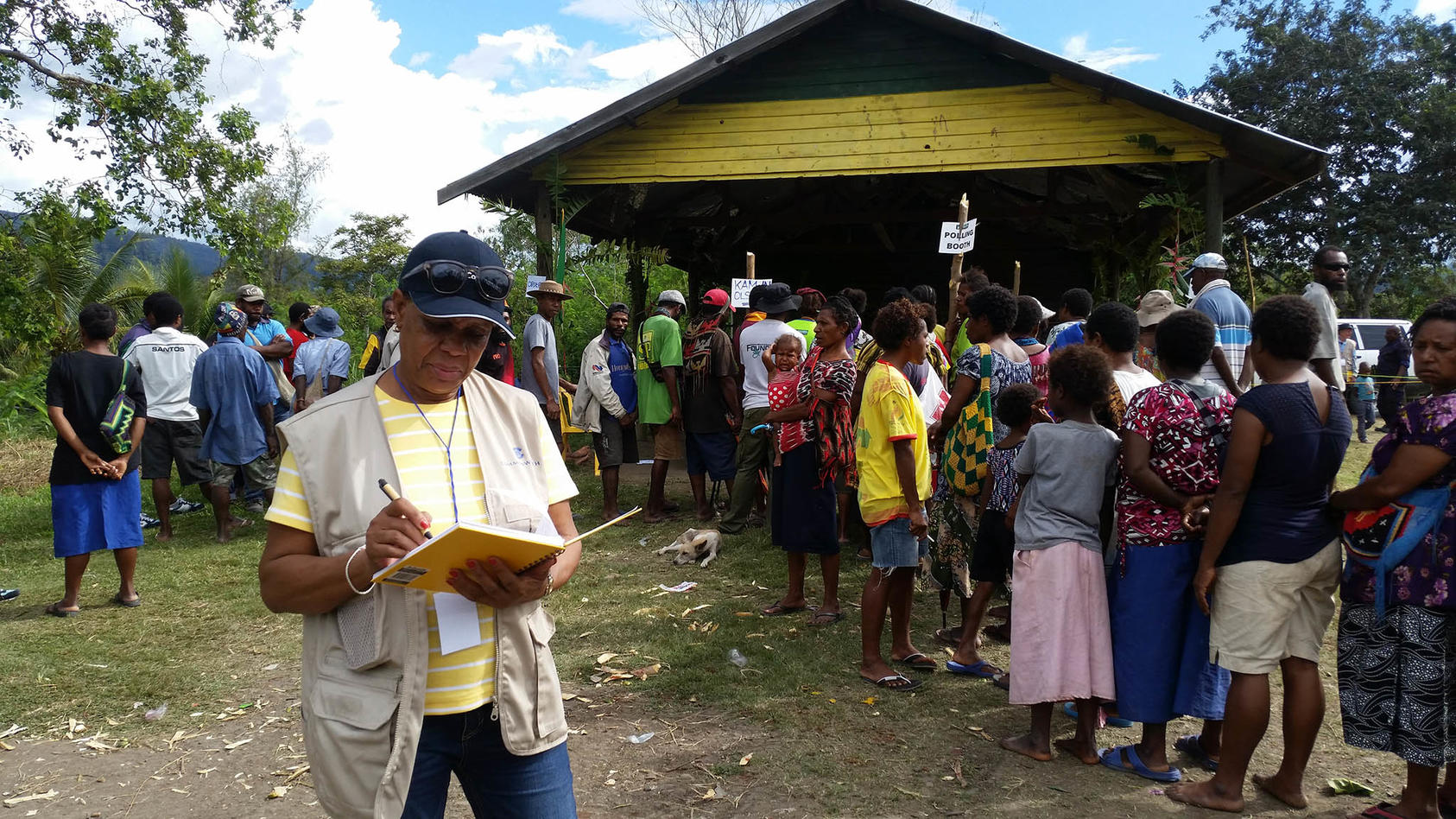
Community organizations and local government bodies have been integral to the success of the election preparations. They have been proactive in voter education initiatives, ensuring that every citizen is well-informed about the voting process and the roles of different political offices. Workshops and local forums organized throughout the months leading up to the May 2025 elections serve as platforms for disseminating critical information such as voting locations, election dates, and guidelines for candidate conduct. These grassroots efforts are particularly important in bridging the gap between the electorate and the sometimes complex electoral process, empowering citizens to cast their votes with confidence.
Election Day and Expected Outcomes
Anticipating a Smooth Voting Process
COMELEC Chairperson George Erwin Garcia has repeatedly emphasized that the entire electoral process is monitored with rigorous safeguards. Preparations ensure that any potential malfunctions, such as those witnessed in previous elections with certain vote-counting machines, are mitigated well in advance. Furthermore, COMELEC assures the public that all logistical challenges — including ballot distribution and secure voting in remote locations — are being efficiently managed. The expectation is that by the end of Election Day, the results will be both prompt and accurate, with preliminary winners for senatorial and party-list races being declared within a week.
Impact on Local Democracy
This election is more than a routine political exercise; it is a testament to the resilience of local democracy in CAR. It demonstrates the commitment of the Filipino people to uphold democratic principles even in the face of challenges. The efforts to combat illegal campaign activities and prevent vote-buying highlight the community’s desire for a transparent political system. With the support of the Commission on Human Rights in terms of safeguarding vulnerable groups and ensuring equal opportunity for all candidates, the election day is projected to set a new benchmark for democratic practice in the region.
Community Reactions and Personal Stories
First-Hand Accounts and Voter Sentiments
Local students, community leaders, and everyday voters have shared their thoughts on the upcoming elections. For many, this period represents an opportunity to witness democracy actively at work. A senior high school student remarked, “It feels empowering to see our region come together for a common goal. Although we are young, we are witnessing history in the making.” Many residents have expressed optimism about the changes that new leaders might bring, especially in resolving issues that have long been overlooked.
A Focus on Transparency and Fairness
Reports on voter education and participation have been overwhelmingly positive, with many impurities of past electoral fraud being addressed by new reforms. Citizens are watching closely, particularly the older generation who remember previous discrepancies and malfunctions during elections. Their cautious optimism is mixed with high expectations for a clean and just electoral process, one that leverages modern technology and well-orchestrated logistical planning. In the words of an elder community member, “We have seen mistakes in the past, but today, there are more eyes on the process, and every voter counts. It is a fresh start for us all.”
Structured Data and Campaign Details
Election Summary Table
| Component | Details |
|---|---|
| Election Date | May 12, 2025 |
| Region | Cordillera Administrative Region (CAR) |
| Main Focus Areas | Local governance, party-list representation, voter education |
| Key Challenges Addressed | Malfunctioning vote-counting machines, illegal campaign materials, logistical hurdles |
| Collaborative Partners | DOST, DICT, local community organizations, GCash |
| Expected Outcome | Transparent results, prompt declaration of winners within a week post-election |
Further Developments and Future Outlook
Partnerships and Community Engagement
Looking forward, the integration of technology in the electoral process is expected to strengthen public trust. Collaborations with local malls for accessible voting stations and the temporary e-wallet transaction limits to deter vote-buying are promising steps toward fair elections. The active involvement of the Commission on Human Rights in backing these measures also reflects the strong inter-institutional framework that is evolving to match the region’s dynamic political landscape.
Learning from Past Elections
This year's elections are being closely monitored for any signs of irregularities. Lessons from previous electoral cycles have informed these new strategies, ensuring that every measure is in place to facilitate a smooth and efficient voting process. Continuous efforts in voter education have significantly contributed to raising awareness among residents, encouraging them to take an active role in safeguarding their democracy. As a result, both new and experienced voters are more vigilant, promoting accountability which, in turn, is expected to lead to more robust electoral outcomes.
On the Ground: Voices of the People
Voter Stories and Grassroots Impact
The atmosphere in various communities across CAR is filled with anticipation and a determination to see a democratic process that truly reflects the collective will. Interviews with local residents have revealed a wide array of personal stories—from students who are inspired to participate actively, to elders who recall the tumultuous election days of the past. Their narratives serve as powerful reminders of the importance of integrity and community spirit during such a crucial period. This grassroots movement is not only a call for better leadership but also a celebration of the democratic ideals that the Cordillera region upholds.
As preparations continue and Election Day draws closer, the entire region is watching keenly. The October barangay and Sangguniang Kabataan elections earlier set a positive precedent, illustrating that even in the face of national concerns, local areas like CAR remain committed to peaceful and orderly political processes. The upcoming elections are poised to further strengthen the democratic foundation of the region, offering an inspiring example of resilience, collaboration, and the power of informed citizenry.
References
- LIST: Common Poster Areas for 2025 Elections - Inquirer.net
- COMELEC Ready for 2025 Elections - Philippine Information Agency
- COMELEC-CAR Transmits Certificates - Philippine News Agency
- COMELEC Flags 66 Senatorial Bets for Campaign Poster Violations - MSN
- COMELEC Eleksyon 2025: Illegal Campaign Materials in CAR - GMA News
Recommended Related Searches
Last updated March 16, 2025