
COMELEC CAR ELECTIONS 2025
Cordillera gears up: A vibrant look into local polls
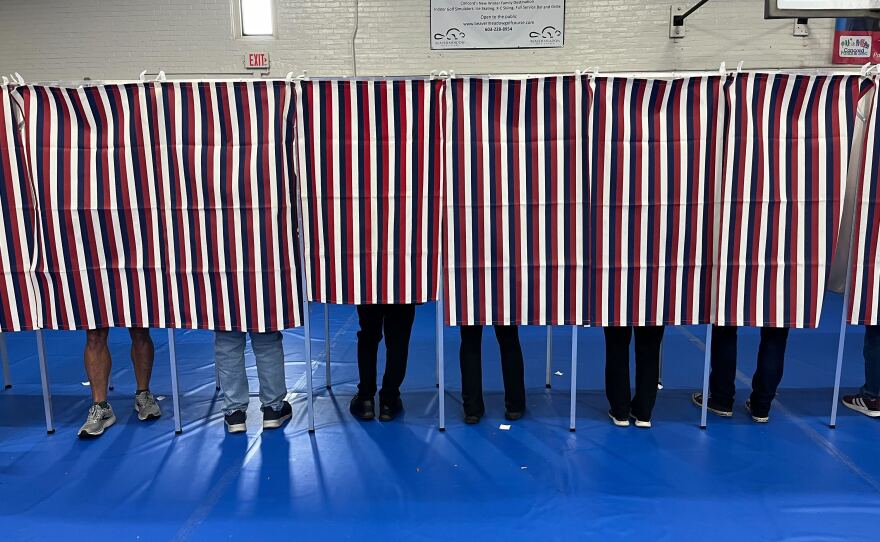
Key Highlights
- Who & What: The Commission on Elections in the Cordillera Administrative Region is preparing for local and national elections on May 12, 2025.
- When & Where: The elections will be held across provinces in the CAR, including Abra and Kalinga, with major activities in Baguio City.
- Why & How: Efforts focus on ensuring a secure, transparent, and efficient election process through enhanced technological collaborations and strict regulatory measures.
COMELEC CAR Elections: A Detailed News Article
Baguio City, Philippines – In a spirited bid for democracy, the Commission on Elections (COMELEC) in the Cordillera Administrative Region (CAR) is setting the stage for the much-anticipated elections scheduled for May 12, 2025. This comprehensive news article covers who, what, where, when, and why of the upcoming elections, highlighting the unique challenges and innovative solutions adopted by election officials.
The elections in the Cordillera Administrative Region are drawing near, and with them comes an array of emotions, rigorous preparations, and immense public interest. The COMELEC is spearheading the process to ensure that the electoral events proceed without a hitch despite potential challenges such as connectivity issues in remote areas and the logistics required to maintain robust voter processes in the mountainous terrain.
The 5Ws of the Elections
Who?
The primary players include COMELEC officials led by Chairperson George Irwin Garcia, local candidates vying for various positions, and thousands of CAR residents eager to exercise their right to vote. With an increase in voter registration, the region now boasts an additional 33,354 registered voters ready to shape their local governance. Political entities, such as the Partido Federal ng Pilipinas and Lakas–CMD, and independent candidates are actively contesting the polls.
What?
On May 12, 2025, the people of the CAR will vote in both national and local elections. Local offices and positions, along with Senate and party-list candidates, are on the ballot. Special attention is given to maintaining transparency in the process, with initiatives ranging from the issuance of 1,457 Certificates of Candidacy (COCs) and Certificates of Nomination and Acceptance (CONAs), to strict measures such as the removal of unauthorized campaign materials. The election’s integrity is further protected by imposing transfer limits on digital payment apps like GCash to curb vote-buying.
Where?
The election is set to take place across the varied landscapes of the Cordillera Administrative Region, with key events centrally managed in Baguio City. Specific provinces such as Abra and Kalinga are at the forefront, where local election boards are deeply engaged in preparing ballot logistics and ensuring effective voter education. Remote areas in this ethnically rich and geographically challenging region receive special logistical care to ensure every vote is heard.
When?
The culmination of these extensive preparations is scheduled for May 12, 2025. With only 61 days remaining, the preparation phase is in full swing. Election day will witness a highly anticipated turnout, as residents in CAR gear up to cast their votes for both national and local positions.
Why?
The fundamental purpose of the elections is to renew the democratic process in the Cordillera Administrative Region. This event is integral not only to electing leaders who will govern with transparency and accountability, but it also acts as a barometer of public interest and civic engagement in the region. The initiative is part of a larger national effort to uphold secure, efficient, and fair elections, ensuring that even regions with unique challenges receive equitable attention during voting season.
Preparing for an Unprecedented Election
Technological Innovations and Collaborative Efforts
In response to past challenges, such as malfunctioning vote-counting machines experienced during previous elections, COMELEC has adopted a dual strategy involving both technological enhancements and strategic partnerships. In collaboration with the Department of Science and Technology (DOST) and the Department of Information and Communications Technology (DICT), COMELEC is rolling out advanced systems to manage voter information, ballot printing, and the transportation of election paraphernalia.
Recent memorandums of agreement underscore the emphasis placed on technology's role in safeguarding the voting process. The incorporation of digital tools aims to not only expedite processes but also introduce rigorous security protocols, ensuring every step from candidate registration to vote counting adheres to international standards of transparency.
Logistical Challenges and Solutions
The Cordillera Administrative Region presents unique logistical challenges due to its mountainous terrain and scattered populations. Despite these challenges, local COMELEC offices have accomplished major milestones, such as the transmission of 1,457 COCs and CONAs for candidate verification. These steps highlight the commitment of electoral boards to uphold a meticulous and error-free process.
Furthermore, efforts are underway to address connectivity issues that could potentially hinder communications between remote polling stations and central offices. The deployment of specialized communication equipment and backup systems ensures that every polling station remains connected throughout the election period.
Preventive Measures to Ensure Fairness
Preventing electoral fraud remains a top priority. COMELEC is implementing various measures to avoid illegal campaign practices, including strict monitoring of unauthorized campaign materials. Notably, all 66 senatorial candidates in the region have been issued notices to remove any illegal campaign displays to maintain a level playing field. This decisive action plays a critical role in thwarting potential vote manipulation and fostering fair competition.
Additionally, COMELEC has taken steps to curb vote-buying by imposing temporary daily transfer limits on digital payment methods, such as GCash. These limits are strategically set to restrict the misuse of funds that could disturb the integrity of the electoral process. These combined measures exemplify a robust approach to secure and transparent elections.
Voter Engagement and Public Participation
Citizen Voices and Community Involvement
As election day rapidly approaches, the community in the Cordillera Administrative Region is experiencing heightened civic engagement. Various voter education campaigns are in full swing, targeting different sectors of society to ensure every voter understands the critical importance of their vote. Students, community leaders, and local organizations are actively spreading awareness about the candidates and the overall electoral process through rallies, debates, and vigorous social media campaigns.
In places like Baguio City and other urban centers within the region, community forums and voter registration drives have surged, ensuring that citizens are well-informed about the platforms and promises of their potential leaders. This rich tapestry of public participation adds vibrancy to the democratic process, transforming it into more than just a political exercise—it has become a movement towards empowering every individual's voice.
Local Candidate Dynamics
The contest in the Cordillera Administrative Region is marked by lively competition among a blend of veteran politicians and fresh faces. In the province of Abra, for instance, notable candidates like Pat Abaya and Byrone Alzate from the Partido Federal ng Pilipinas are among those vying for influential positions. Meanwhile, incumbent leaders such as Governor James Edduba of Kalinga are defending their mandates against strong challengers. The intense local dynamics have led to vigorous campaign activities, with debates on social equity, local governance, and development plans taking center stage in local media and town halls.
The presence of diverse political entities and dynamic candidates ensures that the elections are not merely transactions at the ballot box, but conversations about the region’s future. This year, the intertwined narratives of tradition and modernity in the CAR serve as a powerful reminder of the region's distinctive identity and the evolving aspirations of its people.
Security Measures and Integrity of the Elections
Ensuring a Safe Voting Environment
The integrity of the electoral process in the CAR is a major concern for local authorities, given past challenges including malfunctioning vote-counting machines and logistical missteps. COMELEC has responded proactively by overhauling procedures in preparation for the 2025 elections. Enhanced security measures include state-of-the-art monitoring equipment, streamlined ballot printing protocols, and intensive training for poll workers to handle unexpected challenges.
Importantly, a tripartite agreement with the DOST and DICT has fortified the electoral system with technology-driven solutions, making it easier to track and verify every vote cast. With thorough checks and balances in place, voters can be confident that their ballots will be accurately counted and that any irregularities will be swiftly addressed.
Regulation of Campaign Conduct
In order to maintain fair play, strict regulation of campaign materials has been enforced. Notices have been issued to all candidates found circulating unauthorized campaign paraphernalia. This has sparked debates among communities, with many weighing in on social media about the impact of these rules on fair campaigning. COMELEC’s decision to clamp down on irregular material ensures that the narrative remains focused on substantive policy issues rather than on the superficiality of campaign gimmicks.
This rigorous approach, though sometimes met with criticism by fervent supporters of specific candidates, is designed to minimize undue influence and foster a healthier democratic environment. By prioritizing equity, transparency, and accountability, COMELEC's strategies are aligned with the broader aim of enhancing the overall electoral experience for every stakeholder in the region.
Analytical Overview of the Electoral Process
A Comprehensive Look Through Data
For readers interested in the nuts and bolts behind the electoral process, the following table encapsulates the key data points and preparations underway in the Cordillera Administrative Region:
| Category | Description |
|---|---|
| Election Date | May 12, 2025 |
| Main Organizers | COMELEC in collaboration with DOST and DICT |
| Key Regions | Baguio City, Abra, Kalinga, and other provinces in CAR |
| Voter Registration Increase | Over 33,354 additional voters registered |
| Candidate Documentation | 1,457 Certificates of Candidacy / Nomination and Acceptance transmitted |
| Preventive Measures | Removal of illegal campaign materials and GCash transfer limits |
The table above sheds light on the logistical buildup and the intense efforts by COMELEC to ensure a smooth electoral process. Detailed oversight and the integration of technology have become essential pillars for maintaining fair and transparent elections.
References
- Comelec ready for 2025 elections - Philippine Information Agency
- 2025 Philippine local elections in the Cordillera Administrative Region - Wikipedia
- COMELEC-Cordillera offices transmit 1.45K COCs, CONAs - PNA
- Internet, road connectivity among challenges in Cordillera polls - PNA
- Comelec praises GCash transfer limit for Eleksyon 2025 - MSN
Recommended Further Reading
Last updated March 16, 2025