
The Neural Architecture of Learning: Comparing Cognitive Processing Frameworks
How Craik & Lockhart's depth-based approach and Rumelhart & McClelland's neural networks revolutionized our understanding of memory and cognition
Key Insights into Cognitive Processing Models
- Depth drives retention: Craik and Lockhart demonstrated that the deeper we process information (especially semantically), the better we remember it—challenging traditional storage-based memory models.
- Networks mirror brains: Rumelhart and McClelland's connectionist approach simulates human cognition through interconnected neural-like networks that process information in parallel rather than serially.
- Complementary frameworks: While fundamentally different, both models emphasize that memory is not a static repository but an active, dynamic process dependent on meaningful engagement with information.
Craik and Lockhart's Levels of Processing Model
Introduced in 1972, Fergus Craik and Robert Lockhart's Levels of Processing (LOP) model revolutionized memory research by shifting focus from storage structures to the processes involved in memory formation. This model proposes that memory retention is directly related to the depth at which information is processed during encoding.
The Processing Hierarchy
The LOP model identifies three primary levels of processing, each resulting in different memory outcomes:
Shallow Processing
This superficial level involves analysis of physical or sensory characteristics:
- Structural processing: Focuses on how something looks (e.g., noticing whether letters are uppercase or lowercase)
- Phonemic processing: Analyzes how words sound (e.g., whether words rhyme)
- Results in weak memory traces that decay quickly
Intermediate Processing
This level involves recognizing patterns and associations but without deep integration:
- Involves categorization and pattern recognition
- Creates stronger memory traces than shallow processing
Deep Processing
This most effective level involves semantic analysis and meaningful engagement:
- Semantic processing: Focuses on meaning and relevance (e.g., understanding concepts, forming associations)
- Creates strong, durable memory traces that resist forgetting
- Enhanced through elaboration (connecting information to existing knowledge)
Empirical Evidence
In their landmark 1975 study, Craik and Tulving presented participants with a list of 60 words, asking them to process each at different levels. Results showed significantly better recall for semantically processed words, providing strong support for the LOP model. This finding has been consistently replicated across numerous studies.
Unlike the Atkinson-Shiffrin multi-store model, which assumed all rehearsal improves long-term memory, Craik and Lockhart distinguished between maintenance rehearsal (simple repetition) and elaborative rehearsal (meaningful processing). They demonstrated that maintenance rehearsal alone does little to enhance long-term retention.
Rumelhart and McClelland's Connectionist Model
Developed in the 1980s by David Rumelhart and James McClelland, the Connectionist model (also known as Parallel Distributed Processing or PDP) represents a fundamentally different approach to understanding cognition, inspired by the neural architecture of the brain.
Core Principles of Connectionism
The connectionist approach is characterized by several key features that distinguish it from traditional cognitive models:
Neural-Inspired Architecture
Connectionist models simulate cognitive processes through networks of simple units (analogous to neurons) with adjustable connections (like synapses):
- Units have activation levels that can be excitatory or inhibitory
- Connections between units have weights that are modified through experience
- Some units receive sensory inputs, while others produce outputs
Parallel Processing
Unlike sequential processing models, connectionist networks operate in parallel:
- Multiple pieces of information are processed simultaneously
- This mirrors the brain's highly parallel operation
- Allows for efficient processing of complex information
Distributed Representation
Information is represented as patterns of activation across many units rather than as discrete symbols:
- A single concept is represented by activity across numerous units
- Each unit participates in representing multiple concepts
- This provides robustness against damage and noise
Groundbreaking Applications
Rumelhart and McClelland's 1986 two-volume work, Parallel Distributed Processing: Explorations in Microcognition, became a classic text that demonstrated how complex cognitive operations could emerge from simple mechanisms. Their models have been applied to various domains:
Language Acquisition
Their model of past-tense learning in English demonstrated that a connectionist system could naturally exhibit the same u-shaped learning curve as human children:
- Initially learns some regular and irregular verbs correctly
- Begins overgeneralizing rules (e.g., "goed" instead of "went")
- Eventually learns exceptions to rules
Word Recognition
Their connectionist model of word recognition uses a network of nodes to identify words based on features and context:
- Effectively models human performance in word recognition tasks
- Can account for effects of frequency, context, and similarity
Visual Comparison: Radar Analysis of Cognitive Models
The following radar chart compares key attributes of Craik & Lockhart's Levels of Processing model and Rumelhart & McClelland's Connectionist model across multiple dimensions, highlighting their relative strengths and characteristics.
Note: This analysis represents a qualitative assessment of model attributes based on research literature.
Conceptual Mapping of Cognitive Processing Frameworks
The following mindmap illustrates the key concepts, components, and relationships within and between the Levels of Processing and Connectionist models, providing a visual overview of these influential cognitive frameworks.
(Craik & Lockhart, 1972)"] id11["Processing Levels"] id111["Shallow (Structural/Phonemic)"] id112["Intermediate"] id113["Deep (Semantic)"] id12["Key Principles"] id121["Depth determines retention"] id122["Focus on process vs. structure"] id123["Maintenance vs. elaborative rehearsal"] id13["Empirical Evidence"] id131["Craik & Tulving (1975) study"] id132["Better recall for semantic processing"] id2["Connectionist Model
(Rumelhart & McClelland, 1980s)"] id21["Network Architecture"] id211["Units (neuron-like)"] id212["Weighted connections"] id213["Activation patterns"] id22["Processing Mechanisms"] id221["Parallel processing"] id222["Distributed representation"] id223["Learning through weight adjustment"] id23["Major Applications"] id231["Past-tense learning model"] id232["Word recognition model"] id233["Pattern recognition"] id3["Comparative Aspects"] id31["Similarities"] id311["Dynamic view of memory"] id312["Process over structure focus"] id313["Learning through meaningful engagement"] id32["Differences"] id321["Qualitative vs. quantitative approach"] id322["Cognitive vs. neural inspiration"] id323["Sequential vs. parallel processing"]
Comparing Theoretical Frameworks
The following table provides a structured comparison of the key aspects of both cognitive models, highlighting their distinct approaches to understanding memory and cognition.
| Aspect | Levels of Processing (Craik & Lockhart) | Connectionist Model (Rumelhart & McClelland) |
|---|---|---|
| Core Concept | Memory retention depends on depth of processing during encoding | Cognitive processes emerge from interconnected networks of simple units |
| Year Introduced | 1972 | 1980s (major work published 1986) |
| Processing Mode | Sequential, hierarchical processing from shallow to deep | Parallel distributed processing across network |
| Knowledge Representation | Not explicitly addressed; focus on processing depth | Distributed patterns of activation across units |
| Biological Inspiration | Minimal; primarily based on cognitive processes | Strong; directly inspired by neural architecture |
| Learning Mechanism | Elaborative rehearsal through semantic processing | Adjustment of connection weights between units |
| Key Contribution | Shifted focus from memory structures to processes | Demonstrated how complex cognition can emerge from simple mechanisms |
| Major Applications | Memory enhancement, educational strategies, cognitive rehabilitation | Language acquisition, pattern recognition, cognitive modeling |
| Limitations | Limited explanation of memory structures; primarily descriptive | Criticized for inability to account for some rule-based behaviors |
Visual Insights: The Levels of Processing Model
The following images illustrate key concepts from Craik and Lockhart's model, showing how different levels of processing affect memory formation and retention.

Hierarchical representation of processing levels from shallow to deep
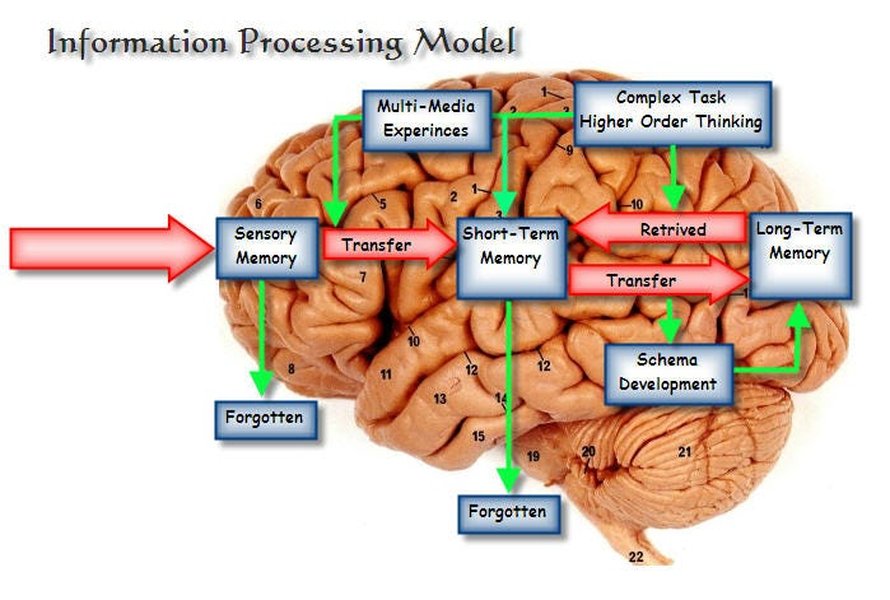
Illustration of how information is processed at different cognitive depths
Video Explanation: Levels of Processing Theory
This concise video provides an excellent overview of Craik and Lockhart's Levels of Processing theory, explaining how different depths of processing impact memory retention.
The video explains how the theory challenges traditional memory models by proposing that memory is not determined by how long information is rehearsed, but rather by how deeply it is processed—with semantic (meaning-based) processing creating the strongest memory traces.
Neural Networks: The Foundation of Connectionist Models
Rumelhart and McClelland's connectionist approach is based on artificial neural networks that simulate brain function. The following images illustrate the structure and functioning of these networks.
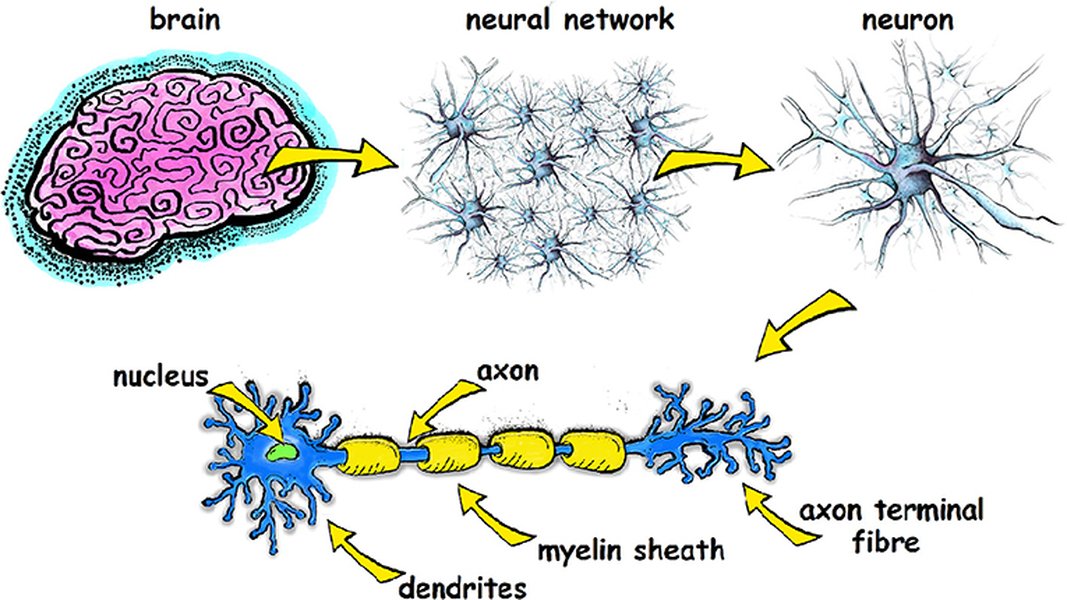
Basic structure of an artificial neural network showing interconnected units
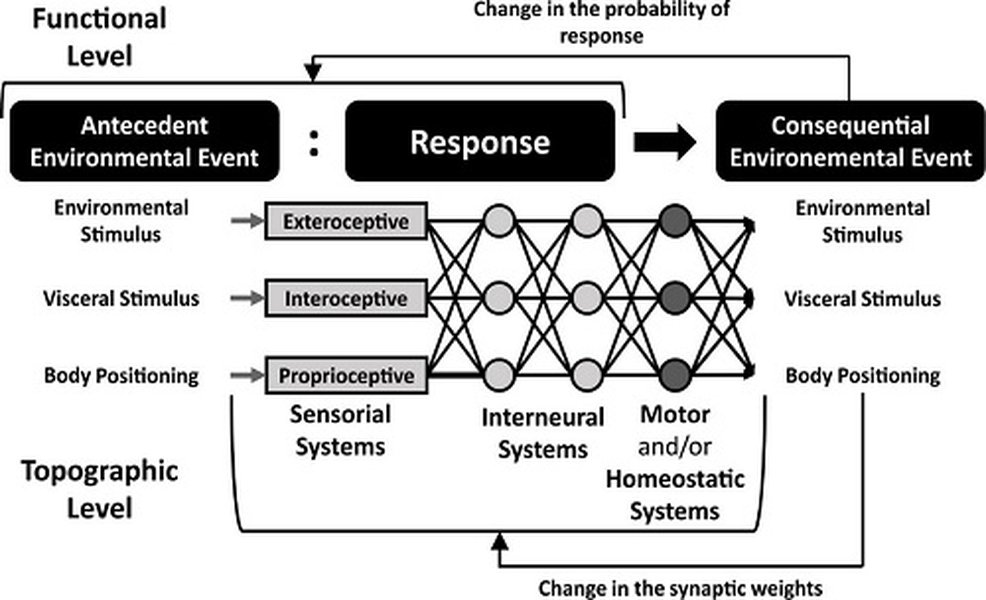
Illustration of parallel distributed processing in a connectionist network
Frequently Asked Questions
References
- Levels of Processing model - Wikipedia
- Levels of Processing Theory - Simply Psychology
- Key Study: Levels of Processing (Craik and Tulving, 1975) - Themantic Education
- Connectionist Models - ResearchGate
-
Connectionist Model - ScienceDirect
- Connectionism and Cognition - Internet Encyclopedia of Philosophy
-
On Rumelhart and McClelland's Model of Past Tense Learning - Cognitive Science
- Levels of Processing: Craik and Lockhart - Psychology Made Easy
Recommended Searches
Last updated April 7, 2025