
Unlocking the Essentials of Concert Promotion Mastery
A comprehensive guide to what you need to know for effective concert promotion
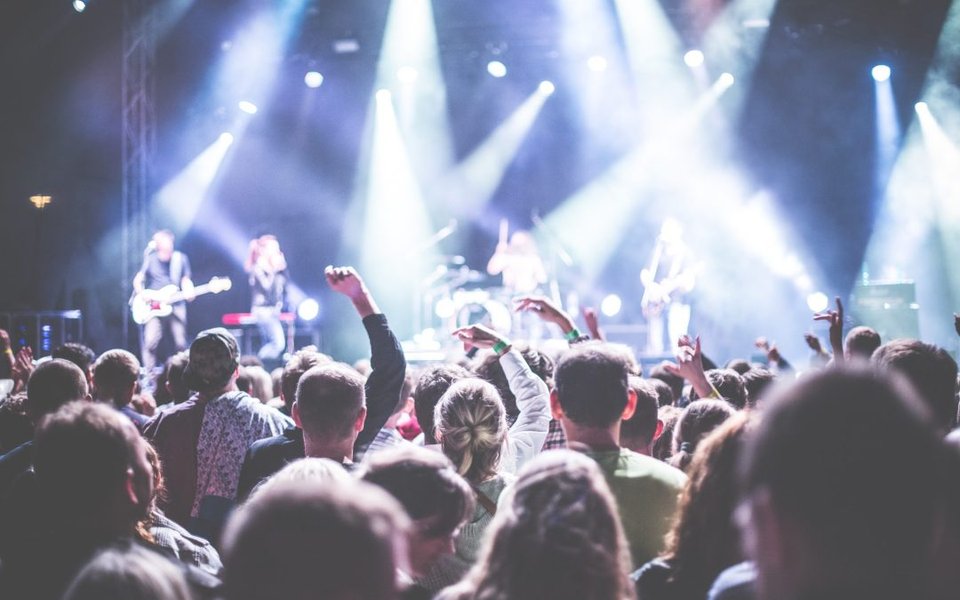
Key Highlights
- Target Audience & Messaging: Understand your fans and craft tailored, engaging content.
- Multi-Channel Strategy: Leverage digital tools, social media, and offline promotion to create robust buzz.
- Networking & Partnerships: Build strong industry connections and community relationships to amplify your reach.
Understanding the Foundations of Concert Promotion
Concert promotion is an art that blends creativity, strategic planning, and community engagement. Whether you're just starting out or looking to refine your approach, knowing the key elements to focus on is crucial for success. The following sections provide an in‐depth analysis of the essential aspects that every aspiring concert promoter should master.
1. Target Audience Identification and Market Understanding
Know Your Audience
Before launching any promotional campaign, it is essential to identify your target audience. This includes understanding their demographics, interests, geographic location, and buying behaviors. Knowing who your fans are enables you to tailor your messaging and choose the right platforms for communication. Some key steps in audience analysis include:
- Surveying your current fan base and analyzing social media insights.
- Researching similar events and studying the demographics they attract.
- Segmenting your audience into groups (e.g., age groups, music preferences) to create customized promotional messages.
- Tracking trends in musical tastes to predict which genres or styles will draw larger crowds.
Understanding your audience is the cornerstone for all subsequent promotional strategies. Once you have this foundation, you can create more targeted, effective promotional campaigns.
Message Crafting and Content Creation
Once your audience is well-defined, creating compelling and engaging content becomes paramount. This includes not just regular posts on social media but also crafting a unique narrative around the event that resonates with potential concert-goers. Effective content creation might involve:
- Developing visually appealing graphics, photos, and videos that capture the energy of past events.
- Sharing behind-the-scenes glimpses and exclusive interviews with performers.
- Using storytelling to highlight the unique aspects of the concert experience.
- Encouraging user-generated content by creating hashtags and interactive challenges.
The goal is to create a sense of anticipation that motivates fans to not only attend but also share the experience with others, thereby expanding your reach organically.
Building a Multi-Channel Promotion Strategy
Effective concert promotion typically requires a multi-pronged approach that involves both digital and traditional marketing tactics. Each channel serves a critical function in creating widespread visibility for your event.
2. Digital Marketing Essentials
Social Media Engagement
Social media is one of the most powerful tools for event promotion today. Platforms such as Instagram, Facebook, Twitter, and TikTok allow you to reach large audiences quickly and cost-effectively. Consider these tactics:
- Daily Engagement: Regular posts and updates are crucial to maintaining momentum leading up to the event. Utilize micro-content strategies to keep your audience engaged.
- Targeted Ads: Use social media advertising tools to target specific demographic groups and geographic locations to maximize exposure.
- Event Pages: Create dedicated event pages on platforms like Facebook, where users can RSVP, share the event, and invite friends.
- Interactive Content: Build polls, challenges, AR filters, and live Q&A sessions to interact directly with your audience.
Email and SMS Marketing
Direct communication channels like email and SMS remain highly effective in creating engagement and retention. Maintaining a mailing list allows you to:
- Send regular updates, exclusive content, and ticket reminders.
- Create personalized messages and promotions based on previous event attendance.
- Incentivize early ticket purchases through promotions and early-bird discounts.
Tracking user responses to emails and SMS can further refine your messaging strategies over time.
Online Advertising and SEO
To expand your reach beyond your existing fan base, investing in online advertising becomes essential. In addition, creating a dedicated website for the event can drive organic search traffic. Consider integrating these elements:
- Ad Campaigns: Use platforms such as Google Ads and Facebook Ads to create optimized campaigns that target potential fans based on their online behavior.
- Website Optimization: Develop an event website that is easy to navigate and contains all relevant details like the date, venue, artists, and ticketing options. Optimizing for search engines ensures people searching for local concerts find your site.
- Retargeting campaigns: Use cookies and remarketing techniques to remind users who visited your website to purchase tickets.
3. Offline Strategies for Concert Promotion
Traditional Advertising Methods
While digital marketing is critical, offline promotional tactics still play an important role—especially for local events. Traditional marketing methods include:
- Printed Materials: Designing and distributing posters, flyers, and concert posters in strategic locations such as coffee shops, record stores, and local bars.
- Outdoor Advertising: Utilizing billboards and transit ads in high-traffic areas to create broad local awareness.
- Street Teams: Deploying teams to hand out promotional materials, answer questions, and build grassroots buzz about the event.
Networking and In-Person Engagement
Developing strong personal connections within your community is invaluable. This includes:
- Partnerships: Collaborate with local businesses, radio stations, influencers, and other artists for cross-promotional opportunities.
- Community Involvement: Building relationships with local media outlets and cultural organizations to broaden your event’s visibility.
- Word of Mouth: Encourage satisfied attendees to share their experiences, which often leads to increased trust and interest among potential fans.
These networking efforts not only help promote a single event but also build your reputation and support base for future concerts.
Enhancing Your Promotional Strategy with Technology and Analytics
Beyond the creative and engagement aspects of concert promotion, using technology and data analytics can significantly refine and improve your marketing efforts. Monitoring performance metrics provides insights into which strategies are working best and where improvements need to be made.
4. Technology and Analytics in Concert Promotion
Event Websites and Ticketing Platforms
Having a centralized, well-designed event website is more than just a digital brochure. It serves as a hub for all promotional activity and ticket sales, allowing you to:
- Provide consolidated and up-to-date information about the event.
- Integrate with online ticketing systems to streamline the purchase process.
- Collect and analyze user data to inform future promotional campaigns.
Data-Driven Decision Making
Using analytics tools to monitor the performance of your digital marketing channels is critical. This can include:
- Social Media Analytics: Track engagement rates, click-throughs, and audience demographics to fine-tune your content.
- Email Campaign Metrics: Analyze open rates, click-through rates, and conversion metrics to adjust your messaging.
- Website Traffic: Use tools such as Google Analytics to determine which pages attract the most attention, how visitors navigate your site, and where drop-offs occur during the ticket purchasing process.
By continuously refining your approach based on data, you can optimize spending and increase the overall impact of your promotional efforts.
Visualizing Your Concert Promotion Efforts
The following radar chart provides a synthesized visualization of the different facets of concert promotion. Each axis represents a fundamental component, and the dataset reflects the relative importance and performance in that area based on expert analyses and common industry practices.
Leveraging Video Content
Video content is an increasingly influential component in modern concert promotion. A well-produced video can capture the excitement of live performances, offer glimpses behind the scenes, and invite fans to be part of a unique experience. Below is an embedded video that offers insights into launching a career as a concert promoter, tailored for the current market needs:
Operational Logistics and Essential Legalities
While creative promotion is a key driver of concert success, the operational and legal aspects are equally critical. A well-organized event is underpinned by robust logistical planning. These include:
5. Business Planning & Operational Strategy
Developing a Solid Business Plan
A comprehensive business plan helps coordinate all aspects of concert promotion. It should detail the event goals, budget, timeline, target audience, and a mix of digital and offline marketing strategies. Essential components include:
- Detailed Budgeting: Outline expected revenues, expenses (including marketing, venue, security, and production), and contingencies.
- Revenue Streams: Identify multiple revenue channels such as ticket sales, merchandise, sponsorships, and partnerships.
- Risk Assessment: Recognize potential challenges and plan for alternative scenarios.
Legal and Regulatory Compliance
Concert promotion requires adherence to various legal and regulatory standards. Depending on your region, you may need permits, licenses, and insurance to ensure a smooth event. Confirm with local authorities and include details such as:
- Venue permits
- Performance and event licenses
- Liability and public liability insurance
- Safety protocols for crowd management
Logistics and Operations
Operational details can make or break a concert. Work closely with venues for ticketing, crowd control, and on-site safety measures. Integrating technology such as online ticketing platforms and real-time analytics can further streamline your operations.
Networking, Skill Development, and Continuous Improvement
Beyond marketing and logistics, a successful promoter continuously builds industry relationships and refines their skills.
6. Networking and Career Building
Building Relationships in the Industry
Successful concert promoters often attribute their growth to strong networks. Engage with:
- Artists and musical talent for mutually beneficial collaborations.
- Local businesses, radio stations, and cultural organizations.
- Industry conferences, workshops, and panels that provide insights and networking opportunities.
Effective networking fosters creative collaborations and opens doors to new promotional channels.
Skill Development and Feedback
Stay updated with the latest trends, marketing tools, and performance analytics. Consider attending industry workshops and online courses tailored for event promotion. Post-event feedback, both quantitative (via analytics) and qualitative from attendee surveys, is invaluable for refining future promotional strategies.
Quick FAQ
What is the first step in concert promotion?
The first step is to clearly identify your target audience. Understand their demographics, interests, and habits. This information will guide your promotional content and channel strategy.
How can social media boost concert promotion?
Social media allows you to connect directly with your audience. Platforms like Facebook, Instagram, and TikTok are perfect for sharing behind-the-scenes content, engaging posts, targeted ads, and interactive campaigns. They create a buzz and foster community engagement.
Why is offline promotion still necessary?
Offline promotion, such as posters, flyers, and street teams, targets local audiences and builds tangible community buzz. It complements digital efforts by reaching potential attendees who may not be active online.
How do analytics shape future promotion strategies?
Analytics help track engagement, ticket sales, and audience behavior so you can understand what works and what doesn’t. Using these insights, you can adjust your strategies for better performance at future events.
Data Summary: Concert Promotion Strategies
The table below provides a summary of the key strategies for successful concert promotion, along with their focus areas and intended outcomes:
| Strategy | Focus Area | Intended Outcome |
|---|---|---|
| Target Audience Identification | Market Research, Demographic Analysis | Tailored messaging and precise promotional reach |
| Content Creation & Engagement | Visual Content, Storytelling, User-Generated Content | Enhanced fan connection and organic reach |
| Digital Marketing | Social Media, Online Ads, Email/SMS Campaigns | Broad engagement and increased ticket sales |
| Offline Promotion | Printed Materials, Local Outreach, Street Teams | Local visibility and community trust |
| Technology & Analytics | Event Websites, Data Analysis, Ticketing Platforms | Optimized promotional strategies and operational efficiency |
| Networking & Partnerships | Industry Connections, Local Collaborations | Broader exposure and sustainable growth |
References
- How to Promote a Concert - DK MBA Blog
- 11 Concert Marketing Ideas That Rock - Stomp Stickers
- 7 Event Marketing Strategies - TSE Entertainment
- Guide to Concert Promotion - Subtext
- 6 Easy Ways to Promote Your Show - Side Door Access
Recommended Related Queries
Last updated April 2, 2025