
Is There a Breakthrough Cure for Cytochrome C Oxidase Deficiency?
Exploring current treatments and the ongoing search for a definitive solution for this rare mitochondrial disorder.
Cytochrome c oxidase (COX) deficiency, also known as Complex IV deficiency, is a very rare inherited metabolic disorder. It stems from insufficient activity of the enzyme cytochrome c oxidase, which plays a critical role in the final step of the mitochondrial electron transport chain—the powerhouse process that generates most of the cell's energy (ATP). This deficiency impairs cellular energy production, potentially leading to a wide range of severe health problems affecting energy-demanding tissues like the brain, heart, muscles, and liver.
As of today, Sunday, 2025-05-04, despite ongoing research and advancements in understanding mitochondrial diseases, **there is no known cure for cytochrome c oxidase deficiency.** Current medical interventions focus primarily on managing the symptoms, providing supportive care, and attempting to enhance residual mitochondrial function.
Key Insights into COX Deficiency Management
- No Cure Available: Treatment is currently palliative, focusing on symptom management and supportive care rather than reversing the underlying genetic defect.
- Multifaceted Approach: Management often involves a combination of nutritional supplements ("mitochondrial cocktails"), specific medications, lifestyle adjustments, and therapies like physical and speech therapy.
- Ongoing Research: Significant research efforts are underway exploring novel therapeutic strategies, including pharmacological agents, copper supplementation for specific mutations, and potentially gene therapy in the future, offering hope for improved treatments.
Understanding the Roots of COX Deficiency
The Genetic and Metabolic Basis
COX deficiency arises from mutations in genes essential for the proper assembly or function of the cytochrome c oxidase enzyme complex. This complex is the fourth (Complex IV) of five complexes in the mitochondrial respiratory chain, responsible for transferring electrons from cytochrome c to molecular oxygen, ultimately producing water and contributing to the proton gradient that drives ATP synthesis.
Mutations can occur in either nuclear DNA (nDNA) or mitochondrial DNA (mtDNA), as the COX enzyme complex is composed of subunits encoded by both genomes. The specific genetic defect determines the pattern of inheritance and can influence the severity and tissue-specificity of the disease.
Inheritance Patterns
When caused by mutations in nuclear genes (which is more common), COX deficiency typically follows an autosomal recessive inheritance pattern. This means an individual must inherit two copies of the mutated gene (one from each parent) to develop the disorder. Parents, who usually carry only one copy of the mutated gene, are typically asymptomatic carriers. Inheritance patterns related to mtDNA mutations are more complex, following maternal inheritance lines.
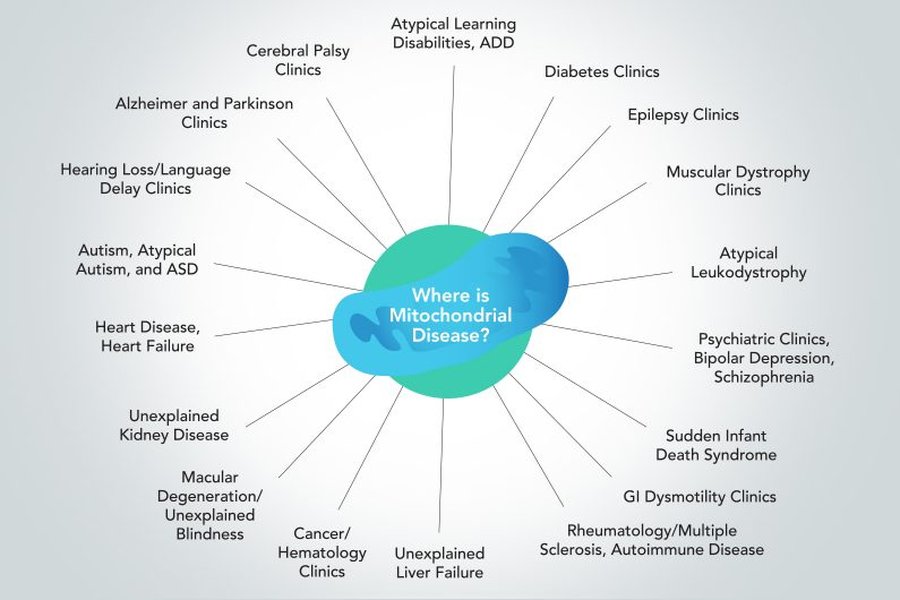
Diagram illustrating the complex processes within mitochondria, including the electron transport chain where Cytochrome c oxidase (Complex IV) plays a vital role.
The Current Therapeutic Landscape: Managing, Not Curing
Given the absence of a cure, treatment for COX deficiency revolves around a comprehensive strategy to alleviate symptoms, support organ function, reduce metabolic stress, and improve the patient's quality of life. This often requires a multidisciplinary team of specialists.
Symptomatic and Supportive Care
This forms the cornerstone of management and is tailored to the individual's specific needs based on affected organs and symptom severity.
- Physical and Occupational Therapy: To manage muscle weakness (myopathy) and improve motor skills and daily functioning.
- Speech Therapy: To address difficulties with speech or swallowing.
- Nutritional Support: Ensuring adequate caloric intake and sometimes specific diets (e.g., high-fat, low-carbohydrate diets might be considered to reduce lactate buildup, though evidence varies). Avoiding prolonged fasting is crucial.
- Management of Complications: Treating specific issues like seizures, cardiomyopathy (heart muscle disease), liver dysfunction, developmental delays, and metabolic crises promptly.
Biochemical Interventions: The "Mitochondrial Cocktail"
A common approach involves using a combination of vitamins, cofactors, and antioxidants aimed at supporting the electron transport chain and mitigating oxidative stress. While evidence for their efficacy varies and benefits are often patient-specific, these may include:
- Coenzyme Q10 (CoQ10) or Idebenone: An antioxidant and electron carrier that may help improve electron flow in the respiratory chain. Some case reports suggest high doses over long periods might offer symptomatic relief.
- B Vitamins: Riboflavin (B2), Thiamine (B1), and Biotin are sometimes used as they serve as crucial cofactors for various mitochondrial enzymes.
- Antioxidants: Vitamin C, Vitamin E, and Alpha-Lipoic Acid are used to combat the damaging effects of reactive oxygen species (ROS), which can increase in mitochondrial dysfunction.
- Creatine: Used as an energy buffer, potentially helping to maintain ATP levels in muscle and brain tissue.
- L-Carnitine: May be used to help transport fatty acids into mitochondria for energy production, although its role in COX deficiency is debated.
- Arginine and Citrulline: Amino acids used to potentially restore nitric oxide production, which can influence mitochondrial function and blood flow.
Pharmacological and Specific Therapies
Research is exploring agents that might more directly target mitochondrial processes:
- Dichloroacetate (DCA): A drug that inhibits pyruvate dehydrogenase kinase, potentially reducing lactate levels. Its use is controversial due to potential side effects.
- Agents Enhancing Mitochondrial Biogenesis: Drugs like Bezafibrate (a lipid-lowering agent) are being investigated for their potential to stimulate the production of new mitochondria. Studies in cell and animal models suggest it might cooperate with copper to improve COX function.
- Copper Supplementation: For specific forms of COX deficiency caused by mutations in genes involved in copper transport or delivery to the COX enzyme (e.g., SCO1, SCO2), carefully monitored copper supplementation has shown promise in restoring enzyme assembly and function.
- Cardiolipin Protectors: Elamipretide is an experimental drug designed to stabilize cardiolipin, a crucial lipid in the inner mitochondrial membrane, potentially improving respiratory chain function.
- Nucleotide Bypass Therapy: Explores ways to provide alternative sources of nucleotides for mitochondrial DNA replication and repair.
Other Interventions
- Exercise: Carefully monitored endurance and resistance exercise programs may improve muscle function and aerobic capacity in some individuals with mitochondrial myopathies, including some forms of COX deficiency. However, this must be carefully managed to avoid overexertion.
- Liver Transplantation: In rare cases where severe liver failure is the predominant manifestation, liver transplantation might be considered, though it doesn't correct the underlying defect in other tissues.
Visualizing Therapeutic Approaches
While definitive efficacy data is limited for many supportive treatments, the following radar chart provides a conceptual overview of the *potential* areas of impact for some commonly discussed interventions in managing COX deficiency. It reflects general understanding and research focus rather than proven clinical outcomes, which can vary greatly between individuals.
Mapping the Complexity of COX Deficiency
The following mindmap illustrates the interconnected aspects of Cytochrome c Oxidase Deficiency, from its genetic origins and resulting biochemical defect to the diverse symptoms and the current multi-pronged management strategies.
(Complex IV Deficiency)"] id1["Genetic Causes"] id1a["Nuclear DNA Mutations
(Autosomal Recessive)"] id1b["Mitochondrial DNA Mutations
(Maternal Inheritance)"] id1c["Genes affecting COX assembly/function
(e.g., SURF1, SCO1, SCO2, COX10)"] id2["Biochemical Defect"] id2a["Impaired Electron Transport Chain (ETC)"] id2b["Reduced ATP (Energy) Production"] id2c["Increased Oxidative Stress"] id2d["Potential Lactic Acidosis"] id3["Clinical Manifestations (Variable)"] id3a["Neurological
(Leigh Syndrome, Seizures, Developmental Delay)"] id3b["Muscular
(Myopathy, Weakness, Exercise Intolerance)"] id3c["Cardiac
(Cardiomyopathy)"] id3d["Hepatic
(Liver Failure)"] id3e["Other
(Renal Tubulopathy, Anemia)"] id4["Management (No Cure)"] id4a["Symptomatic & Supportive Care"] id4a1["Physical/Occupational/Speech Therapy"] id4a2["Nutritional Support (Avoid Fasting)"] id4a3["Managing Complications (Seizures, Infections)"] id4b["Biochemical Interventions ('Cocktails')"] id4b1["Coenzyme Q10 / Idebenone"] id4b2["B Vitamins (Riboflavin, Thiamine)"] id4b3["Antioxidants (Vit C, E, Lipoic Acid)"] id4b4["Creatine, Carnitine"] id4b5["Arginine / Citrulline"] id4c["Pharmacological / Specific"] id4c1["Copper Supplementation (Specific mutations)"] id4c2["Bezafibrate (Investigational)"] id4c3["Dichloroacetate (DCA - Limited use)"] id4d["Lifestyle & Other"] id4d1["Carefully Monitored Exercise"] id4d2["Liver Transplant (Rare, specific cases)"] id4e["Ongoing Research"] id4e1["Gene Therapy"] id4e2["Novel Drug Targets"] id4e3["Mitochondrial Replacement (Experimental)"]
Visualizing Complex IV Function
The following video provides a biochemical overview of Cytochrome c Oxidase (Complex IV), explaining its crucial role within the electron transport chain in mitochondria. Understanding this mechanism helps illustrate why its deficiency leads to significant energy production problems.
This animation details the step-by-step process by which Complex IV accepts electrons from cytochrome c and transfers them to oxygen, the final electron acceptor, forming water. It also highlights how this process contributes to pumping protons across the inner mitochondrial membrane, creating the electrochemical gradient necessary for ATP synthase to produce cellular energy. A deficiency in this complex disrupts this entire sequence, leading to the pathology observed in COX deficiency.
Summary of Therapeutic Strategies
The table below summarizes the main categories of therapeutic approaches currently used or investigated for managing COX deficiency, highlighting their proposed mechanisms and examples.
| Therapeutic Strategy | Proposed Mechanism of Action | Examples |
|---|---|---|
| Support Electron Transfer Chain (ETC) Function | Provide essential cofactors or bypasses to support residual ETC activity. | Coenzyme Q10, Idebenone, Riboflavin (B2), Thiamine (B1) |
| Reduce Oxidative Stress | Neutralize excess reactive oxygen species (ROS) generated due to ETC dysfunction. | Vitamin C, Vitamin E, Alpha-Lipoic Acid, N-Acetylcysteine |
| Provide Energy Buffers / Alternative Fuels | Offer alternative energy sources or buffers to maintain cellular energy homeostasis. | Creatine, L-Carnitine (for fatty acid transport), specific diets (e.g., ketogenic - debated) |
| Enhance Mitochondrial Biogenesis | Stimulate the production of new mitochondria. | Bezafibrate (investigational), Epicatechin (investigational), Exercise |
| Address Specific Molecular Defects | Correct specific issues like cofactor delivery or protein assembly. | Copper supplementation (for SCO1/SCO2 mutations) |
| Supportive Care & Symptom Management | Address specific symptoms and organ dysfunction, improve quality of life. | Physical therapy, anti-seizure medication, cardiac medications, nutritional support |
| Emerging / Experimental Therapies | Target underlying genetic cause or novel pathways. | Gene therapy (research phase), Elamipretide (cardiolipin protection - investigational), Nucleotide bypass therapy (research phase) |
Future Directions and Hope Through Research
The Quest for More Effective Treatments
While a cure remains elusive, the field of mitochondrial medicine is active. Research focuses on several key areas:
- Gene Therapy: Developing methods to deliver a correct copy of the faulty gene to affected cells is a major goal, particularly for nuclear gene defects. While promising in preclinical models for some mitochondrial diseases (like LHON), significant challenges remain for systemic delivery and targeting mitochondria effectively, especially for mtDNA mutations.
- Small Molecule Therapies: Identifying drugs that can enhance residual COX activity, boost mitochondrial biogenesis, improve antioxidant defenses, or bypass the metabolic block.
- Optimizing Existing Therapies: Refining the use of supplements like copper, CoQ10, and others through better understanding of individual patient genetics and metabolic profiles.
- Mitochondrial Replacement Therapy (MRT): Techniques like spindle transfer or pronuclear transfer, sometimes referred to as "three-parent IVF," aim to prevent the transmission of mtDNA diseases but are not treatments for existing patients and face ethical and regulatory hurdles. They are not currently applicable as a cure for individuals already diagnosed with COX deficiency.
Participation in clinical trials and registries through specialized mitochondrial disease centers is crucial for advancing research and providing patients access to potentially novel therapies.
Frequently Asked Questions (FAQ)
Is there currently a cure for Cytochrome C Oxidase deficiency?
No, as of May 2025, there is no definitive cure for Cytochrome c Oxidase (COX) deficiency. It is a complex genetic disorder, and current treatments focus on managing symptoms, supporting mitochondrial function, and improving quality of life.
What are the main treatments used for COX deficiency?
Treatment is primarily supportive and symptomatic. Key approaches include:
- Nutritional supplements often referred to as a "mitochondrial cocktail" (e.g., CoQ10, B vitamins, antioxidants).
- Physical, occupational, and speech therapies.
- Management of specific organ complications (heart, brain, liver, muscles).
- Avoiding metabolic stressors like fasting or illness.
- In specific genetic cases, copper supplementation may be beneficial.
- Experimental therapies like Bezafibrate are under investigation.
Can lifestyle changes help manage COX deficiency?
Yes, certain lifestyle adjustments are important. Avoiding prolonged fasting is crucial to prevent metabolic crises. Careful management of illness and infections is needed. While strenuous exercise can be harmful, carefully monitored, moderate exercise programs might be beneficial for some individuals under medical supervision. Maintaining good nutrition is also key.
Is gene therapy a potential cure for the future?
Gene therapy is an active area of research and holds theoretical promise as a future cure, especially for deficiencies caused by single-gene defects in nuclear DNA. However, significant technical challenges remain, particularly regarding safe and effective delivery to the target tissues and mitochondria. It is currently considered experimental and not available as a standard treatment for COX deficiency.
Recommended Further Exploration
- What are the specific symptoms of Leigh syndrome associated with COX deficiency?
- How does copper supplementation work for certain types of COX deficiency?
- Are there active clinical trials for new treatments for Complex IV deficiency?
- What is the role of mitochondrial biogenesis enhancers like bezafibrate in treating mitochondrial diseases?
References
Last updated May 4, 2025