
Unlocking the Secrets of Curing Processes
An in-depth exploration of various curing methods and their procedures
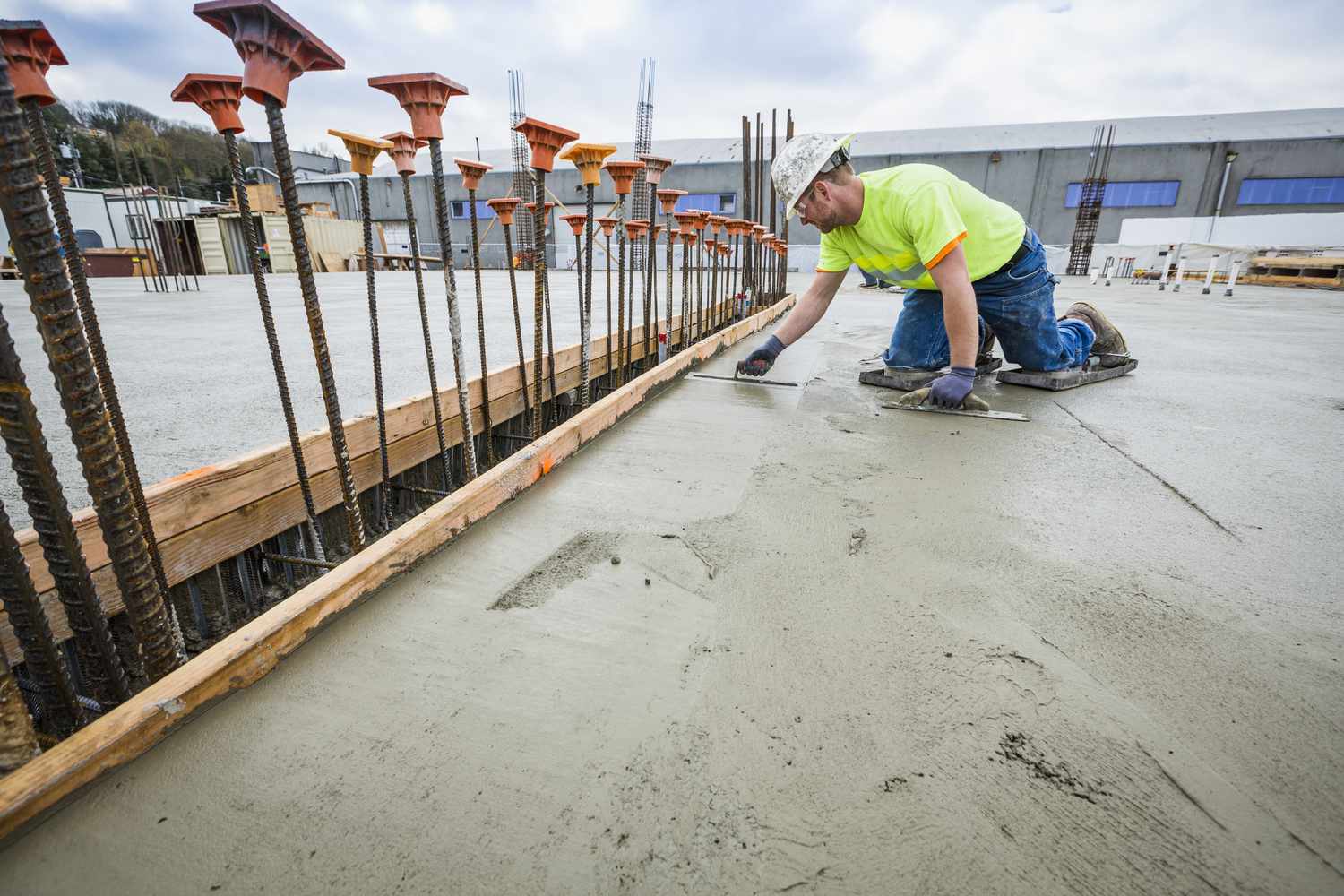
Key Highlights
- Versatility of Methods: Curing is applied across industries such as construction, food preservation, polymer chemistry, and coatings.
- Tailored Processes: Each curing method—whether water, heat, UV, or chemical—is tailored to optimize the structural and functional properties of the material.
- Environmental and Application Factors: Decisions on curing technique depend on environmental conditions, material composition, and end-use specifications.
Overview of Curing
Curing is a critical process used to enhance the strength, durability, and overall performance of various materials. Whether it is used to harden concrete in a building, preserve food for safe consumption, or stabilize polymers in manufacturing, curing involves controlled processes that promote chemical reactions or moisture retention. The term "curing" covers a broad spectrum of techniques that may involve the application of heat, ultraviolet (UV) light, chemicals, or moisture. Each technique is highly specialized and depends on the unique properties of the material being cured and the desired characteristics of the final product.
Types of Curing and Their Processes
1. Concrete Curing
In the construction industry, concrete curing is fundamental for ensuring that the hydration process of cement occurs efficiently. Curing concrete involves maintaining adequate moisture and temperature conditions to allow cement hydration to occur, a process that ultimately determines the strength, durability, and performance of the finished structure.
Water Curing
Water curing is the simplest and most traditional method of concrete curing. It:
- Relies on applying water continuously to the concrete surface through methods such as ponding, spraying, or using wet burlap covers.
- Ensures that the concrete surface remains moist to prevent rapid evaporation of water necessary for the hydration process.
- Helps minimize cracking and surface scaling, directly contributing to the concrete’s strength over time.
Sheet Curing
Sheet curing involves covering the concrete with impermeable materials such as polythene sheets or curing blankets. This method:
- Protects the concrete from abrasive elements like wind or direct sunlight, which can lead to premature drying.
- Retains moisture on the concrete surface without the need for a constant water supply, making it ideal in some weather conditions.
Membrane Curing
In membrane curing, a curing compound is applied to the concrete surface, forming a film that seals in moisture. Key points include:
- The curing compound, often water-based for easier removal, prevents moisture from evaporating.
- This method is especially useful in conditions where maintaining continuous wetness is challenging.
Fog Curing and Formwork Curing
Additional techniques include fog curing, in which a fine mist is used to increase ambient humidity, and formwork curing, where leaving the formwork in place aids in maintaining moisture and insulation. These methods are especially useful in hot, dry climates or where environmental controls are less reliable.
2. Food Curing
Food curing is primarily a preservation and flavor-enhancement process, traditionally essential for food safety, but now also valued for culinary tradition and sensory properties.
Dry Curing
This method involves direct application of a cure mix containing salt and possibly sugar, spices, and nitrites:
- Salt draws out moisture from the food via osmosis, inhibiting bacterial growth.
- Commonly applied to meat products such as ham and bacon, leading to a firm texture and distinctive flavor profile.
Brine or Wet Curing
Also referred to as wet curing, this process submerges the food (usually meat) in a saltwater solution:
- Helps infuse the food with salt and spices, distributing flavors more evenly.
- Ensures prolonged preservation and can improve the overall moisture level of the meat.
3. Polymer and Resin Curing
Curing in the context of polymers plays a crucial role in ensuring that resin-based products reach optimal performance by stabilizing their molecular structure through cross-linking.
Heat Curing
Heat curing is routine in the manufacturing of plastics, adhesives, and composite materials:
- Applies controlled heat to initiate chemical reactions, leading to cross-linking of polymer chains.
- Offers predictable performance and is commonly executed in ovens or using radiant heaters.
UV Curing
UV curing leverages ultraviolet light for rapid curing processes:
- The exposure to UV light activates photoinitiators in the resin system, causing the rapid hardening of inks, coatings, and adhesives.
- Especially suitable for processes where time efficiency is critical, such as in digital printing or high-speed production lines.
Moisture Curing
Certain polymers, such as polyurethanes and silicones, cure through the absorption of moisture from the environment:
- Ambient moisture interacts with the curing agent to promote polymerization and cross-linking.
- This process is often slower than heat or UV curing, yet is essential for specific applications such as sealants and foams.
4. Chemical Curing
Chemical curing involves the use of additives or curing agents to trigger a chemical reaction within a material. This method is frequently applied in construction and manufacturing for enhancing the properties of materials.
Chemical Curing in Concrete and Mortars
In addition to conventional water and membrane curing, certain chemical curing agents are added to concrete and mortar to accelerate setting and improve the final product’s strength:
- Chemical agents react with cement compounds, which can help control the set time and improve durability.
- Often used in precast concrete production where quick turnaround is necessary.
Chemical Curing in Resins
In the context of adhesives and composite materials, chemical curing agents are blended into resin systems:
- Curing agents (hardening agents) promote cross-linking between resin molecules, resulting in a robust final product.
- This type of curing is key in aerospace and automotive applications where high-performance composites are crucial.
5. Coatings and Paint Curing
For coatings and paints, curing is the final step that transforms a liquid application into a durable, solid film. This process primarily involves solvent evaporation and chemical cross-linking.
Air Drying
Air drying allows for the gradual evaporation of solvents:
- The process is largely dependent on environmental conditions, such as temperature and humidity.
- This type of curing is common in decorative paints and coatings.
Heat Cured Coatings
In industrial settings, heat is applied to accelerate the curing of coatings:
- Using ovens or infrared systems, heat cured coatings ensure a uniform cure, which is critical for applications in automotive, aerospace, and high-performance industrial finishes.
- This method often results in a harder and more durable finish compared to air dried coatings.
6. Specialized Curing Techniques
Beyond the most common techniques, several specialized methods are used in niche applications to achieve specific material properties.
Electromagnetic Curing
Electromagnetic curing utilizes sources of electromagnetic energy—such as radio frequency (RF) or microwave energy—to produce heat within the material:
- The process is particularly effective in materials that are sensitive to conventional heating methods, offering a more uniform cure.
- This technique finds application in the curing of certain adhesives and composite structures.
Vacuum and Autoclave Curing
Both vacuum and autoclave curing are advanced techniques used primarily in aerospace and medical manufacturing:
- Vacuum Curing: This method places the material in a vacuum chamber to reduce pressure, promoting the curing reaction by eliminating trapped air and moisture. It is particularly useful for ensuring high-quality composites without voids.
- Autoclave Curing: Involves applying high-pressure steam to the material inside an autoclave. It accelerates the curing process through both heat and pressure, yielding composites and plastics with superior mechanical properties.
Ambient Curing
Ambient curing relies on letting materials cure at room temperature without the need for additional energy sources:
- This technique is used for materials that are designed to set or harden under normal environmental conditions, such as certain adhesives and coatings.
- It is an energy-efficient process, though it often requires longer set times compared to techniques using heat or UV light.
Comparative Overview of Curing Methods
The table below outlines several common curing methods, their processes, and key applications. This comparative overview helps illustrate the versatility and targeted use of each curing technique.
| Curing Method | Process Description | Key Applications |
|---|---|---|
| Water Curing | Maintaining a moist surface through continuous water application (spraying, ponding, wet coverings). | Concrete structures (buildings, pavements), preventing cracking and ensuring strength development. |
| Sheet & Membrane Curing | Covering the material with impermeable layers to retain moisture and reduce evaporation. | Concrete, especially in areas exposed to harsh environmental conditions. |
| Fog & Formwork Curing | Using fine water mists or retaining forms to maintain humidity and temperature control. | Construction settings where ambient conditions are challenging. |
| Dry & Brine Curing (Food) | Application of salt (and sometimes sugar or spices) to draw moisture; submerging in brine solutions. | Preservation of meats, fish, and other food products to enhance flavor and longevity. |
| Heat & UV Curing (Polymers & Coatings) | Application of controlled heat or UV light to initiate chemical cross-linking reactions. | Composite manufacturing, adhesives, inks, and coatings requiring rapid and uniform curing. |
| Moisture & Chemical Curing | Utilizes ambient moisture or chemical curing agents to initiate polymerization or cement hydration. | Sealants, adhesives, specialized concrete mixes, and composite production. |
| Electromagnetic, Vacuum, Autoclave, Ambient | Employ electromagnetic energy, vacuum conditions, high-pressure steam, or room temperature settings to cure materials. | Aerospace composites, high-performance plastics, medical-grade materials, energy-efficient adhesives. |
Applications and Considerations
When selecting a curing process, several factors must be taken into account:
Material Characteristics
The intrinsic properties of the material—such as its composition, moisture content, and the presence of curing agents—play a significant role. For example, concrete requires a steady presence of moisture for cement hydration while polymer resins may require specific initiators like UV light or chemical additives.
Environmental Conditions
Environmental factors such as temperature, humidity, and exposure to sunlight can significantly affect the curing process.
- In hot and dry climates, methods that minimize moisture loss (sheet or membrane curing) are preferred.
- Conversely, in controlled indoor environments, heat or UV curing can be efficiently applied.
End-Use Requirements
The desired properties of the finished product dictate the selection of the curing method. For example:
- Concrete structures that must bear heavy loads require robust curing techniques to ensure maximum strength.
- In the food industry, curing processes are designed not just for preservation, but also to impart specific textures and flavors.
- High-speed industrial manufacturing might favor UV or heat curing for faster production cycles without sacrificing quality.
Cost and Efficiency
Practical considerations such as cost, equipment availability, and energy consumption are also integral when planning a curing process. Some methods, while highly effective, may involve higher operational costs or require specialized equipment, and these factors must be balanced against the desired outcomes.
References
- 6 Methods of Curing of Concrete - CivilBlog.Org
- Curing of Concrete Methods - Structural Guide
- Concrete Curing Methods - The Constructor
-
Types of Curing - Civil Jungles
- Curing (Food Preservation) - Wikipedia
Recommended Further Queries
Last updated March 23, 2025