
Unlocking Business Potential: How Data Analytics Creates Unbeatable Competitive Advantages
Transform your business strategy with powerful data analytics methods that industry leaders use to stay ahead of competitors
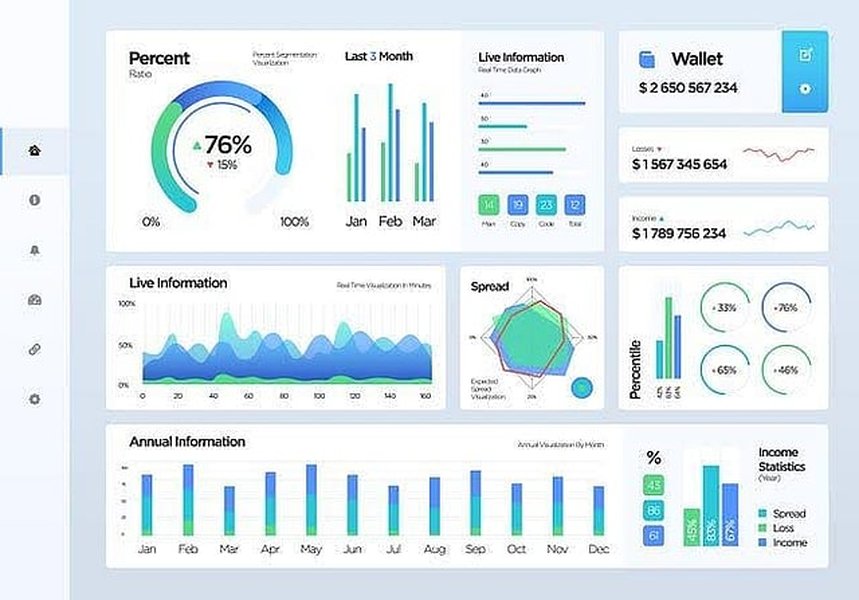
Key Competitive Advantages Through Data Analytics
- Enhanced Decision-Making: Leverage historical data to make strategic decisions that are 56% faster and more effective than intuition-based approaches
- Operational Optimization: Identify process bottlenecks and streamline workflows to reduce costs by up to 25% and improve resource allocation
- Customer-Centric Innovation: Transform customer data into personalized experiences that increase satisfaction and loyalty by over 30%
Method 1: Data-Driven Decision Making
The first transformative method businesses can implement is enhanced data-driven decision making. This approach fundamentally changes how organizations make strategic and tactical decisions by replacing gut feelings and assumptions with concrete evidence derived from data analysis.
How It Works
Data-driven decision making involves analyzing historical performance data and market trends to forecast future outcomes. This method enables businesses to make informed decisions based on what the data reveals rather than relying on intuition alone. According to research cited by Harvard Business School, 56% of companies reported "faster, more effective decision-making" after implementing data analytics in their operations.
Core Components
- Historical Data Analysis: Examining past performance metrics to identify patterns and trends
- Predictive Modeling: Using algorithms to forecast future trends and outcomes
- Scenario Planning: Testing different business strategies with data before implementation
- Real-time Analytics: Making immediate adjustments based on incoming data
Business Impact
When implemented correctly, data-driven decision making significantly reduces the risk associated with major business decisions. It allows organizations to identify market opportunities faster than competitors and helps predict customer behavior more accurately. For example, retail businesses can analyze purchasing patterns to optimize inventory levels, reducing carrying costs while ensuring product availability.
Decision Making)) Business Strategy Market Opportunity Identification Competitive Analysis Strategic Planning Operations Resource Allocation Process Optimization Inventory Management Marketing Campaign Performance Customer Segmentation Channel Optimization Product Development Feature Prioritization Customer Feedback Analysis Trend Identification Finance Risk Assessment Investment Decisions Cost Reduction
The above mindmap illustrates how data-driven decision making permeates throughout all business functions, creating a cohesive approach to strategic planning and execution.
Implementation Steps
- Identify key business questions and decisions that would benefit from data analysis
- Establish relevant metrics and KPIs aligned with business objectives
- Implement data collection systems across relevant touchpoints
- Develop analytical frameworks and models to transform raw data into insights
- Create visualization tools and dashboards for stakeholders
- Establish feedback loops to continuously improve decision quality
| Decision Type | Traditional Approach | Data-Driven Approach | Business Impact |
|---|---|---|---|
| Market Entry | Executive intuition, limited market research | Detailed market analysis, competitor assessment, demand forecasting | Reduced risk, increased success rate |
| Product Development | Feature selection based on stakeholder opinions | Feature prioritization based on usage data and customer feedback analysis | Higher adoption rates, improved customer satisfaction |
| Pricing Strategy | Industry benchmarking, cost-plus approach | Price elasticity modeling, customer willingness-to-pay analysis | Optimized profit margins, competitive pricing |
| Resource Allocation | Budget-based, historical precedent | ROI-based analysis, predictive performance modeling | Improved resource efficiency, better returns |
Method 2: Operational Optimization and Cost Reduction
The second powerful method for gaining competitive advantage through data analytics is operational optimization. This approach focuses on using data to identify inefficiencies, streamline processes, and reduce costs throughout the business.
How It Works
Operational optimization utilizes data analytics to examine current business processes, identify bottlenecks or inefficiencies, and implement targeted improvements. This method enables businesses to do more with less, increasing profit margins while potentially improving quality and customer satisfaction.
Core Components
- Process Analysis: Using data to map and understand current workflows
- Efficiency Metrics: Establishing KPIs to measure operational performance
- Bottleneck Identification: Pinpointing process constraints through data analysis
- Predictive Maintenance: Using data to prevent equipment failures before they occur
- Resource Optimization: Allocating personnel, equipment, and materials more effectively
Business Impact
Operational optimization can transform a business's cost structure and ability to deliver value. For example, logistics companies can use route optimization algorithms to reduce fuel consumption by up to 15%, while manufacturers can implement predictive maintenance to reduce downtime by up to 50%. These improvements directly impact the bottom line while also potentially improving service delivery and customer satisfaction.
Implementation Steps
- Conduct a comprehensive audit of current operational processes
- Establish baseline performance metrics for each operational area
- Implement data collection systems at key process points
- Analyze collected data to identify inefficiencies and improvement opportunities
- Develop and implement optimization strategies based on data insights
- Monitor performance improvements and iterate accordingly
A key aspect of operational optimization is the use of diagnostic analytics, which focuses on understanding why certain outcomes occurred. By analyzing the causal factors behind operational issues, businesses can implement targeted interventions that address root causes rather than symptoms.
Case Study: Retail Industry Transformation
A major retail chain implemented both data-driven decision making and operational optimization with remarkable results. By analyzing customer purchase patterns, they were able to:
- Reduce inventory carrying costs by 22% while improving product availability
- Optimize staffing schedules based on foot traffic data, reducing labor costs by 15%
- Personalize marketing campaigns using customer segmentation, increasing response rates by 34%
- Streamline supply chain operations, reducing order fulfillment time by 28%
This comprehensive approach to data analytics provided the retailer with a significant competitive advantage in a crowded marketplace, enabling them to offer better prices while maintaining higher profit margins than competitors.
The video above showcases how businesses can unlock competitive advantages through strategic implementation of data analytics, highlighting practical examples across various industries.
Frequently Asked Questions
References
- How Businesses Can Use Data Analytics for Competitive Advantage - BuzzyBrains
- 4 Types of Data Analytics to Improve Decision-Making - Harvard Business School Online
- Leveraging Data Analytics Tools to Drive Competitive Advantage - Vorecol
- The Competitive Advantage of Business Analytics - The Human Capital Hub
-
Using Data Analytics for Competitive Advantage in Business - SkillFloor
Recommended Queries
Last updated March 29, 2025