
Implementing a Robust DBMS for Jay-Jay Enterprises
Transforming inventory management through a structured database lifecycle
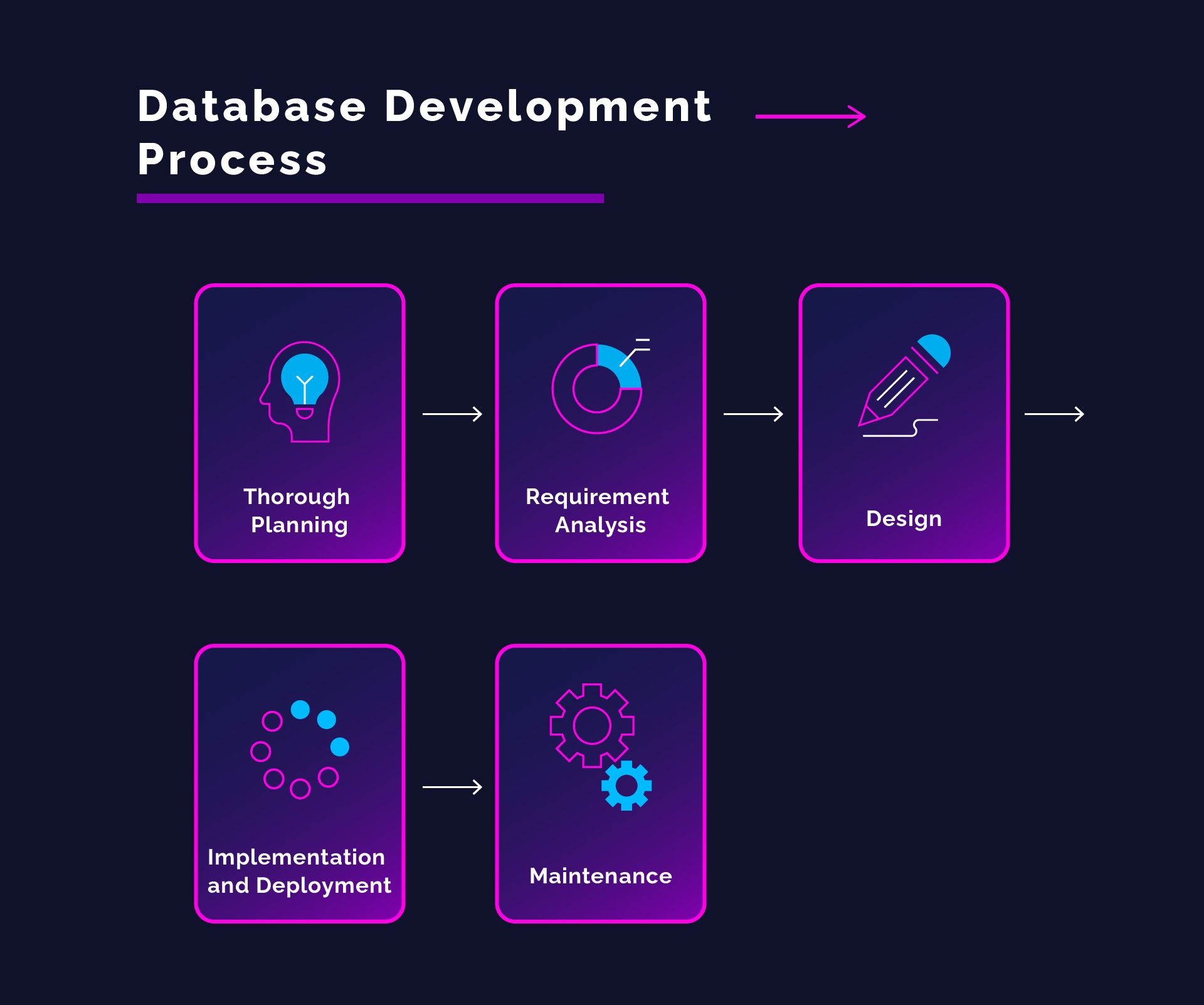
Key Takeaways
- Comprehensive Planning ensures alignment with business needs.
- Structured Design phases facilitate efficient implementation.
- Continuous Maintenance guarantees long-term system reliability.
Introduction
In the dynamic landscape of retail, effective inventory management is pivotal for operational success. Jay-Jay Enterprises, currently reliant on spreadsheet applications, faces challenges such as data inconsistency and errors. Transitioning to a robust Database Management System (DBMS) promises enhanced data management, reporting, and informed decision-making. This comprehensive guide delineates the key phases of the DBMS Life Cycle essential for successful implementation.
Key Phases of the DBMS Life Cycle
1. Requirements Analysis
Activities
The initial phase focuses on understanding the existing system and identifying the specific needs of Jay-Jay Enterprises. Key activities include:
- Conducting interviews with stakeholders across departments such as inventory management, sales, and management to gather comprehensive requirements.
- Documenting current challenges associated with spreadsheet-based inventory management, including data inconsistencies and error rates.
- Identifying both functional requirements (e.g., data entry, retrieval, reporting) and non-functional requirements (e.g., performance, security, scalability).
- Preparing a requirements specification document that will serve as the foundation for subsequent design and implementation phases.
Expected Outcome
A detailed and validated requirements specification document that accurately reflects the business needs and sets clear objectives for the new DBMS. This document ensures that the system will address the identified issues and support the company's operations effectively (Coronel & Morris, 2018).
2. Conceptual Design
Activities
This phase involves creating a high-level representation of the database structure:
- Developing an Entity-Relationship (ER) model to map out key entities such as Products, Suppliers, Customers, and Sales Transactions, along with their interrelationships.
- Identifying key attributes and determining primary keys for each entity to ensure data uniqueness and integrity.
- Establishing cardinalities to define the nature of relationships between entities (e.g., one-to-many, many-to-many).
- Validating the ER model with stakeholders to ensure accurate representation of business processes and data flows.
Expected Outcome
A comprehensive conceptual model, typically in the form of an ER diagram, that visually represents the data structure and relationships. This model serves as a blueprint for the logical design phase, ensuring all major data entities and their interactions are accurately captured (Elmasri & Navathe, 2015).
3. Logical Design
Activities
Transitioning from the conceptual model to a technical blueprint involves:
- Translating the ER model into a logical database schema, selecting an appropriate data model (commonly relational).
- Normalizing data structures to eliminate redundancy and ensure data integrity, typically up to the third normal form (3NF).
- Defining detailed table structures, including data types, constraints (e.g., unique, not-null, foreign keys), and indexing strategies to optimize query performance.
- Establishing relationships between tables to enforce referential integrity.
Expected Outcome
A detailed logical schema that outlines the structured format of the database independent of any specific DBMS. This schema ensures data consistency and provides a clear guide for the physical design and implementation phases (Connolly & Begg, 2015).
4. Physical Design
Activities
This phase focuses on optimizing the database for performance and storage:
- Selecting an appropriate DBMS (e.g., MySQL, PostgreSQL) based on the company's requirements and constraints.
- Designing physical storage structures, including tablespaces, file organizations, and indexing mechanisms.
- Defining security measures and access controls to protect sensitive data.
- Planning backup and recovery procedures to ensure data availability and integrity.
- Creating an implementation roadmap that includes DBMS installation, hardware specifications, and migration strategies from existing spreadsheets to the new DBMS environment.
Expected Outcome
A comprehensive physical design document detailing how the logical schema will be implemented on the chosen DBMS. This includes storage allocation, indexing strategies, and security protocols, ensuring the system is optimized for performance and scalability (MariaDB, 2025).
5. Implementation and Loading
Activities
The actual creation and population of the database occur in this phase:
- Installing the selected DBMS software on company servers.
- Creating the database schema using Data Definition Language (DDL) scripts, including tables, indexes, views, and stored procedures.
- Migrating existing data from spreadsheets to the new database, ensuring data is accurately transferred and transformed as necessary.
- Configuring user roles and permissions to control access and maintain security.
- Developing initial reporting interfaces to facilitate data retrieval and analysis.
Expected Outcome
A fully functional database system that aligns with the design specifications, populated with existing data, and configured for user access. This setup lays the groundwork for rigorous testing and eventual deployment (GeeksforGeeks, 2025).
6. Testing and Evaluation
Activities
Ensuring the database operates as intended involves:
- Conducting unit testing to verify the functionality of individual components such as tables, triggers, and stored procedures.
- Performing system testing to validate the integration of all components and the overall performance of the database.
- Engaging in user acceptance testing (UAT) with representative end-users to confirm that the system meets business needs and to identify any discrepancies or additional requirements.
- Evaluating data integrity, ensuring that data is accurately stored, retrieved, and maintained without inconsistencies.
- Fine-tuning performance parameters based on testing outcomes to optimize query response times and overall system efficiency.
Expected Outcome
A thoroughly tested and validated database system that meets all specified requirements, performs reliably under expected load conditions, and satisfies user expectations. This ensures the system is ready for deployment without critical issues (Hoffer, Ramesh & Topi, 2016).
7. Deployment and Transition
Activities
Transitioning to the new DBMS with minimal disruption involves:
- Planning and executing the migration from the existing spreadsheet-based system to the new DBMS, ensuring data accuracy and continuity of operations.
- Providing comprehensive training sessions and documentation for end-users and system administrators to facilitate smooth adoption.
- Setting up support channels to address any immediate issues or user queries during the initial stages of system use.
- Monitoring the transition process to ensure that all functionalities are operational and that users are effectively utilizing the new system.
Expected Outcome
A successful deployment where the new DBMS is fully operational, and users have seamlessly transitioned from the old system. Enhanced training and support mechanisms promote high user adoption rates and quick resolution of any emerging issues (Rob & Coronel, 2007).
8. Maintenance and Evolution
Activities
Ensuring the long-term success and adaptability of the DBMS includes:
-
Providing ongoing technical support to address any system issues or user difficulties.
-
Monitoring system performance continuously to identify and rectify any emerging inefficiencies or bottlenecks.
-
Applying regular updates, patches, and enhancements based on user feedback and evolving business requirements.
-
Conducting periodic backups and implementing disaster recovery plans to safeguard data integrity and availability.
-
Adjusting and optimizing the database structure as the company grows and its data management needs evolve.
Expected Outcome
A robust, secure, and adaptable database system that evolves with Jay-Jay Enterprises' growing needs. Continuous maintenance ensures the system remains efficient, reliable, and aligned with long-term business goals (Ambler, 2002).
Phase Summary
| Phase | Activities | Expected Outcome |
|---|---|---|
| Requirements Analysis | Stakeholder interviews, documenting challenges, defining requirements | Validated requirements specification document |
| Conceptual Design | Developing ER models, identifying entities and relationships | Comprehensive ER diagram |
| Logical Design | Transforming ER models to logical schema, normalization | Detailed logical schema |
| Physical Design | Selecting DBMS, designing storage structures, security measures | Comprehensive physical design document |
| Implementation | Installing DBMS, creating schema, data migration | Fully functional database system |
| Testing and Evaluation | Unit, system, and user acceptance testing | Validated and reliable database system |
| Deployment and Transition | System migration, user training, support setup | Operational DBMS with high user adoption |
| Maintenance and Evolution | Ongoing support, performance monitoring, updates | Secure and adaptable database system |
Conclusion
Implementing a structured DBMS Life Cycle is crucial for the successful transition of Jay-Jay Enterprises from spreadsheet-based inventory management to a robust database system. Each phase, from requirements analysis to maintenance, plays a pivotal role in ensuring the system is well-designed, effectively implemented, and sustainably maintained. By adhering to these phases, the company can achieve enhanced data accuracy, improved reporting capabilities, and informed decision-making, thereby driving operational efficiency and supporting long-term business growth.
References
Last updated February 16, 2025