
Comprehensive Guide to Implementing Digital Transformation in Enterprises
Strategies and Focus Areas to Drive Successful Digital Transformation
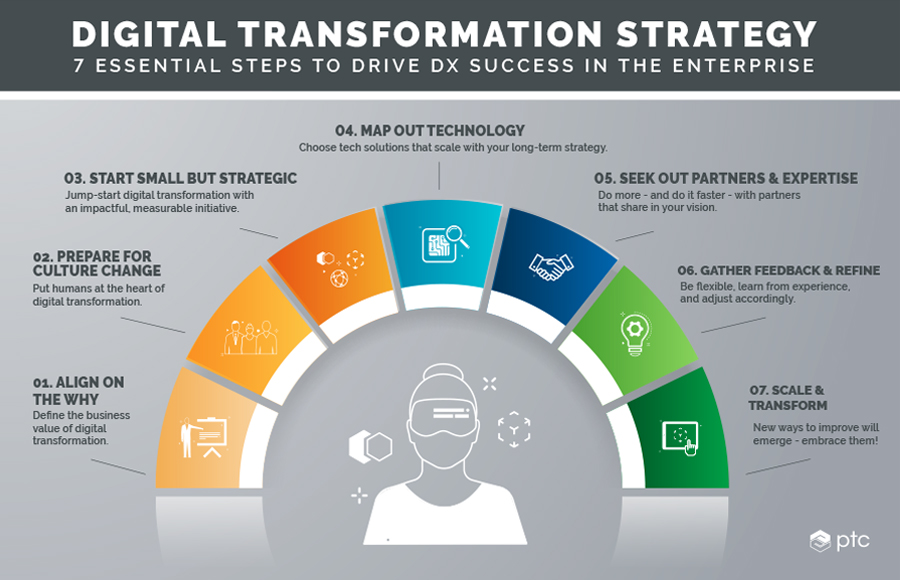
Key Takeaways
- Strategic Leadership: Establish clear objectives and secure top management commitment to guide the transformation.
- Cultural Shift: Foster a digital-first mindset and promote continuous learning and innovation among employees.
- Technology Integration: Leverage advanced technologies like AI, IoT, and cloud computing to enhance operations and customer experience.
1. Strategic Planning and Leadership
Defining Clear Objectives and Vision
Successful digital transformation begins with a well-defined vision that aligns with the organization's overarching business goals. Leadership must articulate specific objectives, such as enhancing operational efficiency, improving customer experiences, or fostering data-driven decision-making. This clarity ensures that all transformation efforts are purpose-driven and measurable.
Securing Top Management Commitment
Top management plays a pivotal role in driving digital transformation. Their commitment is essential for allocating necessary resources, championing change initiatives, and overcoming resistance. Leaders must actively participate in transformation projects, demonstrating their support and setting a precedent for the rest of the organization.
Developing a Comprehensive Roadmap
A detailed transformation roadmap outlines the steps, timelines, and resources required to achieve the defined objectives. This roadmap should prioritize initiatives based on their potential return on investment (ROI) and alignment with strategic goals. Establishing measurable milestones helps in tracking progress and ensuring accountability throughout the transformation journey.
Change Management Strategies
Implementing digital transformation involves significant changes in processes, technologies, and organizational culture. Effective change management strategies are crucial to facilitate smooth transitions. This includes clear communication, stakeholder engagement, and providing support mechanisms to help employees adapt to new ways of working.
2. Cultural Transformation
Fostering a Digital-First Mindset
A digital-first mindset is essential for embracing innovation and agility. Organizations must encourage employees to think creatively, experiment with new ideas, and adopt digital tools in their daily tasks. This cultural shift promotes a proactive approach to problem-solving and continuous improvement.
Encouraging Innovation and Experimentation
Innovation is the lifeblood of digital transformation. Creating an environment that rewards experimentation and tolerates failure can lead to breakthrough ideas and solutions. Establishing innovation labs or dedicated teams can further drive creative initiatives and accelerate transformation efforts.
Building Cross-Functional Teams
Cross-functional teams bring together diverse expertise and perspectives, enhancing collaboration and problem-solving capabilities. These teams can effectively address complex challenges by leveraging collective knowledge and fostering a holistic approach to transformation initiatives.
Investing in Employee Training and Skill Development
Empowering employees with the necessary skills and knowledge is critical for successful digital transformation. Providing training programs, workshops, and continuous learning opportunities ensures that the workforce remains competent and adaptable to evolving technological landscapes.
3. Implementation Approach
Starting with Pilot Projects
Initiating digital transformation with pilot projects allows organizations to test new technologies and processes on a smaller scale. These pilots demonstrate value, identify potential challenges, and provide valuable insights that can inform broader implementation strategies.
Scaling Successful Initiatives
Once pilot projects prove successful, organizations can scale these initiatives across the entire enterprise. This phased approach minimizes risks, ensures scalability, and facilitates the integration of successful practices into standard operating procedures.
Continuous Measurement and Optimization
Tracking key performance indicators (KPIs) is essential to monitor the progress of digital transformation initiatives. Continuous measurement allows organizations to assess the effectiveness of their strategies, make data-driven adjustments, and optimize outcomes in real-time.
Effective Communication
Transparent and consistent communication is vital at all levels of the organization during digital transformation. Communicating the vision, progress, and successes helps in maintaining momentum, managing expectations, and fostering a sense of shared purpose among employees.
4. Leveraging Cutting-Edge Technologies
Artificial Intelligence and Machine Learning
AI and ML can revolutionize business operations by automating complex tasks, providing predictive insights, and enhancing decision-making processes. These technologies enable organizations to analyze vast amounts of data, identify patterns, and optimize operations for greater efficiency and effectiveness.
Internet of Things (IoT)
IoT devices facilitate seamless connectivity and data exchange across various systems and devices. By integrating IoT into business processes, enterprises can monitor real-time performance, improve operational transparency, and enhance the overall quality of products and services.
Cloud Computing
Cloud computing offers scalable and flexible IT infrastructure, enabling organizations to deploy applications and store data with reduced costs and increased efficiency. Cloud solutions support remote work, data accessibility, and collaborative efforts across geographically dispersed teams.
Automation Technologies
Automation streamlines repetitive and manual tasks, freeing up valuable human resources for more strategic activities. Implementing robotic process automation (RPA) and other automation tools enhances productivity, reduces errors, and accelerates business operations.
5. Focus Areas for Digital Transformation
Customer Experience Enhancement
Improving customer experience is a central focus of digital transformation. Utilizing digital channels to engage with customers, delivering personalized interactions, and leveraging data analytics to understand customer preferences are key strategies. Enhanced digital touchpoints ensure a seamless and satisfying customer journey, fostering loyalty and satisfaction.
Operational Process Optimization
Optimizing internal processes through digitization leads to increased efficiency and reduced costs. Automating manual tasks, streamlining workflows, and implementing data-driven decision-making processes enhance overall operational performance. This optimization allows organizations to respond swiftly to market changes and maintain competitive advantage.
Technology Infrastructure Modernization
Modernizing IT infrastructure is critical to support digital transformation initiatives. Adopting cloud computing solutions, ensuring robust cybersecurity measures, and integrating emerging technologies like AI and IoT provide a strong foundation for innovation and operational excellence.
Data Management and Analytics
Effective data management and advanced analytics capabilities are essential for informed decision-making. Establishing data governance frameworks, enabling real-time data access, and leveraging predictive analytics empower organizations to harness the full potential of their data, driving strategic insights and business growth.
Employee Experience and Capabilities
Enhancing the employee experience through digital tools and platforms increases productivity and job satisfaction. Developing digital skills, enabling remote work capabilities, and improving internal communication systems support a motivated and competent workforce, essential for sustaining digital transformation.
Business Model Innovation
Digital transformation offers opportunities to innovate business models, creating new digital products and services, developing digital revenue streams, and forming ecosystem partnerships. Transforming traditional business models ensures organizations remain relevant and competitive in the rapidly evolving digital landscape.
6. Ensuring Security and Compliance
Robust Cybersecurity Measures
As organizations digitize their operations, securing sensitive data and systems becomes paramount. Implementing comprehensive cybersecurity strategies protects against threats, ensures data integrity, and maintains customer trust. Regular security assessments and updates are necessary to mitigate evolving cyber risks.
Regulatory Compliance
Adhering to industry regulations and standards is crucial during digital transformation. Compliance ensures that digital initiatives meet legal and ethical standards, avoiding potential fines and reputational damage. Establishing frameworks for continuous compliance monitoring supports sustainable transformation efforts.
7. Monitoring Progress and Iterating
Tracking Key Performance Indicators (KPIs)
Monitoring KPIs provides insights into the effectiveness of digital transformation initiatives. Metrics such as operational efficiency, customer satisfaction, and ROI help in assessing progress and identifying areas for improvement. Regularly reviewing these indicators ensures that transformation efforts remain aligned with strategic goals.
Iterative Improvement
Digital transformation is an ongoing process that requires continuous refinement. Organizations must be agile, ready to adapt strategies based on feedback, market conditions, and technological advancements. Iterative improvement fosters resilience and ensures long-term success in the digital age.
Conclusion
Implementing digital transformation in enterprises is a multifaceted endeavor that requires strategic planning, cultural change, and the integration of advanced technologies. By focusing on key areas such as customer experience, operational efficiency, and data management, organizations can navigate the complexities of digital transformation and achieve sustainable growth. Strong leadership, a digital-first culture, and continuous monitoring and optimization are critical for driving successful transformation initiatives in today’s competitive business landscape.
References
Last updated January 25, 2025