
Unraveling the Complexities: Depression vs. Bipolar Disorder
Discover the clinical intricacies and critical differences between these mood disorders
Key Insights at a Glance
- Distinct Mood Cycles: Depression is characterized solely by low mood, whereas bipolar disorder involves alternating episodes of depression and mania/hypomania.
- Clinical Characteristics: Each condition presents unique symptoms and clinical features that guide diagnosis and treatment.
- Tailored Intervention: Effective treatment requires accurate differentiation, emphasizing the critical role of clinical evaluation and patient history.
Overview of Mood Disorders
Mood disorders encompass a range of mental health conditions that disrupt an individual’s emotional state, significantly affecting daily functioning and quality of life. Two of the most widely discussed mood disorders are major depressive disorder (commonly known as depression) and bipolar disorder. Although these conditions share overlapping symptoms such as low mood and impaired concentration, they differ markedly in terms of mood variation, clinical features, and treatment modalities.
Detailed Clinical Characteristics and Descriptions
Understanding Depression: Major Depressive Disorder (MDD)
Core Features and Symptoms
Major depressive disorder is primarily manifested by a persistent depressed mood or a lack of interest or pleasure in nearly all activities, lasting at least two weeks. This condition is not limited to transient feelings of sadness; rather, it reflects a profound and persistent affective state that can disrupt every aspect of a person's life.
- Mood Symptoms: Chronic sadness, hopelessness, or emptiness that may not always be described as “sad” but often includes pervasive feelings of despair.
- Cognitive Disruption: Difficulty concentrating, indecisiveness, and pervasive negative thinking patterns, often leading to feelings of worthlessness or excessive guilt.
- Physical Manifestations: Changes in sleep patterns (insomnia or hypersomnia), fluctuations in appetite resulting in weight gain or loss, and a general lack of energy and fatigue.
- Behavioral Changes: Social withdrawal and diminished interest in previously enjoyed activities, culminating in reduced daily performance.
Diagnostic tools such as the Hamilton Rating Scale for Depression (HAM-D) and the Montgomery-Asberg Depression Rating Scale (MADRS) are commonly used by clinicians to assess the severity and progression of depressive symptoms. Though depression can be profound, it is important to recognize that symptoms may sometimes be subtle, especially in certain populations, and require the careful scrutiny of a healthcare professional.
Impact on Daily Life
The debilitating impact of depression often extends to social interactions, occupational performance, and overall quality of life. Persistent depressive symptoms interfere with the capacity to engage in everyday activities, making diagnosis and early intervention vital. Moreover, depression is frequently accompanied by comorbid conditions such as anxiety, further complicating the clinical picture.
Exploring Bipolar Disorder: A Dual Spectrum
Clinical Manifestations of Bipolar Disorder
Bipolar disorder is distinguished by its defining feature: mood variability. Unlike unipolar depression, bipolar disorder includes distinct episodes of elevated mood. These mood states are generally categorized as manic, hypomanic, or depressive episodes, each characterized by specific symptoms and levels of severity.
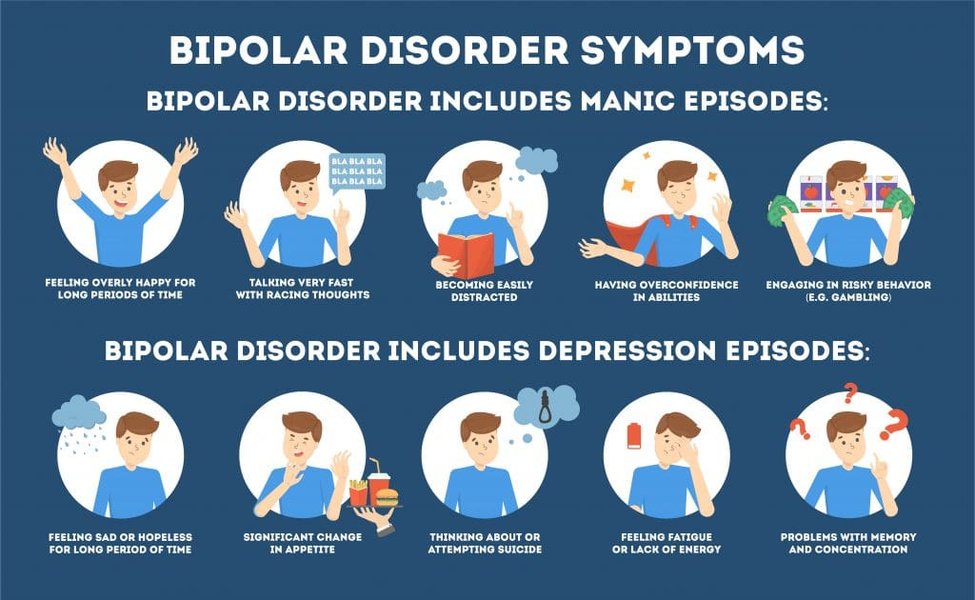
- Manic Episodes: Periods of unusually elevated or irritable mood, increased energy, hyperactivity, and often impulsive behaviors. Signs include a decreased need for sleep, racing thoughts, and, at times, recklessness in decision-making.
- Hypomanic Episodes: Milder variants of mania that involve heightened energy or irritability without significant impairment in social or occupational functioning.
- Depressive Episodes: Similar in nature to clinical depression, these episodes bring on feelings of sadness, fatigue, and hopelessness, albeit interspersed with periods of normal mood or high energy.
The diagnosis of bipolar disorder often entails a comprehensive evaluation of a patient’s history to ascertain the cyclical nature of mood changes. Instruments like the Young Mania Rating Scale (YMRS) assist clinicians in differentiating between manic and hypomanic states. Bipolar I disorder is defined by the presence of at least one full manic episode, while Bipolar II disorder involves hypomania coupled with at least one depressive episode.
Distinct Features and Diagnostic Considerations
A critical feature setting bipolar disorder apart from depression is the presence of manic or hypomanic episodes. The rapid shifts between these mood states not only affect day-to-day functioning but also pose challenges in diagnosis. Patients may initially present with depressive symptoms, and it is only upon detailed history-taking that the emergence of past manic episodes may become apparent. The episodic nature of the condition calls for a nuanced approach to both diagnosis and treatment.
Comparative Overview: Depression vs. Bipolar Disorder
Understanding the differences between depression and bipolar disorder is essential for accurate diagnosis and effective treatment strategies. Below is a comprehensive table that delineates the key characteristics, symptoms, and treatment approaches for each condition:
| Feature | Major Depressive Disorder (Depression) | Bipolar Disorder |
|---|---|---|
| Mood States | Persistent low mood; absence of elevated mood episodes | Alternating cycles: depressive episodes combined with manic/hypomanic episodes |
| Cognitive Symptoms | Pervasive feelings of worthlessness, negative outlook, impaired concentration | Cognitive disturbances may occur during both depressive and manic phases; racing thoughts during mania |
| Physical Symptoms | Changes in sleep (insomnia/hypersomnia), appetite disturbances, chronic fatigue | Variable sleep patterns – reduced need for sleep in manic phases; exhaustion in depressive states |
| Behavioral Manifestations | Social withdrawal, decreased activity, reduced participation in daily routines | Impulsivity, risk-taking behaviors during manic episodes, along with recovery periods |
| Diagnostic Tools | HAM-D, MADRS; clinical interviews focusing on persistent depressive symptoms | YMRS for manic symptoms; detailed patient history to detect bipolar spectrum symptoms |
| Treatment Strategies | Antidepressants (SSRIs/SNRIs), cognitive-behavioral therapy (CBT), lifestyle modifications | Mood stabilizers (lithium), antipsychotics, targeted psychotherapy; cautious use of antidepressants to avoid mania induction |
This side-by-side comparison highlights the clinical nuances of each disorder, stressing the importance of recognizing the distinct mood patterns and symptom clusters that set depression apart from bipolar disorder.
Visual Analysis: Radar Chart of Symptom Clusters
The following radar chart provides a visual representation of symptom prevalence and severity across different dimensions for both depression and bipolar disorder. Although based on qualitative clinical insights rather than hard numerical data, the chart offers an illustrative comparison to better understand the unique profile of each condition.
Multimedia Enhancements
Educational YouTube Video
For a dynamic and engaging exploration of the differences between depression and bipolar disorder, consider watching the following video. This video offers a detailed overview of mood disorders and explains how to differentiate between unipolar and bipolar depression:
The video provides clinical insights and visual explanations that complement the in-depth content presented here. It sensitizes viewers to the nuances of mood fluctuations and the importance of recognizing warning signs for proper evaluation.
Relevant Imagery
Visual aids can help contextualize the clinical themes discussed:


The first image illustrates an artistic depiction of depressive states, conveying the emotional gravity experienced by those with depression. The second image, derived from a study on bipolar disorder, visually represents structural brain differences, underscoring the biological underpinnings of the disorder.
Frequently Asked Questions (FAQ)
References
- Mayo Clinic - Mood Disorders
-
Cleveland Clinic - Mood Disorders
- NCBI Bookshelf - Clinical Features
- Yale Medicine - Mood Disorders
- Johns Hopkins Medicine - Mood Disorders
Recommended Related Queries
Last updated April 3, 2025