
The Parable in "Design" by Robert Frost
Unraveling the Mystery of Nature's Dark Inquiry
Key Insights
- The interplay of natural imagery: The poem’s use of the white spider, white moth, and white flower creates a striking, symbolic tableau that questions the harmonious design of nature.
- Questioning divine intent: Frost's parable challenges traditional views on a benevolent creator, presenting the possibility of a darker, malevolent force governing natural events.
- Philosophical exploration: The poem serves as a philosophical inquiry, prompting readers to examine themes of fate, determinism, and the inherent ambiguity of natural design.
Overview of the Poem and Its Parable
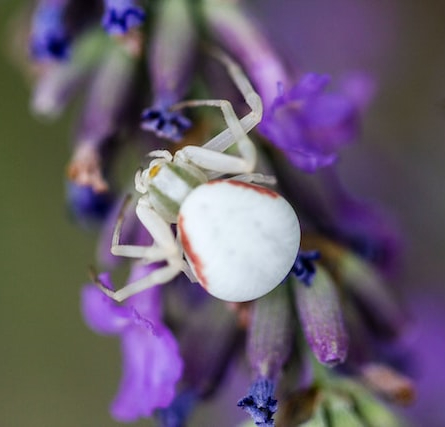
Robert Frost’s poem "Design" is a succinct yet profound work that layers simple imagery with complex thematic questions about nature, purpose, and the divine. The poem centers on a seemingly mundane yet symbolically potent observation: a white spider, a white moth, and a white flower in an encounter that culminates in the death of the moth. At first glance, the scene might appear to be a mundane natural occurrence. However, as the poem unfolds, it becomes clear that Frost uses this moment to explore deeper philosophical questions concerning the nature of design in the universe.
The parable in "Design" invites readers to scrutinize whether the convergence of these white elements is a mere accident of nature or part of a purposeful, perhaps even sinister, orchestration. Rather than suggesting that natural events are solely random or purely benevolent, the poem hints at an underlying structure that might be far from harmonious. Through this narrative, Frost challenges the classical "argument from design," which traditionally posits that the complexity and order of the universe imply a benevolent creator. Instead, he presents a scenario where design might be imbued with darkness and malevolence.
Detailed Analysis of the Parable
The Symbolism of the White Elements
Central to the parable in "Design" is the use of white imagery. White is typically associated with purity, innocence, and light. However, in Frost’s poem, this color paradoxically also highlights mortality and decay. The spider, encased in the same hue as its surroundings, represents not only the natural predator but also an ambiguity in design: how can an entity that appears pure also embody death?
The moth, caught and ultimately sacrificed on the flower, symbolizes vulnerability and transience. Its white form might suggest innocence, yet its fate is grim. The white flower, in turn, stands for life and beauty—a creation that is supposed to thrive in the sun and proliferate accidentally in the natural world. When these elements merge, the poem’s imagery forces readers to confront the possibility that beneath the veneer of beauty lies an underlying order that endorses destruction.
Confronting the Notion of a Designer
Frost uses the scene to interrogate the existence and character of a designer—a force or intelligence behind the creation of the universe. In classical arguments, such as those from natural theology, the intricate balance and order of nature are cited as evidence for a benevolent and omnipotent creator. Yet, in "Design," the poet subverts this expectation by displaying a scene where design seems to lead to harm and death.
The speaker in the poem is compelled to ask, “What had that flower to do with being white?" This question not only highlights the peculiarity of the scene but also implies that if a design exists, its purpose may not be as benevolent as traditionally assumed. The deliberate placement of the spider and moth on the pure white flower suggests that there is a hidden motive at work—one that might be associated with fate or even a malevolent intelligence.
The idea that a diabolical force or a skewed cosmic plan could govern natural events adds a layer of existential disquiet to the poem. Frost does not offer clear answers but rather leaves the reader with a lingering ambiguity: is the design purposeful, and if so, is it truly benign?
The Parable as a Metaphor for Broader Philosophical Debates
Beyond its immediate natural imagery, the poem reflects broader debates in philosophy and theology. The parable can be read as an allegory for the complex interplay between order and chaos in the universe. It raises critical questions regarding free will, determinism, and the nature of existence itself. In asking whether the seemingly random meeting of a spider, a moth, and a flower is part of a larger, perhaps malevolent design, Frost is engaging with longstanding philosophical questions about fate and the randomness inherent in life.
From a philosophical standpoint, the poem invites readers to explore the possibility that the world is not merely a product of random chance or a perfectly benevolent plan but may instead be governed by forces that are indifferent or even hostile to life. In this sense, the parable functions as a meditation on the human condition—on how we must reconcile the coexistence of beauty and horror, order and chaos. It challenges us to see beyond the superficial aspects of nature and consider the potentially darker forces that might lie beneath, an idea that was both innovative and unsettling for Frost’s readers.
Ambiguity and the Open-Ended Nature of the Poem
One of the most compelling aspects of "Design" is its deliberate ambiguity. Frost refrains from providing definitive answers regarding the nature of the design he hints at. The ambiguity serves as a rhetorical device that compels readers to engage with the poem on a deeply personal level, projecting their own interpretations and doubts onto the text.
The open-ended structure of the poem mirrors the complexity of the questions it raises. By concluding with uncertainty—leaving the design of nature as an open and debatable possibility—Frost aligns with a tradition in literature that values questioning over dogmatic assertions. This method—encouraging readers to wrestle with their beliefs about natural order, fate, and the divine—renders the poem timeless, as it remains relevant in discussions about the intersection of science, art, and theology.
Comparative Elements and Broader Context
Natural Imagery and Literary Devices
Frost's mastery in "Design" is evident through his strategic use of natural imagery and literary devices. The stark contrasts between the elements—the spider as a predator versus the moth's inherent fragility, the flower's beauty juxtaposed with its role as a stage for predation—are all carefully chosen images that elevate the narrative from a mere observation of nature to a profound commentary on existence.
The poem’s compressed, almost fable-like structure is another key literary device. By distilling complex philosophical ideas into a brief narrative focused on a single scene, Frost manages to encapsulate the broader debates about fate, free will, and the nature of the universe. His choice of simple language belies the depth of the inquiry he presents, inviting both casual readers and scholarly critics to ponder the deeper implications of what might initially seem to be an incidental event in nature.
The Role of Fate and Determinism
Central to the parable is the theme of fate or determinism. The encounter between the spider, the moth, and the flower can be interpreted as a microcosm of larger cosmic forces. Is this precisely arranged sequence of events a predetermined fate dictated by a cosmic designer, or is it a demonstration of the randomness inherent in nature? The poem leaves this question unresolved, suggesting the possibility of both design and chance operating concurrently in the universe.
This uncertainty reflects the broader philosophical debate about determinism versus randomness in the natural world. While some readings of the poem hint at a predestined order that is indifferent—or even adverse—to human sensibilities, others propose that what appears as design might be nothing more than the inevitable outcome of natural processes. Frost’s ambiguous stance adds to the richness of the poem, allowing it to serve as a canvas for multiple interpretations.
Interrogating the Concept of Divine Intent
Perhaps the most compelling aspect of the parable in "Design" is its challenge to traditional theological perspectives. By presenting a scene where design results in death and decay rather than harmonious creation, Frost implicitly questions the nature and intent of the divine. If the universe were the product of a benevolent creator, one might expect to see a design that conspicuously prioritizes life, beauty, and order. Instead, the unsettling tableau in the poem forces the reader to consider that the creative force behind nature might be far more complex—and possibly malevolent—than conventionally believed.
This inversion of the traditional argument from design is both innovative and provocative. Rather than offering comforting answers, Frost’s parable encourages a critical reexamination of the relationship between humanity and the cosmos, pushing readers to confront uncomfortable truths about the nature of existence and the often inexplicable interplay between life and death.
Visualizing the Themes: A Reference Table
| Element | Symbolism | Philosophical Inquiry |
|---|---|---|
| White Spider | Death, Predation, Ambiguity | Challenges the notion of a benign design by introducing mortality in purity |
| White Moth | Fragility, Innocence, Transience | Represents the vulnerability of life subject to overwhelming cosmic forces |
| White Flower | Beauty, Purity, Natural Order | Contrasts with the darker elements to question the idea that natural beauty guarantees benevolence |
The Parable in Context: Broader Implications
Philosophical and Theological Reflections
The scene in "Design" is not isolated from broader intellectual currents. Frost’s work often intersects with themes that challenge conventional wisdom on the role of a creator in the cosmos. Historically, the argument from design has been a central pillar in debates over the existence of God, where the complexity and order of nature are seen as evidence of a purposeful creator. Frost turns this argument on its head by showcasing that even within a meticulously arranged scene, elements of cruelty and mortality persist.
By doing so, the poem implicitly addresses the discomfort many feel when confronted with the randomness and occasional cruelty of natural events. If one accepts the premise that there is an intentional design behind all of nature’s occurrences, then the presence of such stark and seemingly contradictory elements as life and death forces a rethinking of what that design entails. Is it truly a benevolent orchestration, or does it point to an indifferent or even hostile universe?
Literary and Aesthetic Dimensions
Beyond its philosophical depth, "Design" is a masterclass in succinct literary craftsmanship. Frost’s deliberate economy of language, coupled with his vivid imagery, invites the reader to engage in an aesthetic experience wherein beauty and horror are intertwined. This duality is central to the poem’s power, as it not only encapsulates the inherent contradictions of life but also enhances the reader’s appreciation of nature’s complexity.
The parable, as depicted through the interaction of the white spider, moth, and flower, captures the paradoxical coexistence of life and death. The image of these elements, seemingly pure and unblemished by color yet arranged in a manner that signifies decay, serves as a potent symbol of the latent darkness within what might appear outwardly beautiful. This aesthetic choice underscores Frost’s broader commentary on the deceptive nature of appearances and the underlying realities they often conceal.
Interrelated Themes and Broader Discussions
Fate, Chance, and the Universe
In "Design," the convergence of seemingly unrelated natural elements calls into question whether life is a product of fate or random chance. The poem’s ambiguous conclusion, where questions about the underlying design remain open-ended, mirrors ongoing debates in philosophy regarding determinism and randomness. If every action and event is preordained by an inscrutable plan, then even the simplest occurrence, such as the interaction of a spider with its prey, may carry layers of cosmic significance.
Conversely, if such events are merely coincidental, then the poem suggests the existence of a natural order devoid of moral predication—a universe where beauty and brutality coexist without divine oversight. This tension between predestination and randomness is a recurring theme not only in Frost’s poetry but also in broader literary and philosophical discussions about the human condition.
Impact on Readers and Interpretive Freedom
One of the lasting impacts of Frost's parable is its capacity to evoke a myriad of interpretations. By leaving the question of design unresolved, Frost grants readers the freedom to derive personal meaning from the text. Some may view the scene as a critique of religious and philosophical doctrines that insist on a benevolent creator, while others might interpret it as a melancholic reflection on the inevitability of death within the natural order.
This interpretive freedom is central to the poem’s enduring relevance. As readers debate the existence and nature of design, they are also prompted to consider their own perceptions of fate, morality, and the essence of life. Frost’s subtle yet powerful questioning encourages a dialogic interaction with the text, making "Design" not just a poem to be read, but a subject for lifelong contemplation.
References and Further Exploration
For readers interested in delving deeper into the analysis and interpretation of Robert Frost’s "Design," the following resources offer extensive discussions on the themes, symbolism, and philosophical underpinnings of the poem:
- Analysis of Poem "Design" by Robert Frost - Owlcation
- Design by Robert Frost: Summary & Analysis - EnglishLiterature.info
- Design by Robert Frost - PoemAnalysis.com
- Design Poem Summary and Analysis - LitCharts
- Robert Frost and the Argument from Design - Medium
Recommended Queries for Further Insight
 happopoemouse.blogspot.com
 hommez.wordpress.com
Last updated March 18, 2025