
Unlocking Launch Success: The Multifaceted Role of Design Teams in Your Product Journey
Discover how strategic design elevates product launches from initial concept to market impact and beyond.
Essential Insights: Design's Launch Impact
- Strategic Foundation: Design teams go beyond aesthetics, defining product identity, ensuring user-centricity, and aligning the product with core business objectives from the outset.
- Accelerated Development: Through rapid prototyping, iterative testing, and robust design systems, design significantly shortens development cycles and time-to-market.
- Enhanced User Experience & Adoption: Focusing on usability, intuitive interfaces, and creating compelling visual communication ensures the product resonates with users and drives adoption.
When preparing for a product launch, understanding the comprehensive support a design team provides is crucial. Their role extends far beyond mere visual appeal; it's deeply integrated into the entire product lifecycle, acting as a strategic partner that significantly influences the product's conception, development, reception, and long-term success.
Laying the Strategic Foundation: More Than Just Looks
Effective product launches begin long before the actual release date, with design playing a foundational strategic role. It's about ensuring the product not only looks good but fundamentally solves real user problems and aligns seamlessly with business strategy.
Embracing User-Centricity
Understanding the 'Why' Behind the Product
Design teams champion a user-centered approach. They delve deep into understanding the target audience – their needs, pain points, behaviors, and expectations. Methodologies like Design Thinking guide this process, fostering empathy and ensuring that product decisions are driven by genuine user insights. This focus guarantees the end product is not just functional but also desirable and intuitive, significantly increasing its chances of market resonance.
Aligning with Business Objectives
Designing for Market Success
Design decisions are intrinsically linked to business goals. Whether the objective is to increase user engagement, drive conversions, establish market differentiation, or build brand loyalty, the design team works to ensure the product's design actively supports these aims. They collaborate with product management and marketing to define product positioning and contribute insights that can even inform pricing strategies by understanding user value perception.
Building Brand Identity and Narrative
Crafting a Cohesive Story
A product launch is a key moment for brand communication. Design teams are responsible for crafting the product's visual identity – encompassing logos, color palettes, typography, and imagery – ensuring it is consistent, memorable, and effectively communicates the brand's personality and values. They use UI/UX elements and visual storytelling to create a cohesive narrative that makes complex features understandable and highlights the product's unique value proposition.
Accelerating Development and Ensuring Quality
In today's fast-paced market, speed and quality are paramount. Design teams employ methodologies and tools that significantly accelerate the product development process while simultaneously enhancing product quality through rigorous testing and validation.
Rapid Prototyping and Iteration
Visualizing Concepts Quickly
Design teams utilize tools (like Figma) to create interactive prototypes early and often. This allows teams to visualize concepts, gather feedback, and iterate on designs much faster than building full features. Rapid prototyping helps clarify requirements, validate assumptions, and make informed decisions, drastically reducing wasted development effort and shortening the overall timeline from idea to launch.
Usability Testing and Validation
Mitigating Risks Before Launch
Before committing significant engineering resources, design teams conduct thorough user research and usability testing sessions with prototypes. This critical step identifies potential usability issues, validates design choices, and gathers invaluable feedback directly from target users. Addressing these points pre-launch prevents costly post-launch fixes and ensures the product is intuitive and satisfying to use from day one.
Implementing Design Systems
Ensuring Consistency and Efficiency
Establishing a comprehensive design system – a collection of reusable components, standards, and guidelines – is a key contribution. Design systems ensure visual and interaction consistency across the entire product, enhancing user experience and brand recognition. They also significantly speed up development, allowing engineers to build features faster using pre-approved components and enabling the product to scale efficiently while maintaining quality.
Crafting the Launch Experience: Communication and Engagement
A successful launch requires clear communication and engaging experiences. Design teams are instrumental in creating the assets and materials needed to generate excitement, clearly convey the product's value, and ensure a consistent brand message across all touchpoints.
Developing Essential Launch Assets
Materials for Maximum Impact
Design teams produce a wide array of assets critical for the launch campaign. This includes:
- Marketing Materials: Eye-catching landing pages, email templates, social media graphics, online advertisements, and promotional videos.
- Sales Enablement Tools: Professionally designed pitch decks, datasheets, case studies, and product demos to support the sales team.
- In-Product Communication: Onboarding flows, tooltips, and feature announcements designed to guide users effectively.
Visual Storytelling Across Channels
Maintaining Brand Consistency
Consistency is key for brand recognition and trust. Design ensures that all launch communications, regardless of the channel (website, social media, email, events), share a unified visual language and tone of voice. This visual storytelling reinforces the brand narrative and helps create a memorable and impactful launch experience for the audience.
Supporting Marketing and Launch Events
Engaging the Audience
For physical or virtual launch events, design teams create necessary materials like banners, booth designs, presentations, interactive demos, and even branded merchandise (swag). They collaborate closely with marketing teams to ensure that all event-related visuals align with the campaign goals and effectively engage attendees, contributing to buzz and lead generation.
Fostering Collaboration and Integration
Design does not operate in a silo. Effective design teams are deeply integrated within the broader product organization, fostering collaboration across departments to ensure a cohesive and successful launch.
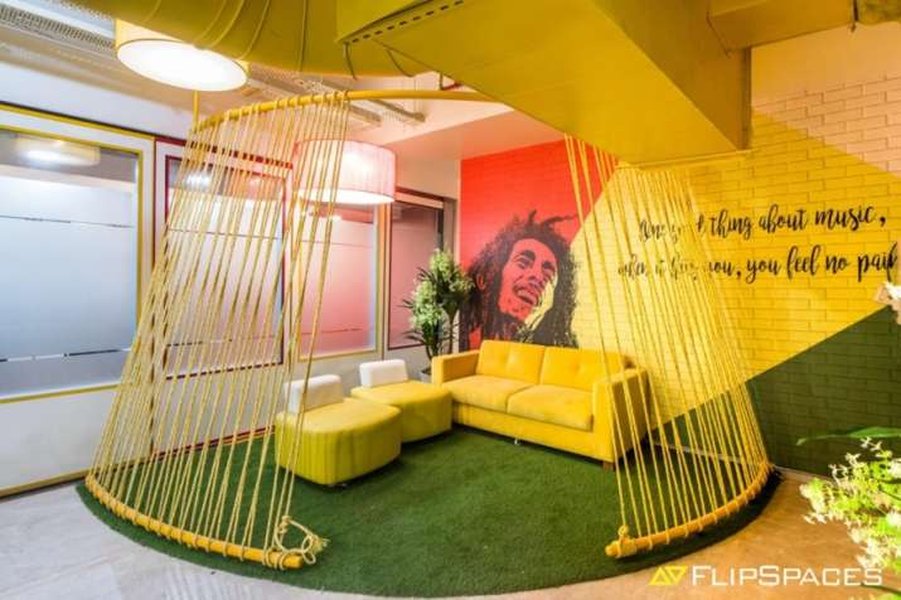
Design teams thrive in collaborative environments, working closely with other departments.
Driving Cross-Functional Synergy
Working Hand-in-Hand
Designers act as crucial bridges between different functions. They work closely with:
- Product Managers: To understand requirements, define scope, and align on strategy.
- Engineers: To ensure designs are technically feasible, provide clear specifications, and advocate for user needs during development sprints.
- Marketers: To align on messaging, create campaign assets, and coordinate launch timing.
- Support Teams: To understand post-launch user issues and inform future design iterations.
Optimizing Workflows with DesignOps
Streamlining the Design Process
Mature design organizations often incorporate Design Operations (DesignOps). This function focuses on optimizing design processes, tools, and workflows. DesignOps ensures smooth handoffs between design and development, manages design systems, standardizes practices, and facilitates effective communication, ultimately making the entire product development and launch process more efficient and scalable.
Visualizing Design's Contribution to Launch Success
To better understand the diverse impact areas of a design team during a product launch, the following mindmap outlines the key functions and contributions discussed.
(Needs, Pain Points)"] id1b["Business Goal Alignment"] id1c["Brand Identity
& Narrative"] id1d["Product Positioning"] id2["Development Acceleration
& Quality Assurance"] id2a["Rapid Prototyping"] id2b["Iterative Design"] id2c["Usability Testing"] id2d["Risk Mitigation"] id2e["Design Systems"] id3["Crafting Launch Experience"] id3a["Marketing Assets
(Landing Pages, Ads)"] id3b["Sales Enablement
(Decks, Demos)"] id3c["Visual Storytelling"] id3d["Event Support
(Booths, Swag)"] id3e["In-Product Communication"] id4["Collaboration & Integration"] id4a["Cross-Functional Synergy
(PM, Eng, Marketing)"] id4b["DesignOps & Workflow"] id4c["Feedback Integration"] id4d["Internal Alignment"] id5["Post-Launch Optimization"] id5a["Data Analysis (KPIs)"] id5b["User Feedback Analysis"] id5c["UI/UX Improvements"] id5d["Customer Journey
Enhancement"]
Comparing Design Contributions Across Launch Phases
The role and focus of the design team evolve throughout the product launch lifecycle. This table summarizes key activities during different phases:
| Launch Phase | Strategy & Research | Prototyping & Testing | Asset Creation | Collaboration | Optimization |
|---|---|---|---|---|---|
| Pre-Launch | Define user needs, target audience, product positioning, brand identity, align with business goals. | Create wireframes, mockups, interactive prototypes, conduct usability testing, iterate based on feedback. | Develop initial brand guidelines, UI kits, start creating key marketing/sales templates. | Intensive collaboration with PM & Eng on requirements and feasibility, initial talks with Marketing. | Refine core product usability based on test findings. |
| During Launch | Monitor initial user reactions, competitive landscape positioning. | Minor adjustments based on immediate feedback if feasible. | Finalize and distribute all launch assets (website, social, ads, emails, sales decks, event materials). | Close coordination with Marketing on campaign execution, Sales for enablement, Support for issue tracking. | Address critical bugs or usability issues discovered at launch. |
| Post-Launch | Analyze user behavior data (KPIs), gather qualitative feedback, identify areas for improvement. | Prototype solutions for identified issues or new feature requests. Conduct A/B testing. | Create assets for ongoing marketing campaigns, feature updates, and user engagement initiatives. | Continuous collaboration with PM, Eng, Marketing, and Support to plan roadmap and iterations. | Iterate on UI/UX based on data and feedback, optimize onboarding, improve customer journey. |
Relative Impact of Design Functions on Launch Success
While all design activities contribute to a successful launch, their relative impact can vary depending on the product and market context. This radar chart provides an opinionated perspective on the typical impact levels of different design functions on key launch outcomes like speed, user adoption, and brand perception. Note that these are relative assessments and can shift based on specific project needs.
This chart illustrates, for instance, how Prototyping heavily influences speed, UI/UX Design is critical for User Adoption, and Brand Identity strongly shapes Brand Perception, while Cross-functional Collaboration impacts multiple areas significantly.
The Design Process in Action
Understanding the end-to-end product design process provides context for how these various contributions fit together. This video offers a walkthrough of the typical journey from concept to launch, highlighting the iterative nature of design and the importance of collaboration.
Video explaining the product design process from concept through to launch.
As shown, the process involves phases like research, ideation, prototyping, testing, and implementation, with the design team playing a central role throughout, collaborating closely with other teams to bring the product vision to life and prepare it for a successful market introduction.
Post-Launch Optimization and Evolution
The design team's work doesn't end once the product is launched. They play a vital role in the ongoing success and evolution of the product by analyzing data, gathering feedback, and iterating on the design.
Leveraging Data for Improvements
Making Informed Design Decisions
Post-launch, design teams collaborate with product managers and analysts to monitor key performance indicators (KPIs) such as user engagement, conversion rates, feature adoption, and drop-off points. They analyze user behavior data and qualitative feedback (from surveys, reviews, support tickets) to identify friction points and areas for improvement in the user interface (UI) and user experience (UX).
Enhancing the Customer Journey
Improving Retention and Satisfaction
Based on data and feedback, design teams propose and implement design updates to enhance the overall customer journey. This might involve refining onboarding flows to improve initial user success, simplifying complex workflows, redesigning underperforming features, or introducing new functionalities that address evolving user needs. This continuous iteration helps improve user satisfaction, retention, and the long-term viability of the product.
Frequently Asked Questions (FAQ)
When should the design team get involved in the product launch process?
Ideally, the design team should be involved from the very beginning – the initial concept and strategy phase. Early involvement ensures that user needs and usability considerations are baked into the product foundation, aligns design with business goals from the start, and helps prevent costly changes later in the development cycle. Their strategic input is valuable long before pixel-level design begins.
How is the success of design contributions to a launch measured?
Success can be measured through various quantitative and qualitative metrics, depending on the goals. Key indicators include:
- User Adoption Rate: How quickly users start using the product.
- Task Success Rate & Usability Scores: Measured through usability testing.
- User Satisfaction Scores: Such as CSAT or NPS surveys.
- Conversion Rates: For key actions like sign-ups or purchases (often tracked via landing pages designed by the team).
- Feature Engagement Metrics: How much key features are used post-launch.
- Brand Perception Shifts: Measured through surveys or social listening.
- Development Efficiency: Impact of design systems on time-to-market for subsequent features.
What are common challenges design teams face during product launches?
Common challenges include:
- Tight Deadlines: Balancing quality with the pressure to launch quickly.
- Late Involvement: Being brought in too late to have a strategic impact.
- Changing Requirements: Scope creep impacting design consistency and timelines.
- Cross-Functional Misalignment: Lack of clear communication or shared goals between design, product, engineering, and marketing.
- Resource Constraints: Insufficient time or personnel to cover all design needs (prototyping, testing, asset creation).
- Incorporating Feedback: Effectively synthesizing and acting on diverse feedback from stakeholders and users.
Does the design team's role differ for software vs. physical products?
Yes, while the core principles of user-centered design, prototyping, and branding apply to both, the specific activities and considerations differ.
- Software/Digital Products: Focus is heavily on UI/UX design, interaction design, information architecture, usability testing with digital prototypes, design systems, and post-launch iteration based on analytics. The launch involves digital marketing assets, app store visuals, etc.
- Physical Products: Involves industrial design, ergonomics, materials science, CMF (Color, Material, Finish), physical prototyping (3D printing, models), packaging design, and manufacturing considerations. Launch assets include product photography, retail displays, and physical packaging.
Recommended Further Exploration
- How can I effectively integrate design thinking into the early stages of my product strategy?
- What specific metrics should I track to measure the impact of design on user adoption post-launch?
- Can you show examples of successful product launch campaigns that were heavily driven by strong visual design?
- What are the best practices for ensuring smooth collaboration between design, engineering, and marketing teams during a product launch?
References
Last updated May 6, 2025