
Exploring Diabetes Technology: A Comprehensive Guide
Navigating the Latest Innovations in Diabetes Management for Better Health
Diabetes technology is rapidly evolving, offering a wide array of devices and tools to help individuals manage their condition more effectively. These technologies range from devices that monitor blood glucose levels to those that aid in insulin delivery, all designed to simplify diabetes management and improve overall health outcomes. This guide explores the various types of diabetes technology available, their functions, and their benefits.
Key Highlights in Diabetes Technology
- Continuous Glucose Monitoring (CGM): Provides real-time updates on blood glucose levels, helping users make informed decisions about diet, exercise, and medication.
- Insulin Pumps: Delivers precise doses of insulin, mimicking the body's natural insulin release and reducing the need for frequent injections.
- Smart Insulin Pens: Calculates and tracks insulin doses, providing helpful reminders and alerts to ensure consistent management.
Monitoring Blood Sugar Levels: The Latest in Glucose Monitoring
Effective diabetes management relies heavily on consistent and accurate monitoring of blood glucose levels. Several types of devices are available to help individuals achieve this, each with its own set of features and benefits.
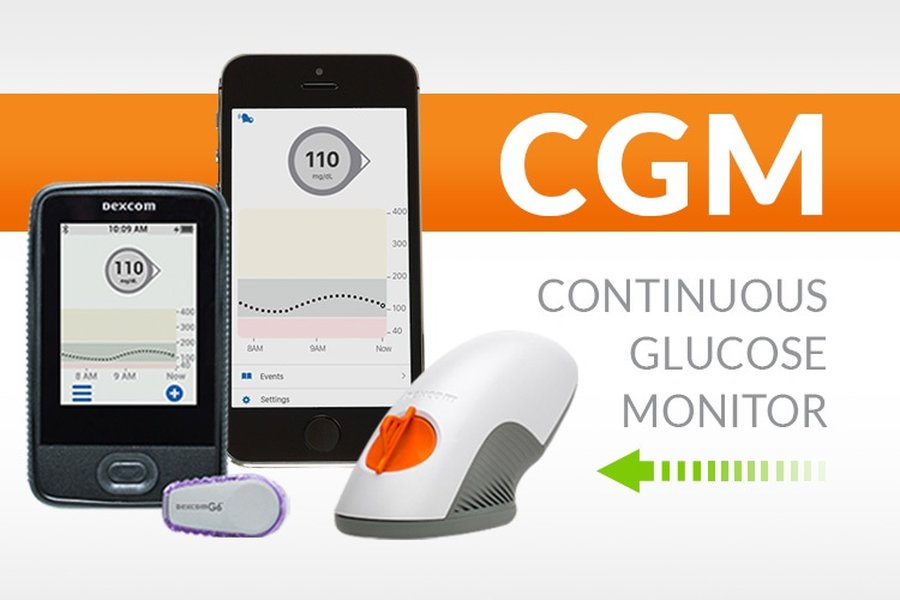 CGMs provide continuous monitoring of glucose levels, alerting users to potential highs and lows.
Blood Glucose Monitors: The Traditional Approach
Blood glucose monitors, also known as blood glucose meters (BGMs), are the most traditional method for checking blood sugar levels. These devices require a finger prick to obtain a small blood sample, which is then placed on a test strip that is inserted into the meter. The meter provides a reading of the blood glucose level at that specific moment.
How They Work:
A lancet is used to prick the finger, and the blood is applied to a test strip. The blood glucose monitor then analyzes the sample and displays the glucose level. Data from these monitors can often be stored and shared with healthcare teams for better management.
Benefits of Blood Glucose Monitors:
- Allow for self-checking as frequently as needed or recommended by a healthcare provider.
- Help understand how diet, exercise, and medication affect blood glucose levels (BGLs).
- Provide information to determine the best diabetes management strategy.
Flash Glucose Monitoring: Pain-Free Testing
Flash glucose monitoring (FGM) systems use sensor technology to measure glucose levels without the need for routine finger pricks. This method offers a less invasive way to monitor glucose trends.
How They Work:
A small sensor is placed on the back of the upper arm and worn just under the skin. To get a glucose reading, a reader is held over the sensor. The sensor typically lasts for 14 days.
Benefits of Flash Glucose Monitoring:
- Provides glucose readings without the need for frequent finger pricks.
- Each scan provides the last eight hours of glucose data and a trend arrow, indicating the direction of glucose level changes.
- Data can be downloaded for a deeper understanding of blood glucose patterns.
Continuous Glucose Monitoring: Real-Time Insights
Continuous Glucose Monitoring (CGM) systems offer real-time, continuous measurement of glucose levels, providing valuable insights into patterns and trends throughout the day and night. CGMs have become increasingly popular due to their ability to provide comprehensive glucose data and alert users to potential হাইপোগ্লাইসেমিয়া or হাইপারগ্লাইসেমিয়া.
How They Work:
A small sensor is inserted under the skin to measure glucose levels in the body’s interstitial fluids. These sensors typically last for 7-10 days, depending on the brand. The device continuously monitors glucose levels and transmits the data to a receiver or smartphone.
Benefits of Continuous Glucose Monitoring:
- Provides continuous measurement of glucose levels, offering a comprehensive view of glucose trends.
- Can sound an alarm if glucose levels change rapidly, alerting the user to potential হাইপোগ্লাইসেমিয়া or হাইপারগ্লাইসেমিয়া.
- Helps users make informed decisions about insulin dosage, diet, and physical activity.
Insulin Delivery Systems: Enhancing Precision and Convenience
In addition to monitoring blood glucose levels, effective diabetes management often requires the use of insulin delivery systems. These systems have evolved significantly over the years, offering more precise and convenient ways to administer insulin.
 Insulin pumps provide a continuous and precise supply of insulin, mimicking the body's natural release.
Insulin Pumps: Automated Insulin Delivery
An insulin pump is a small, battery-operated device that holds a reservoir of insulin. It is programmed to deliver insulin through a thin plastic tube known as an infusion set, which is inserted just below the skin. Insulin pumps are designed to mimic the body’s natural release of insulin, providing a steady rate of insulin between meals and bolus doses at mealtimes.
How They Work:
The pump delivers insulin through an infusion set with a fine needle or flexible cannula that remains in place for two to three days. Users enter the amount of carbohydrates they plan to eat, and the pump calculates and delivers the appropriate dose of insulin.
Benefits of Insulin Pumps:
- Reduces the frequency of severe হাইপোগ্লাইসেমিয়া.
- Improves quality of life by providing more flexibility with meals and activities.
- Increases time spent in the target blood glucose range.
Smart Insulin Pens: Connected and Convenient
Smart insulin pens are reusable injector pens that connect to a smartphone app to help people with diabetes better manage insulin delivery. These pens calculate and track doses, provide helpful reminders and alerts, and generate reports for healthcare providers.
How They Work:
The smart pen connects to a smartphone app via Bluetooth. The app tracks insulin doses, sends reminders, and provides reports that can be shared with healthcare providers.
Benefits of Smart Insulin Pens:
- Calculates and tracks insulin doses accurately.
- Provides reminders and alerts to ensure timely insulin delivery.
- Generates reports for better diabetes management and communication with healthcare providers.
Emerging Technologies and Future Trends
The field of diabetes technology is continuously advancing, with new innovations and improvements emerging regularly. Several exciting developments are on the horizon that promise to further transform diabetes management.
Artificial Pancreas Systems
Artificial pancreas systems, also known as automated insulin delivery (AID) systems, use sophisticated algorithms to automatically adjust insulin delivery based on real-time glucose monitoring data. These systems aim to fully automate insulin delivery, reducing the burden on individuals with diabetes.
How They Work:
The system consists of a CGM, an insulin pump, and a control algorithm that communicates between the two devices. The CGM provides continuous glucose readings, which the algorithm uses to calculate and automatically adjust the insulin dose delivered by the pump.
Benefits of Artificial Pancreas Systems:
- Automates insulin delivery, reducing the need for manual adjustments.
- Improves glucose control and reduces the risk of হাইপোগ্লাইসেমিয়া and হাইপারগ্লাইসেমিয়া.
- Provides greater peace of mind and reduces the burden of diabetes management.
Continuous Ketone Monitoring
Continuous ketone monitoring is an emerging technology that measures ketone levels in real-time, providing early detection of diabetic ketoacidosis (DKA). This technology is particularly beneficial for individuals with type 1 diabetes, who are at higher risk of developing DKA.
How They Work:
A sensor is inserted under the skin to continuously measure ketone levels. The data is transmitted to a receiver or smartphone, providing real-time monitoring and alerts if ketone levels are too high.
Benefits of Continuous Ketone Monitoring:
- Provides early detection of DKA, allowing for timely intervention and prevention of serious complications.
- Offers continuous monitoring of ketone levels, reducing the need for manual testing.
- Provides valuable data for managing diabetes and preventing DKA.
Non-Invasive Glucose Monitoring
Researchers are also exploring non-invasive methods for monitoring blood glucose levels, which would eliminate the need for finger pricks or sensor insertions. These technologies use various methods, such as的光學 sensing, to measure glucose levels through the skin.
Potential Benefits:
- Eliminates the need for finger pricks or sensor insertions, making glucose monitoring more convenient and less painful.
- Provides continuous, real-time glucose data without the need for invasive procedures.
- Improves adherence to glucose monitoring and overall diabetes management.
Comparing CGM Systems
Several CGM systems are available, each with unique features. The following table compares some of the most popular options:
| Feature | Dexcom G6/G7 | FreeStyle Libre 2/3 | Medtronic Guardian Connect |
|---|---|---|---|
| Sensor Duration | 10 days | 14 days | 7 days |
| Calibration | Not required | Optional | Required |
| Real-Time Alerts | Yes | Yes | Yes |
| Data Sharing | Yes | Yes | Yes |
| Integration with Insulin Pumps | Yes | No | Yes |
The Role of Telehealth in Diabetes Management
Telehealth technologies are increasingly being used to support diabetes care, providing remote monitoring, education, and consultation services. These technologies include smart devices, such as glucose meters, continuous glucose monitoring devices (CGMs), insulin pumps, and smartphones.
Benefits of Telehealth in Diabetes Management:
-
Improved access to care, particularly for individuals in rural or underserved areas.
-
Increased convenience and reduced travel time for appointments.
-
Enhanced monitoring and support, leading to better glucose control and overall health outcomes.
The First Over-the-Counter CGM: Dexcom Stelo
In 2025, the FDA cleared the first over-the-counter (OTC) continuous glucose monitor (CGM), the Dexcom Stelo Glucose Biosensor System. This iCGM is intended for anyone 18 years and older who does not use insulin. The Stelo system helps detect normal (euglycemic) and low or high (dysglycemic) glucose levels. This advancement marks a significant step in making glucose monitoring more accessible to a wider population.
Frequently Asked Questions (FAQ)
What is a continuous glucose monitor (CGM)?
A CGM is a wearable device that tracks your glucose (sugar) levels in real time. It consists of a sensor inserted under the skin, usually on the arm or abdomen, and a transmitter that sends data to a receiver or smartphone.
How does a CGM help in managing diabetes?
CGMs provide real-time glucose readings, trend arrows indicating the direction of glucose changes, and alerts for high and low glucose levels. This information helps users make informed decisions about diet, exercise, and medication, leading to better glucose control and reduced risk of complications.
What are the benefits of using an insulin pump?
Insulin pumps provide a continuous and precise supply of insulin, mimicking the body's natural release. They reduce the frequency of severe হাইপোগ্লাইসেমিয়া, improve quality of life by providing more flexibility with meals and activities, and increase time spent in the target blood glucose range.
Are there any new advancements in diabetes technology for 2025?
Yes, several new advancements are expected in 2025, including continuous ketone monitoring, AI-powered insulin delivery systems, and the expansion of automated insulin delivery (AID) systems to younger children and adults with type 2 diabetes.
What is the Dexcom Stelo Glucose Biosensor System?
The Dexcom Stelo Glucose Biosensor System is the first over-the-counter continuous glucose monitor (CGM) cleared by the FDA. It is intended for people 18 years and older who do not use insulin and helps detect normal and dysglycemic glucose levels.
References
Last updated April 17, 2025