
Expanding Digital Learning Tools in Classrooms
Exploring the transformative impact of technology in education
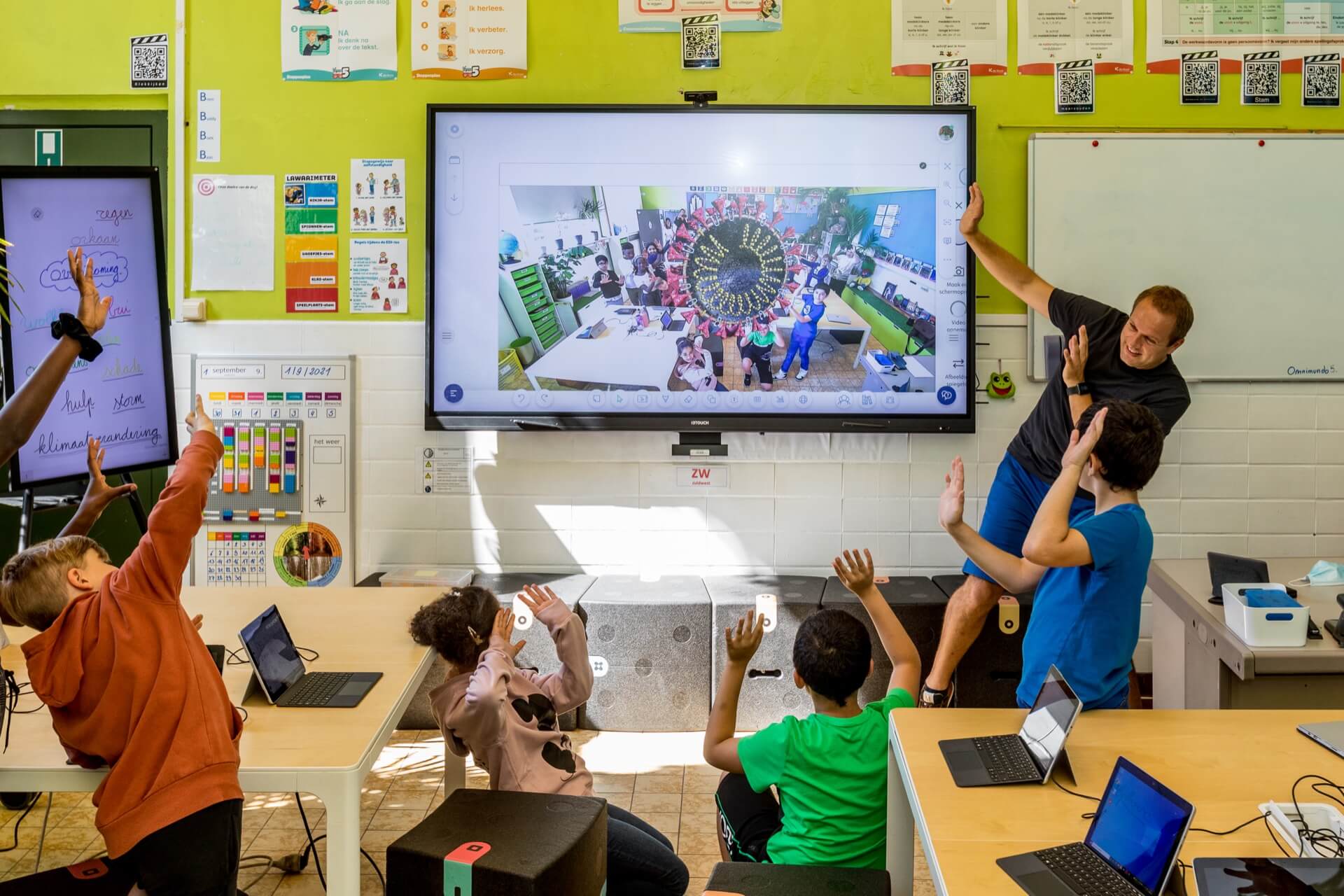
The study by Harris and Al-Bataineh (2015) offers compelling evidence that digital learning tools enhance the educational experience in multifaceted ways. In technology-enhanced classrooms, the integration of tablets, interactive whiteboards, and specialized educational software paves the way for a highly interactive, engaging, and adaptive learning environment. Here, we expand on the research findings, delving into the core benefits and practical applications, while also outlining strategies for effective implementation.
Key Highlights of Digital Learning Innovations
- Enhanced Comprehension – Technology facilitates active engagement, making it easier for students to grasp complex subjects.
- Increased Motivation – Interactive tools spark enthusiasm and participate learning, fostering a vibrant classroom atmosphere.
- Improved Retention – Digital tools provide immediate feedback and allow personalized pacing, leading to better long-term retention.
The Transformative Impact of Digital Learning Tools
Theoretical Foundations and Research Insights
According to Harris and Al-Bataineh (2015), integrating digital learning tools within educational settings helps create an interactive classroom environment where students are no longer passive recipients but active participants in the learning process. This interactive format is pivotal in addressing diverse learning styles and abilities. Digital tools, by providing immediate feedback and facilitating diverse modes of engagement (visual, auditory, and kinesthetic), allow educators to create lessons that adapt to individual students' needs. Such an approach contrasts sharply with conventional teaching methods, where a one-size-fits-all model often leads to disparities in student achievement.
Enhancing Comprehension of Complex Subjects
Interactive Presentations and Multimedia Integration
One of the primary ways digital tools enhance comprehension is through the integration of multimedia resources. Interactive whiteboards and tablets enable educators to combine text, graphics, video, and animations in a single lesson. This fusion of various media forms helps break down complex theories and abstract concepts, presenting them in a digestible visual format. For example, scientific processes or mathematical models that are difficult to explain with static images can be animated, allowing for a dynamic exploration of the subject matter.
Moreover, an interactive classroom enables real-time demonstrations and simulations that can significantly aid understanding. Consider a physics lesson where students can see a simulation of gravitational forces in action. This immediate visual feedback helps them internalize the concept much more effectively than through theoretical explanation alone.
Personalized Learning Paths
Digital learning platforms often come equipped with adaptive learning technologies. These systems analyze student performance in real-time and suggest personalized pathways for further study. By tailoring content to meet the specific needs of each learner, these platforms help ensure that no student is left behind. For instance, students who struggle with certain concepts can receive additional practice problems and explanatory content, while more advanced students can be challenged with higher-level material. This level of personalization is key to deepening comprehension and ensuring that every student can progress at a pace that suits their learning style.
Stimulating Motivation and Engagement
Interactive Learning Environments
Motivation is a fundamental driver of academic success, and digital tools are uniquely positioned to boost it significantly. When students interact with a tablet or an interactive whiteboard, the novelty of the technology tends to spark curiosity and enthusiasm. This interactive setup encourages active participation, which is substantially more engaging than traditional lecture-based learning. Digital quizzes, gamified learning platforms, and interactive simulations transform the classroom into an active learning hub.
Moreover, project-based learning supported by digital tools fosters collaboration among peers, enabling students to learn from one another. Platforms like Google Classroom or Microsoft Teams facilitate discussions, group projects, and instant feedback, cultivating a sense of community and shared purpose within the classroom. This collective learning experience not only enhances motivation but also builds a supportive academic network that nurtures both confidence and creativity.
Real-Time Assessment and Feedback
Traditional assessment methods often provide delayed feedback, limiting a student’s ability to understand and correct mistakes promptly. In contrast, digital assessment tools offer instantaneous feedback. This immediacy allows students to identify and address gaps in their understanding almost immediately. Whether through interactive quizzes or real-time polling during lectures, the technology enables a continuous feedback loop. Such a system not only reinforces material covered in the lesson but also motivates students by showing incremental progress.
Strengthening Retention Through Engaging Methods
Gamification and Interactive Content
The adoption of gamification strategies in education is another effective method for boosting content retention. Incorporating elements of game design, such as points, badges, and leaderboards, into educational apps can transform learning into an enjoyable challenge. Gamified applications make studying competitive and fun, which encourages repetition—a key factor in retention. The reinforcement of concepts through such interactive and engaging methods helps to encode information into long-term memory.
Additionally, digital platforms often allow for repeated exposure to essential material. Tools like flashcards, interactive timelines, and self-paced modules let students revisit content at their own pace until they achieve mastery. This flexibility not only builds confidence but also ensures that students are well-prepared for examinations and practical applications in real-world scenarios.
Adaptive Learning Technologies
Adaptive learning systems continuously track a student's interaction with digital content and modify the material based on their performance. This method enhances retention by reinforcing concepts that require additional practice and minimizing repetition of material that the student has already mastered. The system, therefore, maximizes the retention of challenging topics by providing targeted support exactly when it is needed.
Practical Applications and Implementation Strategies
Real-World Classroom Integration
Incorporating digital learning tools into the classroom is not just about adopting new software or hardware; it requires a holistic reevaluation of traditional teaching approaches. Effective integration starts with understanding the needs of both educators and students.
Assessment of Needs and Resources
The first step in integrating technology into the classroom involves assessing the available resources and determining particular classroom needs. Educators must identify which digital tools best align with their learning objectives. For example, if a classroom struggles with engaging students in a traditionally lecture-heavy curriculum, interactive whiteboards or tablets might be the ideal solution to foster participation and active inquiry.
In parallel, it is crucial to evaluate the technological infrastructure available. Schools must ensure access to high-speed internet, sufficient bandwidth, and consistent technical support. Without these essential components, the implementation of advanced digital tools can result in technical difficulties that disrupt learning and reduce enthusiasm.
Training and Professional Development
Technology is only as effective as those who use it. Hence, adequate training and ongoing professional development for educators are critical. Workshops, seminars, and hands-on sessions can equip teachers with the requisite know-how to harness digital tools effectively. This training should cover both technical proficiency and pedagogical strategies that leverage technology to enhance learning outcomes.
As educators become more comfortable with digital tools, they are more likely to integrate them seamlessly into daily lesson plans, crafting interactive and engaging learning experiences that resonate with students.
Phased Implementation and Continuous Feedback
Rather than an abrupt overhaul of traditional teaching methods, a phased implementation strategy can ease the transition into a technology-enhanced classroom. Beginning with a pilot program helps educators gauge the effectiveness of digital tools and adjust strategies based on real-time classroom feedback. Small-scale implementations allow for troubleshooting and collection of data to support further scaling of technology integrations.
Continuous assessment is vital in this ongoing process. Feedback from both students and teachers should guide the expansion of digital learning initiatives. When students interact with new tools, their experiences and progress can serve as indicators of the effectiveness of these technologies. This data-driven approach ensures that the integration of digital tools remains adaptive and responsive to evolving educational needs.
Case Studies and Exemplary Models
Several case studies have demonstrated that schools and universities employing technology-enhanced learning environments frequently report superior academic outcomes. For instance, institutions that have incorporated smartphones, tablets, and interactive hubs report increased classroom participation and significantly higher test scores. Such successes underscore the critical role of technology not only in enhancing academic performance but also in inspiring lifelong learning.
Comparative Performance Metrics
Data collected from various research initiatives consistently indicate that students in technology-rich classrooms outperform their peers in traditional settings. The comparative table below summarizes key performance metrics observed in such studies:
| Metric | Traditional Classroom | Technology-Enhanced Classroom |
|---|---|---|
| Student Engagement | Moderate | High |
| Comprehension Levels | Average | Enhanced |
| Retention of Material | Variable | Consistent |
| Examination Scores | Baseline | Improved |
| Collaboration Skills | Limited | Fostered |
Challenges and Considerations
While the integration of digital learning tools affords numerous benefits, it is not without its challenges. Educators and policymakers must address several issues to ensure successful implementation.
Digital Divide and Accessibility
One critical challenge is the digital divide. Not all students have equal access to technological devices or high-speed internet outside the classroom. Ensuring that digital tools benefit every student requires addressing these disparities. Strategies include providing devices on loan, increasing community Wi-Fi initiatives, and designing lessons that can be accessed offline.
Cybersecurity and Data Privacy
As education becomes increasingly digitized, cybersecurity and data privacy concerns rise. Schools must implement stringent security protocols to safeguard student information and intellectual property. Training for both teachers and students on best practices in digital security is crucial for maintaining a safe learning environment.
Budget Constraints and Resource Allocation
Implementing digital tools requires substantial investment—both in acquiring the technology and in maintaining the necessary infrastructure. Administrators must carefully plan budgets and secure funding, possibly exploring public-private partnerships or government grants to support technology initiatives. Transparent resource allocation and ongoing maintenance schedules are critical to sustaining a technologically advanced classroom environment.
Interdisciplinary Benefits and Future Directions
Preparing Students for Tomorrow
The adoption of digital learning tools extends far beyond the traditional classroom and helps prepare students for the challenges of the 21st century workforce. Digital literacy has become an essential skill across virtually all industries. Familiarity with digital platforms, collaboration tools, and data analytics not only improves academic performance but also enhances employability.
As technology rapidly evolves, the future of digital learning holds new promises. Virtual reality (VR) and augmented reality (AR) in education are beginning to bridge the gap between theoretical knowledge and practical application. For instance, VR can transport students to historical sites or simulated laboratories, thereby expanding their understanding of global contexts and scientific practices without leaving the classroom.
Cross-Disciplinary Learning and Collaboration
Innovative Project-Based Learning
Digital platforms facilitate project-based learning that spans multiple disciplines. For example, when students use digital tools to create multimedia projects, they integrate skills from history, arts, science, and technology. Such interdisciplinary experiences equip students to tackle complex real-world problems by applying a comprehensive skill set.
Global Collaboration and Connectivity
Digital learning tools also open the door to global classrooms. Through collaborative platforms and virtual meeting applications, students can connect with peers and experts from different parts of the world. This connectivity fosters cross-cultural understanding and helps students gain insights into a globally interdependent world. It also facilitates joint projects and research initiatives that reflect a more interconnected perspective of education.
References
- One to One Technology and its Effect on Student Academic Achievement and Motivation - ResearchGate
- Top 5 Benefits of Technology in the Classroom - Walden University
- Benefits of Technology in the Classroom - TeachHUB
- Digital Tools for the Classroom - Kaixr
- Digital Learning Strategies - IntechOpen
Recommended Related Queries
Last updated March 16, 2025