
Technology Effects on Education
Exploring Transformative Educational Dynamics in the Digital Age
Highlights
- Enhanced Engagement and Personalization: Interactive tools and adaptive learning platforms create tailored learning experiences.
- Access to Global Information: Digital resources and internet connectivity provide endless learning opportunities.
- Challenges in Integration: Issues such as the digital divide, reduced critical thinking, and privacy concerns require careful management.
Introduction
The integration of technology in education has transformed traditional classrooms worldwide. Today's digital learning environments are not only more interactive and engaging but have also redefined the manner in which students access information, collaborate with peers, and interact with instructors. With the onset of advanced digital tools such as artificial intelligence, virtual reality, and adaptive learning platforms, technology has become an essential facilitator of educational excellence. This transformation, however, is a multifaceted one where benefits such as personalized learning coexist with challenges like managing equitable access and maintaining critical thinking skills.
Positive Effects of Technology on Education
Enhanced Engagement and Personalized Learning
One of the most significant benefits of technological integration in education is enhanced engagement. Interactive multimedia presentations, simulations, and educational apps make learning both fun and accessible. The use of virtual whiteboards, interactive websites, and educational software enrich the learning environment. Digital tools provide teachers with the ability to create customized lesson plans that cater to diverse learning styles and needs.
Adaptive learning platforms use algorithms to analyze student performance and adjust instructional content appropriately. This capability allows educators to determine each student's pace, ensuring that learners remain neither overwhelmed by information nor unchallenged by the material. Such personalized interactions not only improve academic outcomes but also foster a love for lifelong learning.
Access to Information and Global Connectivity
The digital age has ushered in an era of unprecedented access to information. The internet is a repository of articles, e-books, online courses, and multimedia resources that allows students to explore a vast array of subjects beyond the constraints of conventional classroom settings. Students, regardless of their geographic location or socioeconomic status, can tap into diverse educational resources anytime and anywhere.
Moreover, digital platforms facilitate global connectivity, enabling students from different countries or regions to engage in collaborative projects, virtual discussions, and cross-cultural exchanges. This not only fosters a more robust educational ecosystem but also provides students with exposure to global perspectives, enhancing their critical thinking and empathy.
Innovative Assessment and Real-Time Feedback
Technology has also revolutionized student assessment methodologies. Traditional standardized testing is now complemented by innovative assessment strategies such as online quizzes, digital portfolios, and interactive assignments. These techniques provide real-time feedback, enabling both students and instructors to identify strengths and weaknesses more swiftly.
Besides streamlining the assessment process, these digital tools also liberate teachers from time-consuming manual grading and administrative tasks. As a result, educators can invest more effort in interactive teaching while ensuring that the feedback is both timely and relevant.
Administrative Efficiency and Skill Development
Beyond classroom instruction, technology streamlines administrative tasks such as scheduling, record-keeping, and grading through automated platforms. This improved efficiency allows educators to focus on their primary role—guiding and inspiring students.
A key aspect of integrating technology in education is preparing learners for a future that is deeply intertwined with digital advancements. Beyond traditional academics, technology-enhanced education equips students with essential digital literacy skills and fosters analytical and problem-solving abilities. The skills developed through these interactions are crucial not only for academic success but also for professional growth in a rapidly evolving digital economy.
Challenges and Concerns
Digital Divide and Equitable Access
One of the most pressing challenges associated with the integration of technology in education is the digital divide. Despite the widespread adoption of digital tools, disparities in access to reliable internet connections and electronic devices persist. These gaps are especially prevalent in under-resourced communities and rural areas.
The digital divide not only hampers the academic progress of students who are unable to access technological resources but can also exacerbate socio-economic inequalities. It is imperative for policymakers, educators, and community leaders to work collectively to ensure that technology benefits are accessible to all students irrespective of their backgrounds.
Over-Reliance and Reduced Critical Thinking
While technology provides an abundance of information at the stroke of a key, this ease of access carries with it a potential downside: a reduction in critical thinking skills. If students rely too heavily on digital sources for immediate answers, they may not develop the analytical abilities required to evaluate and synthesize information independently.
The challenge for educators lies in striking a balance between harnessing technology for its benefits and encouraging students to engage deeply with the content. Instructors must design curricula that facilitate independent analysis, encourage debate, and promote research, thereby ensuring that technology acts as a tool for enhancement rather than a substitute for rigorous intellectual effort.
Information Overload and Distraction
The sheer volume of available digital information can be overwhelming. Many students are confronted with an endless stream of data and multimedia content, which can lead to distraction and difficulty in focusing on core learning objectives. This phenomenon, often referred to as information overload, necessitates careful guidance by educators to help students filter and prioritize relevant information.
Additionally, digital devices in the classroom, though powerful educational tools, can also serve as significant distractions if not managed properly. The constant notifications, social media, and entertainment options available on these devices require effective strategies to maintain student attention during instructional sessions.
Privacy and Data Security Concerns
Another critical issue in the realm of educational technology is privacy and data security. With student information stored in digital formats and transmitted over the internet, there is an inherent risk of data breaches and privacy violations. Digital platforms must enforce robust security measures to safeguard personal information and prevent unauthorized access.
Educators and institutions must also be transparent about data usage policies and provide support to students and parents alike in understanding these parameters. Awareness programs and strict adherence to data protection regulations can mitigate these risks significantly.
Visual Representations and Illustrations
Illustrative Images in Educational Technology
Visual representations play a crucial role in understanding the complex effects of technology on education. Below are descriptions of five key images that capture the transformative impact of digital tools in modern educational environments.
| Image Description | Illustrative Details |
|---|---|
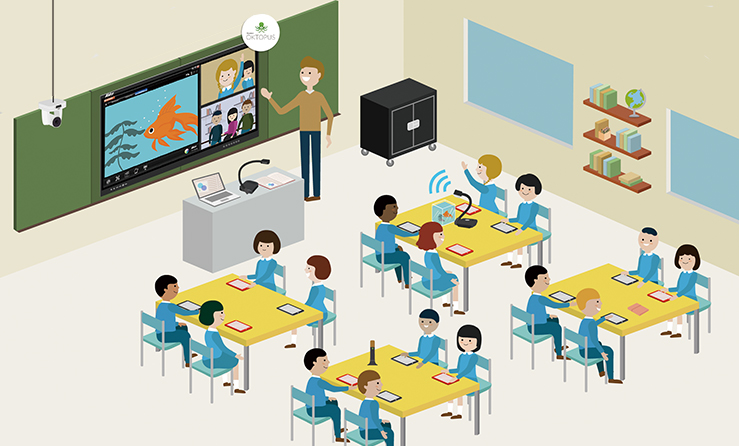
| Students Using Tablets or Laptops in a Classroom | This image captures a dynamic classroom environment where students engage with digital devices, underscoring how technology enhances interactive learning. |
| Graph Demonstrating Growth in the Educational Technology Market | A graphical representation showing trends and growth in edtech investments over recent years, highlighting the increasing importance of technology in education. |
| Student Immersed in Virtual Reality (VR) Experience | An image illustrating the use of VR headsets in education, showcasing innovative approaches to interactive and immersive learning experiences. |
| Interactive Whiteboard Session | Depicts a teacher using an interactive whiteboard to deliver lessons, emphasizing the role of technology in creating engaging and collaborative learning spaces. |
| Teacher Conducting an Online Class Session | Represents the use of video conferencing and online platforms to facilitate real-time communication between teachers and students, enhancing remote learning opportunities. |
Each of these images resonates with the core themes of enhanced engagement, new opportunities for collaboration, the efficient use of digital tools, and the evolving nature of classroom dynamics in the digital era.
Frequently Asked Questions (FAQs) by Sana and Saima
Key Questions on Educational Technology Integration
Q1: What are the primary benefits of using technology in education?
A1: The primary benefits include enhanced student engagement, personalized learning experiences, increased access to global information, and improved collaboration. Technology allows for tailored instructional methods that cater to the unique needs of students while also preparing them for a future in a digitally driven world.
Q2: How does technology improve collaboration and communication in educational settings?
A2: Digital tools such as video conferencing, online discussion forums, and collaborative software enable seamless communication between students and educators. These platforms allow for group projects, interactive feedback, and real-time collaboration among geographically dispersed learners, thus enriching the overall educational experience.
Q3: What challenges do educators face when integrating technology into the classroom?
A3: Educators face several challenges including the digital divide, ensuring equitable access to technological resources, managing device-induced distractions, and maintaining students' critical thinking abilities. Furthermore, issues related to data privacy and continuous teacher training to keep pace with technological advancements add layers of complexity to effective integration.
Q4: How can schools overcome the digital divide and ensure equitable learning opportunities?
A4: Schools can bridge the digital divide by investing in affordable technology solutions, providing subsidized devices and reliable internet access to underprivileged communities, and partnering with governmental agencies and private organizations. Additionally, the implementation of community outreach programs and teacher training initiatives plays a vital role in ensuring that digital literacy and skills development are accessible to all students.
Q5: What full link names provide further insights into the impact of technology on education?
A5: Below are key resources that offer comprehensive insights into the role of technology in education. These links are frequently referenced by experts Sana and Saima in their analyses:
- The Impact of Technology on Education - eSchool News
- How Does Technology Affect Education? - HMH
- The Impact of Technology in Education - Westminster School
- How Does Technology Impact Student Learning? - BAU
- Impacts of Digital Technologies on Education - PMC
Additional Examination of Effects and Strategies
In-Depth Analysis of Educational Trends
The current landscape of education is marked by both rapid technological advancements and a reexamination of teaching strategies. As schools increasingly incorporate digital tools, educational institutions must evolve traditional teaching methods to harness the beneficial aspects of technology while mitigating its potential drawbacks.
Educational institutions are now finding that a balanced approach is essential to deliver quality education in today’s fast-paced environment. This balance is achieved by combining conventional teaching practices with modern digital methodologies. Institutions are leveraging real-time data analytics to refine curriculum design, ensuring that student progress is continuously monitored and feedback is provided promptly.
Key Strategies for Effective Technology Integration
Professional Development and Teacher Training
One of the most critical factors for successful technology integration in education is continuous professional development for teachers. As new digital tools emerge, educators must receive training not only on the technical aspects but also on how to integrate these tools effectively into their curriculum. Institutions must invest in regular workshops, online modules, and mentorship programs to ensure educators are well-equipped to use technology as a teaching aid.
Bridging the Digital Divide
To bridge the gap between students who have access to high-end technological resources and those who do not, schools and governments can collaborate on initiatives such as subsidized technology programs and community technology centers. These efforts help level the playing field, ensuring that all students are given an equal opportunity to succeed academically.
Innovative Pedagogical Approaches
Modern education increasingly leverages innovative pedagogical approaches that combine technology with traditional learning. Project-based learning, flipped classrooms, and blended learning environments are just a few examples that promote active student participation. These methodologies encourage students to apply their knowledge in practical settings, thereby bridging the gap between theoretical instruction and real-world application.
Educators are also experimenting with gamification and simulation-based learning, which use game design elements and digital simulations to create engaging and immersive educational experiences. Such approaches not only reinforce subject material but also foster problem-solving and critical thinking skills.
Future of Educational Technology
The future of education is likely to be shaped by emerging technologies that further personalize and enhance learning experiences. Artificial Intelligence (AI) powered tutoring systems, augmented reality (AR), and virtual reality (VR) are set to revolutionize classroom dynamics even further. These technological advances will enable interactive, immersive learning environments where theoretical knowledge is augmented by practical, hands-on experiences.
Additionally, an increasing focus on data-driven instruction means that analytics will play a major role in informing teaching strategies and curricular adjustments. Schools will be able to use performance data to identify areas where students struggle and implement timely interventions. As technology continues to evolve, educators are anticipated to become even more adept at leveraging these tools to maximize academic outcomes.
Conclusion
In conclusion, technology has irrevocably reshaped the landscape of education, offering a multitude of advantages from enhanced engagement and personalized learning to improved administrative efficiency and global access to vast information resources. While these benefits are transformative, they are accompanied by challenges such as ensuring equitable access, safeguarding data privacy, and maintaining robust critical thinking skills among students. Educators, policy makers, and communities must collaborate to harness technology's full potential while implementing strategic measures to overcome its pitfalls.
The digital revolution in education demands a balanced and thoughtful approach—one that not only embraces the innovative possibilities of modern tools but also preserves the essential human elements of teaching and learning. By investing in teacher training, bridging the digital divide, and adopting innovative pedagogical strategies, educational institutions can ensure a bright future where technology enriches rather than undermines academic successes.
References
- The Impact of Technology on Education - eSchool News
- How Does Technology Affect Education? - HMH
- The Impact of Technology in Education - Westminster School
- How Does Technology Impact Student Learning? - BAU
-
Impacts of Digital Technologies on Education - PMC
Recommended Queries
Last updated February 21, 2025