
Technology's Effect on Education
Exploring How Modern Innovations Transform Learning
Highlights
- Personalized Learning: AI tailors education to individual needs.
- Enhanced Engagement: Interactive digital tools and multimedia make learning dynamic.
- Collaborative Opportunities: Technology bridges communication gaps and fosters teamwork.
Introduction
The impact of technology on education has been a subject of extensive discussion and research over the past decades. As we navigate through the digital revolution, the evolution of technological tools continues to reshape the educational landscape, offering innovative approaches to teaching and learning. This article provides an in-depth exploration of how technology is transforming education, highlighting both the benefits and the challenges. While the discussion includes references to insights by experts in the field, such as a prominent article by a thought-leader named Sana, it is a comprehensive synthesis intended to inform educators, students, policy makers, and readers interested in the future of education.
Background and Context
In an era characterized by rapid technological advancements, education faces a dual challenge: harnessing the opportunities created by modern technologies while mitigating potential risks. The evolution of digital tools—from interactive whiteboards and online courses to explorative artificial intelligence-driven applications— has significantly transformed the way knowledge is imparted and acquired. Digital transformation in education is not merely about digitizing existing material; it is about rethinking the entire process of learning, making it more engaging, accessible, and tailored to individual students' needs.
In-Depth Analysis of Technology's Impact
Personalized Learning through AI
Tailoring Education to Individual Needs
One of the most promising contributions of technology to education is the emergence of personalized learning. Through the use of artificial intelligence (AI) and machine learning, educational content can now be adjusted to match each student’s learning pace, style, and preferences. This importance is underscored in the insights provided by a thought-leader named Sana, who has emphasized how AI can dissect complex learning patterns to deliver content that is most relevant and effective for each individual. This adaptive learning strategy not only makes education more engaging but also enhances student outcomes. For instance, predictive analytics help identify a student’s weak areas, enabling targeted interventions that foster both comprehension and retention.
Such personalization is achieved through various AI techniques, including recurrent neural networks that analyze sequential data and reinforcement learning that continuously adjusts content based on feedback. This ensures that educational experiences are dynamic rather than static, adapting in real time to the evolving understanding of the learner.
Enhanced Engagement with Interactive Tools
Dynamic and Immersive Learning Experiences
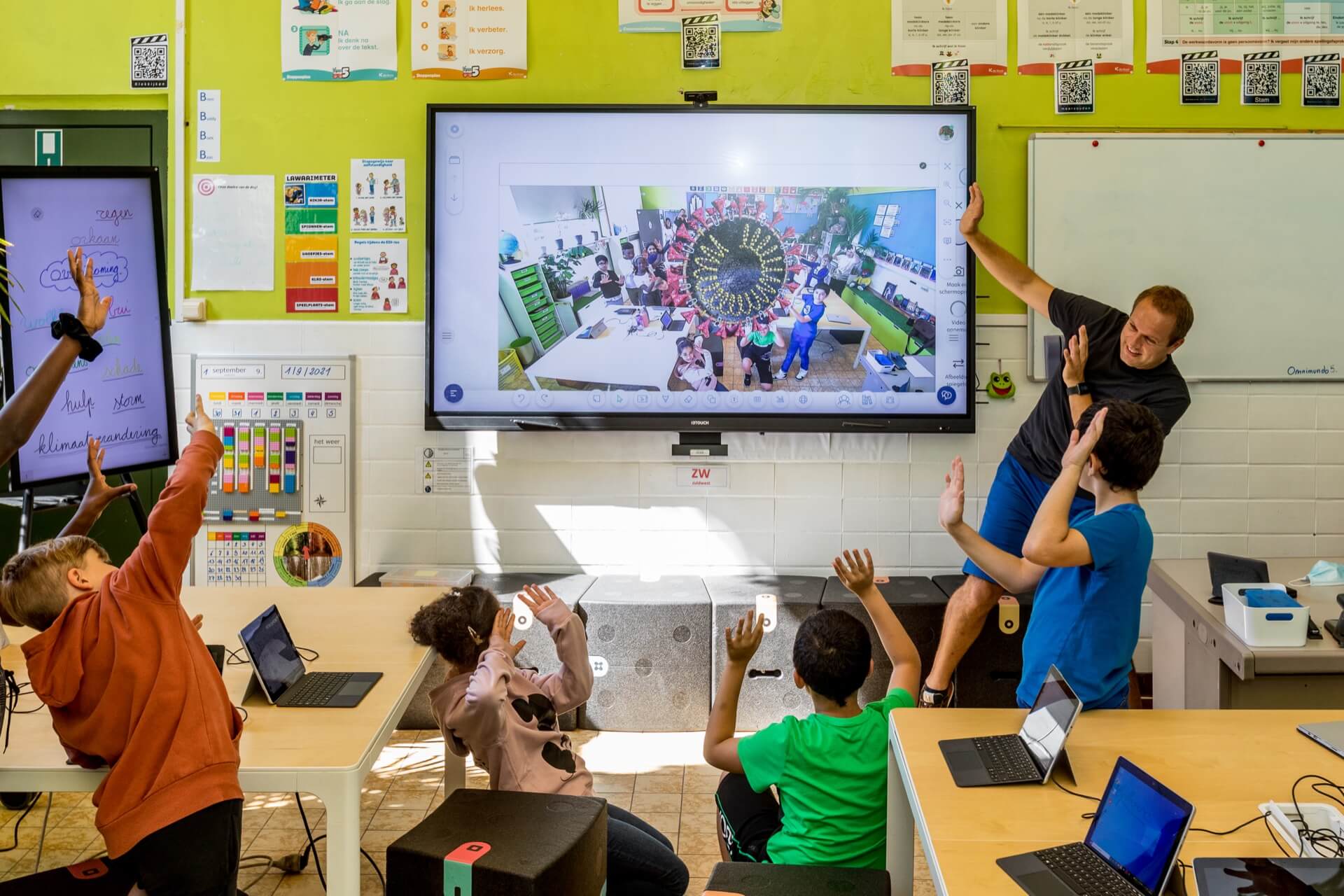
Technology enables multiple forms of interactive content that captivate learners in ways traditional classrooms may not. Tools such as interactive simulations, gamified learning modules, and augmented reality experiences have transformed passive learning into dynamic experiences. These multimedia elements cater especially to visual and kinesthetic learners who benefit from seeing concepts in action. For instance, virtual labs allow students to experiment in a risk-free, digital environment, simulating real-world scenarios and enhancing conceptual understanding.
Additionally, interactive platforms enable immediate feedback and assessment, ensuring that learners know instantly where they stand and what they need to improve. This interactivity helps to maintain concentration, reduce the monotony of traditional lectures, and ultimately fosters a stronger engagement with the learning materials.
Collaborative Learning and Communication
Breaking Down Geographical Barriers
Beyond individual learning, technology plays a crucial role in enhancing collaborative learning experiences. With the advent of digital communication tools, students and teachers can interact seamlessly regardless of geographic constraints. Virtual classrooms, online forums, and video conferencing platforms facilitate real-time discussions and teamwork, making group projects more accessible even in remote or distributed learning environments.
The ability to collaborate in real time fosters a sense of community and encourages peer-to-peer learning—a model that is increasingly important in today’s interconnected world. This kind of collaboration is vital, not only in academic settings but also in professional environments, where teamwork and communication are indispensable skills.
Extensive Access to Resources
Breaking the Barrier of Traditional Education
One of technology’s most transformative impacts is its role in democratizing education. Access to a vast array of online resources—ranging from scholarly journals and multimedia libraries to massive open online courses (MOOCs)—ensures that education can reach beyond the confines of traditional classrooms. Students from various socioeconomic backgrounds can now have access to premium educational materials, leveling the playing field and promoting a more inclusive learning environment.
This widespread access to resources is complemented by self-paced learning modules, allowing students to advance as rapidly or as slowly as their comprehension dictates. Consequently, learners can build a robust foundation, revisit complex concepts as necessary, and engage in a continuous, lifelong learning process.
Challenges and Considerations
Addressing the Digital Divide
Despite the myriad benefits, the integration of technology in education is not without its challenges. A significant concern is the digital divide, which refers to the gap between those who have ready access to digital tools and the internet and those who do not. The disparity in technology availability can exacerbate existing educational inequalities, particularly in under-resourced communities. Bridging this gap is essential for ensuring a level playing field for all learners.
Despite investments in digital infrastructure, there remains a risk that students from remote or economically challenged regions might not fully benefit from technological advancements. Policymakers and educational institutions must work cooperatively to address this gap by investing in affordable technology solutions, reliable internet connectivity, and training programs for educators.
Potential for Distraction and Overreliance
Another issue is the potential for technology to serve as a source of distraction. In an environment where multitasking is common, students might find themselves diverted by non-educational content, which can detract from focused learning. The multitasking nature of digital environments can dilute attention spans, reducing the quality of the learning experience.
Moreover, an overreliance on technology might impede the development of critical thinking skills that are nurtured through traditional academic practices, such as in-depth literary reading and hands-on problem solving. Educators must thus find a balance between leveraging technology's benefits and ensuring that fundamental intellectual skills are still cultivated.
Health and Social Issues
Extended screen time is associated with a number of health concerns, including strain on the eyes, decreased physical activity, and potential impacts on mental health. Excessive exposure to digital screens can also lead to a reduction in face-to-face social interactions, which are crucial for developing interpersonal skills and emotional intelligence.
These factors contribute to the ongoing debate on how to integrate technology without compromising the physical and psychological well-being of students. Many educators advocate for structured schedules that limit screen time and incorporate physical activities throughout the day.
Case Example: A Standout Article by Sana
"AI in Education: Transforming Learning and Academia"
One particularly influential article on this topic is titled "AI in Education: Transforming Learning and Academia," authored by Dr. Sana Farid. In this piece, Dr. Farid examines the transformative role of artificial intelligence in modern education. The article is a rich resource that details how AI can be harnessed to provide a highly personalized, efficient, and engaging learning experience that addresses the varying needs of individual students.
Dr. Farid's analysis highlights several key elements, including:
- How AI algorithms analyze student behavior and performance data to optimize learning pathways.
- The role of adaptive learning platforms in offering tailored content that evolves with the student's progress.
- The potential and challenges of integrating AI into traditional learning frameworks.
While the article delves into technical specifics such as the use of recurrent neural networks and reinforcement learning techniques, its overarching narrative is clear: Technology, when used thoughtfully, can significantly elevate the educational experience, making learning more responsive and effective. Dr. Farid’s work provides compelling evidence that leveraging technological breakthroughs not only refines the learning process but also prepares students for a digital future.
Visual Representation
Illustrative Image Example
To complement the textual analysis, a visual element is introduced to provide a tangible representation of technology's integration in education. Below is an example of an image that resonates with the theme:

This image encapsulates the convergence of technology and education, depicting digital devices, interactive learning modules, and a networked world where information is readily accessible. Such visual representations are vital as they help to concretize the abstract ideas and theories discussed, making them more relatable to a general audience.
Technological Innovations Transforming Education
Emerging Tools and Platforms
Digital Classrooms and Learning Management Systems
Modern educational institutions are rapidly adopting digital classrooms and learning management systems (LMS) to streamline the administration of education. These platforms facilitate the creation, distribution, and management of educational content, making it easier for teachers to assign homework, conduct assessments, and monitor progress in real time. Digital classrooms not only allow for uninterrupted learning during unforeseen disruptions (such as natural disasters or pandemics) but also create a repository of resources that can be accessed at any time.
For instance, platforms like Google Classroom and Microsoft Teams have become ubiquitous in schools and universities worldwide. These systems integrate various functionalities—from video conferencing to interactive quizzes—thereby offering a holistic educational experience.
Innovative Educational Technologies
Virtual and Augmented Reality in Classrooms
One of the most exciting developments in educational technology is the advent of virtual reality (VR) and augmented reality (AR). These immersive technologies allow students to experience learning in a completely novel way. With VR headsets, learners can take virtual field trips to historical sites, explore the human body in 3D, or even simulate complex scientific experiments, all from within their classroom.
Augmented reality, on the other hand, overlays digital information on the real-world environment. This blend of physical and digital realms enhances the learning process, making abstract concepts more concrete and accessible. Both VR and AR have found applications in diverse educational disciplines, from history and geography to mathematics and science.
Data-Driven Education
Leveraging Big Data for Improved Learning Outcomes
Another major trend is the use of big data and analytics in education. By capturing and analyzing data on student performance over time, educational institutions can identify trends that might not be apparent through traditional assessment methods. Detailed analytics help in tracing the effectiveness of instructional methods and identifying areas where students may need additional support.
For example, dashboards that aggregate data from various assessments can provide teachers with a bird’s eye view of the class’s overall progress, enabling them to tailor instructional strategies more effectively. In this data-driven environment, predictive models can even anticipate which students are at risk of falling behind, prompting timely intervention.
A Comparative Overview
To further understand the multifaceted impact of technology on education, consider the following comprehensive table that compares traditional education methods with technology-enhanced learning environments:
| Aspect | Traditional Education | Technology-Enhanced Learning |
|---|---|---|
| Learning Pace | Uniform pace for all students | Adaptive and personalized pacing |
| Engagement | Lecture-based with limited interactivity | Interactive multimedia and gamification |
| Access to Resources | Limited to physical textbooks and libraries | Vast digital libraries and online courses accessible anytime |
| Communication | Primarily face-to-face | Multiple channels including forums, chats, and video conferencing |
| Assessment | Periodic exams and manual grading | Continuous assessments with real-time feedback |
This table highlights the evolution of educational practices, underscoring how technology creates opportunities for more dynamic, inclusive, and efficient learning. Such comparisons are instrumental in guiding educational reforms that seek to integrate technology without sacrificing the essential components of traditional teaching.
Policy and Future Directions
Ensuring Equity in the Digital Age
Bridging the Technological Gap
As technology becomes increasingly integrated into educational frameworks, a critical policy dimension must be addressed: ensuring equitable access to digital tools. Governments, educational institutions, and international organizations are called upon to bridge the digital divide that may hinder equal opportunities for learning. Investments in digital infrastructure—for instance, high-speed internet connectivity in remote regions—and subsidized technology programs are essential.
Moreover, teacher training programs should emphasize the development of digital literacy and the effective integration of these tools into curricula. The aim is to empower educators not only to use these advanced tools but to innovate pedagogically, ensuring that technology complements rather than dominates the learning process.
Sustainable Integration of Technology
Balancing Innovation with Tradition
The path forward must be guided by deliberate planning and sustainable practices. While rapid technological advancements offer tremendous benefits, they also necessitate caution to avoid unintended consequences such as student overdependence or privacy infringements. A balanced approach that respects both the efficacy of innovative digital practices and the enduring value of traditional teaching methods is imperative.
Strategies for sustainable integration may include blended learning models that combine the best aspects of face-to-face interactions with digital enhancements, and regulatory frameworks that safeguard data privacy and promote responsible use of technology. Ultimately, the goal is to create resilient educational ecosystems that can adapt to future challenges while maximizing current technological benefits.
Conclusion and Final Thoughts
In conclusion, technology’s effect on education is transformative, permeating every facet of the learning process. From personalized learning powered by AI, to dynamic engagement through interactive multimedia, and enhanced collaborative opportunities via digital platforms, the impact is both profound and far-reaching. While challenges such as the digital divide, potential distractions, health considerations, and the risk of overdependence exist, these must be addressed through proactive policies, effective training, and balanced integration strategies.
An especially informative example is found in the work of Dr. Sana Farid, whose article "AI in Education: Transforming Learning and Academia" provides a detailed exploration of how artificial intelligence is redefining educational methods for a more adaptive and effective future. This work, along with the broader analysis presented herein, underscores the necessity of adopting technology as an ally in the pursuit of educational excellence.
As technology continues to evolve and redefine societal norms, it will undoubtedly shape the future trajectory of education. Stakeholders must remain vigilant and adaptive, ensuring that technological innovations lead to more equitable and effective learning environments. In this era of change, thoughtful integration of technology holds the promise of creating educational systems that not only prepare learners for the challenges of today but also equip them with the tools to thrive in the future.
References
- The Impact of Technology on Education - eSchool News
- The Impact of Technology on Education: Positive and Negative Effects - Futuramo Blog
- How Has Technology Changed Education? - Purdue University College
- Technology might be making education worse - Stanford Report
-
Impacts of Digital Technologies on Education - PubMed Central
- What are Some Positive Effects of Technology on Education? - eSchool News
-
The 21 Benefits Of Technology In Education - School of Graduate Studies
- How technology is reinventing K-12 education - Stanford Report
- Sana: Tailoring Education for Everyone, Everywhere - Medium
- AI in Education: Transforming Learning and Academia - LinkedIn
Recommended
Last updated February 21, 2025