
Developing Educational Protocols for Families in Peritoneal Dialysis
Empowering families through comprehensive training and personalized support in home peritoneal dialysis
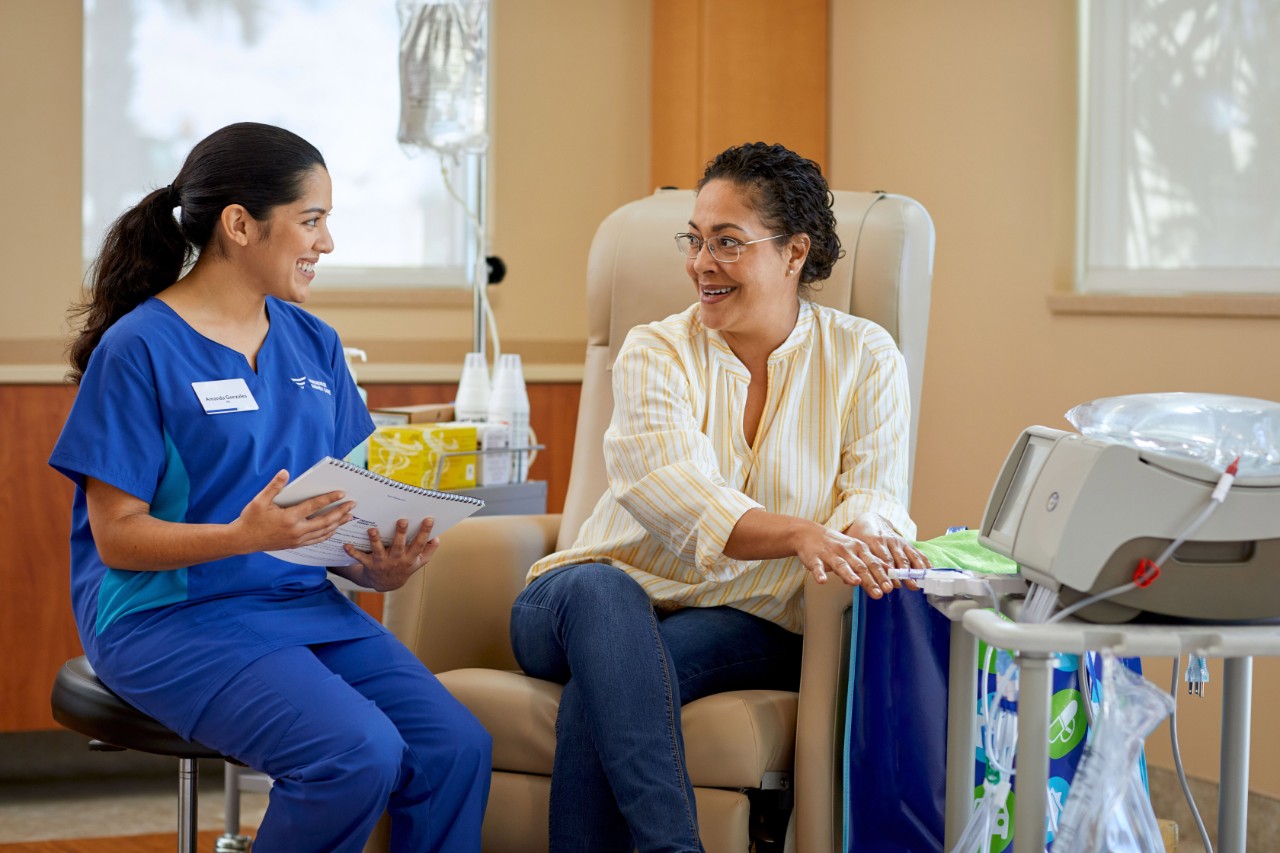
Highlights
- Comprehensive Training: Integrating theoretical knowledge with hands-on practice for effective learning.
- Technology Integration: Utilizing simulators, virtual reality, and interactive tools to enhance understanding.
- Ongoing Support: Establishing continuous evaluation, feedback, and clinical follow-ups for sustained competency.
Introduction
Developing educational protocols for families in peritoneal dialysis (PD) is essential to ensure high-quality care at home and enhanced patient outcomes. As PD is a home-based treatment for kidney disease, it demands a multidisciplinary approach that encompasses theoretical education, practical training, and ongoing support. Empowering families with the right tools and knowledge can significantly decrease complications such as peritonitis and exit-site infections while promoting patient autonomy.
This comprehensive guide examines the various strategies, components, and considerations for developing educational protocols that address the unique needs of each family. It synthesizes current best practices and insights from multiple research sources, ensuring that the protocols are both robust and flexible enough to cater to diverse learning styles.
Understanding Peritoneal Dialysis
Fundamentals of PD
Peritoneal dialysis is a method of treating kidney failure that involves the use of the peritoneum in the patient’s abdomen as a membrane through which fluids and dissolved substances are exchanged. Families must understand the scientific principles behind the procedure, including the role of dialysis fluid, the process of waste removal, and the maintenance of sterility throughout the procedure.
It is vital for families to be informed about the indications for PD, the expected clinical outcomes, and potential complications. A clear understanding of these fundamentals not only demystifies the process but also instills a sense of confidence in those managing the treatment.
Educational Goals
The primary goals of educational protocols are to:
- Enhance patient safety and reduce the risk of complications.
- Build a strong knowledge foundation regarding PD procedures.
- Empower caregivers to manage emergencies and unexpected scenarios.
- Encourage autonomy in patients and their families while ensuring ongoing support from healthcare professionals.
Components of Effective Educational Protocols
Structured Training Curriculum
A well-outlined curriculum forms the backbone of any educational initiative. Educational protocols for peritoneal dialysis should be structured to cover both theoretical and practical components. The curriculum should consist of:
Theoretical Training
This includes detailed educational materials such as:
- Educational videos and interactive modules that explain the principles of PD.
- Written manuals that detail the step-by-step processes involved in performing PD exchanges, maintaining sterility, and managing complications.
- Detailed descriptions of the equipment used during PD and methods to troubleshoot common issues.
Theoretical training not only addresses the “how” and “why” of peritoneal dialysis but also ensures that family members have a clear understanding of the process. Training sessions should also discuss when and how to seek professional help.
Practical Hands-on Training
Hands-on training is critical, as it provides caregivers the opportunity to directly engage with the materials and equipment. Key aspects include:
- Practice sessions using real-life simulations to perform PD exchanges safely.
- Direct supervision by experienced nurses or clinicians during early training sessions.
- Use of simulation tools or online PD simulators to allow families to practice in a controlled environment.
- Guided practice sessions to enhance muscle memory and procedural familiarity.
Personalization and Multisensory Approaches
Recognizing that each family has unique needs is essential. Educational protocols should be customizable in order to accommodate varying learning styles such as visual, auditory, reading/writing, and kinesthetic modalities. Multisensory approaches may include:
- Visual Aids: Diagrams, charts, and video clips to illustrate the dialysis process.
- Audio Support: Verbal instructions and audio recordings explaining each step of the process.
- Interactive Simulators: Online platforms and virtual reality tools that enable immersive learning.
- Practical Demonstrations: Live demonstrations with equipment and real-life practice scenarios.
Tailoring the educational approach to the strengths of each learner minimizes confusion and maximizes retention of critical information.
Feedback and Continuous Improvement
An essential element of any training program is the ability to receive and incorporate feedback. Protocols should incorporate mechanisms where families can share their experiences and suggestions for improving the training content or methods. This can include:
- Post-training evaluations and surveys.
- Regular feedback sessions between instructors and caregivers.
- Updates to the educational content based on the latest clinical guidelines and feedback received from participants.
Continuous assessment helps ensure that the most effective teaching methods are being employed and allows for timely modifications in protocols.
Leveraging Technology in Training
Interactive Tools and Simulators
The use of technology can significantly enhance learning outcomes in peritoneal dialysis education. Tools such as interactive simulators and virtual reality (VR) environments can provide immersive experiences that improve understanding and confidence. For instance:
- PD Simulators: These offer a risk-free environment for families to practice PD procedures.
- Virtual Reality (VR) Applications: Immersive VR experiences simulate the actual dialysis process, enabling users to experience the procedure without the stress of real-life complexities.
- Online Platforms: Platforms that host video tutorials, interactive modules, and clickable activities which reinforce learning at any time.
Such tools are particularly useful in reinforcing the procedural steps and providing continual support between in-person training sessions.
Table of Key Components and Strategies
| Component | Details | Benefits |
|---|---|---|
| Theoretical Training | Videos, manuals, and detailed explanations of PD principles and procedures. | Builds a strong knowledge foundation and understanding of procedure rationale. |
| Practical Hands-on Training | Simulators, guided practice sessions, and real-time supervision by professionals. | Enhances skill acquisition and ensures safe execution of PD steps. |
| Multisensory Approaches | Visual, auditory, kinesthetic learning methods tailored to individual needs. | Improves retention of information and caters to diverse learning styles. |
| Technology Integration | Utilization of PD simulators, VR, and online interactive modules. | Provides immersive learning experiences and continuous education support. |
| Feedback & Continuous Improvement | Regular evaluations, surveys, and content updates based on participant experiences. | Ensures the training remains responsive to family needs and clinical best practices. |
Ongoing Support and Evaluation
Maintenance and Reassurance
Education does not end after the initial training sessions. It is critical to incorporate ongoing support mechanisms to ensure the family’s continued confidence and the patient’s safety.
- Home Visits: Regular check-ins by PD nurses can reinforce learning, address emerging challenges, and personalize ongoing care.
- 24/7 Helpline: Establishing a dedicated support line ensures that families have access to professional advice whenever needed.
- Continuous Education Updates: Providing regular updates on new protocols, technology, or clinical guidelines keeps everyone informed of best practices.
Evaluating Outcomes
To ensure that educational protocols are effective, both qualitative and quantitative measures should be employed:
- Routine skills assessments to gauge proficiency in performing PD procedures.
- Outcome monitoring such as reduced infection rates and improved patient well-being.
- Feedback collection and analysis to make necessary adjustments to training modules.
Systematic evaluation not only sustains the quality of care but also encourages a culture of constant learning and improvement.
Personalized Approaches for Diverse Families
Tailoring Protocols
Not every family faces the same challenges; thus, personalization is key to effective education. Factors such as the caregiver's age, cognitive abilities, and prior medical experience must be considered. For instance:
- Families new to medical procedures may benefit from slowed-paced, in-depth sessions inclusive of extra hands-on practice.
- Experienced caregivers might prefer quick reference guides and advanced simulation sessions focusing on troubleshooting and emergency response.
- The integration of culturally relevant resources and sensitive communication styles ensures inclusivity and improves engagement.
Collaborative Decision-Making
An effective educational protocol not only instructs but also invites questions and encourages shared decision-making among healthcare professionals and family caregivers. This can:
- Build mutual trust and strengthen the caregiver-clinician relationship.
- Empower caregivers to participate actively in treatment decisions, thereby promoting adherence to protocols.
- Provide emotional support, which is critical, especially in high-pressure home care environments.
Utilizing Research and Guidelines
Evidence-Based Approaches
The development of these protocols draws on extensive research and clinical guidelines from reputable sources such as the International Society for Peritoneal Dialysis and various scholarly publications. Evidence-based practices ensure that:
- Protocols remain current with the latest clinical recommendations.
- The training methodologies employed have a proven track record in reducing complications and improving procedural compliance.
- There is consistent incorporation of feedback and outcome data to refine ongoing training practices.
By adhering to these standards, the educational protocols not only meet but also anticipate the evolving needs of families and improve the overall management of peritoneal dialysis at home.
References
-
PMC Article on PD Training - NCBI
-
Nurse-Based Educational Interventions - NCBI
-
Syllabus for Teaching PD - NCBI
- ISPD Guidelines - International Society for Peritoneal Dialysis
- PD Simulator - Children's Hospital
Recommended Related Queries
Last updated March 17, 2025