
Exploring the Critical Role of a Nephrology/Dialysis Nurse
Discover the intricate responsibilities and key areas of excellence in nephrology nursing care
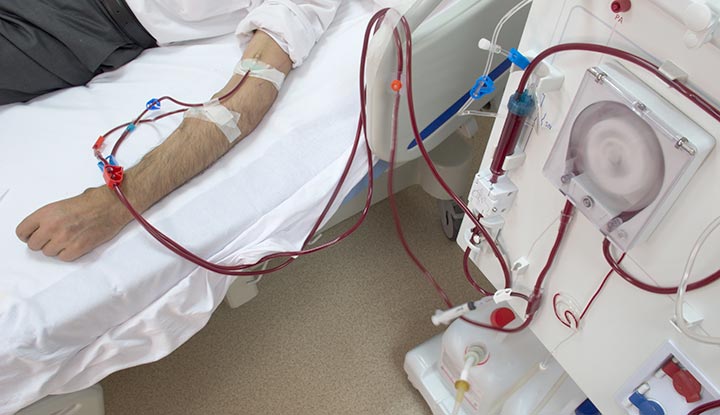
Key Highlights
- Comprehensive Patient Care: Perform assessments, manage dialysis treatments, and develop individualized care plans.
- Technical and Clinical Expertise: Utilize advanced dialysis equipment and maintain high standards of patient safety and quality control.
- Patient and Family Education: Empower patients through educational support on kidney disease, treatment options, and lifestyle management.
Detailed Job Description
Overview
The Nephrology/Dialysis Nurse is a cornerstone in the healthcare setting, specializing in the care of individuals with kidney disease, particularly those undergoing dialysis treatment. This role requires a blend of clinical expertise, compassionate patient care, and advanced technical knowledge to manage the complexities associated with renal disease. Employed across various settings such as hospitals, dialysis clinics, and even patients' homes, the nurse provides comprehensive care by managing treatment procedures, monitoring patient progress, and ensuring a safe environment during all stages of therapy.
Primary Responsibilities
1. Patient Assessment and Care Planning
An essential duty of the Nephrology/Dialysis Nurse is to accurately assess each patient’s condition. This involves:
- Conducting pre-treatment evaluations including the assessment of vital signs, reviewing medical history, and analyzing laboratory results.
- Identifying potential complications through frequent monitoring, especially before and after dialysis sessions.
- Developing personalized care plans tailored to individual health needs, ensuring that treatment regimens correspond appropriately with each patient’s condition.
This comprehensive evaluation is critical for anticipating any immediate issues and for setting the stage for effective, ongoing care. Detailed patient records, including baseline and progress notes, must be meticulously maintained to guide treatment adjustments and long-term management.
2. Dialysis Treatment Management
Managing dialysis treatment involves several technical and clinical responsibilities that are central to the role:
- Operating and maintaining dialysis machines to ensure that they are functioning efficiently and safely.
- Performing dialysis procedures, which include hemodialysis and peritoneal dialysis, depending on the patient’s healthcare plan.
- Monitoring patient responses during treatment, looking out for signs of adverse reactions or complications, and acting swiftly to mitigate any risks.
- Ensuring proper cannulation of the vascular access sites to facilitate effective blood flow during treatment sessions.
Technological proficiency is paramount in this area, as the nurse must be capable of troubleshooting equipment issues in real-time and coordinating with technical support if necessary.
3. Patient and Family Education
Education is a significant component of the nephrology nursing role. Nurses provide crucial information to both patients and their families regarding:
- The nature of kidney disease, its progression, and the rationale behind intensive treatments such as dialysis.
- Differentiating between types of dialysis, their procedures, and what patients should expect during each session.
- Self-care strategies that include dietary guidelines, appropriate exercise regimes, and medication adherence to manage the condition effectively.
- Home dialysis procedures, including equipment handling and safety measures, empowering patients who opt for home-based care.
Through effective patient education, nephrology nurses help build patient confidence in managing their conditions, thereby improving treatment compliance and overall quality of life.
4. Collaboration and Communication
The Nephrology/Dialysis Nurse works closely with a multidisciplinary team to ensure comprehensive care. Key tasks in this domain include:
- Collaborating with physicians, nephrologists, dietitians, and social workers to create coordinated and effective care plans.
- Ensuring the seamless flow of information through regular updates and consultations with other healthcare professionals.
- Communicating effectively with patients and their families to explain procedures, address concerns, and provide ongoing support.
- Participating in interdisciplinary meetings to evaluate treatment outcomes and align on best practices for patient care.
This team-based approach not only enhances patient outcomes but also fosters an environment of shared learning and continuous improvement in care practices.
5. Quality Improvement and Safety Maintenance
Ensuring the highest standards of care involves a commitment to quality improvement and rigorous safety protocols:
- Maintaining a clean, sterile environment by rigorously following infection control policies.
- Participating in quality improvement programs to identify gaps and implement solutions that enhance patient safety and care standards.
- Regularly reviewing and updating protocols in accordance with the latest guidelines and technological advancements in dialysis treatment.
- Documenting and reporting any adverse events or near-miss incidents to facilitate corrective actions and prevent future occurrences.
A proactive approach to quality and safety is essential in mitigating risks, reducing complications during dialysis, and ensuring optimal patient outcomes.
Key Result Areas (KRAs)
For a Nephrology/Dialysis Nurse, key result areas are instrumental in defining success and ensuring excellence in patient care. These include:
| KRA | Description | Expected Outcomes |
|---|---|---|
| Patient Assessment and Care Planning | Conduct thorough patient evaluations, develop individualized care plans, and continually monitor patient progress. | Accurate assessments, early identification of complications, and personalized interventions leading to improved patient outcomes. |
| Dialysis Treatment Management | Operate dialysis machines, manage treatment sessions, and monitor patient responses during and after dialysis. | Safe, effective, and consistent dialysis treatments resulting in stable and improved patient health metrics. |
| Patient and Family Education | Provide detailed education on kidney disease management, dialysis procedures, nutrition, and lifestyle modifications. | Enhanced patient knowledge and adherence, leading to better self-management and reduced risk of complications. |
| Collaboration and Communication | Maintain open lines of communication with the multidisciplinary team and ensure consistent patient updates. | Improved interdisciplinary collaboration and coordinated care efforts, reducing treatment errors and improving patient satisfaction. |
| Quality Improvement and Safety | Implement and monitor safety protocols, participate in quality improvement initiatives, and maintain a sterile environment. | Reduction in infection rates, fewer treatment complications, and a safe care environment that meets regulatory standards. |
Qualifications and Skills
Educational Requirements
Nurses in this role typically hold either a Bachelor's or Associate's degree in nursing. Many positions require candidates to have specialized training or certification in nephrology or dialysis nursing. A strong foundation in medical-surgical nursing is also highly recommended, as it facilitates better management of complex patient cases.
Licensure and Certification
All Nephrology/Dialysis Nurses must have a valid Registered Nurse (RN) license in their respective state or country. Many employers prefer or require certification from recognized bodies such as the Nephrology Nursing Certification Commission (NNCC), Certified Dialysis Nurse (CDN), or Certified Nephrology Nurse (CNN). Additional certifications like Advanced Cardiac Life Support (ACLS) further enhance a candidate's qualifications.
Essential Skills and Competencies
The role demands a diverse set of skills including:
- Technical Proficiency: Ability to operate advanced dialysis equipment with precision, coupled with effective troubleshooting capabilities.
- Clinical Expertise: Strong capabilities in clinical assessments, recognizing symptoms, and promptly addressing complications.
- Communication Skills: Proficient in communicating complex medical information clearly to patients, families, and team members.
- Analytical Skills: Keen observation and problem-solving abilities essential for accurate patient monitoring and care adjustments.
- Empathy and Compassion: A patient-centric approach to care that ensures emotional support and education are integrated into all interactions.
Work Environment and Schedule
Nephrology/Dialysis Nurses work in diverse settings that mirror the varied needs of patients. Typically, nurses may be based in dedicated dialysis units within hospitals, standalone dialysis clinics, or even conduct home dialysis treatments. The role often requires flexibility, as dialysis treatments frequently run for several hours, and staff may be required to handle emergency situations. Physical demands can include long periods of standing, lifting of equipment, and sometimes assisting with patient mobility.
Team Dynamics
Given the complex nature of dialysis treatment, collaboration is paramount. Nurses engage actively with nephrologists, dialysis technicians, dietitians, and social workers. Interdisciplinary meetings and case reviews ensure that the treatment plans remain effective and are updated based on patient progress. This teamwork not only fosters a supportive environment but is also essential in maintaining high standards of care.
Salary and Career Progression
The compensation for Nephrology/Dialysis Nurses can vary widely based on factors such as geographic location, level of experience, and specific healthcare facility policies. In the United States, the average annual salary for this role typically falls within a competitive range that reflects both the technical and critical nature of the work. Additionally, advancement opportunities exist for those who pursue further education, specialized certifications, or leadership roles in nursing management. This career path often leads to opportunities in clinical education, nurse management, or roles in quality improvement programs within larger healthcare systems.
Professional Development and Continuing Education
Continuous professional development is crucial in the rapidly advancing field of nephrology nursing. Many employers support ongoing education through certification courses, seminars, and workshops. Nurses are encouraged to keep current with emerging trends in dialysis technology, updated treatment protocols, and advances in kidney disease research. Participation in professional organizations and conferences not only facilitates knowledge sharing but also allows for the development of a robust professional network, essential for career growth and enhanced patient care.
Technology and Innovation in Dialysis Nursing
The evolution of dialysis technology has significantly impacted the role of the Nephrology/Dialysis Nurse. Innovations in machine technology, remote monitoring systems, and telehealth have enhanced both the safety and efficacy of dialysis treatments. Nurses today are increasingly required to adapt to digital health records, use advanced patient monitoring systems, and support integrated care platforms that link patient data with broader medical networks. Embracing these technologies not only streamlines care workflow but also improves patient outcomes by enabling proactive management of chronic kidney disease.
Impact on Patient Outcomes
The critical function of the Nephrology/Dialysis Nurse directly correlates with improved patient outcomes. High-quality nursing care leads to:
- Reduced complication rates during dialysis treatments.
- Enhanced patient understanding of disease management, which results in better adherence to treatment protocols.
- Improved overall patient satisfaction, which is essential for long-term treatment success and quality of life.
- Significant decreases in hospitalization rates due to the early detection and management of complications.
By supporting not only the clinical aspects of dialysis but also patient education and emotional well-being, the Nephrology/Dialysis Nurse plays a transformative role in enhancing both the physical and psychological outcomes for patients with kidney disease.
References
- Dialysis Nurse Job Description - Indeed
- Dialysis Nurse Job Description - Betterteam
- Dialysis Nurse Career Information - EveryNurse
- Nephrology Nurse Career Guide - NursingEducation.org
- Dialysis Nurse Information - Nightingale.edu
Recommended Searches
Last updated March 24, 2025