
Pediatric Peritoneal Dialysis
A Comprehensive Overview of a Life-Saving Therapy for Children
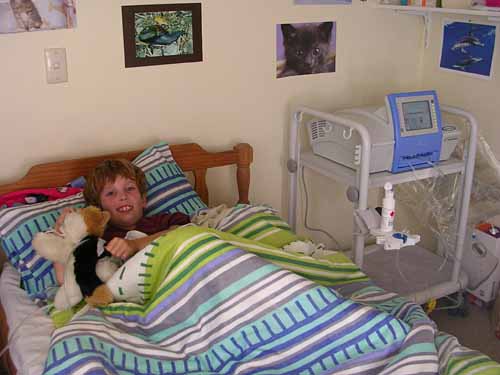
Pediatric peritoneal dialysis (PD) stands at the forefront as a vital treatment modality for children with end-stage renal disease (ESRD). Designed to work in harmony with the unique physiological needs and lifestyles of young patients, PD leverages the peritoneal cavity—the natural lining of the abdomen—to filter waste products and excess fluid from the blood. This comprehensive guide delves into the principles, procedures, benefits, challenges, and practical considerations for pediatric peritoneal dialysis, ensuring that caregivers and healthcare professionals alike have a detailed understanding of its role in managing pediatric kidney disease.
Key Highlights
- Flexible Home-Based Treatment: PD enables children to receive life-saving renal replacement therapy in a home setting, supporting a normal daily routine and uninterrupted learning.
- Tailored for Growth and Development: Pediatric PD is designed to accommodate the rapid growth and unique nutritional needs of children, ensuring proper electrolyte balance and overall health.
- Minimized Disruption and Enhanced Quality of Life: With options like Automated Peritoneal Dialysis (APD) and Continuous Ambulatory Peritoneal Dialysis (CAPD), treatment schedules are flexible, reducing the burden of frequent hospital visits.
Understanding Pediatric Peritoneal Dialysis
Peritoneal dialysis (PD) is an alternative to hemodialysis and takes advantage of the peritoneum, a thin membrane lining the abdominal cavity, to act as a natural filtration system. In children, this method is especially advantageous because it can be administered at home and customized to fit various age groups—from infants to adolescents.
How PD Works
The process of pediatric peritoneal dialysis includes the following key steps:
1. Catheter Placement
A soft, flexible catheter is surgically inserted into the child’s abdomen under general anesthesia. In preparation for dialysis, the catheter is placed several weeks before the treatment begins to allow for proper healing and to reduce complications.
2. Dialysis Process: Fill, Dwell, Drain
The basic functional steps are:
- Fill: A sterile dialysate (a sugar-based solution) is infused into the peritoneal cavity through the catheter.
- Dwell: The dialysate remains in the abdomen for a designated period, typically ranging from 3-5 hours in manual exchange systems. During the dwell time, waste products and excess fluids diffuse from the blood into the dialysate.
- Drain: Finally, the used dialysate, now containing waste and excess fluid, is drained from the abdomen and discarded.
In mathematical terms, the diffusion process can be represented by the principle:
\( \text{\( J = D \times \frac{\Delta C}{\Delta x} \)} \)
where \( \text{\( J \)} \) represents the flux, \( \text{\( D \)} \) the diffusion coefficient, and \( \text{\( \frac{\Delta C}{\Delta x} \)} \) the concentration gradient.
Types of Pediatric Peritoneal Dialysis
Pediatric PD is primarily categorized into two types, each with its specific mode of operation and practical benefits:
Continuous Ambulatory Peritoneal Dialysis (CAPD)
Overview
CAPD involves manually performing exchanges throughout the day. This type of PD is particularly suited for older children who can be more involved in the process as part of their daily routine.
In CAPD, patients typically perform 3-5 exchanges per day, with each exchange providing a “fill” of fresh dialysate, a "dwell" period, and a subsequent “drain”. This ongoing cycle allows a continuous removal of toxins and excess fluid.
Automated Peritoneal Dialysis (APD) / Continuous Cycling Peritoneal Dialysis (CCPD)
Overview
APD, also known as Continuous Cycling Peritoneal Dialysis (CCPD), employs a machine (cycler) which automatically performs exchanges during the night while the child sleeps. This method minimizes daytime interruptions, making it ideal for younger patients or those who benefit from uninterrupted daytime activities such as schooling and social interactions.
Benefits of Pediatric Peritoneal Dialysis
The choice of peritoneal dialysis for children is supported by several distinct benefits:
Enhanced Flexibility and Home-Based Management
One of the key advantages of PD is its capability to be administered in the home environment. This flexibility allows pediatric patients to maintain a semblance of normalcy in daily activities like school attendance and play. Home-based care also significantly reduces the burden associated with frequent hospital visits.
Gentle and Continuous Toxin Removal
Unlike hemodialysis, which typically involves rapid shifts in fluid and electrolyte balance, PD offers a gentler, continuous approach. This gradual removal of toxins and fluids is especially beneficial for children's developing bodies, thereby reducing the risk of hemodynamic instability.
Tailored to Support Growth and Development
Nutritional and Metabolic Considerations
Pediatric patients are in a phase of rapid growth and development which necessitates specific attention to nutritional needs such as adequate calcium intake and vitamin D supplementation. PD is customizable based on the age, size, and specific metabolic requirements of the child. This tailored approach helps ensure that growth is not stunted and that the patient maintains a positive nutritional balance.
Managing Fluid and Electrolyte Levels
By facilitating a more consistent fluid management process, PD provides better control of electrolyte balance compared to intermittent hemodialysis. This stability is particularly important for preventing complications associated with rapid fluid shifts.
Practical Considerations and Special Aspects
In clinical practice, pediatric PD demands a multidisciplinary approach and careful planning to optimize outcomes for young patients:
Multidisciplinary Teaminvolvement
The management of peritoneal dialysis in children involves a collaborative effort among pediatric nephrologists, specialized nurses, dietitians, and surgeons. These professionals work together to monitor the treatment’s efficacy, manage complications, and adjust prescriptions according to the patient’s ongoing growth and development.
Monitoring and Preventing Complications
Despite its benefits, PD in children can be accompanied by potential complications:
Peritonitis
Infection of the peritoneal cavity, or peritonitis, remains one of the most common complications of PD. It is imperative for caregivers to adhere to strict sterile techniques during exchanges to prevent this life-threatening condition.
Catheter-Related Issues
Catheter malfunction, occlusion, and exit site infections are important clinical concerns that require vigilant monitoring and prompt management.
Dialysate Leakage and Hernias
A buildup of fluid in the abdomen can, in some cases, lead to dialysate leakage or hernias due to increased intra-abdominal pressure. Regular follow-up and appropriate adjustments in the dialysis regimen help mitigate these risks.
Practical Implementation and Patient Management
Implementing a pediatric PD regimen involves detailed planning and individualized care. The following table summarizes key differences and operational details between CAPD and APD/CCPD:
| Parameter | Continuous Ambulatory PD (CAPD) | Automated PD (APD/CCPD) |
|---|---|---|
| Method | Manual exchanges throughout the day | Machine-assisted exchanges, typically performed at night |
| Frequency | 3-5 exchanges per day | Multiple cycles during overnight dwell |
| Impact on Daily Routine | Potential disruptions during daytime activities | Allows for normal daytime activities and schooling |
| Suitability | Often used in older children who can participate in their own care | Preferred for younger patients to minimize daytime interference |
Surgical and Postoperative Considerations
The placement of the PD catheter is a key surgical component, with the following aspects playing crucial roles in a successful outcome:
Preoperative Preparation
Prior to surgical catheter insertion, a detailed assessment is conducted to ensure the child is fit for the procedure. This includes evaluating the maturity of the peritoneal membrane and ensuring that there are no contraindications such as anatomical anomalies.
Postoperative Healing
It is essential to allow adequate healing time after catheter placement to minimize the risk of leakage and infection. Parents and caregivers must be informed about the importance of hygiene and proper care during this period.
Monitoring, Guidelines, and Continuous Care
Consistent monitoring and adherence to established clinical guidelines are essential to ensuring optimal outcomes in pediatric peritoneal dialysis. Regular follow-ups allow healthcare teams to adjust the dialysis regimen based on the child's changing fluid requirements, growth parameters, and any emerging complications.
Guidelines and Best Practices
Professional organizations, including pediatric nephrology associations, have developed guidelines focused on standardizing care. These guidelines emphasize:
- Proper training of caregivers in maintaining sterile technique during exchanges
- Individualized PD prescriptions that take into account the unique metabolic and fluid balance requirements of children
- Regular assessment of nutritional status and developmental growth
- Immediate management of any signs of infection or catheter-related complications
Patient and Family Education
Educating both the patient and the family about the approach, expectations, and potential complications of peritoneal dialysis is of paramount importance. Empowered with the right knowledge, caregivers can become active participants in monitoring and managing the child's treatment, ensuring early detection of complications and consistent adherence to best practices.
Additional Practical Considerations
Nutritional Support and Growth Monitoring
Given that children undergoing PD are still growing, it is critical to monitor nutritional intake closely:
- Calcium and Vitamin D: Supplementation is considered to promote bone growth and a positive calcium balance.
- Tailored Meal Plans: Dietitians work with families to design meal plans that are rich in nutrients and appropriate for the child's age and kidney function.
- Monitoring Fluid Intake: Ensuring that fluid intake aligns with the patient’s prescription is essential to avoid complications associated with both fluid overload and dehydration.
Technological Advancements and Future Directions
Advancements in PD technology continue to improve patient outcomes. Modern PD cyclers offer enhanced programmability, more precise control of dwell times, and built-in alarms to alert caregivers of any issues. Continued research in pediatric dialysis is exploring optimized solutions aimed at further preserving residual kidney function and improving quality of life.
References
For those seeking further information, the following sources offer detailed insights and clinical guidelines on pediatric peritoneal dialysis:
- Peritoneal Dialysis in Pediatrics – An In-Depth Overview 2025 - Master Pediatrics
-
Chronic peritoneal dialysis in children - ScienceDirect.com
- Peritoneal Dialysis (for Parents) | Nemours KidsHealth
- Chronic peritoneal dialysis in children - UpToDate
-
Peritoneal Dialysis Tailored to Pediatric Needs - PMC
Recommended Related Queries
Last updated March 17, 2025