
Unlocking EFL Success in Chile: Navigating Policies, Autonomy, and Feedback in Vocational Schools
Exploring the intricate relationship between institutional rules, teacher independence, and corrective feedback strategies in Chilean technical education.
The landscape of English as a Foreign Language (EFL) education within Chilean technical and vocational institutions presents a fascinating case study. While the dedication and methods of individual teachers are undeniably important, their practices, particularly concerning corrective feedback (CF), are often shaped by a complex web of systemic factors. Institutional policies, national curriculum mandates, standardized testing pressures, and the degree of teacher autonomy afforded all play significant roles. Understanding this interplay is crucial for optimizing language learning outcomes in these vital educational settings.
Corrective feedback, the guidance teachers provide to students on their language errors, is a cornerstone of effective language acquisition. However, how this feedback is delivered—whether through direct correction, subtle recasts, written notes, or digital tools—can be influenced heavily by top-down directives and the training teachers receive. This exploration delves into the alignment (or lack thereof) between institutional expectations and teacher beliefs, the differing perspectives of administrators and educators, the mediating role of teacher training, and the emerging influence of digital technologies on CF practices in Chile's technical and vocational EFL classrooms.
Key Insights at a Glance
- Policy vs. Practice Gaps: There's often a noticeable disconnect between official institutional policies on corrective feedback and the beliefs and preferred practices of EFL teachers, who prioritize student needs and context over rigid standardization.
- Conflicting Perceptions: Administrators tend to view corrective feedback through the lens of compliance and standardized outcomes, while teachers grapple with practical classroom realities like time constraints and large class sizes, focusing on building student confidence alongside accuracy.
- Training as a Bridge: Effective, ongoing teacher training is identified as essential for mediating the gaps between policy mandates and classroom implementation, equipping teachers with the skills to adapt strategies while navigating institutional expectations.
The Policy Puzzle: Alignment with Teacher Beliefs
Are Institutional Rules and Teacher Convictions in Harmony?
Research paints a picture of frequent misalignment between institutional CF policies and the deeply held beliefs of EFL teachers in Chilean technical settings. Institutional policies, often driven by national educational reforms (like those between 2006-2018 aimed at increasing employer involvement and standardizing parts of TVET), tend to favor structured, uniform approaches to feedback, sometimes dictated by curriculum mandates or standardized testing goals. These policies can exert normative influence and reflect hierarchical power structures within institutions.
However, studies reveal that many EFL teachers believe effective feedback is more nuanced. They prioritize student-centered methods, taking into account individual learner needs, proficiency levels, emotional responses, and the importance of fostering learner autonomy. Teachers often express a preference for feedback strategies that encourage self-correction and build confidence, such as indirect feedback or carefully delivered explicit corrections. While some institutional frameworks, like curricula prepared by the Ministry of Education for secondary TVET, grant schools autonomy in implementation, this autonomy can be constrained by the pressure to meet standardized testing requirements, leading teachers to feel their professional judgment is undervalued.
Sources of Misalignment
- Standardization vs. Personalization: Policies often push for uniformity, while teachers see the need for individualized feedback.
- Focus on Outcomes vs. Process: Institutions may prioritize measurable results, whereas teachers focus on the learning process and student well-being.
- Top-Down Mandates vs. Experiential Knowledge: Policies developed without sufficient teacher input may overlook practical classroom realities and effective pedagogical insights gained through experience.
Differing Viewpoints: Administrators vs. Teachers
Understanding the Perception Gap in Corrective Feedback
A significant divergence often exists between how administrators perceive CF and how teachers experience its implementation daily. Administrators, operating within the framework of institutional policies and accountability, frequently view CF primarily as a tool for ensuring compliance, achieving standardized learning outcomes, and maintaining efficiency. Their perspective might be shaped by institutional power dynamics and the need to demonstrate adherence to national directives or quality standards.
Conversely, teachers' "lived experiences" highlight the practical challenges that shape their CF practices. Large class sizes, limited time for individual feedback, varying student motivation levels, and insufficient resources are common constraints mentioned in studies. Teachers often see CF not just as error correction but as a vital part of the pedagogical relationship, crucial for building rapport, boosting student confidence, and tailoring instruction. They grapple with deciding the type, method, and amount of feedback (oral vs. written, explicit vs. implicit) based on immediate classroom context, student proficiency, and specific learning goals, which may not always align neatly with administrative expectations for consistency or specific documentation protocols.
Summary of Differing Perspectives
The following table summarizes the key differences in perspectives often observed between institutional/administrative viewpoints and teacher beliefs/experiences regarding corrective feedback in Chilean TVET EFL settings:
| Aspect of Corrective Feedback | Common Institutional/Administrative Perspective | Common Teacher Belief/Lived Experience |
|---|---|---|
| Primary Goal | Compliance, Standardization, Efficiency, Measurable Outcomes | Student Learning, Confidence Building, Error Correction, Fostering Autonomy |
| Key Driver | Policy Mandates, Curriculum Requirements, Standardized Testing | Student Needs, Proficiency Levels, Classroom Dynamics, Pedagogical Relationship |
| Implementation Focus | Uniformity, Consistency Across Classes/Teachers | Flexibility, Adaptation to Specific Learners and Contexts |
| Main Challenges Perceived | Ensuring Teacher Adherence, Tracking Effectiveness System-Wide | Time Constraints, Large Class Sizes, Lack of Resources, Varying Student Motivation |
| View of Teacher Autonomy | Potentially constrained by need for standardization | Essential for effective, responsive teaching and feedback |
This table highlights the potential friction points where administrative goals for systemic consistency may clash with teachers' needs for flexibility and responsiveness in their daily practice.
The Role of Teacher Training
Bridging the Gap Between Policy and Practice
Teacher training emerges as a pivotal factor in navigating the complexities between institutional CF policies and actual classroom practices. Both pre-service (Initial Teacher Training - ITT) and in-service professional development programs play a crucial role in equipping EFL teachers with the knowledge and skills to implement CF effectively within the constraints and opportunities presented by their institutional context.
Studies overviewing Chilean EFL pre-service teachers highlight variations in how they approach feedback provision, suggesting that ITT programs need to explicitly address CF strategies and the theoretical underpinnings of different approaches. Effective training can help teachers understand the rationale behind institutional policies while also providing practical tools to adapt these policies to their specific classroom realities. Training can introduce teachers to a repertoire of CF techniques (e.g., recasts, clarification requests, explicit correction, metalinguistic feedback) and guide them on when and how to use them appropriately.
Furthermore, training focused on fostering teacher autonomy, or providing strategies that support learner autonomy, can empower educators. When teachers feel knowledgeable and skilled, they are better positioned to make informed decisions about CF, balancing institutional mandates with pedagogical best practices. Collaborative self-studies among teacher educators also point towards transforming feedback practices within training programs themselves. However, inadequate or infrequent training can exacerbate the policy-practice gap, leaving teachers feeling unprepared to meet institutional expectations or implement complex feedback techniques effectively, especially in specialized contexts like English for Specific Purposes (ESP) within vocational tracks.
The Digital Dimension: Technology's Impact on Feedback
How Mandated Technologies are Reshaping Corrective Feedback
The increasing integration of digital tools into education, often mandated by institutional policies, introduces another layer of complexity to CF practices in Chilean TVET EFL classrooms. Learning Management Systems (LMS), online platforms, and automated feedback tools are becoming more prevalent.
Influence of LMS and Digital Platforms
Institutional mandates requiring the use of specific LMS platforms can significantly affect how teachers deliver feedback. While these platforms can offer efficiency gains, allowing for streamlined submission, grading, and feedback delivery (e.g., recorded audio feedback, annotated digital documents), they can also alter the nature of the feedback interaction. There's a potential risk of reducing personalized, face-to-face interaction if reliance on platform-based feedback becomes dominant. Teachers might feel their autonomy slightly reduced if the platform dictates specific feedback formats or workflows.
Automated Grammar Checkers and Oral Recasts
A specific point of interest is whether the use of automated grammar checkers, often integrated into writing platforms or used independently, reduces teachers' reliance on traditional oral feedback techniques like recasts (reformulating a student's erroneous utterance correctly). Evidence suggests this might be the case. Automated tools provide immediate, often explicit, feedback on grammatical and mechanical errors in writing. This can free up teacher time and effort, allowing them to focus on higher-order concerns like content, organization, or more complex language use. However, this efficiency might come at the cost of reduced opportunities for interactive oral negotiation of meaning and form, which recasts provide. While automated checkers can handle frequent, rule-based errors, they cannot replace the nuanced, context-sensitive feedback a teacher offers through oral interaction, which is also crucial for developing listening and speaking skills. The integration of these tools thus presents a trade-off between efficiency in addressing certain error types and the potential reduction in valuable oral corrective interactions.
Visualizing the Influences on Corrective Feedback Practices
To better understand the complex interplay of factors influencing how EFL teachers in Chilean technical institutions implement corrective feedback, the following radar chart provides a visual representation. It assesses key dimensions based on the synthesis of research findings, reflecting potential strengths and areas of tension within the system. Note that the scores are illustrative, representing tendencies identified in the research rather than precise quantitative data.
This chart visually suggests potential areas for improvement. For instance, 'Alignment (Policy-Belief)' and 'Administrator-Teacher Communication' appear as areas with significant gaps compared to the ideal, while 'Focus on Student Needs/Context' is shown as a relative strength in teachers' approaches, though potentially constrained by other factors. 'Digital Tool Integration' is moderately high, reflecting adoption, but perhaps lacking optimal support or alignment with pedagogical goals ('Ideal Scenario Target' is lower for this dimension, suggesting caution against over-reliance).
Mapping the Landscape: Key Factors and Relationships
The following mind map illustrates the core components discussed and their interconnectedness in the context of EFL corrective feedback practices within Chilean technical and vocational institutions. It highlights how institutional policies and teacher autonomy act as central pillars influencing CF practices, mediated by teacher training and increasingly impacted by digital tools.
(Compliance, Efficiency)"] ["Teacher Autonomy"] ["Decision-Making on CF Methods"] ["Adapting to Student Needs"] ["Influence of Institutional Power"] ["Professional Judgment"] ["Corrective Feedback (CF) Practices"] ["Oral CF (Recasts, Explicit Correction)"] ["Written CF"] ["Use of Digital Tools"] ["Alignment with Beliefs"] ["Impact of Constraints
(Time, Class Size)"] ["Teacher Training"] ["Pre-Service (ITT)"] ["In-Service Development"] ["Mediating Policy-Practice Gaps"] ["Skill Development (CF Techniques)"] ["Fostering Autonomy"] ["Digital Tools"] ["LMS Platforms"] ["Automated Grammar Checkers"] ["Impact on CF Delivery (Efficiency)"] ["Potential Reduction in Oral CF"] ["Influence on Teacher Autonomy"] ["Systemic Factors"] ["Alignment Issues"] ["Perception Gaps (Admin vs. Teacher)"]
This map visually organizes the key themes, showing how policies and autonomy are central, influencing practices directly and indirectly through training and technology. The systemic factors represent the overarching challenges arising from the interactions between these components.
Contextualizing the Classroom: Visual Perspectives
The images below offer glimpses into various educational environments, reflecting aspects relevant to the discussion of teaching, learning, and feedback. While not exclusively from Chilean TVET institutions, they evoke the settings where these dynamics play out: interactions between students and teachers, the use of technology, and the diverse learning contexts involved in language education.

Classroom interactions are central to language learning and providing oral feedback.

Technology plays an increasing role in student learning and feedback delivery.
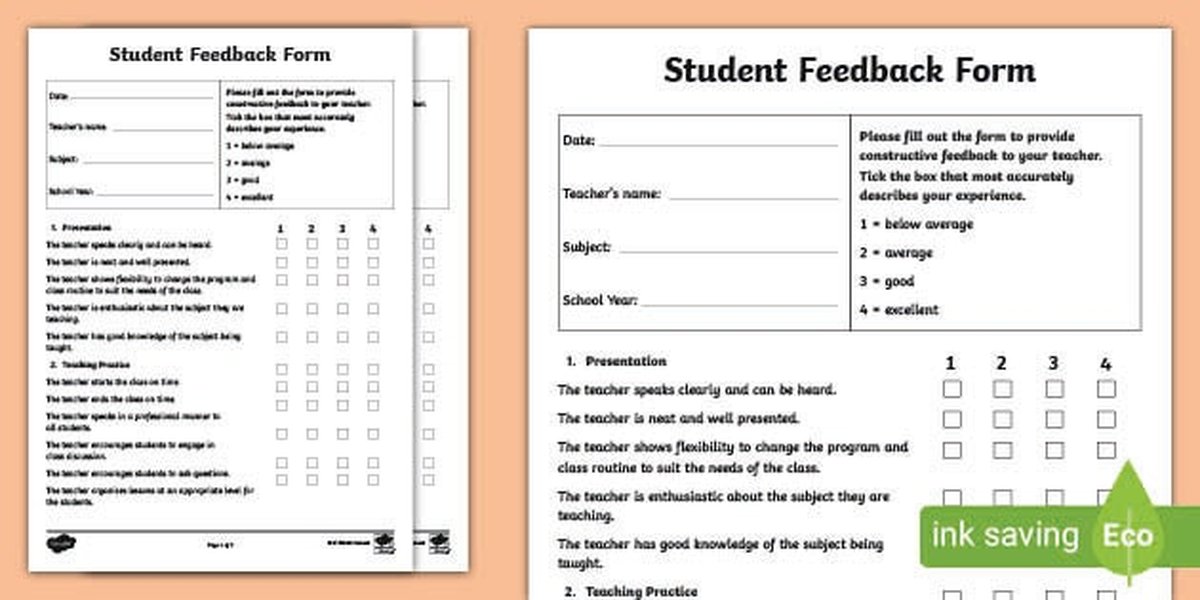
Structured feedback forms represent one approach to standardizing CF, often reflecting institutional policies.

Educational settings in Chile, like this one in Valparaíso, provide the backdrop for these policy and practice dynamics.
These visuals underscore the human element within the system – the students engaging with material, the teachers facilitating learning, and the tools they use. The challenge lies in ensuring that institutional structures and policies support, rather than hinder, the effective pedagogical interactions needed for successful language acquisition, particularly in the demanding context of technical and vocational training where practical communication skills are paramount.
Perspectives from the Field: EFL in Chile
Understanding the broader context of EFL teaching in Chile can provide valuable insights. The following video discusses challenges related to precariousness and interculturality in multicultural EFL classrooms in Chile. While not focused specifically on technical institutions or corrective feedback, it touches upon systemic issues and teacher experiences that likely resonate with the pressures and complexities faced by EFL educators across different sectors in the country, influencing factors like autonomy and classroom practice.
Exploring themes like interculturality and potential job precariousness highlights the socio-economic and cultural factors that can indirectly impact teaching conditions, teacher motivation, and potentially their capacity or willingness to engage deeply with time-consuming practices like personalized corrective feedback, especially when facing pressures from institutional policies or standardized testing.
Frequently Asked Questions (FAQ)
What exactly is Corrective Feedback (CF) in language learning?
Corrective Feedback refers to any response a teacher (or peer, or even a digital tool) provides to a learner concerning an error they have made in their use of the target language (in this case, English). The goal of CF is to help the learner notice the gap between their current language production and the correct form or usage, ultimately leading to improvement in accuracy. CF can take many forms, including:
- Explicit Correction: Clearly indicating an error occurred and providing the correct form (e.g., "No, we say 'went,' not 'goed.'").
- Recasts: Reformulating the learner's incorrect utterance correctly, without explicitly pointing out the error (e.g., Learner: "I goed home." Teacher: "Oh, you went home?").
- Clarification Requests: Indicating the message was unclear, prompting the learner to self-correct (e.g., "Sorry, what did you say you did?").
- Metalinguistic Feedback: Providing comments or questions about the grammatical rule related to the error (e.g., "What's the past tense of 'go'?").
- Elicitation: Prompting the learner to complete the teacher's utterance or provide the correct form (e.g., "You...?").
- Repetition: Repeating the learner's error with adjusted intonation to highlight it.
- Written Feedback: Providing corrections, comments, or codes on written work.
The effectiveness of different CF types can depend on factors like learner proficiency, context, error type, and learner preferences.
Why is teacher autonomy considered important in this context?
Teacher autonomy refers to the level of independence and professional judgment teachers have in making decisions about their teaching practices, including curriculum interpretation, instructional methods, assessment, and, crucially, corrective feedback strategies. It's considered important for several reasons:
- Responsiveness: Autonomy allows teachers to tailor their feedback and teaching methods to the specific, immediate needs of their students and the particular classroom context, which standardized policies often cannot account for.
- Professionalism: Granting autonomy respects teachers' expertise, training, and experience, fostering a sense of professionalism and ownership over their work.
- Motivation and Job Satisfaction: Teachers who feel trusted and empowered to make pedagogical decisions tend to have higher morale, motivation, and job satisfaction, which can positively impact teaching quality.
- Innovation: Autonomy can encourage teachers to experiment with new techniques and approaches, including innovative ways of providing feedback, potentially leading to better student outcomes.
- Effective CF: Decisions about *when*, *how*, and *what* errors to correct are complex. Autonomy allows teachers to make these sensitive judgments based on their understanding of individual students' learning processes and affective states.
However, autonomy is often balanced against the need for consistency, accountability, and adherence to broader educational goals set by institutions and policies. The tension between autonomy and standardization is a central theme in this research area.
How can digital tools like automated grammar checkers impact learning beyond just correcting errors?
While the primary function of automated grammar checkers is error detection and correction, their impact can extend further, both positively and potentially negatively:
- Increased Awareness: Consistent highlighting of certain error types can help learners become more aware of their recurring mistakes.
- Immediate Feedback: Instant feedback allows learners to potentially correct errors during the writing process, rather than waiting for teacher feedback.
- Learner Autonomy (Potential): Some learners might feel empowered to check and revise their work independently before submission.
- Focus Shift: By handling lower-order concerns (grammar, spelling), these tools might allow learners (and teachers) to focus more on higher-order aspects like content, argumentation, and style.
- Over-Reliance Risk: Learners might become overly dependent on the tool and fail to internalize grammar rules, simply accepting corrections without understanding them ("clicking accept").
- Accuracy Limitations: Automated tools are not perfect; they can miss errors, flag correct usage as incorrect (especially complex or nuanced language), or offer awkward suggestions.
- Reduced Interaction: As discussed, reliance on these tools might decrease opportunities for valuable teacher-student interaction around errors, including oral negotiation and clarification.
- Homogenization of Writing: Over-reliance might lead to writing that conforms to the tool's suggestions, potentially stifling individual voice or creative expression.
Therefore, while potentially useful, automated tools are best seen as supplements, not replacements, for teacher feedback and instruction that fosters deeper understanding.
References
- The role of institutional policy in English language teacher autonomy in Chile - SAGE Journals
- Teachers' beliefs and practices about oral corrective feedback in university EFL classes - ResearchGate
- TVET policy reforms in Chile 2006–2018: between human capital and redistributive purposes - Taylor & Francis Online
-
Teacher Training in Chile: Where Are Universities Looking? - PMC NCBI
- Perspectives of Chilean Young Learners of English Regarding Oral Corrective Feedback - HOW Journal Colombia
- Oral Corrective Feedback Strategies in EFL: A Pilot Study in Chilean Classrooms - ResearchGate
- An overview of Chilean EFL pre-service teachers’ teaching strategies - Pensamiento Educativo
Recommended Reading
Last updated April 11, 2025