
Unpacking the Dynamics: How Policy and Autonomy Shape English Feedback in Chilean Vocational Schools
Exploring the interplay between institutional rules, teacher freedom, and corrective feedback practices in Chilean EFL technical education.
The landscape of English as a Foreign Language (EFL) education in Chile, particularly within technical and vocational institutions, presents a fascinating case study. It's a field where national educational goals, institutional directives, teacher independence, and specific classroom techniques like corrective feedback (CF) intersect and often collide. Understanding this dynamic is crucial for improving teaching effectiveness and student learning outcomes in a context where English proficiency is increasingly valued for economic competitiveness.
Key Insights
- Institutional policies heavily influence CF practices: National curricula, standardized testing, and specific programs significantly shape how teachers correct student errors, often prioritizing uniformity over tailored feedback.
- Teacher autonomy in CF is limited: While teachers value independence in their pedagogical choices, systemic constraints often restrict their ability to fully control how and when they provide corrective feedback.
- Corrective feedback is a central, yet complex, element: CF is recognized as vital for language acquisition, but its implementation varies based on teacher training, beliefs, institutional pressures, and the specific needs of vocational students.
The Weight of Policy: How Institutional Frameworks Mold Corrective Feedback
Institutional policies within the Chilean education system cast a long shadow over EFL classrooms, profoundly influencing how teachers approach corrective feedback. English holds a unique position as the sole compulsory foreign language in the national curriculum, mandated from the fifth grade and increasingly introduced earlier. This national emphasis translates into specific directives that impact daily teaching.
Curriculum Mandates and Standardization
National educational policies, including initiatives like the "English Opens Doors Programme," aim to standardize English instruction to boost Chile's global economic standing and ensure educational equity. These programs often come with prescribed national curricula and state-financed textbooks. This standardization, while potentially beneficial for consistency, directly limits teachers' flexibility in adapting CF strategies to their specific students or classroom contexts. Teachers report that adherence to these mandates, often focused on competency-based models and measurable outcomes aligned with standardized tests, pressures them to adopt specific CF methods that fit the system, sometimes at the expense of pedagogically sound, individualized feedback.
Impact of Standardized Testing
Standardized testing is a significant driver of classroom practice. The need to prepare students for these assessments often dictates teaching priorities, including the type and frequency of corrective feedback. Teachers may feel compelled to focus CF on errors most likely to be penalized in tests, potentially neglecting other aspects of language development or communicative competence. This focus on quantifiable results can steer CF practices away from fostering deeper learning or learner autonomy towards more superficial error correction.
Influence on Teaching Methodologies (e.g., TBLT)
Even when progressive methodologies like Task-Based Language Teaching (TBLT) are encouraged, institutional policies shape their implementation. In Chile, TBLT might be implemented with a focus on structured interactions that align with curriculum goals, but teachers find that policy constraints limit their ability to provide spontaneous or tailored CF during task completion. This suggests that policies can sometimes hinder the effective application of pedagogical approaches they ostensibly support.
Role of Professional Development
Professional Development (PD) programs play a role in shaping teachers' beliefs and practices regarding CF. Studies show that PD can influence teachers towards evidence-based CF strategies (like delayed or indirect feedback). However, these programs themselves are often aligned with broader institutional policies emphasizing accountability and national standards. Consequently, the training might reinforce CF approaches that align with policy priorities rather than necessarily empowering teachers with a wider range of contextually adaptable strategies.
The Scope of Freedom: Teacher Autonomy in Corrective Feedback Decisions
Teacher autonomy – the capacity for educators to make independent, informed decisions about their teaching practices – is a critical factor in effective pedagogy. In the context of CF, autonomy allows teachers to choose when, how, what, and why to correct student errors based on their professional judgment, student needs, and classroom dynamics. However, research indicates that EFL teachers in Chilean technical and vocational institutions perceive their autonomy in CF decisions as significantly constrained.
Perceived vs. Actual Autonomy
While Chilean EFL teachers generally recognize the importance of autonomy and aspire to practice it, they often feel restricted by the systemic factors discussed earlier – curriculum mandates, testing pressures, and institutional guidelines. Studies exploring teachers' beliefs reveal a tension between their understanding of effective, autonomy-supportive CF (e.g., strategies promoting self-correction and learner independence) and the practical necessity of conforming to institutional expectations. This discrepancy suggests that perceived autonomy may be more limited than teachers would ideally prefer.
Factors Influencing Autonomy Perception
Several factors can influence how much autonomy teachers feel they possess:
- Experience and Training: More experienced teachers or those who have participated in specific PD programs might feel slightly more confident or equipped to navigate institutional constraints and exercise some degree of autonomy in their CF choices.
- Institutional Culture: The specific culture and leadership within a technical or vocational institution can also play a role. Some institutions might foster a more supportive environment for teacher initiative than others.
- Teacher Beliefs: A teacher's own pedagogical beliefs about language learning and the role of error correction inevitably shape their desire for and exercise of autonomy.
The Autonomy Dilemma in Teacher Education
The challenge of limited autonomy often begins during initial teacher education. Research on Chilean teacher training programs suggests that while they aim to develop reflective practitioners, preservice teachers often face contradictions between the theoretical ideals of autonomous teaching and the policy-driven realities they encounter during practicums. They may learn about various CF techniques but lack sufficient opportunities or perceived freedom to experiment with them in authentic classroom settings constrained by policy.
Navigating Corrective Feedback: Strategies and Challenges
Corrective feedback is universally acknowledged as a cornerstone of second language acquisition instruction. In Chilean EFL classrooms within technical and vocational settings, teachers employ various CF strategies to address errors in pronunciation, vocabulary, grammar, and content. However, the choice and effectiveness of these strategies are intertwined with the institutional policies and levels of teacher autonomy previously discussed.
Common CF Strategies
Research indicates Chilean EFL teachers utilize a range of CF techniques, including:
- Oral Corrective Feedback: This is a widely studied area. Strategies might include explicit correction, recasts (reformulating the student's utterance correctly), clarification requests, metalinguistic feedback (providing grammatical explanations), elicitation (prompting the student to self-correct), and repetition of the error.
- Written Corrective Feedback: Responding to errors in written work, potentially using direct correction, codes, or comments.
- Timing and Focus: Feedback can be immediate or delayed. Delayed feedback, particularly for oral production, is sometimes used to encourage self-correction and develop learner autonomy. The focus might be on specific error types dictated by curriculum goals or testing requirements.
Challenges in Implementation
Implementing CF effectively faces several hurdles:
- Policy Constraints: As highlighted, policies can limit the types of CF strategies teachers feel able to use.
- Time Pressures: Covering curriculum content and preparing for tests can leave limited time for in-depth, individualized feedback.
- Class Size: Large class sizes, common in some settings, make providing personalized feedback challenging.
- Student Factors: Student motivation, proficiency levels, and attitudes towards correction also influence CF effectiveness.
- Vocational Context: In technical institutions, CF might need specific tailoring to address language used in vocational or professional contexts, requiring teachers to balance general English correction with industry-specific language needs.
Mapping the Influences on Corrective Feedback
The following mindmap illustrates the complex web of factors influencing corrective feedback practices among EFL teachers in Chilean technical and vocational institutions. It highlights the central role of CF practices being shaped by the interplay between overarching institutional policies and the degree of teacher autonomy, further influenced by teacher training, beliefs, student characteristics, and the specific educational context.
(Recasts, Elicitation, Explicit Correction)"] ["Written CF Strategies"] ["Timing (Immediate vs. Delayed)"] ["Focus (Grammar, Pronunciation, Vocabulary, Content)"] ["Influencing Factors"] ["Teacher Training & Education"] ["Teacher Beliefs about L2 Learning"] ["Student Needs & Proficiency"] ["Classroom Context (Size, Resources)"] ["Vocational Focus"]
Comparing Influences on CF Practices
To visualize the relative impact of various factors on how EFL teachers implement corrective feedback in this context, consider the following radar chart. This chart represents a hypothetical assessment based on the synthesized research findings, suggesting that institutional policies and curriculum mandates often exert a stronger perceived influence than individual teacher autonomy or immediate student needs, although all factors play a role.
Challenges and Facilitators in Chilean EFL Feedback
The effective implementation of corrective feedback and the exercise of teacher autonomy face various obstacles but are also supported by certain enabling factors within the Chilean technical and vocational EFL context. This table summarizes key challenges and potential facilitators identified in the research.
| Factor Type | Challenges | Facilitators / Potential Solutions |
|---|---|---|
| Institutional Policies | - Rigid curriculum mandates - Overemphasis on standardized testing - Top-down policy implementation |
- Policies allowing more pedagogical flexibility - Assessment methods valuing communication over pure accuracy - Collaborative policy development involving teachers |
| Teacher Autonomy | - Limited decision-making power in CF - Contradiction between training ideals and practice - Pressure to conform to standardized methods |
- Supportive school leadership encouraging initiative - Professional development focused on adaptive CF strategies - Opportunities for peer collaboration and mentoring |
| Corrective Feedback | - Time constraints for individualized feedback - Large class sizes - Difficulty balancing general vs. vocational English needs - Aligning CF with learner readiness and preferences |
- Training in efficient and effective CF techniques (e.g., focused feedback, peer feedback) - Utilizing technology for feedback delivery - Clear institutional guidelines that support varied CF approaches - Fostering student feedback literacy |
| Teacher Education & PD | - Insufficient preparation for policy constraints - PD potentially reinforcing standardized approaches - Lack of focus on autonomy development |
- Teacher education bridging theory and constrained practice - PD programs emphasizing context-specific CF and teacher agency - Continuous learning communities for teachers |
Visualizing the Educational Context
The following images offer glimpses into educational settings in Chile, reflecting the environments where EFL teaching and learning take place. While not exclusively depicting technical or vocational institutions providing EFL instruction, they represent the broader context of Chilean education, teacher training, and international collaboration which influences the EFL landscape.
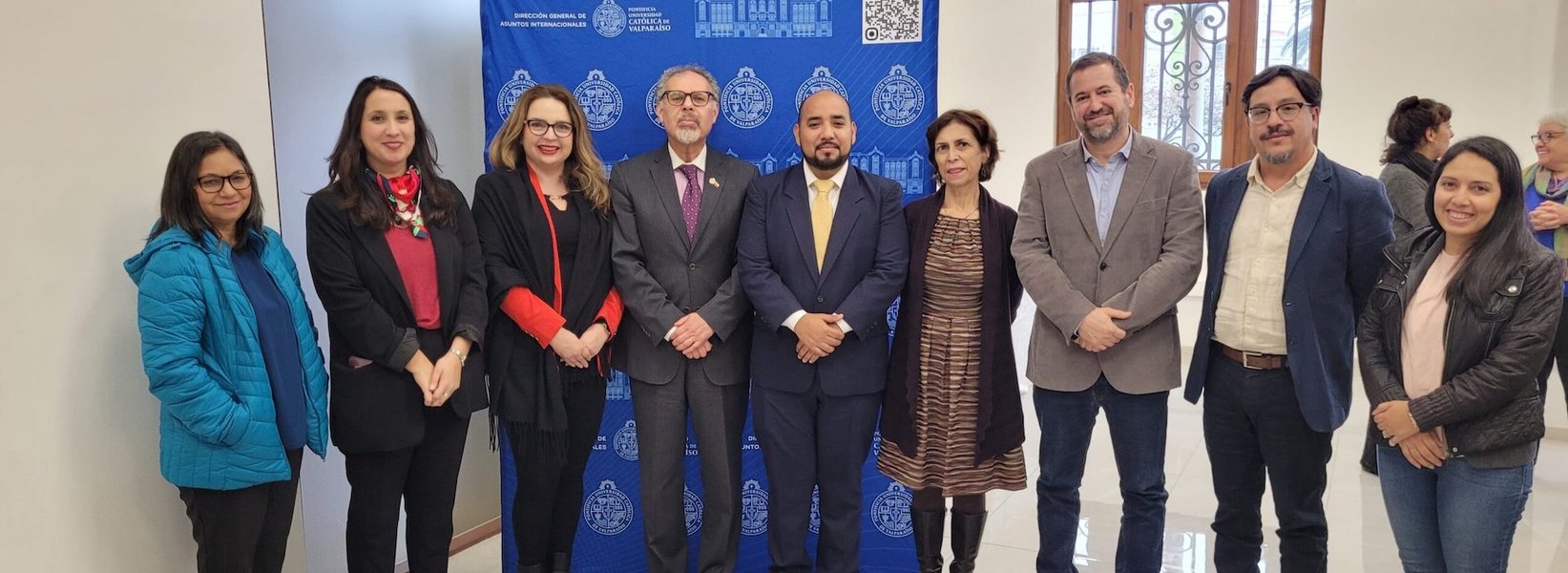
KIX LAC Technical Learning Visit involving Chilean educational organizations.
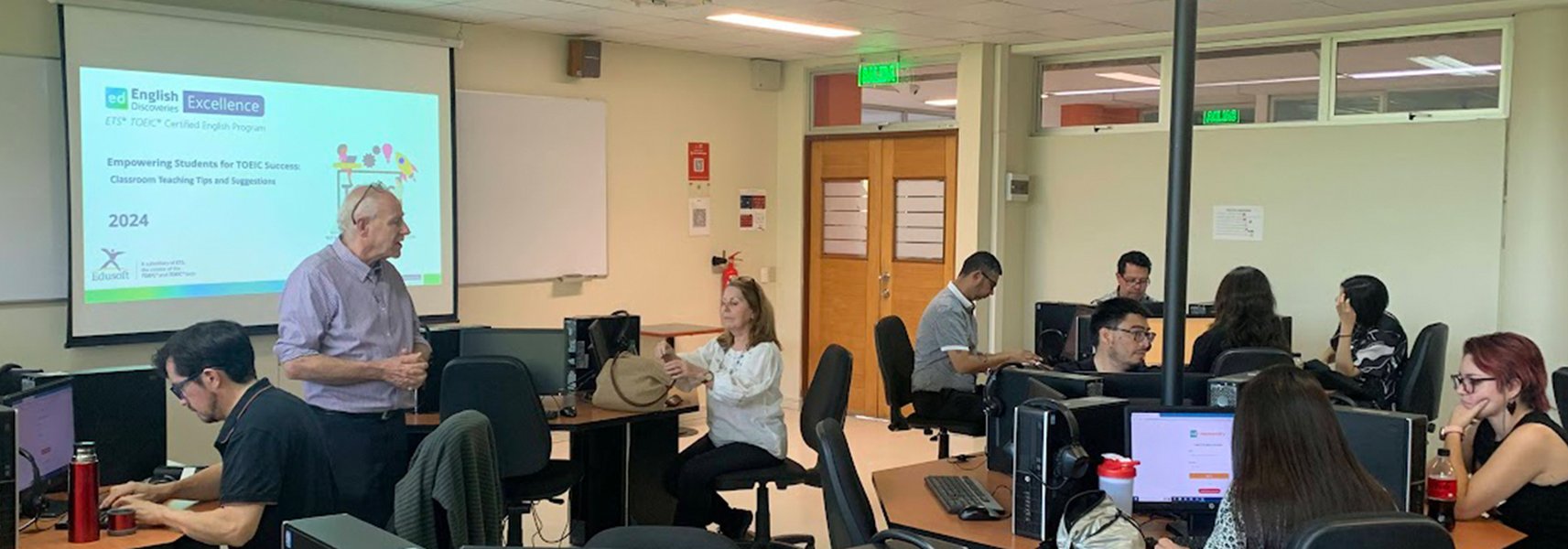
Professional development training provided at Chilean universities.
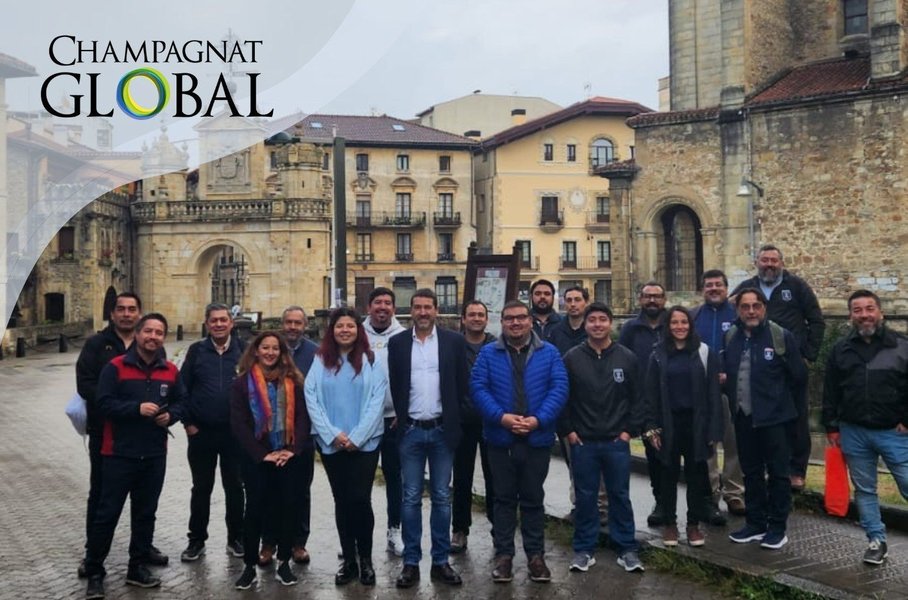
Maristas Chile visit related to vocational training (FP - Formación Profesional).
Understanding Teacher Autonomy
Teacher autonomy is a central theme in your research query. It refers to the professional independence teachers have in their classrooms – the ability to make choices about curriculum, teaching methods, assessment, and, crucially for your study, corrective feedback. This concept is vital because autonomy is often linked to teacher motivation, job satisfaction, professionalism, and the ability to tailor instruction effectively to student needs. However, as seen in the Chilean context, this autonomy often exists in tension with institutional controls and policies. The video below provides a general explanation of teacher autonomy and its importance in education, offering valuable background for understanding its specific role in EFL and CF practices.
Frequently Asked Questions (FAQ)
What exactly is Corrective Feedback (CF) in EFL?
Corrective Feedback refers to the responses teachers (or peers) give to learners concerning errors in their use of the target language (English, in this case). This feedback can be oral or written, explicit (clearly stating an error occurred) or implicit (reformulating the utterance correctly without direct correction), immediate or delayed. Its main goal is to help learners notice the gap between their current language production and target language norms, facilitating language acquisition.
Why is teacher autonomy considered important in providing CF?
Teacher autonomy allows educators to make informed decisions about CF based on their professional expertise and the specific context of their classroom. This includes considering individual student needs, proficiency levels, learning styles, the nature of the error, and the pedagogical goals of a particular activity. When teachers have autonomy, they can choose the most appropriate type and timing of feedback, rather than applying a one-size-fits-all approach mandated by policy, potentially leading to more effective learning and fostering student self-regulation.
How do standardized tests specifically influence CF practices?
Standardized tests often pressure teachers to prioritize correcting errors that are explicitly measured by the test (e.g., specific grammatical structures, vocabulary items). This phenomenon, known as "teaching to the test," can lead to CF practices that focus narrowly on testable items, potentially neglecting broader communicative competence or other important language skills. Teachers might feel they have less time or justification for providing feedback on aspects of language use not directly assessed by standardized evaluations.
Are there differences in CF practices between general EFL and EFL in technical/vocational institutions?
Yes, potentially. While core principles of CF apply across contexts, EFL in technical and vocational settings often has a specific focus on English for Specific Purposes (ESP) or English for Occupational Purposes (EOP). This means CF might need to address not only general language accuracy but also the appropriate use of technical vocabulary, professional communication norms, and language relevant to specific trades or industries. Teachers may need (and ideally have the autonomy) to tailor their feedback to these specific vocational contexts, which might differ from the focus in general English classes.
References
-
Exploring Chilean EFL teachers’ beliefs and practices in learner autonomy - TeachingEnglish | British Council
-
The impact of a professional development program on EFL teachers’ beliefs about corrective feedback - ScienceDirect
- (PDF) Oral Corrective Feedback Strategies in EFL. A Pilot Study in Chilean Classrooms - ResearchGate
-
Teacher Training in Chile: Where Are Universities Looking? A Systematic Review - NCBI
- Struggling for Change in Chilean EFL Teacher Education - ResearchGate
- Factors influencing EFL teachers’ provision of oral corrective feedback: the interplay between individual differences and institutional policies - Taylor & Francis Online
Recommended Reading
Last updated April 11, 2025