
Exploring Sustainable Paint Solutions: Eggshell Powder & Gumamela Extract
Innovative Natural Materials for Eco-Friendly Paint Formulations
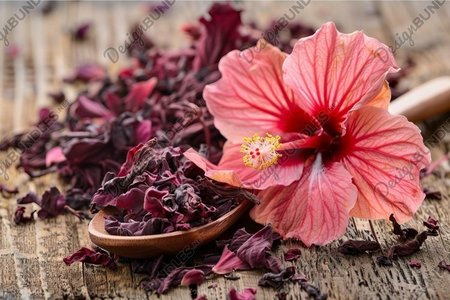
Key Highlights
- Eco-Friendly Innovation: Utilizing waste eggshells and naturally pigmented Gumamela petals reduces reliance on synthetic chemicals.
- Sustainable Methodology: Detailed procedures ensure reproducibility and extensive testing for durability, color, and texture.
- Comprehensive Analysis: Research covers background, hypotheses, detailed methods, and systematic evaluation of the developed paint.
Background of the Study
The excessive use of synthetic paints in various industries has led to serious environmental and health concerns, including the emission of volatile organic compounds (VOCs) and other harmful chemicals, which adversely affect both ecosystems and human well-being. The pursuit of greener solutions has increased interest in alternative materials that become sustainable, non-toxic, and cost-effective substitutes. This study advances the exploration within the realm of environmentally friendly materials by investigating the feasibility of developing paint formulations using eggshell powder and Gumamela (Hibiscus) petals extract.
Eggshells, commonly regarded as waste, are predominantly composed of calcium carbonate and have excellent potential as a filler and thickening agent in paint formulations. Their natural abundance and beneficial physical properties make them an attractive candidate for such applications, promoting waste reduction and recycling.
In parallel, the vibrant hues present in Gumamela (Hibiscus) petals are attributed to naturally occurring pigments such as anthocyanins. These pigments have been used historically in dyeing textiles and for various forms of natural coloration. By extracting these pigments, the study seeks to leverage their inherent color properties to develop a natural, less toxic alternative to conventional synthetic colorants.
The integration of these two natural materials is aimed at establishing a novel, sustainable approach to paint production that not only addresses environmental concerns but also capitalizes on readily available resources. The research will assess the chemical and physical properties of the resulting blend, exploring its performance in terms of color integrity, texture, durability, and overall acceptability compared to conventional paints.
Hypotheses
Primary Hypotheses
The research is driven by the following primary hypotheses:
- Hypothesis 1: Eggshell powder, when used as a filler in the paint formulation, will enhance the texture and durability of the paint while offering a sustainable alternative to synthetic fillers.
- Hypothesis 2: The pigment extracted from Gumamela petals will impart vibrant, naturally derived hues that achieve a level of brightness and color stability comparable to, or exceeding, that of conventional synthetic pigments.
- Hypothesis 3: The composite paint developed from the combination of eggshell powder and Gumamela extract will exhibit environmental benefits by reducing VOC emissions and chemical waste, while maintaining acceptable physical properties such as adhesion, drying time, and overall surface finish.
Secondary Hypotheses
Further examination of the paint’s properties under varied conditions will also test the following secondary hypotheses:
- Hypothesis 4: The alternative paint will maintain its colorfastness and resistance to fading under exposure to natural sunlight and varying atmospheric conditions.
- Hypothesis 5: Sensory evaluations, including texture, smell, and the general appeal of the paint, will demonstrate that the eco-friendly paint is comparable to traditional chemical-based paints.
Methods and Procedure
Materials and Reagents
The preparation of the alternative paint requires a well-defined set of natural and conventional materials. The following resources will be used:
- Eggshells: Collected from domestic sources, with care taken to thoroughly clean and decontaminate them, ensuring removal of membranes before processing.
- Gumamela (Hibiscus) Petals: Fresh or dried petals sourced from local gardens or markets, selected for their intense natural coloration.
- Binders: Natural binders, such as gum arabic or all-purpose flour, supplemented with water, provide the necessary adhesive properties in the paint.
- Solvents and Extracting Agents: Water or ethanol will be used in the extraction of pigments from Gumamela petals.
- Additional Additives: Salt may be used as a preservative during the paint formation process.
Step-by-Step Procedures
1. Preparation of Eggshell Powder
a. Collection and Cleaning: Gather eggshells, ensuring all remnants of the inner membrane are carefully removed. Wash the shells thoroughly to remove any residual organic matter or contaminants.
b. Drying: Air-dry or oven-dry the cleaned eggshells at a controlled temperature to eliminate moisture.
c. Grinding: Use a grinder, mortar and pestle, or mechanical milling device to grind the dried eggshells into a very fine, uniform powder. Sieve the powder to remove coarse particles.
2. Extraction of Gumamela (Hibiscus) Petals Pigment
a. Petal Selection and Preparation: Select high-quality, vibrant petals. If using dried petals, ensure they are free of moisture. If fresh, gently wash and pat dry.
b. Extraction Process: Place the petals in a container with a solvent (water or ethanol) and heat gently (boiling for approximately 30 minutes) to extract the pigments. Alternatively, for a cold extraction method, allow the petals to steep in the solvent for several hours.
c. Filtration: After sufficient extraction, filter the liquid to remove solid residues, yielding a clear pigment extract.
3. Formulation of the Alternative Paint
a. Mixture Preparation: Combine the eggshell powder with the chosen binder in a mixing bowl. Typical binder choices include natural gum arabic or an all-purpose flour solution, prepared by mixing flour and water.
b. Incorporation of Pigment: Gradually blend the filtered Gumamela pigment extract into the eggshell and binder mixture. Adjust the proportion to achieve the desired color intensity and consistency.
c. Homogenization: Stir the mixture thoroughly to ensure even distribution of both the eggshell particles and the natural pigment. Add a small amount of salt if needed to enhance preservation.
4. Development of a Control Sample
a. Control Formulation: Prepare a control paint using conventional synthetic pigments and binders. This is essential for comparative testing across various performance metrics.
5. Application and Testing Procedures
After formulation, the paint samples (both alternative and control) will be applied on multiple substrate types such as paper, wood, and canvas. The following tests will then be conducted:
- Color Analysis: Employ colorimetry and spectrophotometry to quantitatively evaluate the hue, saturation, and brightness of the painted surfaces.
- Durability Tests: Subject the surfaces to accelerated weathering, including exposure to UV light, moisture, and varying temperature cycles, to assess paint adhesion, resistance to peeling, cracking, and overall wear over time.
- Sensory Evaluation: Conduct panel tests to assess the texture, smell, and tactile feel of the paint. Participants will score these aspects on standardized rating scales to provide subjective evaluation data.
Data Collection and Analysis
All experimental data will be meticulously recorded during the testing phase. The following strategies will be used for data analysis:
- Comparative Statistics: Statistical tests such as ANOVA will be applied to compare performance metrics between the alternative and control paints, analyzing variance in color stability, durability, and sensory evaluation scores.
- Correlation Analysis: Explore correlations between the concentration of eggshell powder or Gumamela extract and the resulting properties of the finished paint. This helps optimize the ratios for best performance.
- Visual Documentation: High-resolution photographs documenting the paint applications over time will complement the quantitative data, aiding in a comprehensive understanding of the performance differences.
Synthesis Table: Research Procedure Overview
| Phase | Steps Involved | Key Considerations |
|---|---|---|
| Material Preparation |
|
|
| Extraction & Processing |
|
|
| Paint Formulation |
|
|
| Application & Testing |
|
|
| Data Analysis |
|
|
References
- Euclid Ferrer Jan Iverson - Scribd
- Effectiveness of Gumamela Hibiscus - PDFCoffee
- Making Paint with Eggshells - Ashley Gerst
- Natural Pigment from Hibiscus Leaves - ResearchGate
- Making a Simple Paint - RSC Education
Recommended Queries for Further Exploration
 vanessamontenegro.blogspot.com
Last updated March 26, 2025