
Unlocking Community Power: How 'Fight for the First' Champions the Right to Read
Discover the multifaceted strategy EveryLibrary uses to empower local efforts against book censorship and defend intellectual freedom.
EveryLibrary's "Fight for the First" initiative stands as a crucial bulwark against the rising tide of book bans and censorship attempts targeting public and school libraries across the nation. Launched in 2023, this platform provides a comprehensive suite of tools, resources, and expert support designed to empower local communities, parents, educators, librarians, and concerned citizens to effectively organize, advocate, and win against these challenges. The initiative focuses on transforming local outrage and concern into structured, impactful action to protect intellectual freedom and ensure access to diverse collections for all readers.
Key Highlights: Empowering Action Against Censorship
- Comprehensive Support System: "Fight for the First" offers a blend of digital organizing tools, pro-bono expert consultation, financial assistance for campaigns, and extensive educational resources to equip communities.
- Grassroots Mobilization: The initiative excels at helping local stakeholders form coalitions, launch petitions, and run targeted advocacy campaigns, effectively turning concern into organized resistance.
- Proactive and Reactive Strategies: Beyond reacting to existing book bans, the platform aids communities in proactively organizing to prevent censorship and protect their libraries from political interference.
The Arsenal Against Book Bans: How "Fight for the First" Operates
The "Fight for the First" initiative employs a multi-pronged approach to assist communities. It’s not merely a petition site but a dynamic ecosystem for activism, providing the necessary infrastructure for effective anti-censorship campaigns.
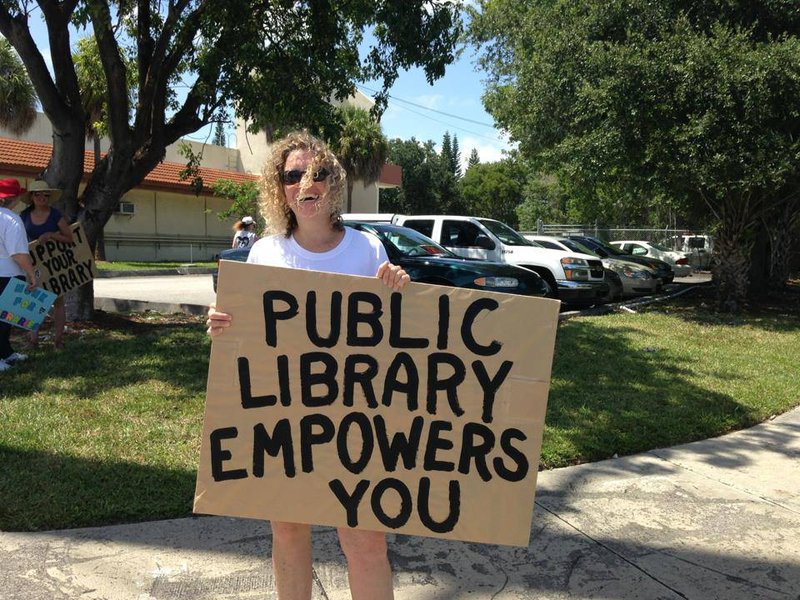
An activist advocating for library support, emblematic of the grassroots efforts fostered by "Fight for the First."
Digital Tools and Platforms for Seamless Organizing
"Fight for the First" provides a robust digital infrastructure that allows local groups to quickly establish and manage their campaigns. This is crucial for mobilizing support and coordinating efforts efficiently.
Campaign Hubs and Petitions
Users can create dedicated campaign websites and online petitions. These tools are instrumental in:
- Rallying community members and collecting signatures.
- Gathering contact information for supporters who wish to get involved.
- Disseminating information about local issues and calls to action.
- Targeting decision-makers such as school boards, library trustees, and legislators.
This digital backbone streamlines the process of building a supporter network and allows for real-time tracking of engagement, ensuring campaigns can adapt and grow.
Social Media and Outreach Kits
The initiative provides social media engagement tools and templates for letters, emails, and public statements. This helps campaigns maintain a consistent and powerful message across various platforms, amplifying their reach and impact.
Expert Guidance and Pro-Bono Consulting
EveryLibrary offers invaluable expert consultation to local activists at no cost. This direct support from experienced organizers can make a significant difference in the success of a campaign.
Strategic Campaign Support
Guidance includes:
- Campaign Strategy: Developing effective plans to address specific local challenges.
- Messaging: Crafting compelling narratives that resonate with the community and media.
- Digital Advertising: Optimizing online ads to reach target audiences.
- Social Media Outreach: Leveraging social platforms for maximum engagement.
- Fundraising: Advice on securing resources for campaign activities.
- Navigating Legalities: Understanding the legal landscape surrounding book challenges and First Amendment rights.
This pro-bono coaching ensures that even volunteer-led groups can benefit from professional-level strategic thinking, particularly important when library staff themselves may be restricted from direct advocacy.
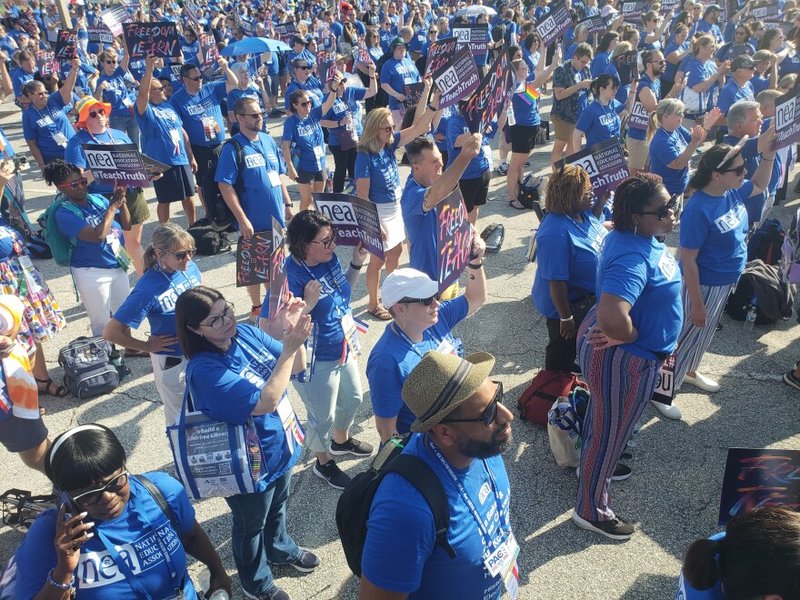
Educators and community members rally against book bans, a common sight in campaigns supported by "Fight for the First."
Financial Support to Amplify Local Voices
Recognizing that financial constraints can hinder grassroots efforts, "Fight for the First" provides direct monetary support to local campaigns.
Campaign Budgets and Digital Ad Support
Each campaign supported through the initiative can receive a budget, typically ranging from $250 to $1,000. This funding is often allocated for:
- Local advertising to raise awareness.
- Materials for rallies and community events.
- Digital ad support to amplify their message online and reach a broader audience.
This financial injection helps level the playing field, allowing local groups to effectively counter often well-funded pro-censorship efforts.
Comprehensive Resources and Educational Initiatives
"Fight for the First" equips communities with a wealth of information and training materials, empowering them with the knowledge needed to advocate effectively.
Toolkits, Policy Examples, and Webinars
The platform offers:
- Anti-Censorship Toolkits: "Playbooks" and guides tailored to specific challenges, including resources developed in partnership with organizations like GLAAD to address bans on LGBTQ+ literature.
- Policy Examples: Models for strong library policies that protect intellectual freedom.
- Educational Webinars and Training Series: Sessions covering the history of book bans, legal considerations, counter-speech tactics, and effective advocacy. These often feature experts, authors, and seasoned activists.
- Data and Research: Access to up-to-date information on book challenges and bans, like EveryLibrary's banned book database, enabling evidence-based advocacy.
Visualizing the Fight: Core Components of the Initiative
The "Fight for the First" initiative is built upon several interconnected pillars, each contributing to its overall effectiveness in empowering communities. The mindmap below illustrates these key components and their relationships.
Fundraising
Legal Navigation)"] id1b3["Advocacy Training"] id1c["Resources & Education"] id1c1["Toolkits & Policy Examples"] id1c2["Webinars & Workshops"] id1c3["Data on Book Challenges"] id1d["Financial Assistance"] id1d1["Digital Ad Support Grants"] id1d2["Campaign Funding ($250-$1000)"] id1e["Community Empowerment & Mobilization"] id1e1["Building Local Alliances"] id1e2["Networking Activists Nationwide"] id1e3["Amplifying Impacted Voices"] id1f["Proactive Defense Strategies"] id1f1["Preventing Bans Before They Occur"] id1f2["Policy Advocacy Support"]
This mindmap highlights how "Fight for the First" integrates various support mechanisms—from digital tools for immediate action to long-term educational resources—to create a comprehensive defense against censorship.
Assessing the Impact: Strengths of "Fight for the First"
The "Fight for the First" initiative's multifaceted approach yields varying levels of impact across its core service areas. The radar chart below offers a visual representation of the perceived strengths and effectiveness of these components, based on common feedback and reported outcomes. This is an illustrative analysis rather than a direct data representation.
This chart suggests that the initiative's expert guidance and community mobilization capabilities are highly regarded, with digital tools also being very effective. While direct funding has a positive impact, its scale might be perceived as more modest compared to the depth of strategic support. Proactive strategy support, while valuable, might be an area with potential for further growth in awareness or application by newer groups.
Community Empowerment and Proactive Defense
"Fight for the First" is dedicated to building strong, resilient local movements capable of sustained advocacy.
Building Local Alliances and Networks
A core strategy is to help communities launch local "Library Alliances" or "Education Coalitions." These groups bring together diverse stakeholders – parents, students, educators, librarians, and other residents – to form a united front against censorship. The initiative also connects activists nationwide, fostering a network for sharing best practices, successes, and support. This collaborative approach ensures that communities don't have to "reinvent the wheel" and can learn from the experiences of others.
Centering Impacted Voices and Proactive Preparation
The initiative emphasizes identifying and centering the voices of locally impacted stakeholders, ensuring their needs and rights are at the forefront of advocacy efforts. This personal dimension is critical in humanizing the fight against book bans and swaying public opinion.
Furthermore, "Fight for the First" encourages communities to move beyond reactive responses. It provides tools and guidance for proactive organizing, helping groups to build coalitions and lay the groundwork to prevent book bans before they materialize. This includes advocating for strong collection development policies and preparing for potential censorship challenges.
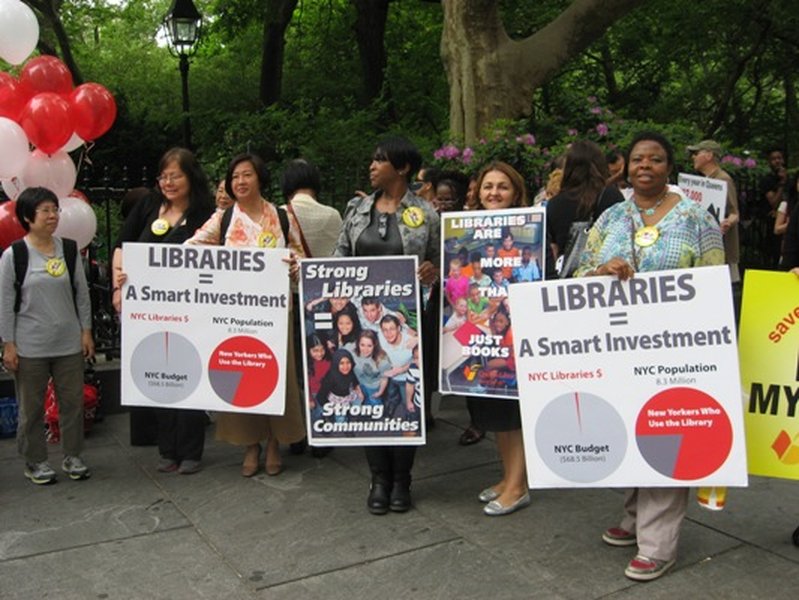
Community members gather to support their libraries, a testament to the mobilizing power of initiatives like "Fight for the First."
A Closer Look: Support Mechanisms in Action
The following table summarizes the key support categories offered by "Fight for the First" and their direct impact on helping communities combat book bans:
| Support Category | Specific Offerings | Impact on Combating Book Bans |
|---|---|---|
| Digital Tools & Platforms | Campaign websites, online petition tools, social media engagement kits, voter file access. | Streamlines organizing, mobilizes supporters efficiently, amplifies local voices, and enables targeted outreach. |
| Expert Consultation & Guidance | Pro-bono coaching on campaign strategy, messaging, fundraising, legal considerations, and media outreach. | Empowers local groups with professional-level guidance, enhances campaign effectiveness and sustainability. |
| Financial Assistance | Grants for digital advertising (e.g., $250-$1000 per campaign), funding for local advertising and activism materials. | Increases campaign visibility, enables broader reach to potential supporters, and helps counter well-funded opposition. |
| Educational Resources & Training | Toolkits, policy examples, research data on book bans, webinars, and training sessions on advocacy and counter-speech. | Equips activists with essential knowledge and skills, informs strategies with evidence-based practices, and builds capacity. |
| Community Building & Networking | Facilitation of local Library Alliances/Education Coalitions, connecting activists nationwide, sharing best practices. | Strengthens grassroots movements, fosters collaboration and shared learning, and builds a resilient network of advocates. |
| Proactive Defense & Policy | Guidance on building coalitions, preparing for potential censorship efforts, and advocating for strong library policies. | Allows communities to preemptively address and mitigate threats to intellectual freedom, fostering long-term protection. |
This structured support system has proven effective, with EveryLibrary reporting assistance to over 125 communities and nine statewide organizations in opposing book bans. Success stories include turning around book bans in places like Glen Ridge, NJ, Forsyth County (GA) Schools, and Douglas County, CO.
Insights from the Front Lines: EveryLibrary in Action
To further understand the practical application and spirit behind the "Fight for the First" initiative, the following video features a discussion with EveryLibrary's Executive Director, John Chrastka. It delves into the challenges of censorship and the strategies employed to combat it, offering valuable perspectives on the ongoing efforts to protect intellectual freedom.
"Trouble in Censorville" Panel - EveryLibrary Live! featuring John Chrastka discussing strategies against censorship.
This panel provides context on how "Fight for the First" operates within the broader landscape of anti-censorship advocacy, highlighting the importance of community involvement and strategic action. The discussion underscores the initiative's role in providing practical tools and guidance to those on the ground defending the right to read.
Frequently Asked Questions (FAQ)
What is the main goal of 'Fight for the First'? ▼
The primary goal of "Fight for the First" is to empower local communities to effectively combat book bans and censorship attempts in their schools and public libraries. It aims to protect First Amendment rights, ensure access to diverse information, and support intellectual freedom by providing tools, resources, funding, and expert guidance for grassroots activism.
Who can use the 'Fight for the First' platform? ▼
The platform is designed for any individual or group concerned about book bans and censorship. This includes parents, students, educators, librarians, local activists, and community organizations who want to organize, advocate, and take action to defend their libraries and the right to read.
Is there a cost to use 'Fight for the First' resources? ▼
No, the digital tools, experienced guidance, and anti-book ban resources provided through "Fight for the First" are generally free for communities and local groups. EveryLibrary aims to remove financial barriers to effective advocacy.
How does 'Fight for the First' help with fundraising for local campaigns? ▼
While "Fight for the First" provides some direct financial support like digital ad grants (typically $250-$1000 per campaign), it also offers pro-bono coaching on fundraising strategies. This guidance helps local campaigns develop their own sustainable funding models to support their activism beyond the initial seed money.
What kind of digital tools does 'Fight for the First' provide? ▼
"Fight for the First" offers a suite of digital organizing tools, including platforms for launching local campaign websites, creating and managing online petitions, tools for social media engagement, and access to voter data files for targeted outreach. These resources are designed to help groups quickly mobilize and coordinate their efforts.
Recommended Further Exploration
- What are some successful examples of communities fighting book bans with 'Fight for the First'?
- How does 'Fight for the First' address challenges to books by specific authors or about specific topics like LGBTQ+ issues?
- What role does data and research play in 'Fight for the First' strategies against book censorship?
- How can individuals get involved with EveryLibrary's broader mission beyond the 'Fight for the First' initiative?
References
Last updated May 16, 2025