
Background of the Study: Facebook as an Influential Factor on Student Behavior in Class
An in-depth exploration of how social media, specifically Facebook, affects academic environments
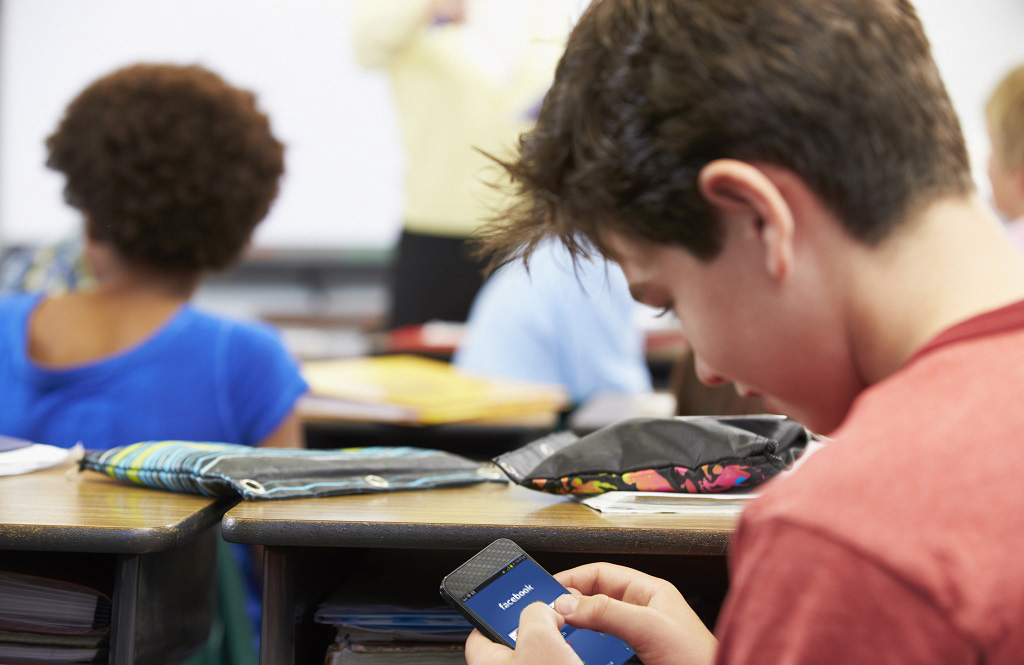
Key Highlights
- Enhanced Communication: Facebook facilitates instant interaction among students and educators, creating opportunities for collaborative learning and community building.
- Dual Nature of Influence: While Facebook supports engagement and resource sharing, its excessive use is linked to distractions, reduced attention spans, and negative impacts on mental health.
- Balanced Educational Strategies: Recognizing both the educational advantages and challenges associated with Facebook use is critical for developing policies that enhance academic behavior while mitigating risks.
Introduction
In today’s digital era, social media platforms have woven themselves into the fabric of daily life, particularly among students who are often at the forefront of technological adaptation. Facebook, one of the pioneering social media platforms, has evolved from being a mere social connector to a tool that can influence academic life and classroom dynamics significantly. This background of the study seeks to explore how Facebook, as a social media platform, serves as an influential factor in shaping student behavior in class, affecting both academic performance and social interactions.
The advent of digital technologies and online platforms has transformed traditional educational environments. Students, often referred to as "digital natives," navigate a world where instant communication, content sharing, and virtual collaboration are integral parts of their learning processes. Facebook plays a pivotal role in this transformation, being utilized in academic settings for sharing study materials, receiving feedback, and even managing group projects. However, this integration is not without challenges. Questions arise about the extent to which Facebook’s pervasive use distracts students during instructional time, potentially leading to decreased focus, diminished academic performance, and altered classroom behavior.
Context and Rationale
The rationale behind this study is rooted in the need to understand the multifaceted impact of Facebook on student behavior. Social media platforms have become crucial touchpoints for interpersonal communication and information dissemination. They offer several advantages that are particularly beneficial in an educational context:
Opportunities Presented by Facebook
Facebook provides a virtual environment where students can engage in academic discussions, share resources, and support each other through various academic challenges. The platform’s ability to create virtual classrooms contributes positively to:
Enhanced Communication
Through Facebook groups, class pages, and discussion threads, students have the opportunity to communicate asynchronously, discuss complex topics outside ordinary class hours, and receive immediate feedback from peers and instructors. This mode of communication can lead to increased classroom participation and the formation of a cohesive academic community.
Resource Sharing and Collaborative Learning
Educators and students alike leverage Facebook to disseminate educational materials, share links to relevant articles, and discuss academic content in an informal setting. This collaborative environment has shown promising potential in fostering a shared learning experience where ideas are explored collaboratively, and knowledge is collectively built.
Digital Literacy and Skill Development
Beyond immediate academic benefits, regular interaction on Facebook can help students hone their digital literacy. Engaging with diverse multimedia content, participating in digital discussions, and assimilating online feedback further prepare students for an increasingly digitalized professional environment.
Although these positive aspects are compelling, the extensive use of the platform raises concerns regarding its possible negative implications for student behavior and academic performance.
Negative Impacts and Challenges
While Facebook offers several educational advantages, its influence is not entirely beneficial. The platform’s design, which encourages constant updates and real-time interactions, can significantly disrupt traditional learning routines. Several key challenges have been identified:
Distraction and Reduced Attention Spans
Perhaps the most pressing concern is the potential for distraction during academic sessions. The familiar layout of news feeds, notification alerts, and multimedia content can draw students’ attention away from the classroom. This multitasking behavior often leads to a decrease in face-to-face interaction and undermines the teacher-led learning process.
Academic Performance Deterioration
Empirical studies have frequently reported a correlation between excessive Facebook usage and lower academic performance. Students who spend disproportionate amounts of time on the platform may find it challenging to maintain optimal study habits, leading to poor test scores and diminished overall academic achievement. The integration of off-topic discussions into study sessions further compounds this issue.
Psychological and Social Implications
Beyond academic challenges, Facebook has been associated with a range of psychological effects. Increased time on the platform may foster feelings of anxiety, depression, and loneliness among students. The constant exposure to curated images and posts often leads to unhealthy social comparisons, negatively affecting self-esteem and overall well-being.
Theoretical and Empirical Perspectives
The influence of Facebook on student behavior is a subject of considerable academic interest, with several theories and studies providing critical insights into this phenomenon. A number of theoretical frameworks are applicable to understanding how Facebook may alter behavior:
Social Learning Theory
Social learning theory posits that individuals learn from observing the actions of others. In the context of Facebook, students are exposed to a myriad of behaviors and social cues online. This exposure can reinforce both positive academic behaviors, such as active learning and collaborative discussion, and negative behaviors, including procrastination and decreased classroom attention. Peer behavior on social media becomes a model that students may imitate, consequently shaping their academic engagement.
Attention Economy and Cognitive Load
The concept of the attention economy explains how limited human attention is increasingly exploited in digital environments. Facebook’s user interface is intentionally designed to capture and hold attention, which can significantly increase cognitive load during class. When students are exposed to constant notifications and updates, their ability to process information in a structured manner may be compromised. This psychological effect underlines the need for balanced interaction with digital platforms, particularly in settings that require sustained focus and deep cognitive engagement.
Behavioral Economics and Habit Formation
From a behavioral economics perspective, routine usage patterns on Facebook may evolve into habits that influence decision-making and classroom behavior. The frequent rewards provided by the platform (such as likes, comments, and shares) reinforce its usage, which can inadvertently lead to habitual checking during class. These ingrained habits not only detract from academic engagement but can also have lasting effects on a student’s ability to concentrate over extended periods.
Assessing the Impact: A Comprehensive Approach
To understand the intricate relationship between Facebook and student behavior in class, it is essential to adopt a comprehensive research methodology that encompasses both qualitative and quantitative approaches. This involves analyzing various dimensions:
Quantitative Analysis
Quantitative studies typically focus on the measurable aspects of Facebook usage, such as the amount of time spent on the platform during school hours, frequency of engagement, and correlations with academic performance indicators like Grade Point Average (GPA). Statistical analyses provide insights into:
- Time allocation studies that compare classroom performance with online engagement metrics.
- Frequency assessments of social media checks during academic sessions.
- Correlational research linking social media usage patterns with test scores and overall academic achievements.
Qualitative Analysis
Qualitative research complements the numerical data by offering detailed insights into the personal experiences and perceptions of students. Through methods such as interviews, focus groups, and observational studies, researchers explore topics including:
- The subjective experience of distraction and motivation when using Facebook.
- Perceptions of how Facebook enhances or detracts from classroom participation.
- The role of digital identity and online personas in influencing academic behaviors.
Combining these quantitative and qualitative approaches yields a robust framework for assessing both the overt and subtle influences of Facebook on classroom dynamics.
Practical Implications and Educational Strategies
Given the multifaceted impact of Facebook on student behavior, it is imperative for educators and policymakers to devise strategies that maximize its benefits while addressing its drawbacks. The following table outlines the key advantages and challenges along with corresponding strategic recommendations:
| Aspect | Advantages | Challenges | Strategic Recommendations |
|---|---|---|---|
| Communication | Instant messaging, real-time notifications, community formation | Frequent distractions, off-topic interactions | Implement scheduled online discussion sessions and use moderation tools |
| Collaboration | Shared resources, group projects, boundaries for collaborative learning | Uneven participation, potential for groupthink | Facilitate structured group assignments and assign roles within teams |
| Digital Literacy | Exposure to diverse viewpoints, skill development in content creation | Poor content curation, misinformation risks | Incorporate digital literacy modules within the curriculum |
| Mental Health | Supportive peer interactions in moderated groups | Increased anxiety, depression, social comparison issues | Provide workshops on responsible social media use and manage screen time |
The implementation of these strategies can transform potential distractions into opportunities for enhancing academic engagement. For example, educators could leverage Facebook’s collaborative tools for project-based learning while incorporating policies that limit non-academic usage during class hours.
Current Trends and Future Directions
As technological advancements continue and social media evolves, the relevance of platforms like Facebook in the educational arena is expected to change. Current trends suggest that with increasing awareness of digital wellness, both students and educators are seeking a balanced approach that embraces the benefits of social media while mitigating its potential harms.
Future research should focus on innovative methods to integrate Facebook into academic frameworks without compromising the quality of in-person learning. This includes:
Integration of Educational Applications
There is considerable potential for Facebook to serve as a host for educational applications that are specifically designed to reduce distractions and enhance learning. By integrating academic tools directly into the platform, educators can turn Facebook into a dynamic learning management system that encourages academic discourse.
Enhanced Monitoring and Feedback Systems
The deployment of sophisticated monitoring solutions can help identify patterns of distraction. These systems can be employed to provide real-time feedback to students, thereby promoting mindfulness about social media usage during critical learning periods.
Training and Digital Citizenship Programs
As educational institutions strive to keep pace with digital advancements, training programs aimed at developing digital citizenship are becoming essential. By educating students about the responsible and ethical use of social media, universities can instill habits that reinforce focus, protect mental health, and promote the productive use of online platforms.
Furthermore, educational policies must evolve to address the increasingly blurred lines between online and offline learning environments. This research highlights a need for an ongoing dialogue between policymakers, educators, and students to co-create frameworks that are adaptive to the changing digital landscape.
Synthesis and Recommendations for Educational Policy
The impact of Facebook on student behavior in class is a complex interplay of positive opportunities and significant challenges. Based on comprehensive research findings and theoretical insights, the following synthesis offers a balanced perspective:
Balanced Digital Integration
Educational policy should encourage the beneficial use of Facebook by promoting its role as a learning resource while also establishing clear guidelines to prevent its misuse. Policies might include designated “digital breaks” to mitigate continuous distraction, structured online discussion sessions, and the integration of digital literacy as a core component of the academic curriculum.
Support Systems and Mental Health Initiatives
Recognizing the psychological impact of prolonged social media use, institutions must invest in robust support systems that address mental health issues related to social media engagement. This could involve offering counseling services, digital detox challenges, and educational workshops on managing digital stress.
Ongoing Research and Adaptive Policies
Given the rapid evolution of digital technology, continuous research is vital to understand the long-term implications of Facebook’s use in educational settings. Adaptive policies should be developed to ensure that as social media platforms evolve, the strategies employed within academic institutions remain effective and responsive to new challenges.
It is essential that future studies build upon the existing body of knowledge by exploring novel metrics for evaluating the interplay between online and offline academic behaviors. In doing so, educators can harness technological advancements to create a learning environment that maximizes engagement, nurtures critical thinking, and prepares students for a digitally driven future.
Conclusion and Final Thoughts
In conclusion, exploring the role of Facebook as an influential factor on student behavior in the classroom reveals a duality that both enriches and complicates the educational experience. On one hand, the platform offers unprecedented opportunities for enhancing communication, facilitating collaborative learning, and fostering digital literacy. On the other hand, challenges such as distraction, diminished attention spans, and adverse psychological impacts necessitate proactive strategies.
The evidence suggests that the integration of Facebook into academic settings must be carefully managed to balance its benefits with the need to maintain an environment conducive to learning. Educational stakeholders—ranging from teachers and administrators to policymakers and students themselves—should work collaboratively to develop guidelines that promote responsible and educational use of social media. By embracing digital innovations while instituting protective measures, it is possible to create a classroom atmosphere that leverages the strengths of platforms like Facebook without succumbing to their pitfalls.
Ultimately, the findings discussed in this background of the study highlight the need for an informed, balanced approach. Integrating Facebook into the educational process requires constant vigilance, evolving strategies, and a commitment to fostering a productive and supportive academic culture. Future research that delves deeper into the nuances of digital behavior will continue to contribute valuable insights, paving the way for educational environments that are both technologically advanced and optimally conducive to student development.
References
-
The Effects of Social Media on Students' Behaviors; Facebook as a Case Study - ScienceDirect
-
Online Social Networks: Why do Students Use Facebook? - ScienceDirect
- Investigating the Impact of Facebook on Students' Social Behavior - ResearchGate
- RRL Effects of Facebook on Students Behavior and Performance - Scribd
- Impacts of Social Media on Students - Tulane University
Recommended Queries for Further Exploration
Last updated February 20, 2025