
Unlocking the Secrets of Forensic Science
Discover how science and law intertwine in the investigation process
Key Highlights
- Comprehensive Investigation Techniques: Integration of various scientific methods to gather and analyze evidence.
- Multidisciplinary Approaches: Utilization of biology, chemistry, digital techniques, and engineering for legal cases.
- Technological Advancements: Continuous evolution with modern technology enhancing accuracy and efficiency.
Understanding Forensic Science
Forensic science is the application of systematic scientific methodologies to evaluate physical and digital evidence in legal proceedings. It bridges the gap between investigative techniques and the legal process. This field is central not only to criminal investigations but also to civil disputes, enabling courts to have a tangible basis for establishing fact through meticulously analyzed evidence.
Definition and Scope
The term "forensic" is derived from the Latin word forensis, meaning "of or pertaining to public discussion" or court proceedings. This field applies a wide range of techniques that include, but are not limited to:
- Collection and preservation of crime scene evidence
- Analysis of DNA, fingerprints, bloodstains, and other biological materials
- Digital forensics aimed at recovering and interpreting data from electronic devices
- Forensic chemistry and toxicology to determine the presence and impact of drugs and chemical substances
- Forensic engineering and anthropology, adding breadth to investigations ranging from structural failures to analysis of human remains
Multidisciplinary Facets
Forensic science is inherently multidisciplinary. It encompasses numerous specialized fields, each contributing unique expertise to the overall investigative process:
Criminalistics
Criminalistics is the backbone of forensic investigation. It involves the collection, documentation, and scientific analysis of physical evidence. Techniques such as DNA profiling, fingerprint comparisons, and ballistics examinations are crucial tools in identifying and prosecuting criminals.
Digital Forensics
In today’s digital age, digital forensics has become a critical branch of forensic science. By focusing on acquiring and analyzing electronic evidence from computers, smartphones, and other digital devices, forensic experts can reconstruct events, identify cyber threats, and help solve crimes that require deep dives into virtual data.
Forensic Biology and Chemistry
These branches deal with the analysis of biological and chemical materials. DNA evidence plays a pivotal role in linking suspects to crime scenes, while forensic chemistry is essential in testing substances found at a scene—ranging from drug analysis to identifying hazardous chemicals.
Forensic Engineering and Anthropology
Forensic engineering applies engineering principles to investigate and determine the causes of failures or accidents, such as vehicle crashes or structural collapses. Forensic anthropology, on the other hand, helps in identifying human remains and understanding trauma or injuries, which is vital in both criminal and historical contexts.
In-Depth Analysis Process
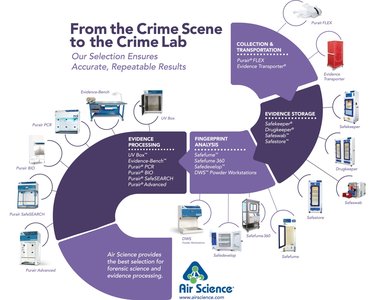
Forensic scientists follow a systematic investigative process to ensure that evidence is accurately collected, preserved, and analyzed. This process generally includes:
Collection and Preservation
At the crime scene, first responders and forensic teams work meticulously to gather various types of evidence. Every item is carefully documented to maintain the chain-of-custody—a critical aspect for ensuring that the evidence presented in the court is untampered and reliable.
Analysis and Interpretation
After the collection phase, evidence is analyzed in laboratories utilizing an array of scientific techniques. For example, DNA profiling uses techniques such as Polymerase Chain Reaction (PCR) to amplify genetic material, which is then compared against samples from suspects. Additionally, advanced imaging and spectroscopy help identify and analyze substances found during an investigation.
Expert Testimony
Often, forensic scientists are required to articulate their findings as expert witnesses in legal proceedings. Their objective, scientifically grounded opinions provide critical support in establishing or challenging factual evidence during a trial.
Technological Innovations in Forensics
The field of forensic science has seen expansive growth due to continual technological advances. Innovations not only enhance the precision of forensic analyses but also enable the handling of previously challenging or inaccessible evidence. Key advancements include:
Next-Generation Sequencing (NGS)
NGS technology allows forensic biologists to perform comprehensive DNA analysis by sequencing up to millions of DNA fragments concurrently. This enhances the speed and accuracy of matching DNA samples to potential suspects.
Artificial Intelligence and Machine Learning
AI is increasingly being integrated into forensic investigations. Through machine learning algorithms, forensic analysts can process vast amounts of data—ranging from digital evidence to chemical compositions—much faster than conventional methods allow, uncovering patterns and connections that might otherwise go unnoticed.
Advanced Imaging Technologies
Innovations such as fluorescence detection, mass spectrometry, and molecular imaging are revolutionizing evidence analysis. These technologies enable forensic teams to analyze trace evidence with higher sensitivity and specificity, improving both detection limits and overall accuracy.
Forensic Science in Practice: A Comparative Overview
Below is a table summarizing the key disciplines, methods, and applications within forensic science:
| Discipline | Key Techniques | Primary Applications |
|---|---|---|
| Criminalistics | DNA profiling, fingerprint analysis, ballistics | Crime scene investigation, suspect identification |
| Digital Forensics | Data recovery, network analysis, mobile forensics | Cybercrime investigations, data breach analysis |
| Forensic Biology & Chemistry | PCR, chromatography, mass spectrometry | Substance analysis, toxicology, DNA analysis |
| Forensic Engineering & Anthropology | Structural analysis, skeletal analysis, accident reconstruction | Accident investigations, human remains identification |
Real-World Applications
Forensic science's role extends beyond solving high-profile criminal cases. Its applications are diverse and have significant implications for:
-
Criminal Cases:
Forensic evidence is a routine component in criminal trials, providing objective data that is indispensable for convicting the guilty or exonerating the innocent. From reconstructing crime scenes to detailed analysis of physical traces, these tools help ensure fair judicial processes.
-
Civil Disputes:
In civil litigation, forensic methods are employed to resolve disputes involving paternity, inheritance, and product liability. Scientific analyses help clarify events leading to accidents or product malfunctions.
-
Wildlife and Environmental Law:
Wildlife forensic science aids in tracking poaching and illegal trafficking while environmental forensics addresses cases of pollution and harmful exposure. These specialized areas of investigation highlight the versatility and societal relevance of forensic science.
Challenges and Future Prospects
While forensic science has advanced remarkably, practitioners still face challenges such as maintaining evidence integrity, staying current with rapidly evolving technology, and standardizing methods across various disciplines. However, ongoing research and investment continue to push the boundaries. The future of forensic science promises more refined techniques, which will not only further streamline evidence analysis but also increase the reliability of expert testimonies in legal contexts.
References
- What is Forensic Science? - American Academy of Forensic Sciences
- Forensic Science - Britannica
- Forensic Science - Wikipedia
- Forensic and Investigative Sciences - National Institute of Justice
- FBI Laboratory Services - FBI
Recommended Related Queries
Last updated March 28, 2025