
From Gothic Horror to Hawkins: How Isolation Shapes Monsters and Heroes
Unveiling the startling parallels of exclusion and loneliness in Mary Shelley's *Frankenstein* and Netflix's *Stranger Things* Season 1.
Separated by nearly two centuries and vastly different genres, Mary Shelley's 1818 novel *Frankenstein* and the first season of the Duffer Brothers' *Stranger Things* (2016) share a profound thematic core: the devastating impact of isolation and exclusion. Both narratives explore how being cast out, whether by society, circumstance, or one's own actions, warps identity, fuels conflict, and underscores the fundamental human (or non-human) need for connection and acceptance.
Key Insights: Isolation's Echoes
- Shared Burden of the Outsider: Both Frankenstein's Creature and Eleven from *Stranger Things* are powerful beings ostracized due to their unnatural origins and abilities, facing societal fear and rejection that shapes their journeys.
- The Psychological Toll: Isolation, whether self-imposed (Victor Frankenstein) or forced (the Creature, Eleven, Will Byers), inflicts deep psychological trauma, leading to loneliness, rage, despair, and potentially destructive behavior.
- Community as Counterbalance: While *Frankenstein* leans towards tragedy born from relentless exclusion, *Stranger Things* introduces the vital role of friendship and found family in mitigating isolation's effects and offering hope for belonging.
The Gothic Roots of Solitude: Isolation in *Frankenstein*
Mary Shelley's *Frankenstein* masterfully weaves isolation into the very fabric of its narrative, impacting both the creator and his creation in distinct yet interconnected ways. The novel serves as a stark warning about the consequences of withdrawing from the human community.
Victor Frankenstein: The Architect of His Own Loneliness
Ambition's Price
Victor Frankenstein's journey into isolation begins not with external rejection, but with his own consuming ambition. Obsessed with unlocking the secrets of life, he deliberately withdraws from his family, friends, and societal obligations. He immerses himself in his work, shunning "fellow creatures" and labouring in self-imposed seclusion. This withdrawal isn't just physical; it's emotional and moral. By cutting himself off from the "domestic affection" and communal support Shelley implicitly values, Victor allows his ambition to fester unchecked, leading him down a path of ethical blindness and ultimately, profound regret. His isolation prevents him from seeking counsel or considering the ramifications of his actions, directly enabling the creation of the Creature.
The Burden of Guilt
Following the Creature's animation and the horrifying realization of his deed, Victor's isolation deepens. Now driven by guilt, shame, and fear, he actively distances himself from loved ones, unable to share the terrible secret he carries. This secrecy further alienates him, preventing genuine connection and exacerbating his suffering as the Creature's actions bring tragedy upon his family. Victor becomes a prisoner of his own creation and the isolation it necessitates.

Bernie Wrightson's iconic depiction captures the Creature's anguish.
The Creature: Exiled by Appearance, Craving Connection
Born into Abandonment
The Creature's isolation is immediate and absolute, beginning the moment Victor recoils in horror and abandons him. Unlike Victor's initially chosen solitude, the Creature's is brutally imposed. He enters the world utterly alone, without guidance, name, or acceptance. This foundational rejection sets the stage for a life defined by loneliness and a desperate, unmet yearning for companionship.
Societal Rejection and Its Consequences
As the Creature attempts to navigate the world, he is met universally with fear, hostility, and violence solely because of his "hideous" appearance. Society proves incapable of seeing beyond his exterior to the sentient, initially benevolent being within. Every attempt he makes to connect, to learn, or to show kindness is rebuffed, often violently. This relentless exclusion fuels his transformation from a being capable of empathy (as seen during his observation of the De Lacey family) to one consumed by bitterness, rage, and a desire for vengeance against the creator and the society that denied him. His psychological development mirrors real-world responses to prolonged deprivation and lack of attachment, highlighting how social rejection can foster monstrosity.
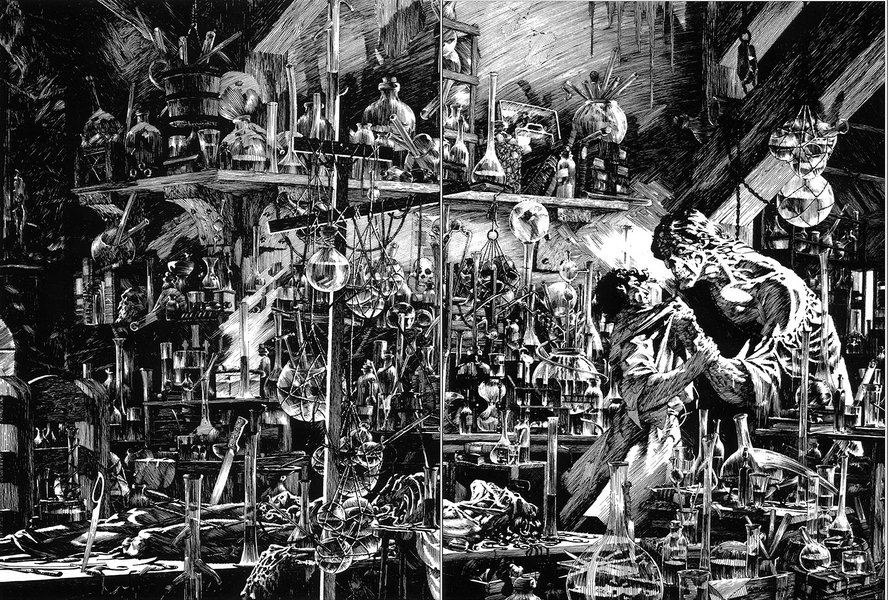
The Creature observes human connection from the outside, deepening his sense of isolation.
Hawkins' Hidden Outcasts: Isolation in *Stranger Things* Season 1
Set against the backdrop of 1980s suburbia, *Stranger Things* Season 1 translates the themes of isolation and exclusion into a world of government conspiracies, alternate dimensions, and the anxieties of adolescence. Here, isolation stems from secrecy, trauma, and the experience of being fundamentally different.
Eleven: The Subject of Seclusion
Institutional Dehumanization
Eleven (El) is perhaps the most direct parallel to Frankenstein's Creature in terms of imposed isolation. Raised within the sterile, controlled environment of Hawkins National Laboratory, she is treated not as a person but as an experiment, identified by a number ("011") rather than a name. She is denied normal human interaction, education, and affection, leaving her socially inept and deeply traumatized upon her escape. Her psychokinetic powers, the very reason for her confinement, also mark her as dangerously different, fostering fear in those who don't understand her.
Finding Connection Amidst Fear
Initially, Eleven's experience outside the lab mirrors the Creature's rejection. She is an anomaly, viewed with suspicion and fear. However, unlike the Creature's universal rejection, Eleven finds a lifeline in Mike, Dustin, and Lucas. These boys, themselves social outsiders who bond over Dungeons & Dragons, offer her acceptance and friendship. This nascent community becomes crucial, providing Eleven with a sense of belonging and purpose, demonstrating the power of connection to counteract the damages of isolation.
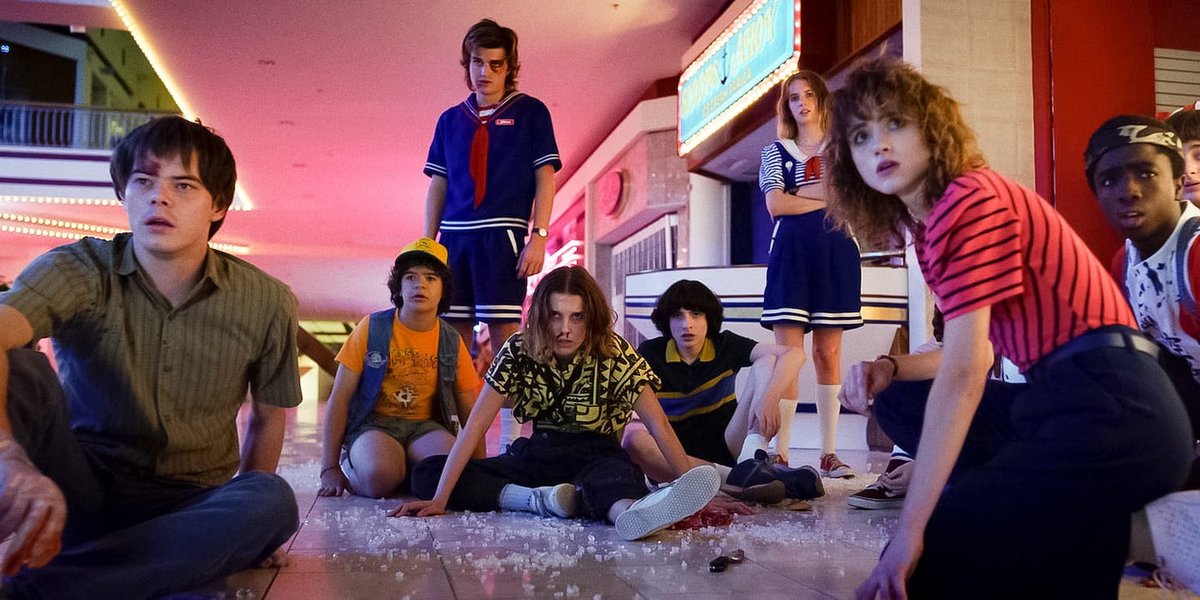
Eleven finds acceptance and friendship with the main group of boys.
Will Byers: Lost Between Worlds
The Unseen Victim
Will Byers experiences a terrifyingly literal form of isolation when he is abducted into the Upside Down, a dark, decaying mirror dimension of Hawkins. He is physically separated from everyone and everything he knows, trapped in a hostile environment where his existence is largely unseen and unbelievable to those in the normal world. His struggle represents the profound alienation of being lost and unheard, even while desperately trying to communicate.
Community's Rally
While Will is isolated, his absence galvanizes his family (Joyce, Jonathan) and friends. Their refusal to accept his disappearance and their unwavering belief in his survival, even when faced with skepticism and official obfuscation, highlight the community's role in fighting against isolation's despair. The search for Will becomes a testament to the bonds that counter exclusion.
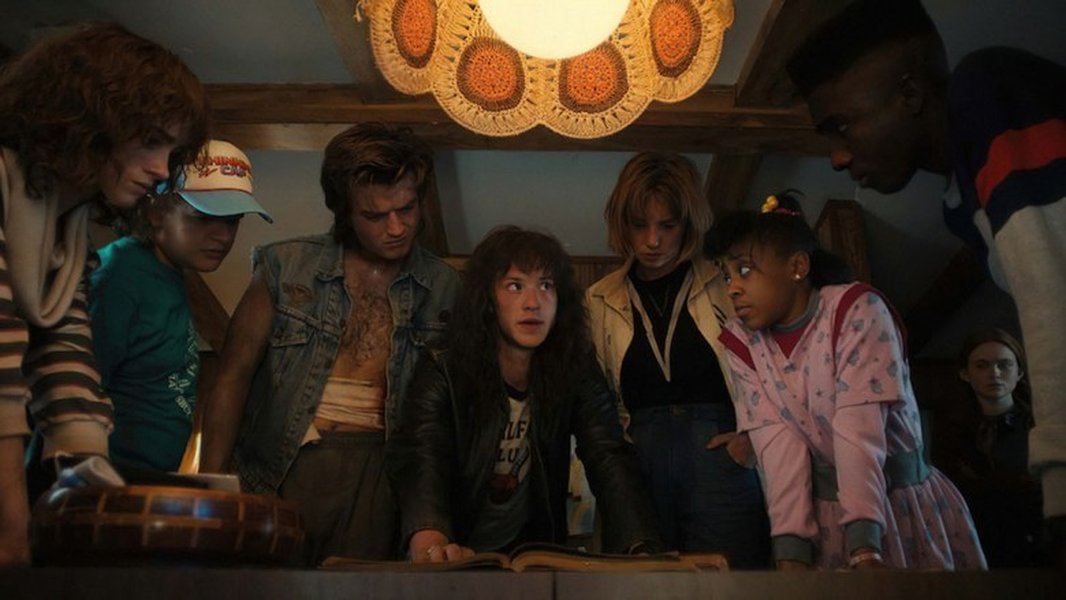
The search for Will Byers unites characters against the unknown.
Comparative Threads: Weaving Isolation and Exclusion Together
Comparing *Frankenstein* and *Stranger Things* Season 1 reveals striking similarities in how they utilize isolation and exclusion, despite their different settings and outcomes. Both narratives use these themes to explore the nature of monstrosity, the importance of empathy, and the consequences of societal fear.
Parallels in Alienation
The table below outlines key points of comparison regarding isolation and exclusion in both works:
| Aspect | Frankenstein | Stranger Things Season 1 |
|---|---|---|
| Source of Isolation | Victor: Self-imposed (ambition, guilt). Creature: Imposed (abandonment, appearance). |
Eleven: Imposed (institutional confinement, powers). Will: Imposed (abduction to Upside Down). Group: Social exclusion (being "nerds"). |
| Nature of Exclusion | Creature: Societal rejection based on physical appearance and unnatural origin. | Eleven: Societal/institutional fear of the unknown/unnatural (powers, origins). Will: Disbelief and marginalization of the supernatural threat. |
| Character Response | Victor: Deepening guilt, paranoia, withdrawal. Creature: Initial plea for acceptance, turning to rage and vengeance upon rejection. |
Eleven: Initial fear/mistrust, gradual seeking of connection and trust with the group. Will: Desperate attempts to communicate and survive. Group: Strengthened internal bonds, finding belonging within their circle. |
| Role of "Creator" | Victor abandons his creation, fueling tragedy. | Hawkins Lab exploits Eleven ("creation"); her "escape" leads to potential connection. |
| Thematic Outcome | Emphasizes tragedy stemming from lack of empathy, irreversible consequences of rejection. Isolation leads to mutual destruction. | Highlights hope through friendship and found family. Connection offers a path to combat isolation and trauma, though dangers remain. |
Character Experiences Compared: A Spectrum of Solitude
The following chart provides a visual representation of how key characters experience different facets of isolation and exclusion. The scores are subjective interpretations based on the narratives, ranging from 2 (low) to 10 (high), assessing the relative intensity of each factor for the character.
This chart highlights the intensity of societal rejection and the impact of appearance for the Creature and Eleven, Victor's high degree of self-imposed isolation, and the extreme physical separation experienced by Will and Eleven. Despite profound isolation, the Creature and Eleven show a strong desire for connection, a potential tragically unmet for the former but partially realized for the latter in Season 1.
Mapping the Themes: Isolation and Exclusion
This mind map provides a visual overview of how the core themes of isolation and exclusion branch out and connect within *Frankenstein* and *Stranger Things* Season 1, linking characters, causes, and consequences.
The mind map illustrates the distinct paths isolation takes: Victor's internal, self-driven solitude versus the external forces isolating the Creature, Eleven, and Will. It also contrasts the predominantly tragic outcome in *Frankenstein* with the glimmers of hope offered through friendship and community in *Stranger Things*.
Frequently Asked Questions
What is the main similarity between Frankenstein's Creature and Eleven?
The most striking similarity is that both are 'unnatural' beings (one created biologically, the other emerging from experimentation with powers) who are immediately feared, misunderstood, and excluded by the society they encounter. Both initially lack social understanding and grapple with intense isolation stemming from their origins and differences, desperately craving connection and acceptance.
How does ambition cause isolation in *Frankenstein*?
Victor Frankenstein's obsessive scientific ambition leads him to deliberately isolate himself from family, friends, and ethical considerations. He prioritizes his quest for knowledge above human relationships and societal norms, withdrawing into secrecy to pursue his goal. This self-imposed isolation allows his ambition to grow unchecked, ultimately leading to the disastrous creation and his subsequent alienation driven by guilt and fear.
How does *Stranger Things* show hope despite isolation?
Unlike the bleak trajectory in *Frankenstein*, *Stranger Things* emphasizes the power of friendship, family (biological and chosen), and community solidarity as potent antidotes to isolation. Eleven, despite her traumatic past and exclusion, finds acceptance and belonging within the group of boys. The determined search for Will showcases familial love and communal effort against overwhelming odds. These bonds provide support, strength, and a pathway out of despair, offering hope even amidst terrifying circumstances.
Why is exclusion so damaging in both stories?
Exclusion denies characters fundamental human needs for acceptance, understanding, and social interaction. In *Frankenstein*, the Creature's constant rejection based on appearance warps his initially benevolent nature into one of bitterness and vengeance, demonstrating how societal prejudice can create the very 'monsters' it fears. In *Stranger Things*, Eleven's exclusion stems from fear of her powers and origins, highlighting the dehumanizing effects of being treated as an 'other' or an experiment. In both cases, exclusion inflicts deep psychological wounds, fuels conflict, and underscores the destructive potential of fear and lack of empathy.
References
- Family, Society, Isolation Theme in Frankenstein - LitCharts
- The Psychology of Isolation and Alienation in Frankenstein’s Creature - Simply Put Psych
- Comparison and Contrast of Stranger Things and Frankenstein - GradesFixer
- Themes and Messages in Stranger Things - Vocal Media
- Themes of Isolation in Frankenstein - CliffsNotes
- Frankenstein Theme Of Isolation - Academic Master
- Frankenstein Isolation - eNotes.com
Recommended
 strangerthingsandpopulargenres.wordpress.com
Last updated April 23, 2025