
The Foremost Concerns Shaping Our Future
Navigating the Complex Landscape of Global Challenges
Key Takeaways
- Climate Change Remains the Pivotal Global Threat: Its multifaceted impacts on the environment, economy, and society necessitate immediate and sustained action.
- Technological Advancements Pose Ethical and Privacy Challenges: Rapid developments in AI and biotechnology require robust regulations to mitigate risks.
- Economic Inequality and Social Instability Are Increasing: Addressing disparities is crucial for maintaining global stability and fostering equitable growth.
Introduction
The future presents a myriad of challenges that demand urgent attention and strategic planning. Among these, climate change stands out as the most pressing concern, intricately linked with other significant issues such as technological disruptions, economic inequalities, and geopolitical tensions. Understanding the interplay of these factors is essential for developing comprehensive solutions that ensure a sustainable and equitable future for all.
1. Climate Change: The Central Global Challenge
1.1. Environmental Impacts
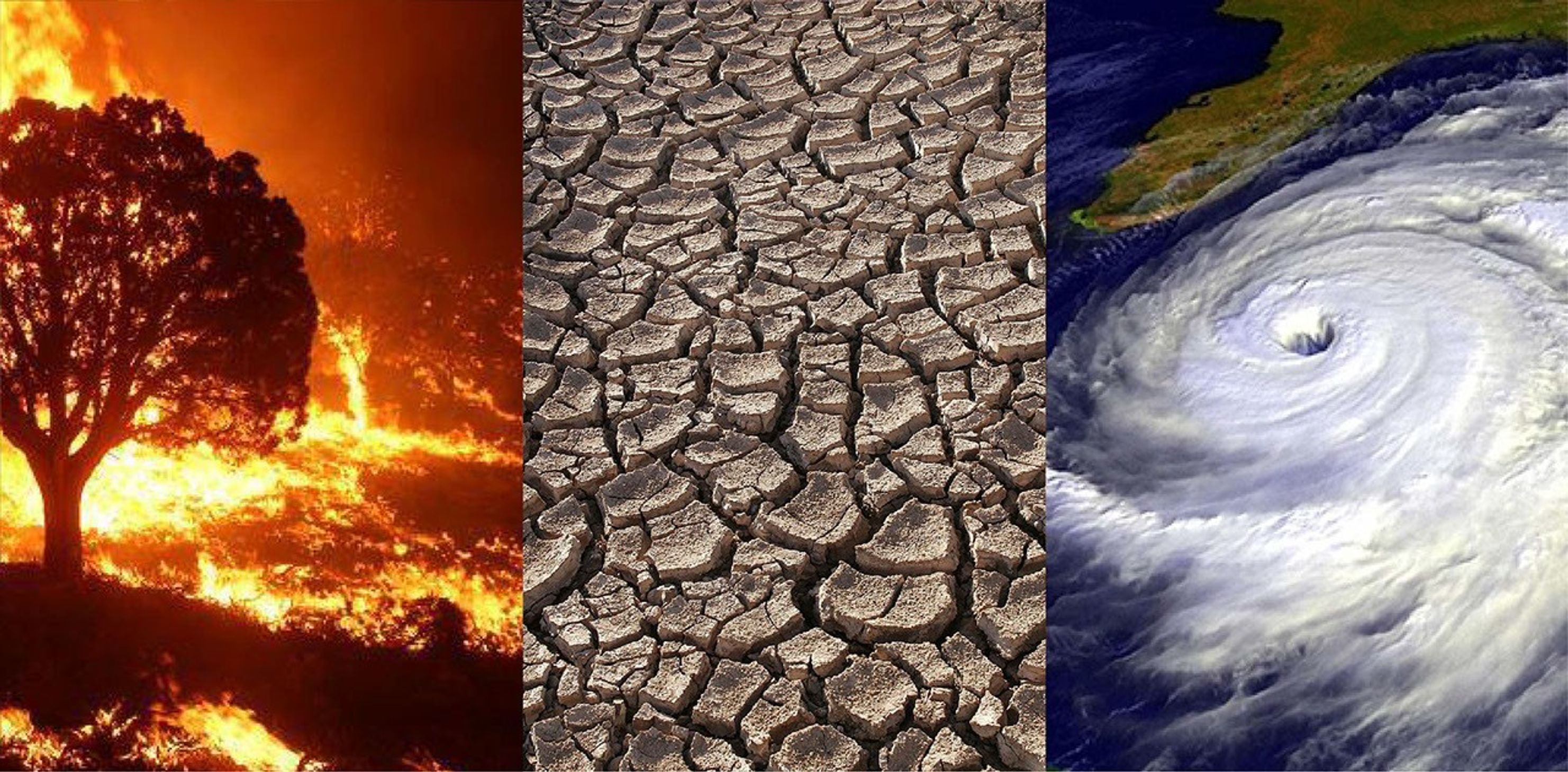
Climate change is the most consistently highlighted issue across multiple authoritative sources. Its effects are far-reaching, impacting natural ecosystems, weather patterns, and sea levels. Rising global temperatures contribute to the melting of polar ice caps, leading to higher sea levels that threaten coastal communities worldwide. Additionally, increased temperatures result in more frequent and severe weather events, including hurricanes, droughts, and heatwaves, which can devastate regions and disrupt livelihoods.
1.2. Economic Consequences
The economic ramifications of climate change are profound. Extreme weather events can cause significant infrastructure damage, disrupt supply chains, and reduce agricultural productivity. Natural disasters often require substantial financial resources for recovery and rebuilding efforts, straining national budgets and diverting funds from other critical areas such as education and healthcare. Moreover, industries reliant on natural resources, including agriculture, fisheries, and tourism, are particularly vulnerable to climate-induced disruptions.
1.3. Social and Health Implications
Climate change also poses severe social and health challenges. Rising temperatures can exacerbate heat-related illnesses and mortality rates, particularly among vulnerable populations such as the elderly and children. Changes in climate patterns can affect the distribution of vector-borne diseases, increasing the prevalence of illnesses like malaria and dengue fever. Additionally, climate-induced migration is becoming a reality, with millions of people displaced from their homes due to environmental degradation and natural disasters, leading to increased social tensions and humanitarian crises.
1.4. Biodiversity Loss
The loss of biodiversity is another critical concern linked to climate change. As habitats alter or disappear, numerous plant and animal species face the threat of extinction. Biodiversity loss undermines ecosystem resilience, reducing the ability of ecosystems to recover from disturbances and maintain essential services such as pollination, water purification, and carbon sequestration. Protecting biodiversity is therefore integral to mitigating the adverse effects of climate change and preserving the planet's ecological balance.
2. Technological Advancements and Ethical Challenges
2.1. Artificial Intelligence and Privacy Concerns
Advancements in artificial intelligence (AI) present both opportunities and significant risks. One of the foremost concerns is the erosion of privacy. AI systems rely on vast amounts of data, raising issues related to data security, consent, and surveillance. The potential for misuse of personal data by corporations or governments poses a threat to individual freedoms and societal trust. Ensuring robust data protection measures and transparent AI governance is crucial to addressing these privacy concerns.
2.2. Ethical Implications of Biotechnology
Biotechnological innovations, including genetic modification and gene editing, hold promise for addressing medical and agricultural challenges. However, they also raise ethical questions regarding the extent of human intervention in natural processes, the potential for unintended consequences, and issues related to equity and access. Establishing ethical guidelines and regulatory frameworks is essential to ensure that biotechnological advancements are leveraged responsibly and do not exacerbate existing inequalities.
2.3. Automation and Job Displacement
The rapid pace of automation and technological innovation poses a threat to the global workforce. As machines and AI systems become capable of performing tasks traditionally undertaken by humans, there is a risk of significant job displacement across various sectors. This technological disruption necessitates proactive measures such as workforce retraining, education in emerging fields, and the development of social safety nets to support affected workers and maintain economic stability.
2.4. Regulation and Governance
Effective regulation and governance are paramount in mitigating the risks associated with technological advancements. Policymakers must balance the promotion of innovation with the enforcement of safeguards that protect individual rights and societal values. International cooperation is also critical, given the global nature of technological developments and their impacts. Collaborative efforts can lead to the establishment of standards and best practices that enhance the responsible deployment of new technologies.
3. Economic Inequality and Social Instability
3.1. Growing Wealth Disparities
Economic inequality is a growing concern that can lead to social instability and undermine democratic institutions. The widening gap between the wealthy and the impoverished exacerbates poverty, limits access to essential services, and restricts social mobility. Addressing economic disparities requires comprehensive policies that promote equitable growth, such as progressive taxation, investment in education and healthcare, and support for small and medium-sized enterprises.
3.2. Social Unrest and Political Polarization
Persistent economic inequalities can fuel social unrest and political polarization. When significant portions of the population feel marginalized or excluded from the benefits of economic growth, it can lead to protests, strikes, and the rise of populist movements. Political polarization, driven by differing economic interests and ideological divides, further complicates efforts to implement solutions that address the root causes of inequality.
3.3. Impact on Public Health and Education
Economic disparities have a direct impact on public health and education outcomes. Individuals from lower socioeconomic backgrounds often face barriers to accessing quality healthcare and education, leading to poorer health outcomes and reduced educational attainment. These factors perpetuate the cycle of poverty and limit opportunities for upward mobility, making it imperative to address economic inequality through targeted interventions and resource allocation.
4. Geopolitical Tensions and Security Threats
4.1. Global Power Shifts
The international landscape is undergoing significant shifts in power dynamics, with emerging economies gaining influence and challenging established powers. These changes can lead to geopolitical tensions as nations vie for economic dominance, technological supremacy, and strategic alliances. Managing these power shifts requires diplomatic efforts, multilateral cooperation, and the establishment of frameworks that promote peaceful coexistence and mutual benefit.
4.2. Resource Scarcity and Competition
Resource scarcity, driven by population growth and environmental degradation, can intensify competition among nations. Access to vital resources such as water, energy, and arable land is becoming increasingly contested, potentially leading to conflicts and undermining regional stability. Sustainable resource management and equitable distribution are essential to mitigating these risks and ensuring long-term security.
4.3. Cybersecurity Threats
The rise of cyber threats poses significant challenges to national and international security. Cyberattacks targeting critical infrastructure, financial systems, and government institutions can have devastating consequences, disrupting services and eroding public trust. Strengthening cybersecurity measures, fostering international cooperation, and developing resilient systems are critical to safeguarding against these evolving threats.
5. Global Health Challenges
5.1. Emerging Infectious Diseases
The COVID-19 pandemic highlighted the vulnerability of global health systems to emerging infectious diseases. Future pandemics remain a significant concern, necessitating robust surveillance, rapid response mechanisms, and international collaboration to prevent and contain outbreaks. Strengthening healthcare infrastructure and investing in research are essential components of global health preparedness.
5.2. Antimicrobial Resistance
Antimicrobial resistance (AMR) poses a growing threat to public health, rendering common infections difficult to treat and increasing mortality rates. The overuse and misuse of antibiotics in human medicine and agriculture contribute to the rise of resistant strains. Addressing AMR requires coordinated efforts to promote responsible antibiotic use, develop new treatments, and implement effective infection control measures.
5.3. Mental Health and Well-being
Mental health issues are increasingly recognized as critical components of global health. Factors such as urbanization, economic stress, and social isolation contribute to the prevalence of mental health disorders. Enhancing access to mental health services, reducing stigma, and integrating mental health into primary healthcare systems are vital steps toward improving overall well-being.
6. Technological and Ethical Challenges
6.1. Ethical Governance of AI
As AI technologies become more pervasive, ensuring ethical governance is paramount. Issues related to bias, transparency, and accountability in AI systems must be addressed to prevent discriminatory practices and ensure fair outcomes. Establishing ethical standards and fostering interdisciplinary collaboration can guide the responsible development and deployment of AI.
6.2. Online Safety and Digital Well-being
With the proliferation of digital platforms, ensuring online safety, especially for children and youth, is a growing concern. Cyberbullying, exposure to inappropriate content, and digital addiction are among the challenges that need to be mitigated through education, regulation, and the development of supportive online communities.
6.3. Impact of Emerging Technologies on Society
Emerging technologies such as blockchain, quantum computing, and the Internet of Things (IoT) have transformative potential but also introduce new risks. Understanding their societal impacts, from privacy implications to changes in labor markets, is essential for maximizing benefits while minimizing adverse effects.
Comprehensive Analysis: Interconnectedness of Global Concerns
The aforementioned global challenges are deeply interconnected, often exacerbating one another. For instance, climate change can intensify economic inequalities by disproportionately affecting lower-income countries, leading to increased migration and social instability. Similarly, technological advancements can both mitigate and contribute to environmental degradation, depending on their implementation. Recognizing the interdependence of these issues is crucial for developing holistic and effective solutions.
6.4. Climate Change and Technological Solutions
Technological innovations play a critical role in addressing climate change. Renewable energy technologies, such as solar and wind power, are essential for reducing greenhouse gas emissions. Advances in energy storage and smart grid technologies can enhance the efficiency and reliability of renewable energy sources, facilitating a transition to a low-carbon economy.
6.5. Economic Policies for Sustainable Development
Implementing economic policies that promote sustainable development is vital for balancing growth with environmental stewardship. Carbon pricing mechanisms, green subsidies, and investments in sustainable infrastructure can drive the adoption of environmentally friendly practices while fostering economic resilience.
6.6. Education and Public Awareness
Education and public awareness campaigns are essential for mobilizing action on global challenges. Empowering individuals with knowledge about climate change, technological risks, and social inequalities can inspire collective efforts toward meaningful change. Integrating sustainability and ethics into educational curricula can cultivate a generation that values and contributes to a sustainable future.
Conclusion
The future is shaped by a complex array of global challenges, with climate change emerging as the most significant concern due to its extensive and multifaceted impacts. Addressing climate change requires a coordinated global response that integrates technological innovation, ethical governance, economic policies, and public engagement. Additionally, interconnected issues such as technological advancements, economic inequality, geopolitical tensions, and global health challenges must be addressed in tandem to foster a sustainable and equitable world. Proactive measures, informed policy-making, and collective action are essential to navigating these challenges and securing a resilient future for generations to come.
References
| Global Concern | Primary Impact Areas | Potential Solutions |
|---|---|---|
| Climate Change | Environment, Economy, Society | Renewable Energy, Policy Reforms, Conservation Efforts |
| AI and Privacy | Personal Privacy, Data Security, Ethical Governance | Robust Regulations, Transparent AI Practices, Data Protection Laws |
| Economic Inequality | Social Stability, Public Health, Education | Progressive Taxation, Social Welfare Programs, Educational Investments |
| Geopolitical Tensions | Global Security, Resource Distribution, International Relations | Diplomacy, Multilateral Cooperation, Sustainable Resource Management |
| Global Health Challenges | Healthcare Systems, Disease Prevention, Mental Health | Healthcare Investment, Research and Development, Public Health Campaigns |
Last updated February 16, 2025